

Malta has 50+ gyms. So why is staying fit here so hard?
Malta has over 50 gyms and fitness studios packed into 316 km², with memberships ranging from €25/month for 24/7 budget access to €90/month for premium hotel-attached facilities with pools and spas. The real fitness challenge is not finding a gym. It is adapting to an island where outdoor exercise is dangerous for four months of the year, peak gym hours are impossibly crowded because everyone finishes work at the same time, and the Mediterranean Sea is genuinely the best (and free) training facility available.
Every other “best gyms Malta” article you will find is either a Tripadvisor rehash, a paid plug for one chain, or a generic listicle written by someone who has never tried to run at noon in July on this island. This guide covers what actually matters: what each type of training costs, which facilities are worth your money, where to swim and run safely, and how to structure your routine around an island that changes completely between October and August.
If you have just landed a job in Malta’s growing expat economy, bookmarked this page. You will come back to it.
How much does a gym membership cost in Malta?
Gym memberships in Malta range from €25 to €90 per month, with CrossFit boxes at €70 to €130 and yoga studios at €100 to €150 for unlimited access. Personal training sessions run €35 to €60, cheaper than London or Berlin, roughly on par with southern Europe.
At the budget end, chains like 24/7 Fitness Club charge €25 to €35 per month. You get basic equipment, multiple locations, and round-the-clock access. No frills, no pool, no sauna. Mid-range options like Best Gyms Malta (BGM) and Fort Fitness run €50 to €65 per month and include group classes, better equipment, and a more serious training atmosphere.
Premium facilities sit at €70 to €90 per month. Cynergi at the InterContinental and Hilton Spa & Fitness both include swimming pools, saunas, and top-tier Technogym or equivalent kit. These are Malta’s closest equivalents to a London boutique gym, minus the London price tag.
Drop-in options exist everywhere: day passes at €10 to €15, weekly passes for short-term visitors, and no-commitment monthly plans at most mid-range gyms. If your workplace is in the iGaming, fintech, or tech sector, check your benefits package before paying retail. Many Malta employers include gym allowances of €30 to €50 per month or corporate memberships with specific facilities.
What about yoga, Pilates, and class-based studios?
Drop-in yoga and Pilates classes cost €15 to €20 per session. Monthly unlimited passes at dedicated studios run €100 to €150. Reformer Pilates is at the higher end. Most studios sell class packs (5 or 10 sessions) at a slight discount, which makes sense if you train two to three times per week but do not want to commit to unlimited.
What are the best gyms in Malta for serious training?
For weight training, the standout facilities are Fort Fitness in Sliema, Cynergi at the InterContinental, and Best Gyms Malta (BGM) with eight locations across the island. Each serves a different budget and training style.
Fort Fitness, Sliema (Tigné Point)
Fort Fitness sits right on the Sliema seafront at Tigné Point. The free weights section is serious: strong selection of dumbbells, barbells, and plate-loaded machines. It attracts personal trainers, fitness competitors, and people who actually use the squat rack. The atmosphere skews more dedicated than casual. Expect to pay €55 to €65 per month.
The downside: it is one location only, so if you live in the north or centre of the island, the Sliema commute in traffic can eat 40 minutes each way. Peak hours (5:30 to 7:30pm) are packed.
Best Gyms Malta (BGM)
BGM operates eight locations: Pembroke, Gżira, Mosta, Żurrieq, and others. One membership works across all of them, which is the strongest value proposition for anyone whose schedule or location varies. Equipment is consistently good across branches, and group classes are included in the membership. Around €50 to €60 per month.
The best-value multi-gym membership in Malta. If you move apartments (and you probably will within your first year), you do not need to switch gyms.
Cynergi Health & Fitness Club, St Julian’s (InterContinental Hotel)
Cynergi is arguably Malta’s most complete single facility. Full Technogym setup, indoor swimming pool, sauna, steam room, spa access. The equipment is maintained to hotel standards, which means everything works and nothing is held together with duct tape. Around €70 to €90 per month depending on the plan.
It is the “everything under one roof” option. If you want to lift, swim, and use a sauna in one session without driving between locations, Cynergi is hard to beat. The trade-off is the price and St Julian’s parking, which is its own special circle of frustration.
Hilton Malta Spa & Fitness, St Julian’s
The premium choice. Top-tier equipment, a pool with sea views, excellent personal trainers, and a quieter atmosphere than most commercial gyms. Around €90 per month. If budget is not the primary concern and you want the most pleasant training environment on the island, this is it.
24/7 Fitness Club (San Ġwann, Ta’ Qali, Mellieħa, others)
The budget pick. Multiple locations, always open (genuinely 24/7), and solid enough equipment for a straightforward weights-and-cardio session. Around €30 per month. It is not glamorous, but for someone who trains at 6am or 10pm and just wants barbells and a bench, it does the job.
Sky Spirit, Luqa (SkyParks Business Centre)
Near the airport and popular with workers in the surrounding business parks. Clean, modern interior, adequate equipment. A good option if you work in the Luqa area and do not want to fight Sliema or St Julian’s traffic for a gym session.
Peak hour warning: every gym in Malta is rammed between 5:30 and 7:30pm. Malta’s working population finishes between 5 and 6pm, and they all head to the gym at once. The 6am early crowd and the 8pm+ late crowd have figured this out. Plan accordingly, or factor in queuing for the squat rack.
Is there CrossFit in Malta?
Malta has several CrossFit boxes, and they play an outsized role in the expat social scene. Memberships run €70 to €130 per month for unlimited classes. Drop-ins are typically €15 to €20. The two most talked-about boxes are CrossFit F15 in Msida and CrossFit Martell in Gżira.
CrossFit F15, Msida
CrossFit F15 has operated since 2016 and offers a wide class range: CrossFit, Hyrox preparation, weightlifting, gymnastics, functional strength, and stamina sessions. The coaching staff includes multiple certified coaches, and the facility is one of the larger boxes on the island. They run a 10-day introductory offer for €19, which is the smartest way to test whether CrossFit is for you before committing to a full membership.
CrossFit Martell, Gżira
CrossFit Martell is smaller and proudly so. Classes are capped at 12, and both head coaches are CrossFit Level 2 certified. The coaching here gets consistently praised for technique focus, especially in Olympic weightlifting. The community is international. Martell describes itself as probably the most diverse gym in Malta, with members speaking English, Russian, Spanish, Portuguese, Italian, French, Greek, and more. If you are an expat looking for a place where you will genuinely make friends, Martell is a strong bet.
Gymnasia
The longest-established CrossFit-style gym on the island. Good for experienced CrossFitters who want a solid, no-nonsense training environment without the marketing polish of newer boxes.
Why CrossFit matters more in Malta than most places
CrossFit boxes in Malta are disproportionately expat-populated. They function as social infrastructure as much as fitness facilities. People who move to Malta for iGaming or fintech jobs regularly report that their closest friends on the island are people they met at their box. The group class format, the shared suffering of a tough WOD, and the after-class coffee ritual create bonds that solo gym sessions do not.
One Malta-specific note: summer WODs in non-air-conditioned boxes are brutal. Temperatures inside can exceed what’s outside. Ask about ventilation and cooling before committing to a membership that starts in June.
Where can I do yoga or Pilates in Malta?
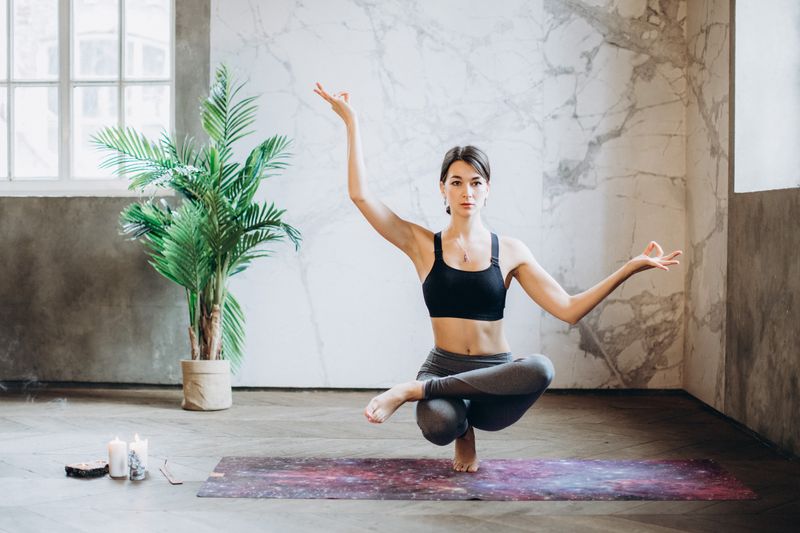
Malta’s yoga and Pilates scene is more active than most newcomers expect. Sliema is the hub, with three well-regarded studios within walking distance of each other. Drop-in classes cost €15 to €20, and monthly unlimited passes run €100 to €150.
Hot Yoga & Pilates Malta (HYP), Sliema
Offers Vinyasa, Ashtanga, Hot Yoga, and Pilates in both heated and non-heated formats. Well-established and reliable scheduling. If you want structured hot yoga on the island, this is the primary option.
Island Yoga, Sliema
Community-focused with both yoga and mat Pilates. The studio is air-conditioned, which matters enormously between June and September when stepping inside a non-cooled room defeats the purpose of leaving the heat outside. Morning and evening classes structured around working hours.
Island Reformer, Sliema
Sister studio to Island Yoga, dedicated to Reformer Pilates. Boutique feel, small classes, good equipment. At the higher end of the pricing range but solid for anyone who specifically wants Reformer work.
The yoga community in Malta is surprisingly active for a 316 km² island. During the shoulder months (May and October), studios run outdoor rooftop and beach sessions. Follow your preferred studio on Instagram for pop-up class announcements. These outdoor sessions are among the best fitness experiences Malta offers.
Where can I run outside in Malta?
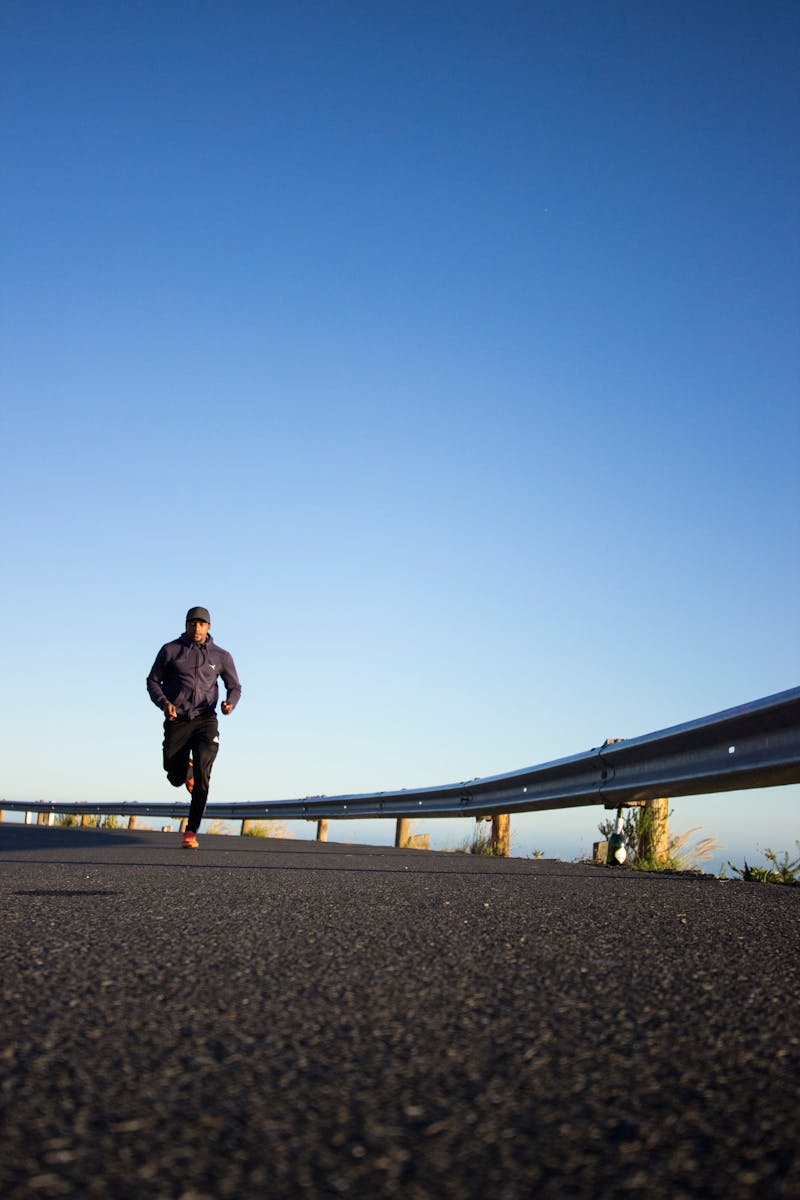
Malta has excellent running routes along the coast, but outdoor running is genuinely dangerous between 10am and 6pm from June through September. Temperatures hit 32 to 35°C with 60 to 80% humidity, and UV index reaches 10 to 11 (extreme). Heat exhaustion within 30 minutes of a midday July run is a medical reality, not a travel-blog exaggeration.
Best running routes
The Sliema-to-Valletta seafront promenade is the most popular route on the island. It is flat, paved, runs along the water, and covers roughly 5 km one way (10 km out-and-back). You can extend it further along the coast toward St Julian’s for up to 13 km. Most Malta-based runners use this route at least once a week.
Ta’ Qali National Park in central Malta offers 2 to 3 km of running paths with some shade, a rarity on this limestone island. The Dingli Cliffs along the western coast are dramatic and scenic, but fully exposed to the sun with no shade cover. Save Dingli for winter mornings or late autumn afternoons.
When to run
In summer (June to September): before 7am or after 7:30pm. No exceptions. From October through May, mornings work at any reasonable hour and early evenings are comfortable. The best running months are November through April, when temperatures sit between 12 and 20°C and humidity drops.
Community running
The Gerald DeGaetano Memorial Run operates as Malta’s parkrun equivalent. Free, every Saturday at 8am, at Ta’ Qali Picnic Area. It is a 5 km route to run, jog, or walk at your own pace. Child and dog-friendly. No obligation to attend weekly. It is the easiest way to start running in Malta and meet other runners simultaneously.
The Malta Running Club Facebook group is active and useful for finding running partners, sharing routes, and keeping up with local race announcements. The Malta Marathon (held each February, running since 1986, with a predominantly downhill course from Mdina to Sliema) is the island’s flagship running event. The 10K Series Malta runs multiple races throughout the year.
Where can I swim outdoors in Malta?
Malta’s coastline is the best free fitness facility on the island. Sea temperature stays between 24 and 26°C from July through early October, and open-water swimming from the rocks is a legitimate primary cardio option for five to six months of the year. Many fitness-oriented expats shift to sea swimming as their main exercise in summer.
Popular open-water swimming spots
The Sliema promenade rocks offer the most convenient entry point for anyone living in the central tourist belt. Exiles (also Sliema) is a well-known swimming spot with easy access and usually other swimmers around. Għar Lapsi on the south coast is quieter, with clear water and a sheltered cove feel. St Peter’s Pool near Marsaxlokk is stunning but gets crowded in peak summer.
Bring water shoes. Limestone entries are sharp and unforgiving on bare feet. A tow float is smart if you are swimming any distance in open water, both for visibility and for resting if needed.
Night swimming
Swimming after dark is a genuine Malta summer tradition. It is safe at well-known spots where other swimmers are present. The water is warm, the air temperature finally drops below 30°C, and it is one of the most enjoyable things about living on this island between July and September. Exiles and the Sliema front are popular after-dark spots.
Beach workouts
Golden Bay and Mellieħa Bay have sandy beaches with enough space for sprint drills, bodyweight circuits, and morning yoga. Pretty Bay in Birżebbuġa is quieter and more local. Early morning (before 8am) is the only viable window in peak summer. By 9am the sand is already too hot for barefoot training and the beaches start filling with sunbathers.

Is cycling safe in Malta?
Malta has almost no cycling infrastructure. Roads are narrow, drivers are aggressive and unaccustomed to cyclists, and dedicated bike lanes are limited to a few short stretches that do not connect to anything useful. Do not expect a European cycling culture here.
Serious cyclists exist in Malta. They know the quieter routes in the south and west of the island and ride at dawn before traffic picks up. If you bring a road bike or are determined to cycle, join a local cycling group for route advice and safety-in-numbers riding. But if you are coming from Amsterdam, Copenhagen, or Berlin, prepare for a sharp downgrade in cycling conditions.
How should I adapt my fitness routine to Malta’s seasons?
The single biggest mistake new expats make is building an outdoor-heavy fitness routine when they arrive in September or October, then wondering why everything falls apart the following July. Malta’s seasonal shift requires a deliberate training plan.
October to May: the golden months
This is when Malta fitness is at its best. Outdoor running is comfortable at most hours. Hiking is excellent (Dingli Cliffs, Wied il-Għasri in Gozo). Beach workouts are pleasant. Gym sessions do not require blasting air conditioning. If you are reading this and it is autumn, enjoy it. This is the good part.
June: the transition
Mornings are still runnable outdoors. Evening sessions are possible but getting uncomfortable. Gyms start filling up as the outdoor crowd moves inside. Smart time to lock in an early-morning routine that will carry you through summer.
July and August: indoor survival mode
Indoor-only training between 9am and 7pm. Sea swimming becomes the primary cardio option. Gym at 6am or after 8pm. Air conditioning is non-negotiable. Hydration needs jump to 2.5 to 3 litres minimum per day, more if you are training. Read our guide to surviving summer in Malta for the full picture beyond fitness.
September: the slow cool-down
Still hot, but cooling. Outdoor mornings return toward the second half of the month. The first autumn storms bring genuine psychological relief after eight weeks of relentless heat. Outdoor training becomes possible again by late September.
The balcony gym is real. Many Malta expats in small apartments keep a kettlebell, resistance bands, and a yoga mat on their balcony. It sounds makeshift, but 20 minutes of morning bodyweight training with sea views is genuinely one of the best training setups on the island. Especially in the cooler months, your balcony may be the most pleasant gym available.
Why do gyms matter more in Malta than most places?
Malta’s expat community is transient. People cycle through every two to three years, following iGaming contracts and fintech roles. Making lasting friends is harder than tourist brochures suggest. The social infrastructure that exists in a hometown (school friends, neighbours you have known for years, family nearby) is absent.
Gyms, CrossFit boxes, and running groups fill that gap. The community element of group fitness in Malta is as important as the training itself. People who sign up for something with a built-in social component (CrossFit, group classes, a running club) consistently report building a real social circle faster than those who train alone at a commercial gym.
If you are new to Malta and have to choose between a cheaper solo gym and a pricier group-based option, seriously consider the group option. Your social life will benefit as much as your fitness.
Useful Facebook groups: Malta Running Club (running events and partners), CrossFit F15 and CrossFit Martell community pages (event announcements), and the general Expats Malta group (which frequently has fitness-related threads and recommendations).
Malta gym comparison at a glance
| Gym | Location | Monthly cost | Pool | Classes | 24/7 | Best for |
|---|---|---|---|---|---|---|
| Fort Fitness | Sliema (Tigné) | €55–€65 | No | Limited | No | Serious lifters, PTs |
| Best Gyms Malta (BGM) | 8 locations island-wide | €50–€60 | No | Yes | No | Best multi-location value |
| Cynergi | St Julian’s (InterContinental) | €70–€90 | Yes | Yes | No | All-in-one premium facility |
| Hilton Spa & Fitness | St Julian’s | ~€90 | Yes | Yes | No | Premium, quietest atmosphere |
| 24/7 Fitness Club | San Ġwann, Ta’ Qali, Mellieħa+ | €25–€35 | No | No | Yes | Budget, flexible hours |
| Sky Spirit | Luqa (SkyParks) | €40–€55 | No | Limited | No | Airport-area workers |
| CrossFit F15 | Msida | €70–€130 | No | Yes (varied) | No | CrossFit, Hyrox, community |
| CrossFit Martell | Gżira | €70–€130 | No | Yes (capped at 12) | No | Technique, coaching, expat social |
| HYP Malta | Sliema | €100–€150 (unlimited) | No | Yes (yoga/Pilates) | No | Hot yoga, Pilates |
| Island Yoga / Reformer | Sliema | €100–€150 (unlimited) | No | Yes (yoga/Pilates) | No | Community yoga, Reformer Pilates |
Frequently asked questions about fitness in Malta
How much does a gym membership cost in Malta?
Budget gyms (24/7 Fitness Club) cost €25 to €35 per month. Mid-range options like BGM and Fort Fitness run €50 to €65. Premium facilities with pools and spas (Cynergi, Hilton) cost €70 to €90. CrossFit boxes charge €70 to €130 for unlimited classes.
Can I run outside in Malta in summer?
Only before 7am or after 7:30pm from June through September. Daytime temperatures reach 32 to 35°C with extreme UV (index 10 to 11) and 60 to 80% humidity. Heat exhaustion from midday running is a genuine medical risk, not a suggestion to be cautious.
What is the best gym in Malta for expats?
For value and convenience, BGM’s eight-location setup works best for most expats. For premium all-in-one, Cynergi at the InterContinental is hard to beat. For social life and community, a CrossFit box (F15 or Martell) delivers more than any commercial gym.
Is there CrossFit in Malta?
Yes. CrossFit F15 (Msida) and CrossFit Martell (Gżira) are the two most active boxes. Both offer beginner-friendly introductory programmes. CrossFit boxes in Malta serve a major social function for the expat community beyond pure fitness.
Where can I swim outdoors in Malta?
Popular spots include the Sliema promenade rocks, Exiles (Sliema), Għar Lapsi, and St Peter’s Pool near Marsaxlokk. Sea temperature is 24 to 26°C from July through October. Bring water shoes for limestone entries and a tow float for longer swims.
Are gyms in Malta crowded?
Between 5:30 and 7:30pm, every gym on the island is packed. Malta’s workforce finishes at roughly the same time, and the gyms absorb the wave. Training at 6am or after 8pm avoids the worst congestion. Weekends are generally more manageable.
Is cycling safe in Malta?
Not really. Malta has minimal cycling infrastructure, narrow roads, and drivers who are not accustomed to sharing with cyclists. Serious cyclists ride at dawn on quieter southern and western routes. Casual cycling for fitness is not advisable on main roads.
What time should I work out in Malta in summer?
Before 7am or after 8pm for anything outdoors. Gym sessions at 6am or after 8pm avoid both the heat and peak congestion. Sea swimming is comfortable at any hour from July to September, making it the most flexible summer cardio option.
Can I do yoga in Malta?
Yes. Sliema has three dedicated studios: HYP (hot yoga, Pilates), Island Yoga (community yoga, mat Pilates), and Island Reformer (Reformer Pilates). Drop-in classes cost €15 to €20. Outdoor yoga sessions happen on rooftops and beaches during the shoulder months of May and October.
Making fitness part of Malta life
Staying fit in Malta is one piece of making island life work. The gym or box you choose, the running route you settle on, and the summer swimming spot you claim as your own all become part of your Malta routine. This guide is part of our series covering everything from finding an apartment to surviving summer to the apps that make daily life easier. Rozie handles the home maintenance side, so you can spend your time at the gym, on the rocks, or in the sea.