

Updated for 2026 · Malta has 13 Blue Flag beaches, over 300 days of sunshine per year, and water temperatures that stay above 20°C from May through November — yet most visitors only ever see Golden Bay and the Blue Lagoon. The archipelago’s 196 km of coastline packs sandy bays, limestone rock pools, and hidden coves across three islands, with beach experiences ranging from fully serviced family shores to remote cliff-backed swimming spots accessible only by boat or scramble. This guide covers every beach worth your time in 2026, with practical details on access, facilities, pricing, and the local knowledge that separates a great beach day from a frustrating one.
- What Are the Best Sandy Beaches in Malta?
- Which Malta Beaches Are Best for Families with Children?
- Where Are Malta’s Hidden Gem Beaches and Secret Coves?
- What Are the Best Rocky Beaches and Natural Pools in Malta?
- Which Beaches Should You Visit on Gozo and Comino?
- What Should You Know Before a Malta Beach Day?
- When Is the Best Time to Visit Malta’s Beaches?
- Frequently Asked Questions About Malta Beaches
What Are the Best Sandy Beaches in Malta?
Malta’s best sandy beaches cluster along the northwest coast between Mellieħa and Mġarr, with Golden Bay, Għajn Tuffieħa (Riviera Beach), and Għadira Bay (Mellieħa Bay) forming a trio of golden-sand shores all reachable by public bus from Valletta, Sliema, or St Julian’s. Sandy beaches are genuinely rare on the archipelago — most of the coastline is rocky limestone — which makes each sandy stretch a coveted spot during the May-to-October swimming season.
Beach days in Malta are a way of life — and coming home to a clean apartment after a full day of sand, salt, and sunscreen makes the whole experience better. If you’d rather spend your energy on the waves than on mopping floors, Rozie connects you with verified cleaners across Malta who can handle the post-beach situation while you’re still drying off.
Golden Bay
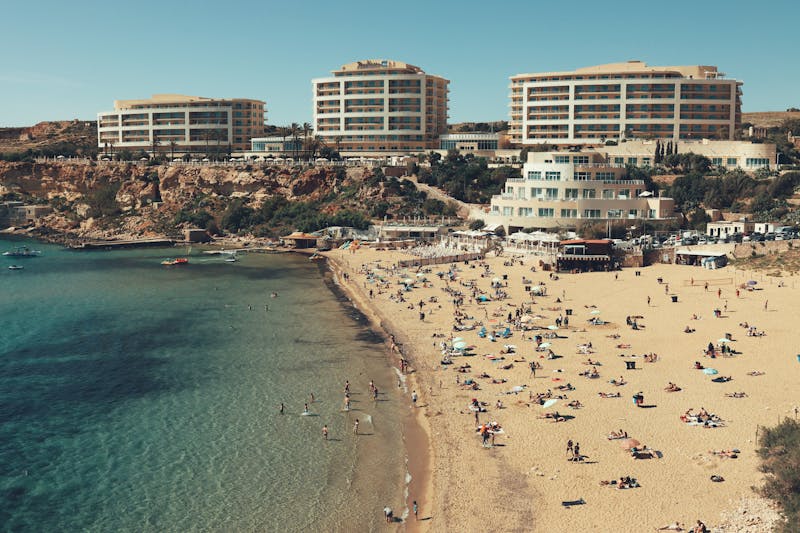
Golden Bay is Malta’s most photographed sandy beach — a wide crescent of soft amber sand on the northwest coast with Blue Flag certification, lifeguards from June through September, and the island’s best sunset views. Facilities include sunbed rental (around €10 for two beds and a parasol), beachside restaurants, and water sports operators offering jet skiing and parasailing.
The real draw is sunset. Golden Bay faces due west, and watching the sky shift from orange to deep pink over the Mediterranean is arguably the best free experience on the island. Maltese families bring portable barbecues and gather on summer evenings — arriving after 5 PM puts you in prime position for the show with thinner crowds.
Getting there: Bus routes 44 and 225 from Valletta and Sliema respectively. Free public parking, but it fills by 10 AM in summer.
Għajn Tuffieħa (Riviera Beach)
Għajn Tuffieħa is the quieter, more scenic alternative to neighbouring Golden Bay — same butterscotch-coloured sand, but access requires descending roughly 200 stone steps from the car park, which naturally thins the crowds. The beach is backed by clay slopes covered in wild Mediterranean vegetation, with the 17th-century Għajn Tuffieħa Tower standing guard at the southern headland.
This beach also carries Blue Flag certification. A small beach restaurant and sunbed rental are available, though it’s less developed than Golden Bay. The water is crystal clear and the snorkelling along the rocky edges is rewarding.
Getting there: Same bus routes as Golden Bay (44, 225). The steps are manageable for most adults but challenging with strollers or mobility issues.
Mellieħa Bay (Għadira Bay)
Mellieħa Bay is Malta’s longest sandy beach at roughly 800 metres, with notably shallow water that extends far from shore — making it the go-to beach for families with young children and less confident swimmers. The bay sits on the main road toward the Gozo ferry terminal, making it easy to combine with a day trip to Gozo.
Facilities are comprehensive: sunbed hire (around €18 for a parasol and two beds), multiple restaurants and snack bars, water sports including windsurfing, kitesurfing, and paddleboarding, public toilets, and lifeguards in summer. The Għadira Nature Reserve backs onto the beach — worth a detour for birdwatchers.
Getting there: Bus routes 41 and 42 from Valletta. Parking is scarce in peak summer. The beach is wheelchair accessible.
Which Malta Beaches Are Best for Families with Children?
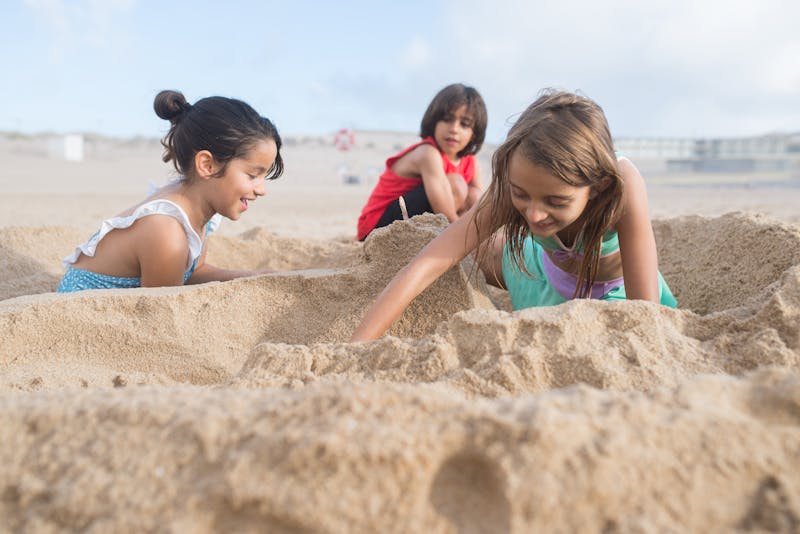
Mellieħa Bay, Golden Bay, and Paradise Bay are the three most family-friendly beaches in Malta, all featuring sandy shores, shallow water, on-site lifeguards during summer months, and nearby food options. For families with toddlers or young children, water depth and quality of facilities matter more than scenery — and these three deliver on both.
Paradise Bay
Paradise Bay is a small sandy cove at Malta’s northernmost point near Ċirkewwa, reached by a flight of stone steps and offering clean water, seasonal lifeguards, and stunning views across to Gozo and Comino. It’s less crowded than the larger bays due to its slightly remote position, yet it has sunbed rental and a bar.
Families often combine a morning at Paradise Bay with the afternoon Gozo ferry — the terminal is a five-minute drive away.
St George’s Bay, St Julian’s
St George’s Bay is Malta’s most accessible urban beach, sitting in the heart of St Julian’s with Blue Flag status, full facilities (sunbeds, restaurants, water sports, changing rooms, lifeguards), and zero bus ride required for anyone staying in the Sliema/St Julian’s hotel district. The sand is partly imported, but the water quality is certified.
The trade-off is peak-season crowds and the surrounding nightlife district. For families, mornings are best before the beach clubs ramp up their music.
What makes a beach family-friendly in Malta
The key markers for a family beach in Malta are Blue Flag certification (13 beaches across Malta and Gozo in 2025), lifeguards on duty (typically June through September at managed beaches), shallow and gradually sloping water entry, sunbed and parasol rental (budget €10–18 for a family setup), nearby food and drink options with public toilets, and bus accessibility so families carrying beach gear don’t need a 30-minute hike from the road.
Insider tip: Mellieħa Bay is the gold standard for families — the water stays knee-deep for 50+ metres from shore, making it the safest natural beach in Malta for toddlers and non-swimmers.
Where Are Malta’s Hidden Gem Beaches and Secret Coves?
Fomm ir-Riħ, Imġiebaħ Bay, and Gnejna Bay are among Malta’s best-kept beach secrets — quieter alternatives to the tourist-heavy northern shores, each requiring a short hike or drive down unpaved roads. These spots reward effort with dramatically fewer crowds and unspoiled Mediterranean beauty.
Fomm ir-Riħ
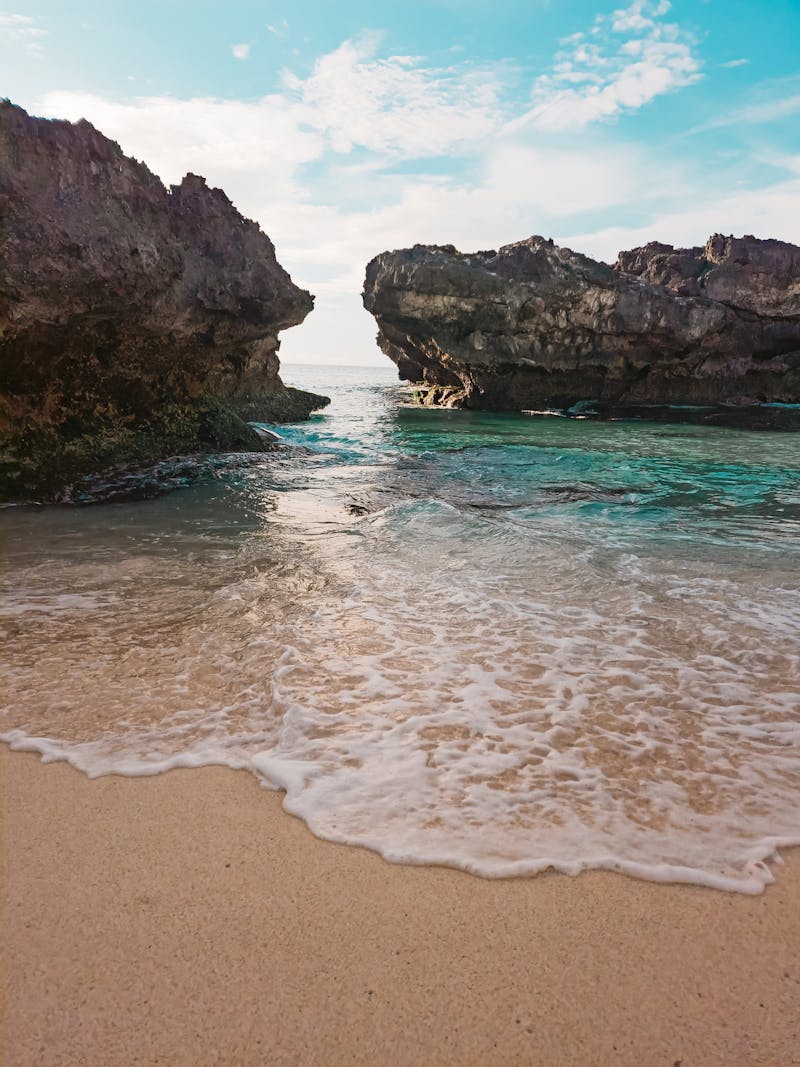
Fomm ir-Riħ (“mouth of the wind”) is Malta’s most remote beach — a steep 20-minute scramble down a rocky path from the village of Baħrija on the northwest coast, with zero facilities but near-total solitude even in July. The gin-clear water and magnificent coastal views make the effort worthwhile. Bring water, snacks, and proper shoes, or approach by boat.
Imġiebaħ Bay
Imġiebaħ Bay is a tiny sandy cove surrounded by unspoiled limestone cliffs, seeing a fraction of the foot traffic that nearby Golden Bay receives. Access is via a dirt track and a short walk. A dozen visitors can make it feel busy — which is precisely the appeal. No facilities, but the snorkelling along the rocky perimeter is excellent.
Gnejna Bay
Gnejna Bay sits just south of Għajn Tuffieħa with golden sand, clear water, and striking geological formations including sea caves accessible by kayak. It’s quieter than its famous neighbours because the road is narrow and parking limited. A small kiosk sells drinks and snacks. The beach feels authentically local — fewer tourists, more Maltese families who’ve been coming for generations.
Pro tip: For hidden beaches, you’ll want your own transport. Malta’s public transport system covers the main beaches well, but secluded coves typically require a car, scooter, or quad bike. Rental cars start from around €20–30 per day in summer.
What Are the Best Rocky Beaches and Natural Pools in Malta?
St Peter’s Pool near Marsaxlokk, Għar Lapsi on the south coast, and Sliema’s waterfront rock shelves are Malta’s top rocky swimming spots — each offering crystal-clear water and dramatic limestone settings that sandy beaches can’t match. Malta’s coastline is predominantly rocky, and locals have spent generations perfecting the art of sunbathing on flat limestone ledges.
St Peter’s Pool
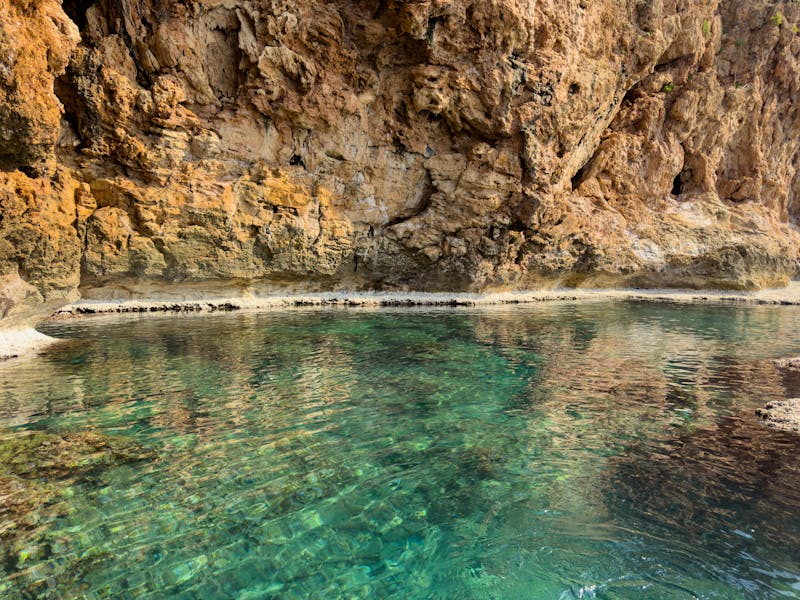
St Peter’s Pool is Malta’s most dramatic swimming spot — a natural limestone pool carved into the cliffs near Marsaxlokk on the southeast coast, famous for cliff-jumping into deep turquoise water from various heights. Flat rocks form natural sunbathing platforms. There are zero facilities: no toilets, food, or lifeguards. Bring everything you need, including plenty of water. Access requires a car and a 10-minute walk over rocky terrain.
Għar Lapsi
Għar Lapsi is a small rocky inlet on Malta’s south coast that functions as a natural seawater pool with calm, shallow water — unusual for a rocky beach and surprisingly suitable for families. A couple of restaurants perch above the waterline, and it’s a popular launch point for snorkelling and diving excursions. A car is recommended as bus access is limited.
Sliema and St Julian’s rocky waterfront
For anyone based in Sliema or St Julian’s who doesn’t want to travel, the promenade waterfront offers serviceable swimming off flat rock platforms with metal ladders for entry and exit. Fond Għadir has Blue Flag status, and cafés line the promenade above. It’s the most convenient swim available in Malta’s main expat and tourist district — even if it’s not scenic in the traditional beach sense. Keeping your seafront apartment spotless during peak salt-spray season is another matter — our guide on how on-demand cleaning works in Malta explains how to handle that.
Which Beaches Should You Visit on Gozo and Comino?
Ramla Bay on Gozo and the Blue Lagoon on Comino are two beaches that justify the ferry crossing on their own — Ramla for its unique orange-red sand and wild valley setting, and the Blue Lagoon for water so clear it looks digitally enhanced. Both are accessible as day trips from Malta’s main island.
Ramla Bay (Ramla l-Ħamra), Gozo
Ramla Bay is Gozo’s largest and most popular beach, distinguished by unusual red-gold sand caused by high iron content in the local clay. The beach sits at the foot of a fertile valley and is backed by relatively undeveloped countryside. Ramla holds Blue Flag status with sunbed rental and seasonal food stalls. The nearby Calypso Cave (referenced in Homer’s Odyssey, according to local tradition) offers panoramic views of the bay. Bus routes from Victoria (Rabat) serve the beach.
Blue Lagoon, Comino
The Blue Lagoon is Malta’s most iconic swimming spot — a shallow strait between Comino and the islet of Cominotto creating a natural pool of impossibly clear turquoise water. Most visitors experience it from sun loungers on tiered rock ledges rather than a traditional sandy beach.
The reality check: in peak summer (July–August), the Blue Lagoon is extremely crowded. Boat tours arrive from 9 AM, and by midday the rocks are packed. The best strategy is an early morning boat (aim for 8 AM departure) or a late afternoon visit after most tour groups depart. Off-season visits (May, June, September, October) are dramatically more pleasant. Return boat trips cost €10–25 depending on operator and departure point.
Other Gozo beaches worth the trip
San Blas Bay is a smaller, quieter alternative to Ramla with beautiful red sand reached by a steep path. Marsalforn Bay is Gozo’s main resort beach (Blue Flag certified) with full facilities and a lively promenade. Mġarr ix-Xini is a pebbled inlet with outstanding snorkelling and one of Malta’s most laid-back beachside restaurants.
What Should You Know Before a Malta Beach Day?
Malta beach days require more planning than many visitors expect — from sun protection for UV indices regularly hitting 9–11 in summer, to transport logistics for beaches without reliable bus service. These practical details make the difference between a perfect day and a frustrating one.
How do you get to Malta’s beaches?
| Beach | Bus from Valletta | Car parking | Difficulty |
|---|---|---|---|
| Golden Bay | Route 44 (~50 min) | Free, fills early | Easy — flat walk from car park |
| Għajn Tuffieħa | Route 44 (~50 min) | Free, near Golden Bay | Moderate — 200 steps down |
| Mellieħa Bay | Routes 41, 42 (~55 min) | Limited roadside | Easy — road-level access |
| Paradise Bay | Route 41 to Ċirkewwa | Small car park | Moderate — steps down |
| St Peter’s Pool | Not directly served | Informal roadside | Moderate — rocky path |
| Blue Lagoon | Boat only | N/A | Easy — step off the boat |
| Ramla Bay (Gozo) | Gozo bus from Victoria | Small car park | Easy — valley road access |
What should you pack for a Malta beach day?
Malta’s summer sun is fierce — UV indices regularly reach 9–11 between June and September. Pack SPF 50+ and reapply every two hours. Consider a rash guard for extended swimming. Other essentials: reef-safe sunscreen (protect the marine environment), water shoes for rocky beaches and sea urchin protection, a reusable water bottle, and cash for sunbed rental at beaches without card machines. If you’re combining beach days with a fitness routine, our guide to Malta’s best gyms covers facilities island-wide.
How much do sunbeds and parasols cost?
Sunbed rental across Malta’s managed beaches costs approximately €8–18 per setup (two beds plus parasol). Golden Bay, Mellieħa, and St George’s Bay all have rental operators. At hidden gem beaches like Fomm ir-Riħ, Imġiebaħ, and St Peter’s Pool, bring your own towel and shade — there is nothing to rent.
When Is the Best Time to Visit Malta’s Beaches?
The peak beach season runs from mid-May through October, with water temperatures ranging from 20°C in May to 27°C in August. June and September offer the ideal balance of warm water, strong sunshine, and manageable crowds — July and August deliver the hottest temperatures (regularly 35°C+) but also the heaviest tourist traffic.
| Month | Sea temp (°C) | Air temp (°C) | Crowd level | Best for |
|---|---|---|---|---|
| May | 19–21 | 23–28 | Low | Hiking + beach combos, fewer tourists |
| June | 22–24 | 27–32 | Medium | Best balance: warm water, thinner crowds |
| July | 25–27 | 30–35 | High | Peak swimming, festivals, nightlife |
| August | 26–28 | 30–36 | Very high | Warmest water, but very busy |
| September | 25–26 | 27–31 | Medium | Warm water, post-summer calm |
| October | 22–24 | 23–27 | Low | Quiet beaches, still swimmable |
What seasonal factors affect your beach experience?
Saharan dust events (il-qilla): Several times per year, red-orange dust from North Africa coats outdoor surfaces and turns the sky hazy. Beach days during il-qilla are not ruined — the water remains clean — but visibility drops and everything gets a fine dust coating. Check local weather forecasts before heading out.
Jellyfish season: Pelagia noctiluca (mauve stinger) jellyfish occasionally appear in Maltese waters, typically between July and September. The Environment and Resources Authority (ERA) monitors water quality. Purple flags at managed beaches indicate jellyfish presence.
Wind direction matters: Northwest-facing beaches (Golden Bay, Għajn Tuffieħa) get choppy during Gregale (northeast) and Maestrale (northwest) winds. When the Gregale blows, head to sheltered south-coast spots like Għar Lapsi or St Peter’s Pool. The Scirocco (southeast) brings humid, hazy conditions but typically leaves the northwest beaches calm.
After a summer beach day, salt air and Saharan dust don’t stay at the shore — they follow you home through open windows and on your clothes. If you’d rather not spend your evening scrubbing, a flexible cleaning schedule means you can have your place sorted regularly without committing to a fixed contract.
Curious what booking actually looks like? Here’s the full process — it takes under 60 seconds:
Join 22,700+ Rozie users across Malta. Download the app and book a verified cleaner in under 60 seconds — 710+ five-star reviews and 7-day payment protection on every booking.

Frequently Asked Questions About Malta Beaches
Are Malta’s beaches free to access?
All public beaches in Malta are free to access. You only pay if you want to rent sunbeds and parasols (typically €8–18 per setup). A few hotel-operated beach clubs charge entry fees, but the public beach adjacent is always free.
Can you swim in Malta in winter?
Yes — sea temperatures hover around 15–17°C from December through March. Many locals and expats swim year-round, particularly off the rocky platforms in Sliema. It’s bracing rather than comfortable, but perfectly possible without a wetsuit if you’re acclimatised.
Which Malta beach has the clearest water?
The Blue Lagoon on Comino consistently has the clearest water in the Maltese archipelago — visibility regularly exceeds 30 metres. On Malta’s main island, St Peter’s Pool and Għar Lapsi rival it. Sandy beaches have slightly less clarity due to sand particles, though Golden Bay and Għajn Tuffieħa still offer excellent visibility by Mediterranean standards.
Is Malta good for snorkelling?
Malta is considered one of Europe’s best snorkelling and diving destinations, with visibility averaging 20–30 metres. The rocky coastline creates diverse underwater landscapes with caves, arches, and drop-offs. Best spots: Wied il-Għasri (Gozo), Blue Lagoon, Għar Lapsi, St Peter’s Pool, and Mġarr ix-Xini (Gozo).
How do I get to Comino’s Blue Lagoon?
Take a boat from Ċirkewwa (near the Gozo ferry terminal), Buġibba, or Sliema. Return trips cost €10–25 depending on the operator and departure point. Most boats run hourly in peak season. Book an early morning departure (around 8 AM) to arrive before the main crowd.
What apps do I need for a beach day in Malta?
Tallinja is essential for public bus routes and real-time tracking. Google Maps works well for driving to remote beaches. For getting your home beach-day-ready afterward, Rozie lets you book a verified cleaner to handle post-beach sand and salt residue. Check weather and sea conditions via the Malta Met Office site before heading out.
Are there any dangerous sea creatures in Malta?
Malta’s waters are very safe. The main concerns are occasional jellyfish (mauve stingers, typically July–September — look for purple warning flags) and sea urchins on rocky surfaces (water shoes prevent this). There are no sharks of concern to swimmers. The occasional weever fish buries in sandy shallows — shuffling your feet when entering the water prevents stepping directly on one.
Explore more: Browse our full collection of Malta lifestyle and cleaning guides — from cleaning costs in Malta to choosing the right cleaning service.