



Finding an apartment in Malta takes 2-4 weeks if you search from the island, longer if you rely only on online listings from abroad. Expect to pay €1,100-€1,600 per month for a furnished one-bedroom in central areas like Sliema or St Julian’s, with €2,500-€4,500 needed upfront for deposit, first month’s rent, and contract registration. The three things that trip up every newcomer: unregistered contracts that leave you with zero legal protection, the Form H electricity tariff trap that can triple your utility bill, and Facebook scam listings with stolen photos and too-good-to-be-true prices.
This guide walks you through the entire process chronologically, from pre-arrival research to your first 48 hours with keys in hand. No agency is paying for placement here. Every platform, price, and warning comes from the reality of Malta’s rental market in 2026.
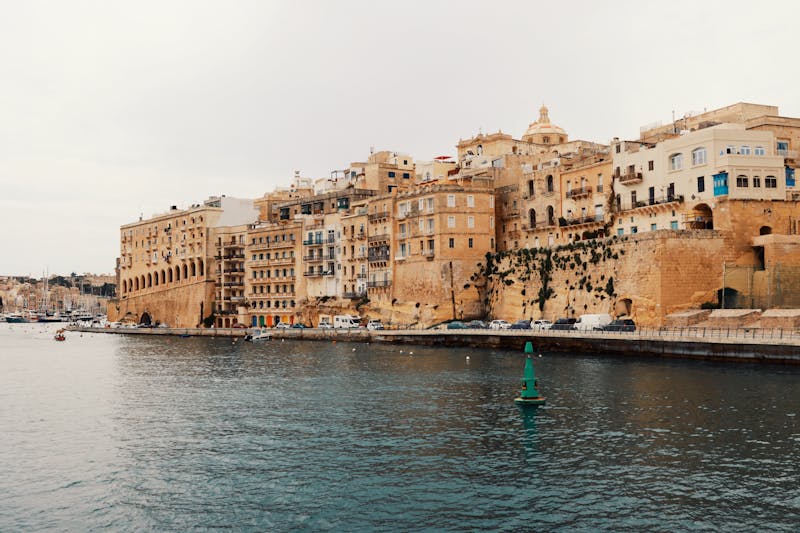
What does renting in Malta actually cost in 2026?
A furnished one-bedroom apartment in central Malta (Sliema, St Julian’s, Valletta) costs €1,100-€1,600 per month in 2026. Suburban areas like Birkirkara, Mosta, and Msida run €750-€1,050 for the same. Upfront, you’ll need one to two months’ deposit, your first month’s rent, and roughly €80 for mandatory contract registration.
Here’s what the market looks like across apartment types and locations:
Studios in central areas: €900-€1,200 per month. These are typically compact, 30-45 sqm, and usually include a combined living/sleeping area. Fine for a single professional, tight for couples.
One-bedroom apartments in central areas (Sliema, St Julian’s, Valletta): €1,100-€1,600 per month. The sweet spot for most expats. Furnished, usually with AC in at least one room, and within walking distance of restaurants and seafront.
One-bedroom apartments in suburban areas (Birkirkara, Mosta, Msida): €750-€1,050 per month. Noticeably larger for less money. You trade walkability for space and quiet, and you’ll likely need a car or reliable bus route.
Two-bedroom apartments in central areas: €1,400-€2,200 per month. Suitable for couples, small families, or flatshares. Parking becomes a real issue at this price tier because you’re competing with everyone else for street spaces in Sliema and St Julian’s.
Two-bedroom apartments in suburban areas: €1,000-€1,500 per month. Best value on the island if you don’t mind a commute. Mosta and Attard in particular offer modern builds with garages.
Rent growth has slowed in 2026 to roughly 3-6% year-on-year, down from the double-digit increases that defined 2021-2024. A surge in building permits (up 110% in Q3 2025) has added supply, especially in the Northern Harbour area. That said, quality furnished one-beds in walkable central locations remain competitive, so don’t expect bargaining power on well-priced listings.
Which neighborhoods should you actually consider?
Where you live in Malta matters more than in most countries, because the island is small enough that a “wrong” neighborhood means daily frustration with commutes, noise, or isolation. Your workplace and lifestyle should dictate the shortlist, not Instagram aesthetics.
Sliema and St Julian’s are where most expats land first, and for good reason. The seafront promenade, restaurants, supermarkets, and nightlife are all walkable. The iGaming corridor runs through here, so if you work in that industry, living nearby cuts your commute to minutes. The downside: it’s the most expensive area on the island, parking is a daily battle, and construction noise is relentless. Expect to hear jackhammering from 7am on weekdays.
Gzira is the budget-conscious alternative to Sliema, sitting just across the harbour. Rents run 15-25% cheaper for apartments that are a 10-minute walk from Sliema’s seafront. It has fewer restaurants and less character, but the value is hard to argue with if your priority is location without the premium.
Msida is the university town, home to the University of Malta and close to Mater Dei Hospital. Bus connections are solid, and it’s a natural fit for students and healthcare workers. The area feels transient, with high tenant turnover and less community feel than residential towns.
Birkirkara, Mosta, and Attard offer the best space-for-money ratio. You’ll find two-bedroom apartments with garages for the price of a studio in Sliema. These towns have a more local, residential feel with traditional parish churches, village squares, and weekly markets. You’ll need a car or a good bus route, and nightlife means driving to St Julian’s.
Valletta is stunning but niche. The capital’s UNESCO-listed streets house converted palazzi and heritage apartments with high ceilings, original tilework, and sea views. Apartments are compact by modern standards, parking is extremely limited (most residents use the park-and-ride), and the heritage premium adds 10-20% to comparable rents elsewhere. If you love architecture and atmosphere and don’t need a car, it’s unbeatable.
St Paul’s Bay and Bugibba are budget-friendly, with one-beds starting around €700. The catch: these are heavy tourist areas with a seasonal feel, remote from Sliema, Valletta, and most business districts. Commutes to central Malta run 40-60 minutes by bus. Best for remote workers who prioritize affordability.
Gozo cuts your rent roughly in half. A furnished one-bedroom runs €500-€700 in Victoria or Marsalforn. The trade-off is the ferry commute (25 minutes crossing plus travel to/from terminals) and reduced infrastructure: fewer restaurants, shops, and services. For fully remote workers who want quiet, space, and countryside, it’s genuinely appealing.
A practical rule: if you work in iGaming or fintech along the Sliema-St Julian’s corridor, live within bus distance. If you work remotely, look south or at Gozo for 30-40% savings on rent.
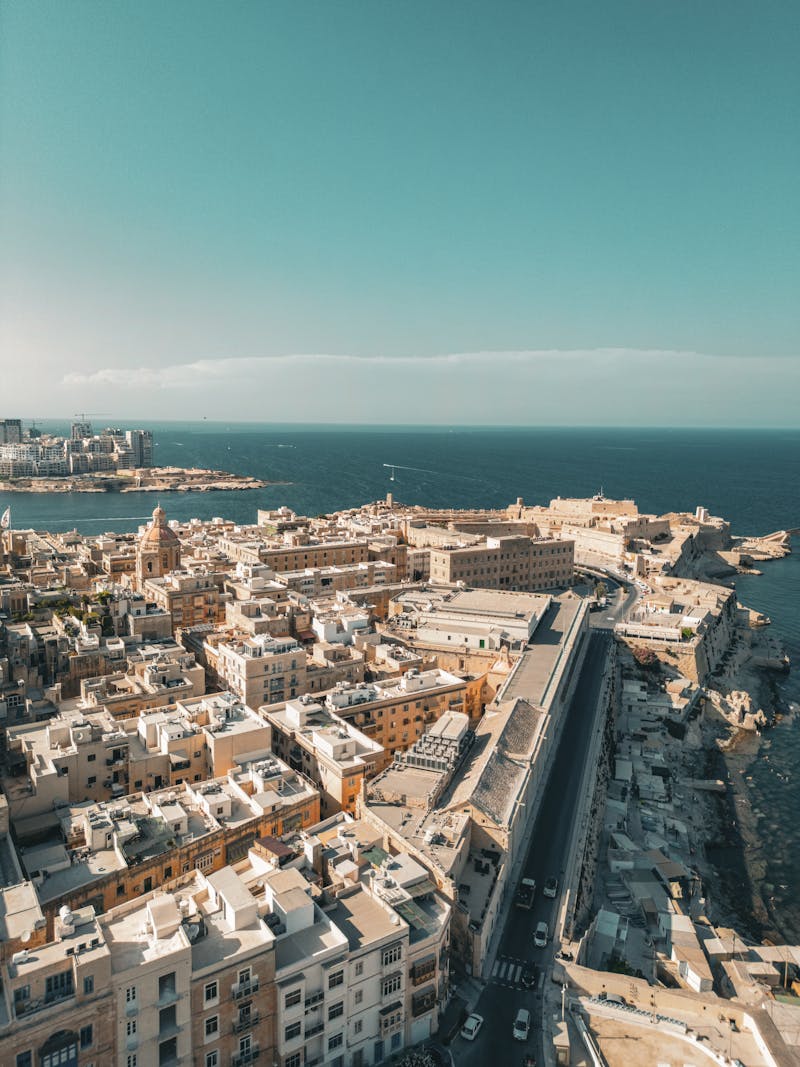
How do the neighborhoods compare at a glance?
| Area | 1-Bed Price Range | Vibe | Best For | Transport | Parking |
|---|---|---|---|---|---|
| Sliema / St Julian’s | €1,100-€1,600 | Busy, social, cosmopolitan | iGaming workers, social expats | Excellent bus routes | Very difficult |
| Gzira | €900-€1,250 | Practical, quieter | Budget-conscious central living | Good bus connections | Difficult |
| Msida | €800-€1,100 | Transient, student-heavy | University staff, hospital workers | Bus hub | Moderate |
| Birkirkara / Mosta / Attard | €750-€1,050 | Residential, local | Families, remote workers, drivers | Bus available, car preferred | Easy (garages common) |
| Valletta | €1,100-€1,500 | Historic, compact, cultural | Architecture lovers, car-free living | Bus terminus, ferry | Very limited |
| St Paul’s Bay / Bugibba | €700-€950 | Touristy, seasonal | Budget seekers, remote workers | Limited buses | Easy |
| Gozo | €500-€700 | Rural, quiet, slow-paced | Remote workers, retirees | Ferry + local buses | Easy |
Where should you search for apartments in Malta?
Malta’s rental market runs on a mix of online platforms, traditional agencies, and Facebook Groups. No single channel has everything, so plan to use at least two or three simultaneously. Here’s what actually works.
MaltaPark is Malta’s equivalent of Craigslist. It has the biggest selection and the wildest quality range. You’ll find everything from luxury penthouses to questionable basement flats. Listings are free to post, which means scam listings are common. Always cross-reference photos with a reverse image search before contacting anyone. It’s free to browse.
Quicklets is the most active professional agency. Their portfolio is large, their website is well-organized, and they respond quickly. Expect an agency fee of roughly 50% of one month’s rent, paid by the tenant. Worth it if you value a curated search and want someone to handle paperwork.
Frank Salt Real Estate is the old-guard agency, established and reputable. Their listings skew higher-end and are popular with families and corporate relocations. Good if your employer is covering the agency fee.
Dhalia Real Estate covers a broad range, from modest apartments to luxury properties. They have offices across the island and a long track record.
MyRent (myrent.mt) is a newer platform with verified listings and neighbourhood guides. Smaller inventory than MaltaPark, but higher average quality and less noise.
Property Market (propertymarket.com.mt) aggregates 20,000+ listings from multiple agencies. Useful for comparing options across the island in one place.
Facebook Groups remain the fastest way to find apartments in Malta, especially short-notice or off-market listings. The key groups are “Expats Malta,” “Apartments/Flats for Rent in Malta,” and area-specific groups. Listings posted here often appear before they hit agency websites. The risk: Facebook has the highest concentration of scams. Before responding to any listing, check the poster’s profile age (new profiles are red flags), reverse-image-search the photos, and never send money before viewing in person.
One thing to clarify upfront with any agent: who pays the agency fee. In Malta, it’s typically the tenant who pays 50% of one month’s rent. Some landlords cover it. Ask before you start viewing to avoid surprises.
WhatsApp is the communication channel in Malta. Agents, landlords, and even the Housing Authority all communicate via WhatsApp. If an agent only responds by email, they’re likely managing hundreds of listings and you’re not a priority.

What are the 5 scams every newcomer falls for?
Malta’s rental scam landscape is specific and predictable. These five account for the vast majority of money lost by newcomers. Learn the patterns and you’ll spot them immediately.
1. “I’m abroad, send deposit to secure it.” The listing looks perfect. You message the “landlord,” who says they’re travelling and can’t do a viewing, but you can secure the apartment by wiring a deposit. The apartment either doesn’t exist or belongs to someone else. Rule: never pay anything before viewing in person and verifying the landlord’s identity.
2. Too-good-to-be-true pricing. A seafront two-bedroom in Sliema for €800 per month is not a bargain; it’s a fake listing designed to collect deposits. Compare any listing against the price ranges in this guide. If it’s 30% below market, it’s almost certainly a scam.
3. Pressure tactics. “Five people are viewing today, you need to decide now.” Legitimate landlords may have demand, but no honest agent will pressure you into signing or paying on the spot. Walk away from anyone who creates artificial urgency.
4. “No contract needed, let’s keep it informal.” Since the Private Residential Leases Act of 2020, all rental contracts in Malta must be registered with the Housing Authority. An unregistered agreement gives you zero legal protection: no dispute resolution, no regulated deposit return, no enforceable notice period. It’s also illegal, with fines of €2,500-€10,000 for non-compliance.
5. Copied photos at lower prices. Scammers take photos from legitimate agency listings and repost them on MaltaPark or Facebook at a lower price. Always do a reverse image search on the listing photos. If the same apartment appears on Quicklets at €1,200 and on Facebook at €800, the Facebook listing is fake.
A legitimate rental process follows this sequence: view the apartment in person, negotiate terms, sign a registered contract, pay deposit and first month’s rent, receive keys. Anything that skips or reorders these steps is a warning sign.
What must a Malta rental contract include?
Malta’s Private Residential Leases Act (enacted 2020, amended 2024) requires all rental contracts to be registered with the Housing Authority within 10 days of signing. An unregistered contract is legally void, meaning neither party can enforce its terms. Registration costs roughly €80, usually paid by the tenant, through the rentregistration.mt portal.
Your contract must include a written inventory list of everything in the apartment: appliances, furniture, fixtures, and their condition. If no inventory is provided, the contract is void under the Act. Cross-check the inventory in person on move-in day and photograph everything.
On deposits: the standard is one month’s rent, sometimes two for higher-end properties. The landlord must return your deposit within a reasonable period after the lease ends, typically around 30 days, minus any documented damages beyond normal wear.
Termination rules protect both sides. Landlords must give three months’ notice to end a lease. Tenants give one to three months’ notice depending on the contract length. If neither party gives notice before the lease expires, the contract automatically renews for 12 months on the same terms.
The single most important clause to verify is the ARMS electricity tariff. Malta uses progressive tiered electricity pricing, and the rate you pay depends on whether the landlord has filed Form H (Declaration of Number of Persons) with ARMS (the water and electricity authority). If Form H hasn’t been filed, you’ll be billed at the higher domestic or commercial rate instead of the residential rate. On heavy consumption months, especially summer when AC runs constantly, the wrong tariff can triple your electricity bill. This is the number-one hidden cost expats miss. Demand proof that Form H has been filed before signing.
Fines for landlords who fail to register contracts range from €2,500 to €10,000. If your landlord refuses to register, you have the legal right to register the contract yourself through the Housing Authority portal.
What should you check during an apartment viewing?
A 15-minute inspection during a viewing can save you months of frustration and hundreds in unexpected costs. Malta has specific issues that don’t appear in generic apartment checklists, so bring this list with you.
Water pressure: Test every tap in the apartment. Malta’s tap water is among the hardest in Europe (200-600 PPM), and limescale destroys pipes, reduces flow, and clogs shower heads within weeks. Low pressure in one tap often means corroded pipes throughout.
Air conditioning: Count the AC units and note which rooms have them. Malta is uncomfortably hot from May through October, and you will need AC. If the bedroom has no unit, factor in the cost of installing one (€500-€800) or keep looking.
Mold: Check behind furniture, bathroom ceilings, window frames, and the corners of north-facing rooms. Malta’s humidity runs 60-95% year-round, and poorly ventilated apartments develop mold quickly. Bathrooms without windows are particularly problematic. If you see active mold, ask what the landlord plans to do about it before signing anything.
Window seals and shutters: Mediterranean sun fades furniture and heats rooms fast. Functional shutters are essential. Check that they open, close, and lock properly. Broken seals also let in construction dust, which is constant across the island.
Appliances: Open the fridge, run the washing machine through a cycle if possible, and check the oven. Every appliance should appear on the inventory list. If something is broken, get it fixed before signing or get written confirmation it will be replaced.
Parking: Ask whether the apartment comes with a garage or parking permit. Street parking in Sliema and St Julian’s is a genuine daily stressor. If you have a car and the apartment has no dedicated parking, factor in the time and frustration.
Coin meter vs. ARMS smart meter: Some landlords install prepaid coin meters that charge 2-3 times the standard residential electricity rate. If you see a coin meter, demand a switch to a standard ARMS meter. You have the legal right to request this on new leases.
Phone signal: Check your mobile carrier’s signal inside the apartment. Malta’s traditional limestone walls are thick and block signal effectively. If you work from home and rely on mobile calls, this matters.
Noise and construction: Malta had a 110% surge in building permits in Q3 2025. Ask about nearby building sites. Jackhammering starts at 7am and construction dust settles on everything. A site next door can make an otherwise perfect apartment miserable for 12-18 months.
Internet: Before signing, check whether Melita, GO, or Epic fibre covers the apartment’s address. Most of Malta has fibre coverage, but older buildings in certain areas may only get ADSL, which won’t support video calls reliably.
What should you do in the first 48 hours after getting keys?
The first two days in a new Malta apartment set the tone for your entire tenancy. Handle these steps before you unpack and you’ll avoid the most common disputes and surprises.
Photograph everything. Walls, floors, appliances, furniture, bathroom fixtures, balcony condition. Take timestamped photos and send them to your landlord in writing (email or WhatsApp) on day one. This is your evidence if there’s a deposit dispute later. Cross-reference every item against the inventory list.
Set up your ARMS account. Confirm with your landlord that your water and electricity are registered in your name, or that Form H has been filed to ensure you’re on the residential tariff. If Form H hasn’t been filed, do it yourself through the ARMS portal. This single step can save you hundreds per year on electricity.
Book internet installation. GO, Melita, and Epic all offer fibre packages at €30-€50 per month. Book your installation 1-2 weeks before move-in if possible, because wait times can stretch to a week or more.
Book a deep clean before unpacking. Malta apartments accumulate limestone dust, construction residue, and hard water stains between tenants. The previous tenant’s cleaning is rarely thorough, and limescale buildup in kitchens and bathrooms is almost guaranteed. A professional deep clean covering kitchen cabinets, bathroom limescale, oven, and balcony before you move furniture in saves hours and starts you fresh. Rozie.app handles this in a few taps with verified cleaners, transparent pricing, and 7-day payment protection.
Get a Tallinja card. Malta’s public transport is free for residents. Apply through the Tallinja app or at a sales point and you’ll have free bus access across the island.
Check safety basics. Test smoke detectors if present, check gas connections to the stove, and locate the main water shutoff valve. Malta doesn’t mandate smoke detectors in residential units, but having one is worth the €10 investment.

What does renting in Malta actually cost per month beyond rent?
Rent is only part of your monthly housing cost. For a one-bedroom apartment in Malta, expect €200-€350 per month in additional expenses on top of rent. Here’s the breakdown.
Utilities (water and electricity): €80-€150 per month for a one-bedroom. This spikes significantly in summer when AC runs for 4-5 months. Make sure you’re on the residential ARMS tariff (Form H filed) or this number gets much worse.
Internet: €30-€50 per month for fibre from GO, Melita, or Epic. Speeds are generally good across the island, with 100-500 Mbps packages standard.
Contents insurance: Optional but recommended, especially for furnished apartments. Costs around €10-€20 per month and covers theft, water damage, and liability.
Regular cleaning: €40-€60 per session. Every one to two weeks is standard for working professionals in Malta, especially given the dust and limescale that accumulate quickly. For a full guide on cleaning costs in Malta, see our detailed breakdown.
Maintenance buffer: Budget €50 per month for the unexpected. Limescale-clogged shower heads, mold treatment, broken shutters, and appliance repairs add up. Malta’s hard water means you’ll replace kettle elements and descale appliances more often than you’d expect.
For a complete picture of monthly expenses beyond housing, our cost of living guide for Malta in 2026 covers groceries, transport, dining, and more.
When is the best time to search for an apartment in Malta?
August and September are peak season for Malta’s rental market. New iGaming hires, tech workers, and university students all arrive after summer, and competition for central apartments is intense. Expect less negotiating power and faster turnaround on good listings during these months.
January through March is the quieter window. Fewer newcomers are arriving, landlords are more willing to negotiate, and the same apartment can rent for 10-15% less than it would in September. If you have flexibility on your start date, timing your search for early in the year gives you a material advantage.
Regardless of timing, start browsing platforms and Facebook Groups 3-4 weeks before you need to move. Most landlords want tenants who can start within two weeks, so searching too far in advance wastes time on listings that won’t hold.
Frequently asked questions about renting in Malta
Can I rent an apartment in Malta without a job contract?
Yes. There’s no legal requirement to show an employment contract to rent in Malta. Most private landlords care about your ability to pay, not your employment status. Some agencies may ask for proof of income or a bank statement. Freelancers and remote workers rent in Malta routinely.
How long does it take to find an apartment in Malta?
Two to four weeks if you’re searching from the island and actively viewing apartments. Searching purely online from abroad takes longer because landlords prefer tenants who can view in person. Budget your first two weeks in short-term accommodation (Airbnb or a hostel) while you search.
Is it cheaper to rent furnished or unfurnished in Malta?
Most apartments in Malta rent furnished, and the furnished market is far larger. Unfurnished apartments are 10-20% cheaper but rare. Unless you’re planning a long stay (2+ years) and want to invest in your own furniture, furnished is the practical choice.
Can I negotiate rent in Malta?
Yes, especially from January to March when demand is lower. Offering to sign a longer lease (18-24 months instead of 12), paying multiple months upfront, or taking the apartment “as is” without requesting repairs can all support a lower price. In peak season (August-September), landlords have less reason to negotiate.
What happens if my landlord won’t register the contract?
You can register it yourself through rentregistration.mt. An unregistered contract is legally void under the Private Residential Leases Act, which means neither party can enforce it. If your landlord actively refuses registration, that’s a serious red flag. The Housing Authority can fine non-compliant landlords €2,500-€10,000.
Should I use a real estate agent or search myself?
Both. Agents like Quicklets and Frank Salt curate listings and handle paperwork, but their inventory represents only a fraction of the market. Facebook Groups and MaltaPark have listings that never reach agencies. Use an agent for convenience and a self-directed search for breadth. The agency fee (typically 50% of one month’s rent) buys you curation, not exclusivity.
Is renting in Gozo worth the ferry commute?
For fully remote workers, yes. Rents in Gozo are roughly half of central Malta, the pace of life is slower, and the countryside is beautiful. The ferry crossing takes 25 minutes, but factoring in travel to and from terminals, a one-way commute to Sliema is 90-120 minutes. It works if you don’t need to commute daily.
What is Form H and why does it matter?
Form H is the Declaration of Number of Persons filed with ARMS (Malta’s water and electricity authority). It determines which electricity tariff applies to your apartment. Without it, you default to a higher domestic or commercial rate. Malta uses progressive tiered pricing, so the difference compounds with heavy usage, especially in summer. Demand proof it’s been filed before you sign the lease.
Can my landlord enter my apartment without permission?
No. Under Maltese law, a tenant has the right to quiet enjoyment of the property. The landlord must provide reasonable notice (typically 24 hours) and get your consent before entering, except in genuine emergencies like a water leak or fire.
Your apartment is found. Now make it feel like home.
Once you’ve signed the contract, registered it, and picked up the keys, the hardest part is over. The next step most people take is a move-in deep clean: limestone dust in cabinets, limescale in bathrooms, and construction residue on balconies are standard in Malta apartments between tenants. Rozie.app connects you with verified, background-checked cleaners in a few taps, with transparent pricing before you book and 7-day payment protection after. It’s a practical first step before the boxes come in.
For more tools to help you settle in, from transport apps to grocery delivery, check our guide to the best apps for living in Malta in 2026.