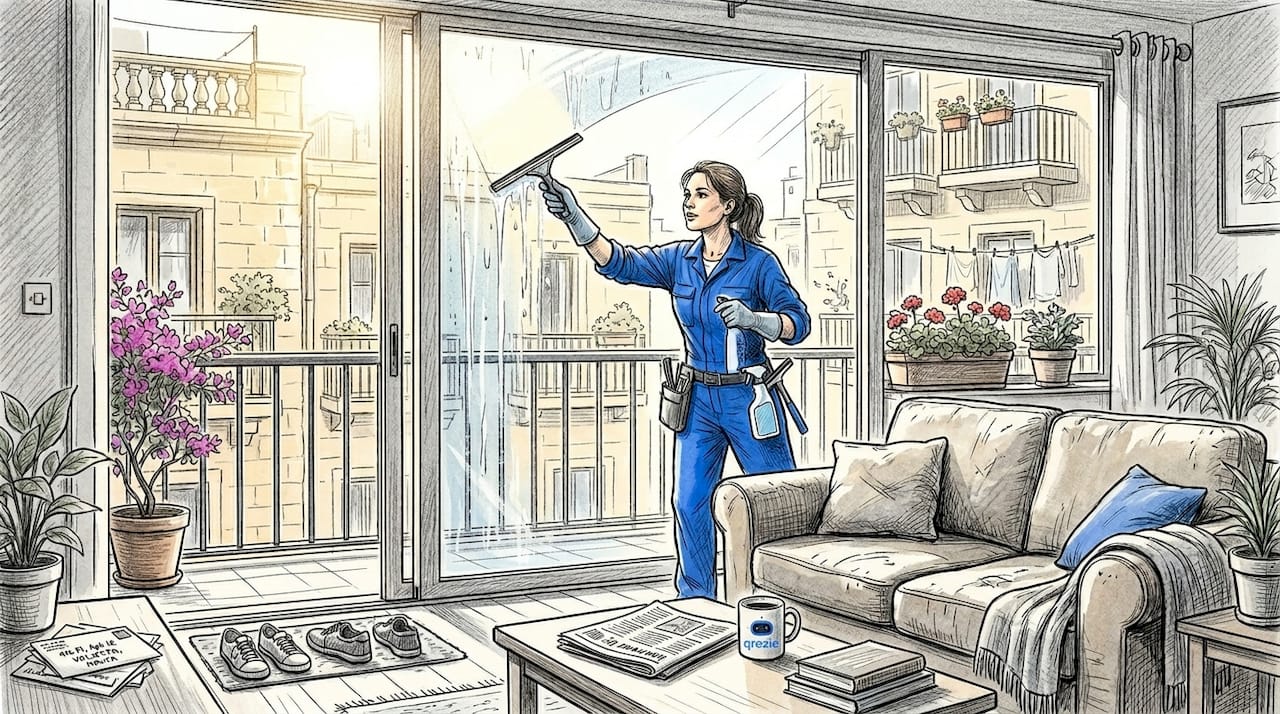


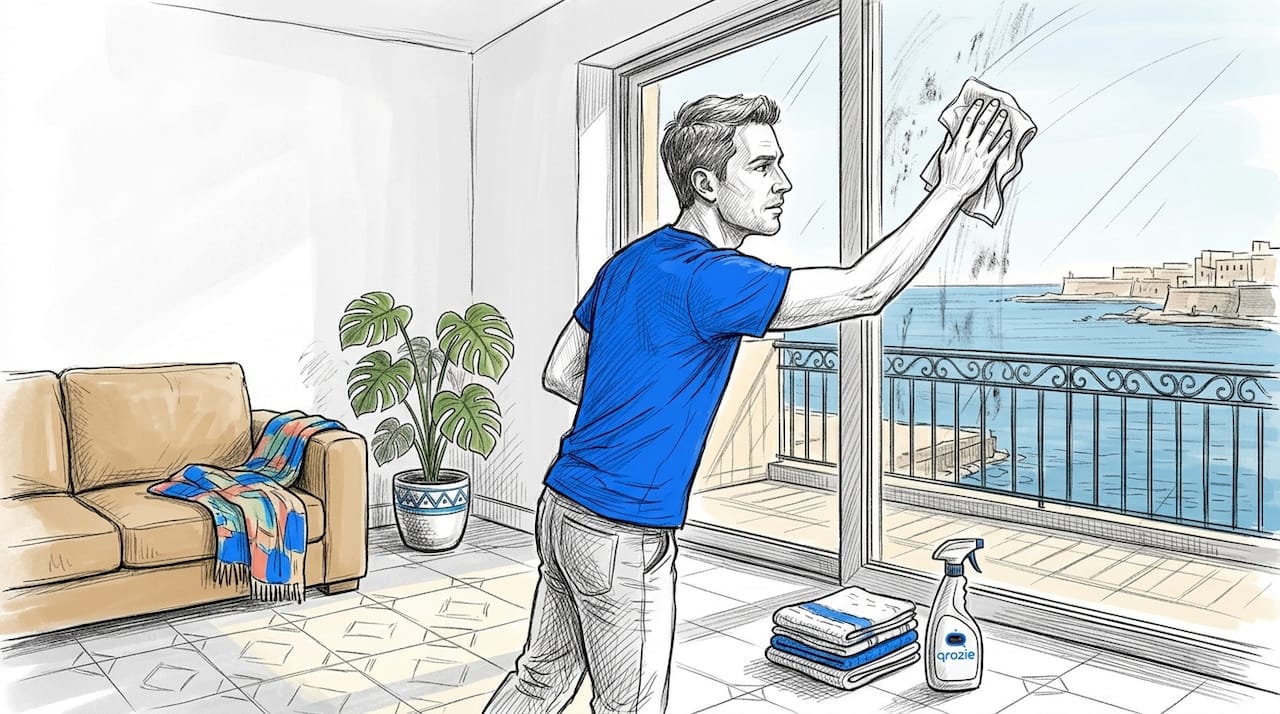
Booking inside window cleaning in Malta takes under 60 seconds on marketplace apps like Rozie — pick a date, add “window insides” as an extra to your cleaning session, see the price upfront, and confirm. Coastal apartments in Sliema, St Julian’s, and Bugibba need interior glass cleaned every 3–4 weeks due to salt spray and Saharan dust infiltration, while inland homes in Mosta or Birkirkara can stretch to 6–8 weeks. Whether you handle it yourself or book a verified cleaner, this guide covers the practical steps, costs, and Malta-specific challenges that affect every window in the country.
Table of Contents
- Why do inside windows in Malta get dirty so fast?
- What tools and supplies do you need for inside window cleaning?
- How do you clean inside windows yourself — step by step?
- How do you book professional inside window cleaning in Malta?
- Is DIY or professional inside window cleaning better value?
- What mistakes should you avoid when cleaning inside windows?
- Frequently Asked Questions About Inside Window Cleaning in Malta
Why do inside windows in Malta get dirty so fast?
Malta’s coastal climate creates a triple assault on interior glass: airborne salt deposits from the Mediterranean, periodic Saharan dust events (locally called il-qilla), and year-round humidity between 60–95% that traps particles against surfaces. These aren’t just cosmetic issues — salt residue etches glass over time if left uncleaned, and dust films reduce natural light by up to 20% in heavily affected apartments.
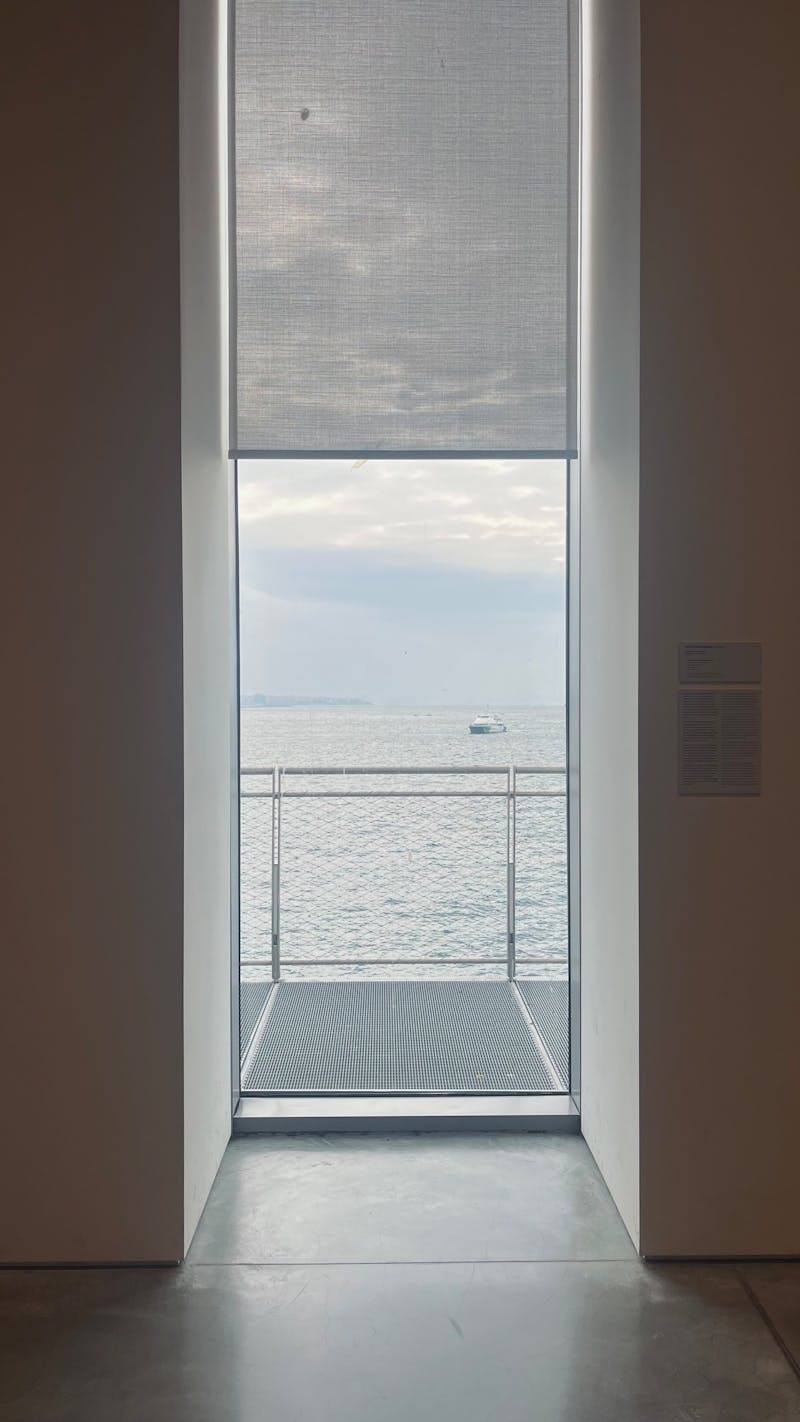
Coastal properties in Sliema, St Julian’s, Bugibba, and Marsaskala take the worst of it. Salt-laden sea air enters through open windows and balcony doors, leaving a sticky film on interior glass that standard dusting won’t remove. Even with windows closed, the fine saline mist works through seals and ventilation. Apartments above the fourth floor in seafront blocks are especially exposed — wind carries salt particles higher and with more force.
Inland, the problem shifts. Towns like Mosta, Birkirkara, and Rabat deal less with salt but more with construction dust — Malta’s ongoing building activity generates fine limestone and cement particles that settle on every surface. The Water Services Corporation confirms Malta’s tap water averages 200–350 PPM calcium carbonate, which means even the water you use to clean windows can leave mineral deposits if not dried properly.
Saharan dust events happen several times per year, typically between March and June. Red-orange dust coats outdoor surfaces and infiltrates interiors through any gap. After an il-qilla event, you’ll notice a gritty film on windowsills and glass that requires wet cleaning — dry wiping just scratches the surface.
Book Inside Window Cleaning on Rozie →
What tools and supplies do you need for inside window cleaning?
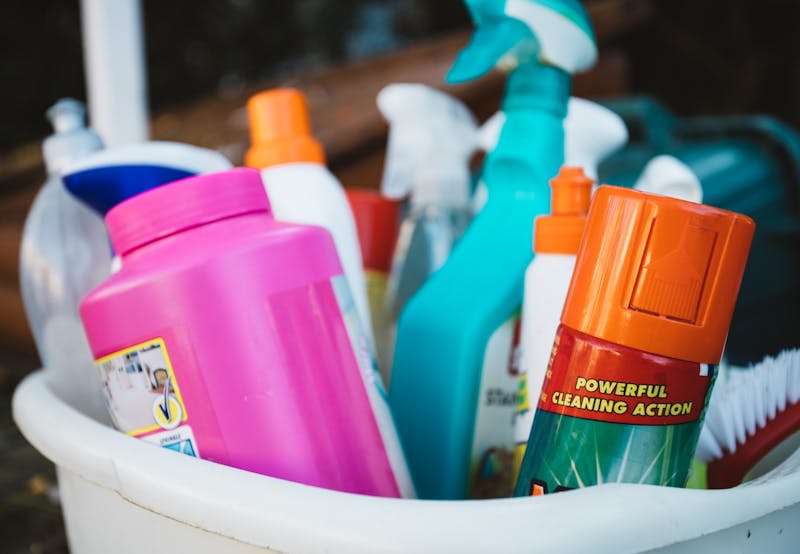
A professional-grade squeegee, two microfiber cloths (one for washing, one for polishing), a bucket with warm water and a few drops of pH-neutral dish soap, and a vacuum with a brush attachment for frames and tracks. That’s the complete kit — anything more is unnecessary for interior glass.
| Tool / Supply | Purpose | Malta-Specific Note |
|---|---|---|
| Professional squeegee (rubber blade) | Streak-free water removal | Replace blade every 3–4 months — salt corrodes rubber faster here |
| Microfiber cloths (x2) | Scrubbing and final polish | Use lint-free to avoid fibres sticking to humid glass |
| Warm water + pH-neutral dish soap | Cleaning solution | Cuts through salt film without leaving residue |
| Vacuum with brush attachment | Frames, tracks, sills | Essential after il-qilla events — gritty dust scratches if wiped dry |
| White vinegar (diluted) | Limescale removal on glass | Safe on glass — but NEVER use on limestone sills or frames |
| pH-neutral frame cleaner | Aluminium, uPVC, powder-coated frames | Harsh chemicals strip protective coatings common on Maltese windows |
Where to buy in Malta: PAVI and Smart Supermarket stock Homemate-brand microfiber cloths and squeegees at reasonable prices. For limescale-specific products, HG and Viakal are widely available in both chains. Avoid generic supermarket glass cleaners — they often contain ammonia, which leaves a hazy residue on glass in Malta’s humid conditions.
Key takeaway: Malta’s hard water (200–350 PPM calcium carbonate) means tap water dries into white mineral spots on glass. Always finish with a dry microfiber polish, or use filtered/distilled water for the final rinse if you’re cleaning large panes.
How do you clean inside windows yourself — step by step?
The complete process takes 15–25 minutes per window when done properly. Timing matters — clean in early morning or late afternoon to avoid direct sunlight, which dries the solution too quickly and causes streaks that are harder to remove than the original grime.
- Vacuum frames, tracks, and sills first. This is non-negotiable in Malta. Saharan dust and salt crystals in the tracks turn into muddy streaks the moment you add water. Spend 30 seconds per window with the brush attachment.
- Protect the floor below. Lay a towel under the window. Cleaning solution dripping onto limestone or tile floors can leave marks, especially if the solution contains vinegar.
- Mix your cleaning solution. Warm water (not hot) with 2–3 drops of pH-neutral dish soap. For limescale-affected glass, add a splash of white vinegar — but keep this away from any limestone surfaces.
- Scrub the glass with a damp microfiber cloth. Use circular motions, applying moderate pressure on areas with visible salt or dust buildup. Work from top to bottom.
- Squeegee from top corner downward. Overlap each vertical stroke by 2–3 cm. Wipe the blade with a dry cloth after every pass — this is the step most people skip, and it’s why they get streaks.
- Polish remaining moisture with a clean, dry microfiber cloth. Gentle circular motions. Check from multiple angles — streaks are invisible when viewed straight on but obvious from the side.
- Clean frames and sills last. Use a separate cloth with pH-neutral cleaner. Never use acidic products on powder-coated aluminium or limestone window surrounds.
Rather skip the DIY? A verified cleaner on Rozie handles all seven steps in 10–15 minutes per window — including the track vacuuming and frame cleaning that most people skip. Add “inside windows” as an extra during booking, and the price updates before you confirm.
How do you book professional inside window cleaning in Malta?
On Rozie, inside window cleaning is available as an add-on extra to any cleaning session. You select “window insides” during booking, see the updated price before confirming, and your assigned cleaner arrives with the skills and supplies to handle Malta’s specific glass challenges — salt film, limescale spots, and post-il-qilla dust.
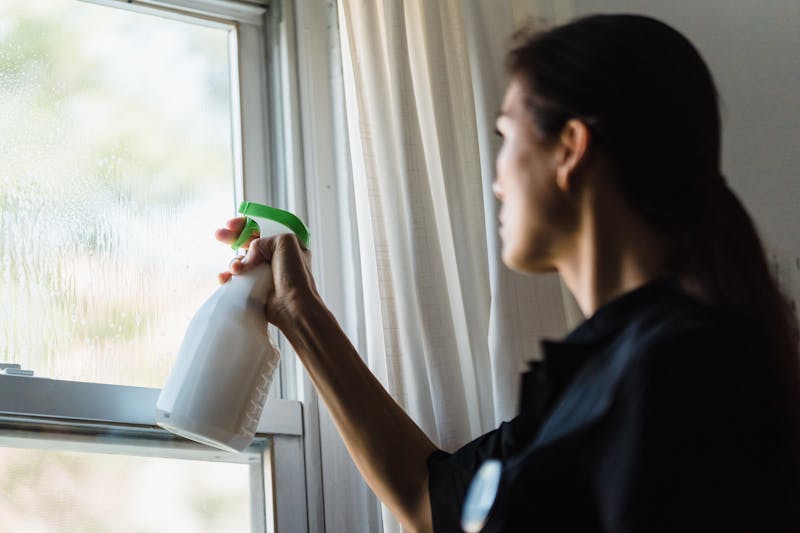
The booking process works in four steps:
- Download the Rozie app from the App Store or Google Play — it takes 30 seconds.
- Select your service and extras. Choose general or deep cleaning as the base, then add “inside windows” (and any other extras like fridge, oven, or balcony windows).
- Pick your date and time. Flexible scheduling means you can book during work hours, evenings, or weekends — whatever fits your routine.
- Select your cleaner and confirm. Browse available cleaners, check their ratings and reviews, see the final price, and confirm. Payment is secure, and you’re covered by 7-day payment protection.
Every cleaner on Rozie is verified and background-checked before they can accept bookings. You can communicate details through in-app chat — for example, letting them know about hard-to-reach windows, specific limescale problem areas, or whether you prefer they use your cleaning products or bring their own.
Finding a reliable cleaner in Malta the traditional way means scrolling through Facebook groups, making phone calls, chasing quotes, and hoping the person who shows up actually does a good job. Most busy professionals don’t have time for that — and it’s exactly the problem Rozie was built to solve. No calls, no chasing. You pick a date, select your extras (like inside windows), see the final price upfront, and get matched with a verified, background-checked cleaner. Here’s the full booking process in under 60 seconds:
Try Rozie Free — See Prices Instantly →
Is DIY or professional inside window cleaning better value?
DIY costs €5–15 in supplies and 2–4 hours of your time for a typical 2-bedroom apartment. Professional cleaning through a marketplace app adds inside windows as an extra on top of your regular cleaning session, saving your weekend for Golden Bay or Comino instead of streak-chasing with a squeegee.
| Factor | DIY Cleaning | Professional via Rozie |
|---|---|---|
| Upfront cost | €5–15 in supplies | Add-on extra — price shown before booking |
| Your time investment | 2–4 hours (average 2-bed apartment) | Zero — cleaner handles it during your session |
| Equipment needed | Squeegee, cloths, bucket, vacuum | Cleaner brings everything |
| Result consistency | Variable — depends on technique | Consistent — verified cleaners with experience |
| Hard-to-reach windows | Risky without proper tools | Handled safely by experienced cleaners |
| Bundling extras | Not applicable | Add fridge, oven, balcony windows in same session |
| Payment protection | None | 7-day payment protection via Rozie |
The real value calculation isn’t just about the direct cost — it’s about what your time is worth. If that schedule looks ambitious for your lifestyle, you’re not alone. Most Rozie users tell us they’d rather spend their Saturday at Għajn Tuffieħa than wrestling with a squeegee above a fourth-floor balcony. On marketplace apps like Rozie, you select inside windows during booking and the total price updates before you confirm, so there are no hidden costs or surprise charges.
For the best value, bundle window cleaning with other extras. Many Rozie users combine a fridge clean and inside windows onto their regular cleaning session — one visit, one booking, multiple tasks handled without adding another chore to your to-do list. For a full breakdown of cleaning costs across Malta, see the complete cleaning cost guide.
What mistakes should you avoid when cleaning inside windows?
The most common mistake in Malta is using acidic cleaners near globigerina limestone window surrounds. White vinegar is safe on glass but will etch and permanently damage Malta’s signature porous limestone — which frames most windows in older buildings across Valletta, Mdina, and the Three Cities. Always use pH-neutral cleaners on frames and sills.
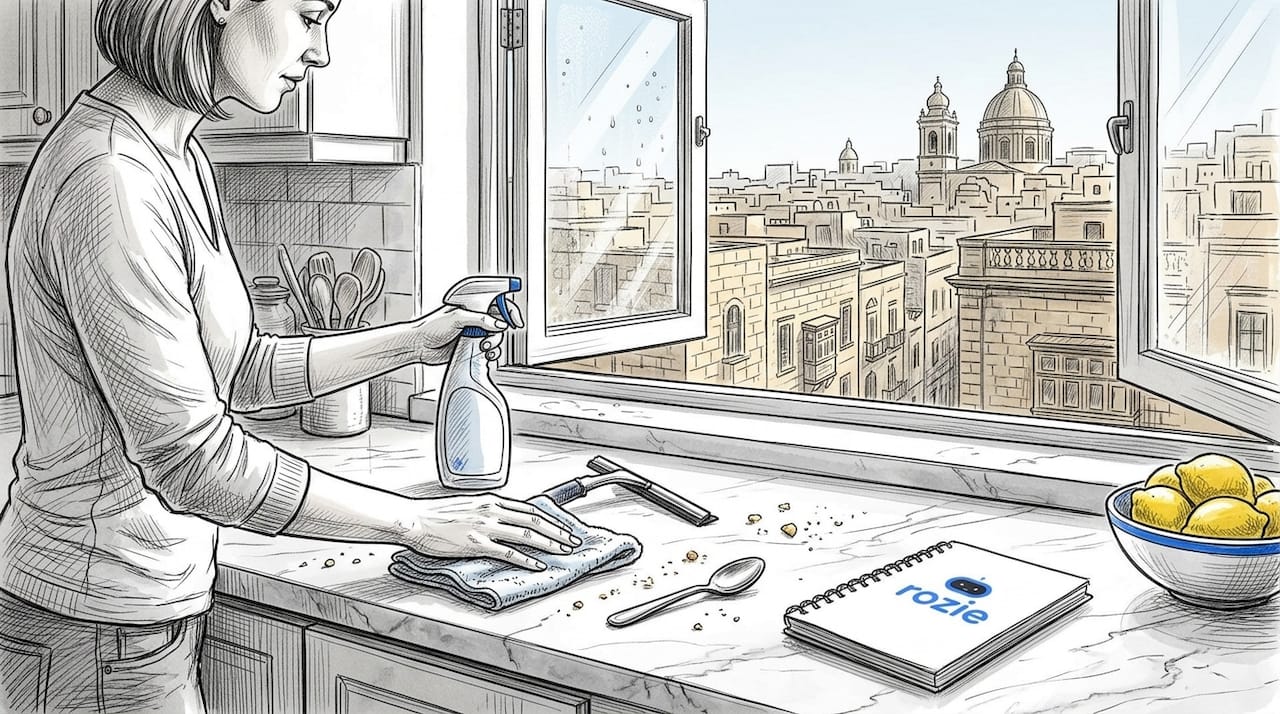
Mistake 1: Cleaning in direct sunlight. Malta’s sun is intense even in spring. Cleaning solution evaporates before you can squeegee it off, bonding dirt to the glass in streaks that are harder to remove than the original grime. Clean early morning or late afternoon — or on one of the rare overcast days.
Mistake 2: Skipping the vacuum step. Saharan dust and salt crystals are abrasive. Wiping them with a wet cloth grinds particles across the glass, creating micro-scratches that trap future dirt. Always vacuum frames, tracks, and sills dry before any wet cleaning.
Mistake 3: Using paper towels or newspaper. Both leave lint and ink residue on glass. Microfiber cloths are the only material that delivers a truly lint-free finish — and they’re reusable, making them cheaper long-term than disposable alternatives.
Mistake 4: Ignoring window tracks. Grit in the tracks scratches glass every time you open or close the window. Regular vacuuming of tracks prevents permanent damage and keeps the sliding mechanism smooth. In coastal areas, salt and limescale buildup in tracks can also corrode aluminium frames if left unchecked.
Mistake 5: Using the same cloth for washing and drying. A damp cloth used for polishing transfers moisture and dissolved minerals back onto the glass, creating the exact streaks you’re trying to eliminate. Always use two separate microfiber cloths.
Maintenance tips for longer-lasting clean windows
Quick weekly wipe-downs between deep cleans prevent grime from bonding to glass. Keep a spray bottle with diluted dish soap and a microfiber cloth near your most-used windows — 30 seconds of spot-cleaning fingerprints and splashes saves hours of intensive scrubbing later. Check weather seals annually for cracks that allow dust infiltration, and address condensation promptly to prevent mould growth on window frames.
Rozie users often bundle inside windows onto their regular cleaning session — keeping glass spotless without adding another task to the weekly routine. For affordable cleaning options across Malta, adding extras like inside windows to an existing session is more cost-effective than booking a separate specialist visit.
Not enough hours in the day? That’s the #1 reason 22,700+ people across Malta use Rozie. Verified cleaners, transparent pricing, 7-day payment protection — and you get your weekends back. No calls, no chasing, no guesswork.
Download Rozie — Book in 60 Seconds →

For more Malta cleaning guides, tips, and practical advice, browse the full Rozie cleaning blog. And if you’re looking for a complete guide to finding reliable cleaners in Malta, we’ve covered that too.
Frequently Asked Questions About Inside Window Cleaning in Malta
How often should you clean inside windows in Malta?
Coastal apartments in Sliema, St Julian’s, Bugibba, and Marsaskala need interior glass cleaned every 3–4 weeks due to constant salt spray and higher humidity. Inland homes in Mosta, Birkirkara, or Rabat can stretch intervals to 6–8 weeks. After a Saharan dust event (il-qilla), clean all windows regardless of your usual schedule — the gritty particles scratch glass if left to accumulate.
Can you book inside window cleaning as a standalone service on Rozie?
Inside window cleaning is available as an add-on extra when you book a cleaning session through Rozie. Select “window insides” during booking, and the price adjusts before you confirm. You can also add balcony windows and terrace windows as separate extras if needed.
Is vinegar safe to use on all windows in Malta?
White vinegar diluted with water is safe on glass and effective against limescale spots. However, never use vinegar or any acidic cleaner on globigerina limestone window surrounds, sills, or frames — limestone is pH-sensitive and acid etches the surface permanently. For stone elements, always use a pH-neutral cleaner. Products like Lithofin or HG are available at PAVI and Smart Supermarket.
What is the best time of day to clean inside windows?
Early morning or late afternoon, when direct sunlight is not hitting the glass. Malta’s intense sun causes cleaning solution to dry before you can squeegee it, leaving stubborn streaks. Overcast days are ideal but rare — if you’re cleaning during summer, start before 9am or after 5pm.
How does Malta’s hard water affect window cleaning?
Malta’s tap water contains 200–350 PPM calcium carbonate, making it among the hardest in Europe. When water dries on glass, it leaves white mineral deposits (limescale spots) that require specific treatment to remove. Always finish with a dry microfiber polish to prevent spotting, or use filtered water for the final rinse on large windows.
What should you do after a Saharan dust event?
After an il-qilla event, vacuum all window frames, tracks, and sills before any wet cleaning. The Saharan dust particles are abrasive — wiping them directly with a damp cloth grinds them into the glass, causing micro-scratches. Once vacuumed, clean the glass with warm water and pH-neutral soap as normal.
Can you bundle inside windows with other cleaning extras on Rozie?
Yes — Rozie lets you add multiple extras to any cleaning session: inside windows, balcony windows, terrace windows, fridge, oven, and kitchen cabinets. Bundling is more time-efficient and usually more cost-effective than booking separate specialist visits. The total price for all selected extras shows before you confirm the booking.
Recommended
- How to Choose a Cleaning Service in Malta (2026 Guide)
- Top 4 Airbnb Host Cleaning Services in Malta 2026 | Rozie – Malta’s Best Cleaning Services
- Deep Cleaning Price Malta 2026: Full Cost Breakdown | Rozie – Malta’s Best Cleaning Services
- Affordable Cleaning Services Malta: 2026 Guide | Rozie – Malta’s Best Cleaning Services