

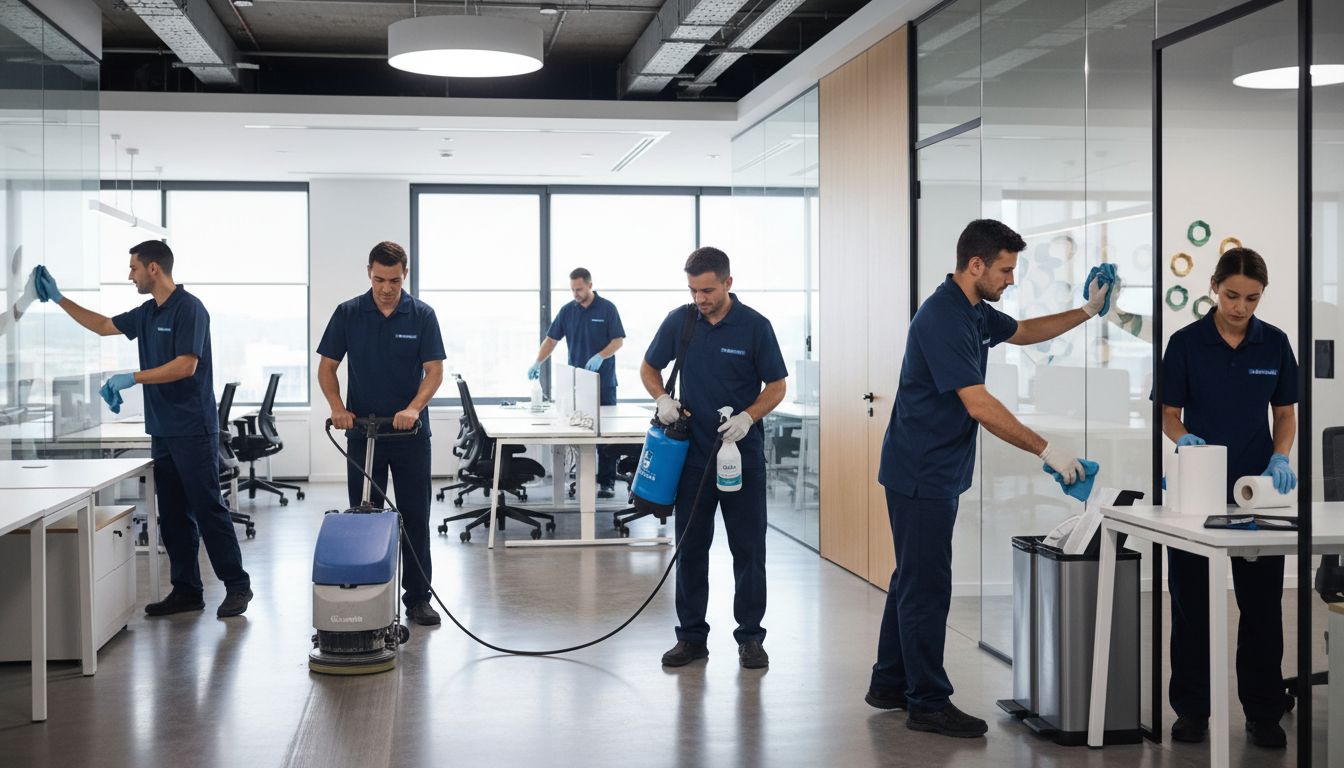
Keeping any space clean is more demanding than many realize. Studies show that well-maintained environments can reduce illness by up to 80 percent in workplaces and public areas. This makes professional cleaning teams critical for more than just appearance. Effective cleaning teams play a vital role by ensuring sanitation, safety, and reliable standards whether in homes, offices, or industrial settings. Understanding what sets professional cleaning teams apart can help you make smarter choices for health and peace of mind.
Table of Contents
- Definition And Core Functions Of Cleaning Teams
- Types Of Cleaning Teams And Services Offered
- How Cleaning Teams Operate In Malta
- Key Responsibilities And Professional Standards
- Legal, Safety, And Verification Requirements
- Benefits Of Using Verified Cleaning Teams
Key Takeaways
| Point | Details |
|---|---|
| Core Functions of Cleaning Teams | Cleaning teams ensure cleanliness, hygiene, and organization across various environments, contributing significantly to health and productivity. |
| Types of Cleaning Services | Specialized cleaning teams cater to residential, commercial, and industrial needs, each with distinct tasks and expertise. |
| Operational Standards | Professional cleaning teams in Malta follow structured processes, including client consultations and adherence to safety protocols, ensuring tailored and effective services. |
| Benefits of Verified Cleaning Teams | Utilizing verified cleaning teams enhances service quality, compliance with regulations, and safety standards, providing peace of mind to clients. |
Definition and Core Functions of Cleaning Teams
Cleaning teams are professional groups responsible for maintaining cleanliness and hygiene in various environments. Cleaning professionals work systematically to ensure spaces remain sanitary, organized, and presentable. According to Wikipedia, these teams perform critical tasks such as cleaning floors, restocking bathrooms, and washing windows across different settings.
In professional contexts, cleaning teams play a multifaceted role beyond basic tidying. Facility management research highlights their importance in supporting organizational infrastructure and goals. Their responsibilities extend far beyond simple cleaning – they are essential contributors to maintaining functional, healthy environments.
The core functions of cleaning teams typically include:
- Thorough surface cleaning and disinfection
- Waste management and disposal
- Floor maintenance (sweeping, mopping, vacuuming)
- Restroom and kitchen area sanitization
- Organizing and restocking supplies
- Maintaining cleaning equipment and inventory
Effective cleaning teams understand that their work is not just about appearance, but about creating safe, hygienic spaces that support health and productivity. Whether working in offices, homes, healthcare facilities, or hospitality environments, these professionals bring specialized skills and systematic approaches to maintaining cleanliness standards.
For more insights into professional cleaning practices, check out our guide on understanding cleaning best practices.
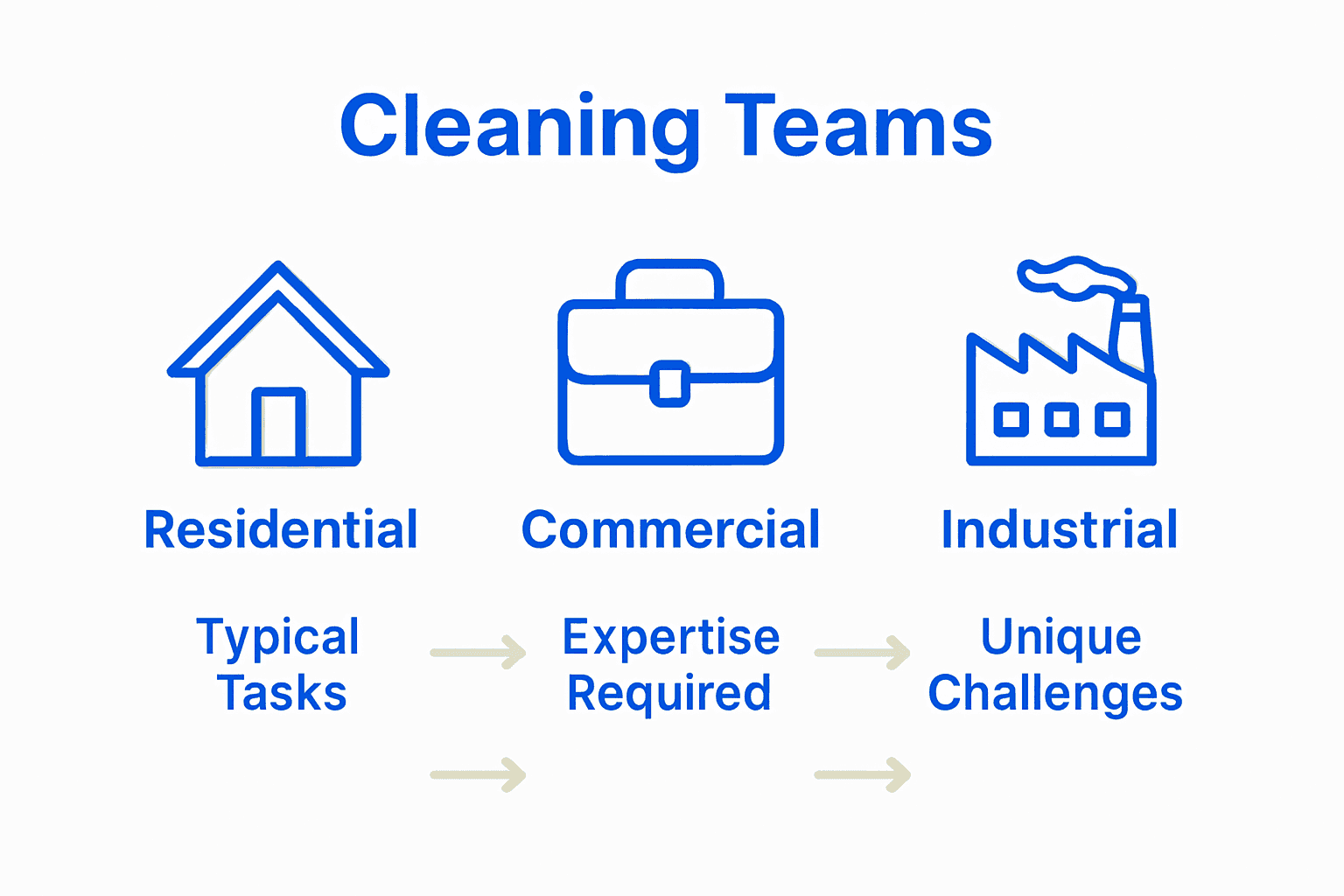
Types of Cleaning Teams and Services Offered
Cleaning teams are diverse, offering specialized services tailored to different environments and needs. Wikipedia highlights that cleaning services encompass various contexts, each requiring unique methods and expertise. These specialized teams are designed to address specific cleaning challenges across residential, commercial, and industrial settings.
In residential contexts, housekeeping teams focus on maintaining home cleanliness. According to Wikipedia, their tasks include disposing of rubbish, cleaning surfaces, and vacuuming to create safe and hygienic living spaces. These teams typically provide services such as:
- Regular home cleaning
- Deep cleaning services
- Post-renovation cleanup
- Move-in/move-out cleaning
- Window and carpet cleaning
Commercial cleaning teams operate in different professional environments, each with distinct requirements. Their specialized services include:
- Office cleaning
- Corporate facility maintenance
- Healthcare facility sanitization
- Educational institution cleaning
- Hospitality and hotel cleaning services
- Retail space maintenance
Industrial cleaning teams handle more complex and technical cleaning challenges, such as:

- Factory and warehouse cleaning
- Manufacturing facility sanitization
- Clean room maintenance
- Industrial equipment cleaning
- Hazardous waste management
For a comprehensive overview of cleaning services available in Malta, explore our guide on types of cleaning services.
How Cleaning Teams Operate in Malta
Professional cleaning teams in Malta have developed a sophisticated approach to meeting the unique cleaning needs of residential, commercial, and industrial clients. The local cleaning industry has evolved to provide comprehensive, tailored solutions that address the specific challenges of Malta’s diverse environments.
Most cleaning teams in Malta operate through a structured process that begins with an initial consultation and assessment. This crucial first step allows them to:
- Understand the specific cleaning requirements
- Evaluate the space and identify unique challenges
- Develop a customized cleaning strategy
- Provide accurate pricing and service recommendations
The operational model for cleaning teams in Malta typically involves several key stages:
- Client consultation and needs assessment
- Detailed service proposal
- Team assignment based on specialized skills
- Scheduled cleaning services
- Quality control and follow-up
Technology and professional standards play a significant role in how cleaning teams function in Malta. Modern teams utilize advanced cleaning equipment, eco-friendly cleaning products, and digital platforms to streamline their services. Professional teams invest in continuous training, ensuring their staff are up-to-date with the latest cleaning techniques and safety protocols.
For those looking to find reliable cleaning professionals in Malta, our guide to finding the right cleaning service offers comprehensive insights into selecting the best cleaning team for your specific needs.
Key Responsibilities and Professional Standards
Professional cleaning teams operate with a comprehensive set of responsibilities that go far beyond simple surface cleaning. DMZ Web highlights that cleansing team members are responsible for critical tasks like sweeping, litter picking, and mopping to ensure areas remain clean and safe.
The core responsibilities of cleaning professionals encompass multiple dimensions of maintenance and hygiene. According to ASU Mag, team cleaning involves routine, detail-oriented, and project-based work structured around maintaining high cleanliness standards. Their key responsibilities typically include:
- Thorough surface sanitization
- Waste management and disposal
- Floor maintenance and treatment
- Equipment and supply inventory management
- Adherence to safety and health protocols
- Documentation of cleaning processes
Professional standards in cleaning teams are rigorous and multi-layered. These standards require continuous training, certification, and commitment to excellence. Teams must demonstrate:
- Technical cleaning expertise
- Knowledge of specialized cleaning techniques
- Understanding of different surface and material requirements
- Proficiency with advanced cleaning technologies
- Strong interpersonal and communication skills
The hallmark of a truly professional cleaning team is their ability to adapt to diverse environments while maintaining consistent quality.
This requires ongoing education, investment in modern equipment, and a systematic approach to cleaning that prioritizes both aesthetic and health-related outcomes.
Want to understand more about what professional cleaners do? Our guide on understanding what maids do provides deeper insights into the intricate world of professional cleaning services.
Legal, Safety, and Verification Requirements
Professional cleaning services operate within a complex framework of legal and safety regulations designed to protect both workers and clients. Urban emphasizes that cleaning professionals must adhere to strict safety protocols, including proper use of equipment and chemicals to ensure a safe working environment.
Facility management research highlights the critical role of cleaning teams in maintaining health and safety compliance. The verification and legal requirements for cleaning teams typically encompass several key areas:
- Background checks for all personnel
- Professional liability insurance
- Compliance with occupational safety regulations
- Proper chemical handling certifications
- Regular health and safety training
- Equipment maintenance and safety standards
The verification process for professional cleaning teams involves multiple layers of scrutiny:
- Professional credentials verification
- Criminal background checks
- Skills and competency assessments
- Regular performance evaluations
- Ongoing safety and professional development training
Legal requirements extend beyond simple background checks. Cleaning teams must navigate complex regulations related to:
- Worker protection laws
- Environmental safety standards
- Chemical and waste disposal regulations
- Privacy and confidentiality agreements
- Insurance and liability coverage
For those seeking additional insights into finding trusted cleaning professionals, our guide to finding the right cleaning service provides comprehensive information about verifying and selecting reliable cleaning teams.
Benefits of Using Verified Cleaning Teams
Verified cleaning teams provide far more than standard cleaning services. ASU Mag highlights that utilizing verified cleaning teams ensures consistent quality, efficient supervision, and rigorous adherence to safety standards, significantly enhancing overall facility maintenance.
The primary benefits of working with verified cleaning professionals include:
- Guaranteed professional competence
- Comprehensive background checks
- Standardized cleaning protocols
- Advanced training and skill certification
- Reliable and consistent service quality
- Enhanced safety and risk management
According to Facility management research, professional cleaning teams contribute critically to effective organizational environments. These verified teams offer comprehensive advantages that go beyond basic cleaning:
- Professional accountability
- Consistent performance standards
- Advanced cleaning technologies
- Regulatory compliance
- Reduced liability risks
Verified cleaning teams represent a strategic investment in maintaining clean, safe, and professionally managed spaces. Their rigorous screening, ongoing training, and commitment to excellence ensure that clients receive top-tier services with minimal potential for errors or safety issues.
Want to learn more about selecting the right cleaning service? Our guide on essential cleaning service questions provides valuable insights for making informed decisions.
Experience Professional Cleaning Teams Made Easy with Rozie.app
Understanding the vital role that cleaning teams play in creating safe and healthy environments can also reveal how challenging it is to find trustworthy and verified cleaners who meet those high professional standards. The detailed responsibilities and safety regulations discussed highlight how important it is to work with cleaning teams that are not only skilled but also fully verified for your peace of mind. Whether you need ongoing home upkeep or specialized commercial cleaning, making the right choice can be overwhelming.
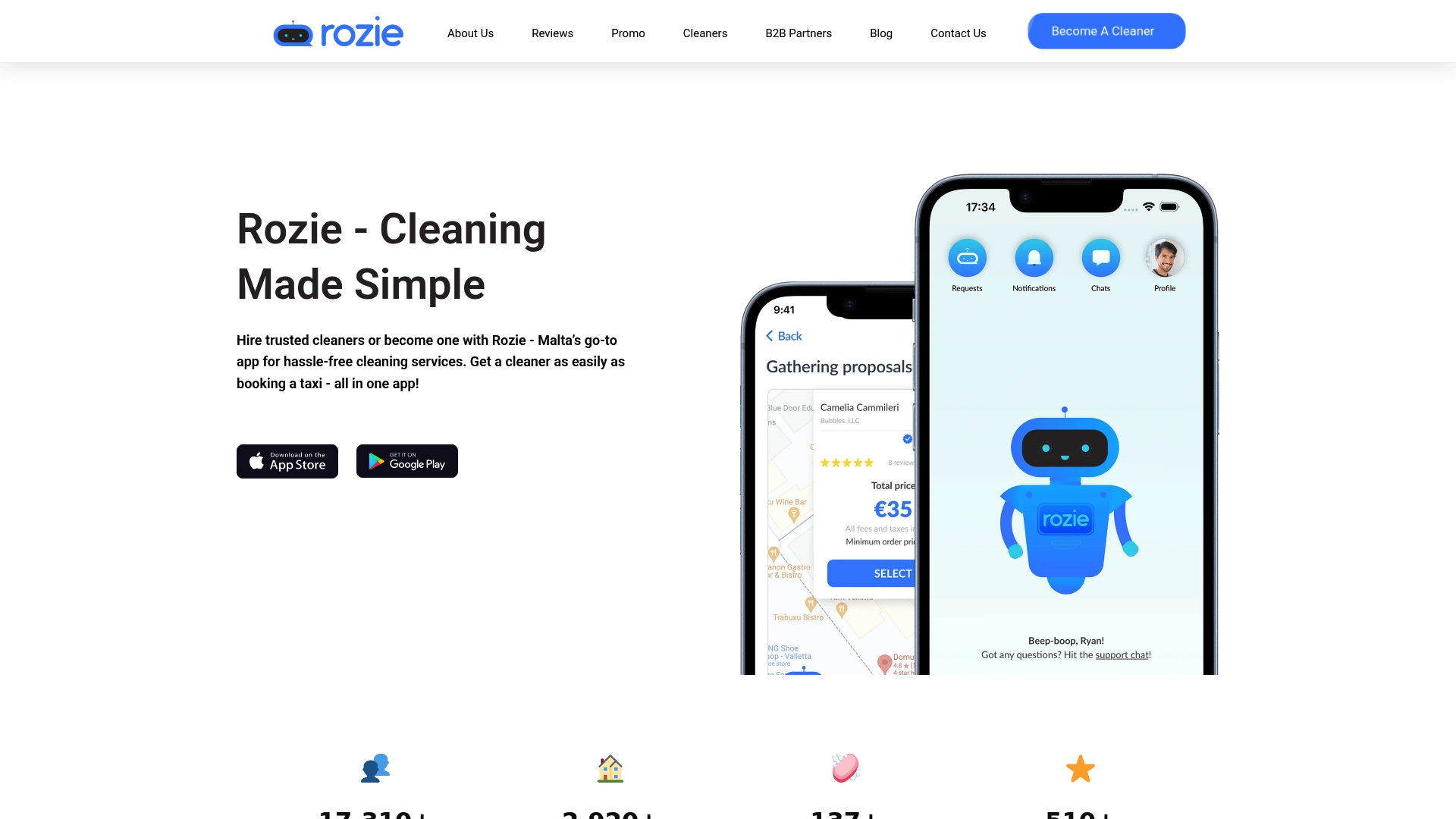
Discover a simpler way to connect with verified cleaning professionals right here in Malta through Rozie.app. We make it effortless to locate reliable cleaning teams who follow rigorous verification and training processes. With 7 days a week support and payment protection, Rozie ensures your cleaning needs are met with confidence. Browse trusted options and learn more about how professional cleaning works in Malta on our Cleaning in Malta Archives | Rozie – Malta’s Best Cleaning Services page. Ready to book your next cleaner with total assurance? Visit Rozie.app now and experience the new way to book verified cleaners online.
Frequently Asked Questions
What are the core functions of cleaning teams?
Cleaning teams perform essential tasks, including thorough surface cleaning and disinfection, waste management and disposal, floor maintenance, restroom and kitchen area sanitization, organizing supplies, and maintaining cleaning equipment and inventory.
What types of services do residential cleaning teams provide?
Residential cleaning teams typically offer services such as regular home cleaning, deep cleaning, post-renovation cleanup, move-in/move-out cleaning, and window and carpet cleaning.
How do cleaning teams ensure safety and compliance while working?
Cleaning teams maintain safety and compliance by adhering to strict protocols, including background checks for personnel, proper chemical handling certifications, regular health and safety training, and compliance with occupational safety regulations.
What are the benefits of hiring verified cleaning teams?
Verified cleaning teams provide guaranteed professional competence, standardized cleaning protocols, advanced training, consistent service quality, and enhanced safety, which significantly improves overall facility maintenance.
Recommended
- What Is Cleaning for Professionals? Complete Overview | Rozie – Malta’s Best Cleaning Services
- What is Housekeeping? Understanding Its Importance and Role | Rozie – Malta’s Best Cleaning Services
- 7 Best Cleaning Habits Every Busy Maltese Should Know | Rozie – Malta’s Best Cleaning Services
- Understanding Cleaning Best Practices for a Healthy Home | Rozie – Malta’s Best Cleaning Services
- Car Detailing Steps Breakdown: Complete Guide
- Auto Detailing Steps Explained: A Complete Guide