


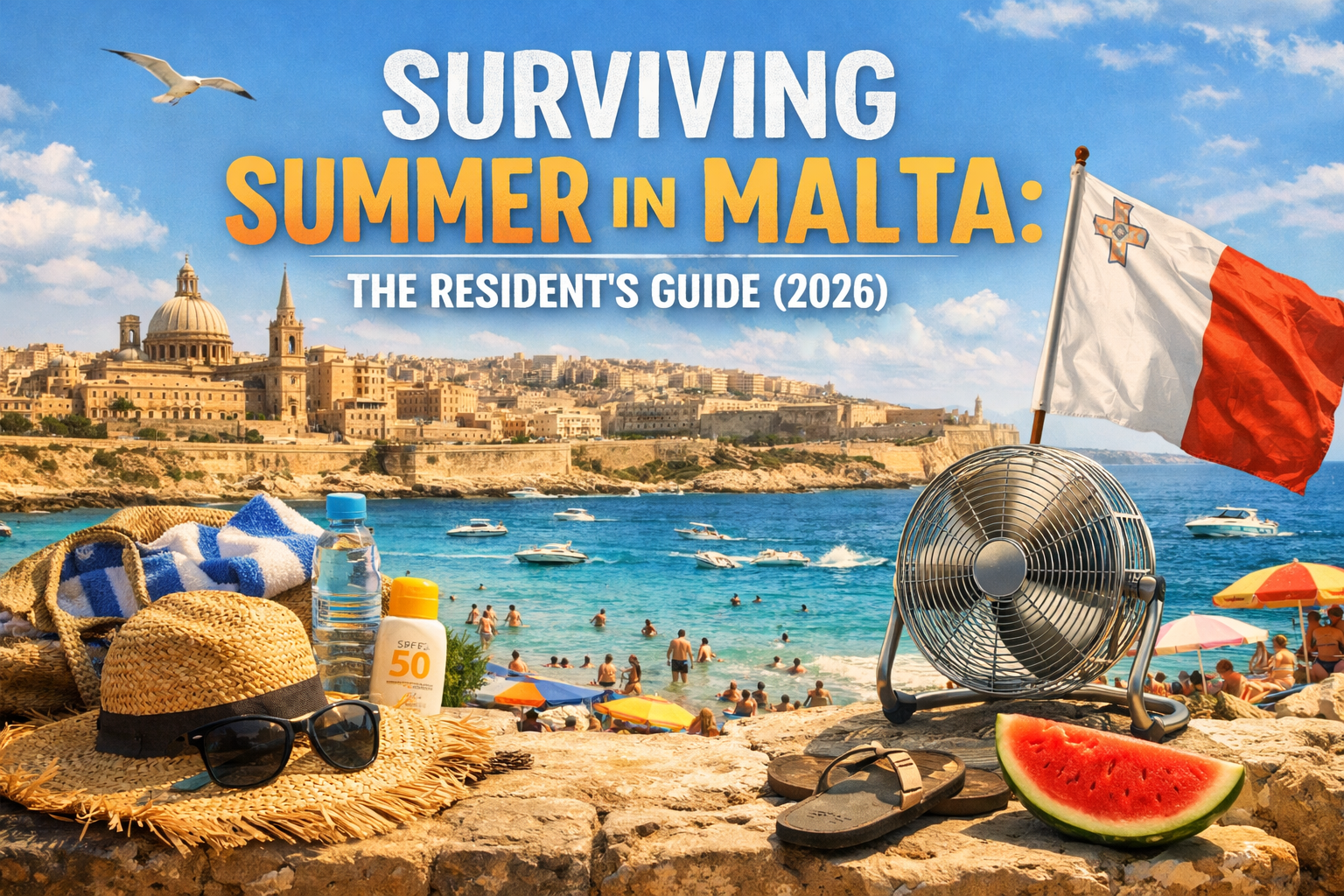
Malta summers run from June through September, with August peak temperatures reaching 32–35°C, humidity rarely dropping below 60%, zero rainfall for weeks at a time, and household electricity bills that triple from air conditioning use. For the roughly 20,000 expats and new residents experiencing their first Malta summer each year, five things consistently catch them off guard: the electricity bill, the Saharan dust events, the humidity-driven mold, the hard water limescale acceleration, and the traffic. This is the guide for people who actually live here — not the tourists who get to leave.
What does a Malta summer actually feel like, month by month?
Malta’s summer heat builds steadily from a pleasant June to a punishing August, with sea temperatures lagging about a month behind. Average humidity sits at 76% annually, but summer mornings near the coast regularly hit 80% before daytime drops to 53–60%. The UV index reaches 10–11 (classified as extreme) throughout July and August, meaning unprotected skin burns in under 15 minutes.
June is the gentle on-ramp. Daytime temperatures range from 27–30°C, humidity is still moderate, and you get around 12 hours of sunshine daily. The sea is still warming up at about 21°C — swimmable but brisk. Most residents consider this the best month of summer.
July is when things get serious. Temperatures push 30–32°C, humidity rises noticeably, and the sea reaches 24°C. The first Saharan dust events (il-qilla) typically arrive. Your AC starts running in the evenings, and your electricity meter starts spinning faster.
August is peak everything. Temperatures hit 32–35°C (Malta’s all-time record is 43.8°C), humidity is high, the sea peaks at 26°C, and the island enters Santa Marija week around August 15 — Malta’s unofficial national shutdown. Many businesses close, beaches are packed with locals, and trying to get anything bureaucratic done is pointless.
September still runs hot at 28–30°C, but the edge comes off. Late in the month, the first autumn storms are possible. The sea holds at 25°C, making it the best swimming month. Tourist numbers begin dropping, and parking becomes possible again.
What is il-qilla and why does Saharan dust coat everything?
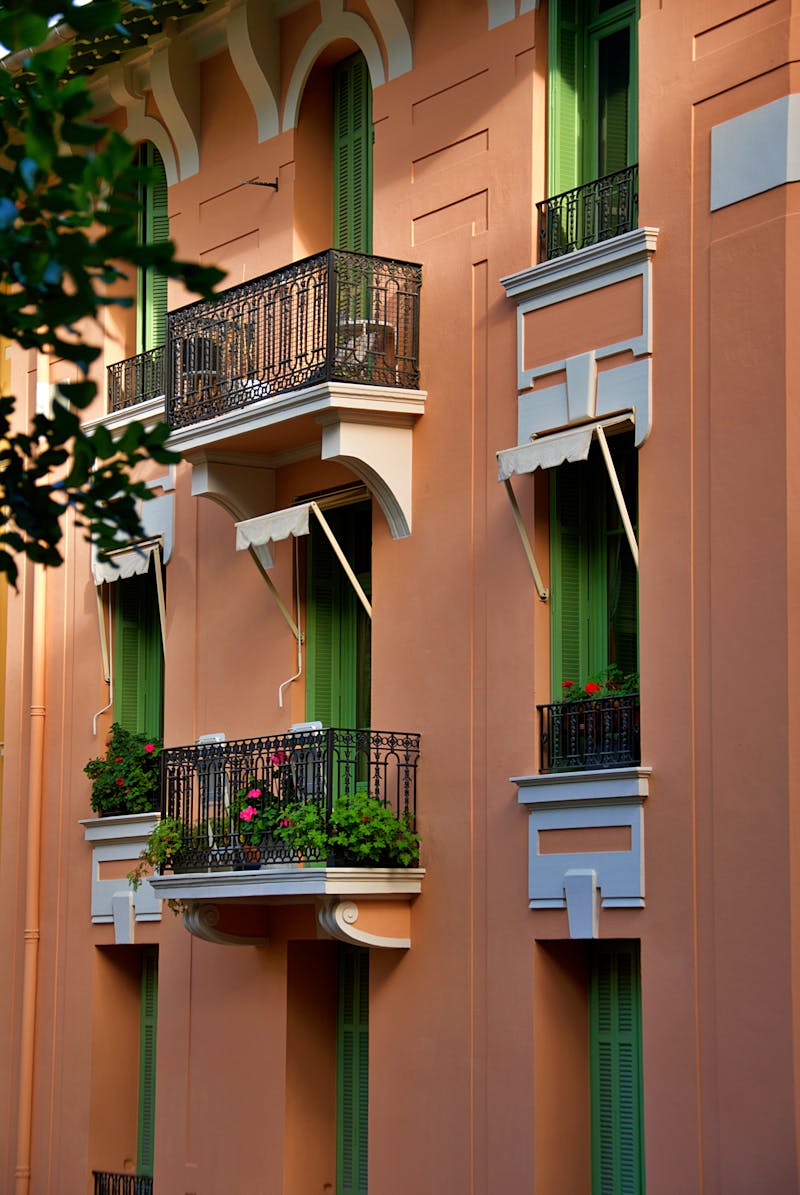
Il-qilla refers to the hot sirocco wind that carries fine red-orange dust from the Sahara across the Mediterranean and deposits it on Malta, typically 2–5 times per summer with no reliable advance warning. After a heavy dust event, outdoor surfaces — balconies, cars, laundry left on the line, window sills — are coated in a gritty film, the sky turns hazy orange, and you can taste dust in the air.
There is no official alert system for il-qilla. You simply wake up and it is there. The dust is fine enough to get through closed windows if your seals are poor, and it combines with Malta’s high humidity to form a stubborn film on glass and tiles. Construction dust — because building works never stop in Malta, even in peak summer — mixes with the Saharan dust and sea salt spray for a triple-layer coating on every exposed surface. Most residents learn quickly to keep balcony furniture covered and check conditions before hanging laundry outside.
How much does AC actually cost in Malta in summer?
A typical one-bedroom apartment in Malta sees electricity bills jump from €80–€100 per month in winter to €200–€350 per month in summer once air conditioning is running regularly. The reason is Malta’s progressive tiered pricing through ARMS/Enemalta: the more kilowatt-hours you consume, the higher the rate per unit. AC pushes most households into the third or fourth tier, where the cost per unit can be 3–4 times the base rate.
This tiered system is the single biggest financial surprise for new residents. The jump is not linear — your first 2,000 kWh per year costs far less per unit than the next 2,000 kWh. AC is what tips the balance. A unit set to 18°C in a 34°C apartment will consume dramatically more electricity than one set to 24°C. Each degree lower increases energy consumption by roughly 8–10%.
Form H matters. If your landlord has not filed Form H (Declaration of Number of Persons) with ARMS, your apartment is being billed at the higher domestic/commercial rate instead of the residential rate. Combined with summer AC usage, this administrative oversight can add an extra €100–€200 per month to your bill. Check with your landlord before June — and if they have not filed it, insist. It is your right as a tenant.
How do you keep your apartment cool without bankrupting yourself?
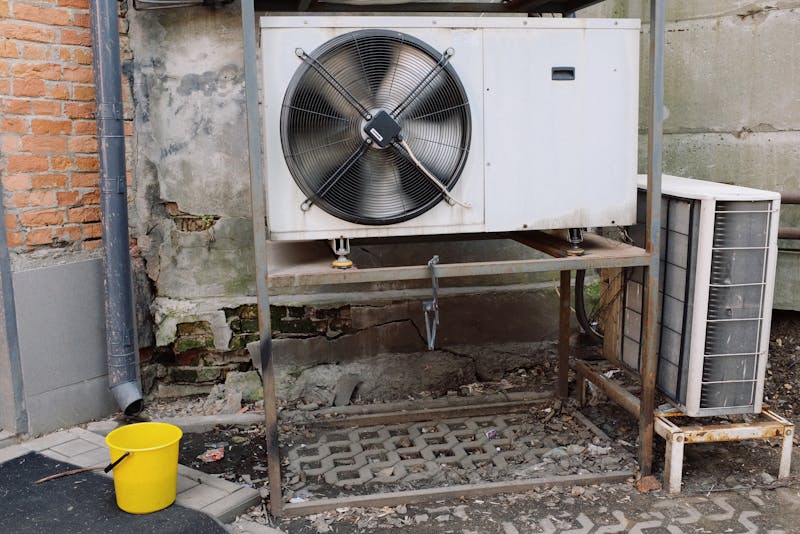
Keeping a Malta apartment comfortable in summer requires a combination of AC, passive cooling, and timing — not AC alone. Residents who rely solely on air conditioning consistently overspend by €100–€150 per month compared to those who use a layered approach.
Set your AC to 24–25°C, not 18°C. Pair it with a ceiling fan or standing fan — circulating air lets you set the thermostat 2–3 degrees higher while feeling the same level of comfort. A fan costs roughly €0.02 per hour to run; your AC costs 20–40 times that.
Blackout curtains for your bedroom are essential. Malta sunrise is around 5:30am in June. Without blackout curtains, your bedroom heats up by 7am and your AC fights the sun all morning. With them, you buy yourself two to three extra hours of cool.
Close everything during the day, open everything at night. Between 10am and 6pm, keep windows and shutters closed to trap cooler air inside. After sunset, open windows on opposite sides of the apartment for cross-ventilation. Malta apartments with good cross-ventilation can drop 3–5°C overnight without AC.
Dehumidifiers are not just for winter. Coastal apartments in Sliema, St Julian’s, and Buġibba still hit 70–80% humidity indoors in summer. That means mold does not stop growing just because temperatures are high. A dehumidifier in your bedroom or bathroom makes a noticeable difference in both comfort and air quality. Keep bathroom fans running after showers — ventilation prevents the mold that many residents assume is a winter-only problem.
When choosing an apartment in Malta, inspect the AC units, check for cross-ventilation, and ask about the ARMS billing arrangement before signing. These details determine your summer comfort more than any other feature.
Why does hard water get worse in summer, and what should you do about it?
Malta has some of the hardest tap water in Europe, measuring 200–600 PPM calcium carbonate depending on the area. Hot water combined with hard water produces limescale faster than either factor alone — and summer means more showers, more laundry loads, more dishwasher cycles, and hotter water temperatures. The result is accelerated scaling on every appliance and surface that touches water.
Your kettle is the early warning system. If it needs descaling every three months in winter, expect to do it every two to four weeks in summer. Coffee machines are equally vulnerable — limescale deposits affect both taste and function. Shower heads should be soaked in a white vinegar solution monthly or they will clog and lose pressure. Run a maintenance cycle on your washing machine with citric acid or a commercial descaler at least once a month in summer to prevent buildup in the drum and pipes.
Most residents do not drink Malta’s tap water. It is technically safe, but the high mineral content and chlorine treatment make it taste poor. A filter jug for the kitchen or a basic under-sink filter is standard in most Malta households. Buying 5-litre jugs from the supermarket is the other common approach.
How do you keep your home clean when dust, humidity, and salt never stop?
Between Saharan dust events, sea salt spray, construction dust, pollen, and humidity, Malta apartments in summer need more frequent cleaning than in any other season. Outdoor spaces — balconies, terraces, and window sills — bear the worst of it, but indoor surfaces accumulate a fine layer of grit faster than you would expect.
Balconies and terraces are a major lifestyle feature of most Malta apartments, but in summer they require cleaning every one to two weeks to stay usable. After an il-qilla event, they need immediate attention — the combination of Saharan dust and humidity forms a stubborn film on tiles and furniture that gets harder to remove the longer you leave it.
Windows develop a film of dust and humidity residue within days, inside and outside. Coastal apartments in Sliema and St Paul’s Bay get the added layer of salt spray. If you like natural light (and in a Malta summer, you will want your shutters open by evening), cleaning windows becomes a regular task rather than a quarterly one.
The post-summer deep clean is a pattern many long-term residents follow. By September, four months of dust, limescale, humidity residue, and salt air have accumulated in layers that regular weekly cleaning does not fully address. A thorough deep clean of the kitchen (limescale and grease buildup), bathrooms (mold and limescale in grout), windows, balcony, and all hard surfaces resets the apartment for the cooler months. Rozie handles this in a few taps — book a deep clean with extras like balcony, windows, and kitchen cabinets, with verified background-checked cleaners and transparent pricing before you confirm.
A note on cockroaches: Malta’s warm, humid summer is peak cockroach season. They enter through drains, gaps under doors, and openings around pipe entries. Seal gaps with silicone, keep drain covers closed at night, and do not leave food out. If you see one, there are more. Pest control is a separate specialist service — a cleaning service will not solve a roach problem.
What should you eat and drink to get through the heat safely?
Dehydration is the most common health issue for Malta residents in summer — you lose water faster than you realize at 80% humidity even while sitting in shade. The minimum recommended intake is 2.5–3 litres of water per day, and more if you are spending time outdoors or exercising. Electrolyte sachets from any pharmacy are cheap and effective for days when the heat is extreme.
Food spoils faster in ambient temperatures above 30°C. Bring groceries home quickly, avoid leaving anything perishable on the counter, and check your fridge temperature — many older fridges in Malta rental apartments struggle to maintain safe temperatures when the ambient room temperature exceeds 30°C. If your fridge feels warm inside, it probably is.
Stock your pharmacy essentials before peak summer: SPF 50+ sunscreen (you will use it daily — buy bulk), after-sun lotion, electrolyte sachets, and antihistamine tablets. Dust allergies spike during and after Saharan dust events, even for people who do not normally suffer from allergies. Malta pharmacies are generally well-stocked, open late, and most staff speak English fluently.
Know the signs of heat exhaustion: dizziness, nausea, headache, excessive sweating followed by no sweating. Stay indoors between 12pm and 3pm on extreme days. This is not overcautious advice — Malta’s combination of heat and humidity makes the “feels like” temperature significantly higher than the thermometer reading.
How bad does traffic actually get in summer, and how do you get around?
Malta’s population effectively doubles between June and September as tourist arrivals peak, and the island’s road infrastructure — already strained — buckles under the load. The Msida–Birkirkara corridor, Sliema seafront, and all routes leading to popular beaches are gridlocked on summer weekends. Parking in Sliema, St Julian’s, and Valletta ranges from difficult to impossible.
A Tallinja card gives residents free bus travel and is the single best transport investment for summer. Beach routes get overcrowded, but buses still beat sitting in traffic and circling for parking. For beach trips to less-accessible spots, Bolt and eCabs are reliable alternatives — consider splitting fares with friends rather than driving.
The Gozo ferry queues lengthen dramatically in summer. If you are taking a car, expect long waits on weekends. Going as a foot passenger and renting a buggy or scooter on arrival is faster, cheaper, and less stressful. For the full list of essential apps for getting around Malta, including ride-hailing and ferry booking, see our apps guide.
One more thing: Malta roads offer almost no shade. Your parked car’s interior will hit 60°C or more in direct sun. Invest in a reflective windscreen shade and never leave electronics, medications, or anything heat-sensitive in the car.
Where are the best places to swim that are not overrun with tourists?
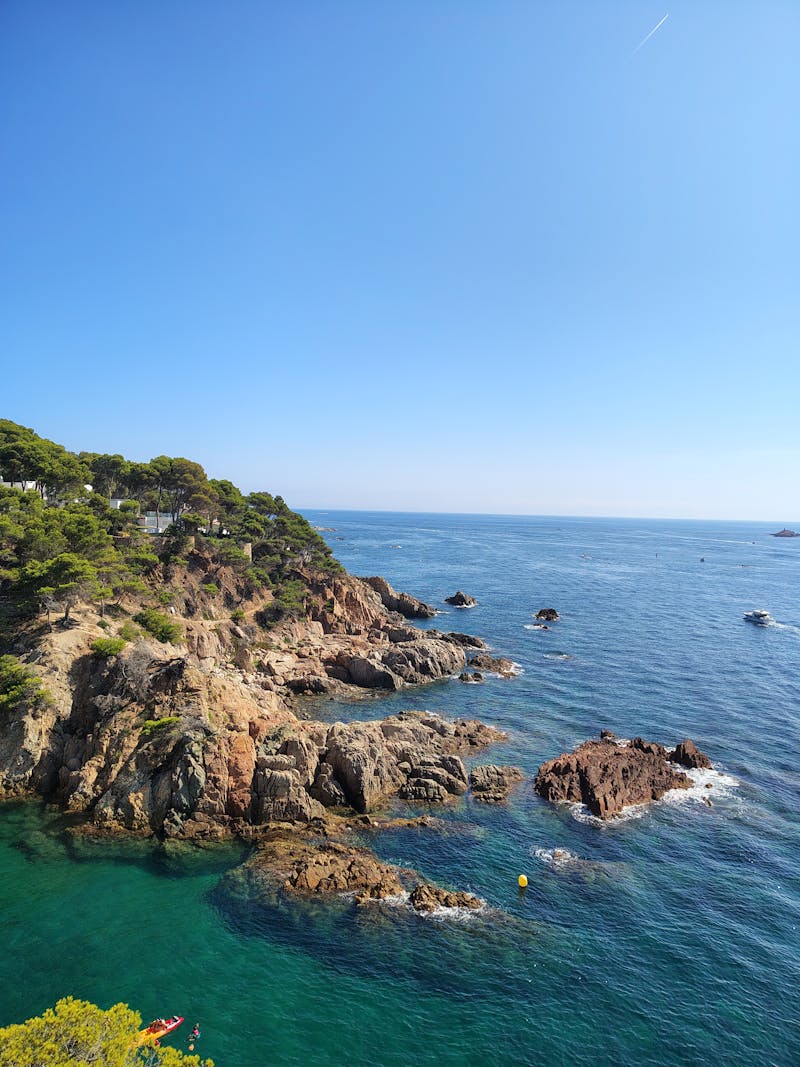
Malta’s coastline is the reward for enduring four months of heat, with sea temperatures holding between 24–26°C from July through September. The tourist-guide beaches (Golden Bay, Mellieħa Bay, Pretty Bay) are packed from June onward. Residents learn the alternatives fast.
Għar Lapsi is a small rocky inlet in the south with crystal-clear water and a local feel — no sand, no sunbeds, just flat limestone and the sea. Mistra Bay on the northern coast stays quieter than neighbouring beaches and has shade from surrounding trees. Fomm ir-Riħ requires a steep scramble down a cliff path, which keeps the crowds away — but it is not suitable for children or anyone with mobility concerns. Sliema’s rocky foreshore from Qui-Si-Sana to Fond Għadir is where local residents swim daily — flat limestone shelves with ladders and crystal-clear water. Bring water shoes for all rocky spots; Malta’s limestone is rough on bare feet.
When to swim: early morning before 9am or late afternoon after 5pm to avoid peak UV. The water is warm enough at any hour.
Night swimming is a genuine Malta summer tradition. When daytime temperatures make outdoor activity miserable, locals head to the coast after dark. Popular spots include St Peter’s Pool, the Sliema promenade rocks, and Għar Lapsi. The water is warm, the atmosphere is social, but check conditions before you go and never swim alone at night in unfamiliar spots.

What is festa season, and what makes summer in Malta worth it?
Village festas run from June through September and are Malta’s most authentic cultural experience — free street parties with fireworks, marching bands, food stalls, and decorated streets. Nearly every town and village celebrates its patron saint with a festa, and the larger ones (Żurrieq, Qormi, Mosta, Għaxaq) draw thousands. Check local council schedules or the Times of Malta events listings for dates.
Beyond festas, summer evenings in Malta have a quality of life that offsets the daytime heat. Rooftop dinners, harbour-side drinks in Valletta, late-night gelato walks along the Sliema front, and spontaneous barbecues on apartment terraces are all part of the rhythm. The island’s social life peaks between June and September — this is when restaurants are fullest, events are most frequent, and the outdoor lifestyle justifies the rest of it.
Santa Marija week (around August 15) deserves special mention. It is the Maltese version of Ferragosto — the island’s unofficial national holiday. Many businesses close for the entire week. Beaches are packed with Maltese families. Plan around it: stock up on groceries, do not schedule anything important, and accept that the island runs on festa time. If you can, join one of the seaside festa celebrations. It is Malta at its most authentic.
How much does summer actually add to your monthly costs?
Summer in Malta adds roughly €200–€400 per month to a one-bedroom apartment’s running costs compared to the winter baseline. The breakdown looks like this:
| Cost category | Summer monthly increase |
|---|---|
| Electricity (AC) | +€100–€250 |
| Water (more showers, laundry) | +€15–€30 |
| Cleaning (dust, humidity, more frequent) | +€40–€80 |
| Pest control (seasonal treatment) | €60–€120 one-off |
| Home maintenance supplies (descaler, dehumidifier refills) | €30–€50 one-off |
| Social life (beach bars, dining, boat trips) | Variable |
The electricity jump is the largest single line item and the one that catches new residents off guard. For a detailed breakdown of all monthly costs in Malta including rent, groceries, and transport, see our full cost of living guide.
Cleaning costs increase in summer because the need is genuinely higher — dust events, humidity, and the constant use of outdoor living spaces mean surfaces need attention more often. Budget for a bi-weekly professional clean at minimum during the hot months, or plan your own cleaning schedule around il-qilla events. A bi-weekly clean through a platform like Rozie typically runs €40–€80 per month depending on apartment size and extras.
What do you need to buy before June? The Malta summer survival kit
The best time to prepare for a Malta summer is May. By mid-June, every AC technician on the island is booked for weeks, and the things you need are the things everyone else also needs. Get ahead of it.
AC service and filter clean: Book this in May, not July. A serviced unit runs more efficiently and costs less to operate. If your AC is old or struggling, this is also when you find out — not at midnight in August when your bedroom is 30°C.
Blackout curtains: For every bedroom window. Non-negotiable. They block heat and light from 5:30am sunrise onward, and they are the single cheapest investment that improves summer sleep quality.
Ceiling or standing fan: To supplement your AC. Running a fan costs almost nothing and lets you set your AC 2–3 degrees higher — saving €30–€60 per month on electricity over the summer.
Dehumidifier: Essential for coastal apartments. Even in summer, Malta’s humidity causes condensation, mold, and that heavy feeling in poorly ventilated rooms.
Water filter jug: Because Malta’s hard, chlorinated tap water is not something most people want to drink daily, and buying bottled water every week adds up.
Descaling supplies: Citric acid (bulk, from cleaning supply shops) or commercial descaler for kettles, coffee machines, shower heads, and washing machines. You will use more in summer than winter.
SPF 50+ sunscreen: Buy bulk. You will apply it every day from June to September. Malta’s UV index hits extreme levels, and even a short walk to the shop exposes you.
Windscreen shade: For your car. Your steering wheel and seatbelt buckles will be untouchable without one. A small investment that prevents real discomfort.
Tallinja card: Free buses for residents. Avoid the parking nightmare entirely for beach trips and social outings.
A good beach bag and water shoes: You will swim three or more times per week. Malta’s rocky swimming spots require water shoes. A durable bag that handles wet towels and sand is something you use constantly from June through October.
Frequently asked questions about summer in Malta
How hot does it get in Malta in summer?
Daytime temperatures range from 27–30°C in June to 32–35°C in August. Malta’s all-time record high is 43.8°C. The UV index regularly reaches 10–11, classified as extreme, meaning sunburn occurs in under 15 minutes without protection.
How much does AC cost per month in Malta?
Running AC in a one-bedroom apartment typically adds €100–€250 per month to your electricity bill. Malta’s progressive tariff system means the more you use, the higher the per-unit rate — so summer AC can push total bills to €200–€350 per month, compared to €80–€100 in winter.
Is Malta too hot in August?
August is the hottest and most intense month, with temperatures of 32–35°C and high humidity. Many local businesses reduce hours or close entirely. It is manageable with preparation (AC, early morning routines, evening swimming), but it is genuinely uncomfortable for anyone unprepared. The sea at 26°C is the main compensating factor.
How do you deal with Saharan dust in Malta?
Saharan dust events (il-qilla) happen 2–5 times per summer, coating all outdoor surfaces in fine red-orange dust. There is no way to prevent it. After an event, clean balconies, terraces, and windows promptly — the dust combines with humidity to form a film that hardens over time. Keep balcony furniture covered and avoid hanging laundry outside when the sky looks hazy.
Is it safe to drink tap water in Malta in summer?
Malta’s tap water is technically safe to drink, but its high mineral content (200–600 PPM calcium carbonate) and chlorine treatment give it a poor taste. Most residents use a filter jug or buy 5-litre bottled water from supermarkets. The hardness does not change with the season, but you may notice a stronger taste in summer as chlorine levels are occasionally adjusted.
What is il-qilla?
Il-qilla is the Maltese term for the hot sirocco wind that carries Saharan dust across the Mediterranean. It brings high temperatures, elevated humidity, and a fine red-orange dust that settles on everything outdoors. Events occur 2–5 times per summer, typically lasting one to three days.
When does summer end in Malta?
Effective summer heat runs June through September. Temperatures begin dropping noticeably in late September, the first autumn storms may arrive, and by mid-October daytime temperatures sit around 22–25°C. The sea remains swimmable (23–25°C) well into October and sometimes November.
Why is my electricity bill so high in Malta?
Malta uses progressive tiered electricity pricing — the more you consume, the higher the rate per unit. AC use in summer pushes most households into the expensive upper tiers, where the per-unit cost can be 3–4x the base rate. Additionally, if your landlord has not filed Form H with ARMS, you may be billed at the higher domestic/commercial rate instead of the residential rate.
How do I prevent mold in Malta in summer?
Mold grows year-round in Malta due to high ambient humidity (76% annual average). In summer, coastal apartments still reach 70–80% indoor humidity. Use a dehumidifier, ventilate bathrooms with fans after showers, and keep air circulating in rooms with poor ventilation. Wiping condensation-prone surfaces regularly also helps prevent spore growth in grout and corners.
Summer is harder on your home than any other season
Between dust storms, limescale acceleration, humidity, sea salt, and four months of intensive outdoor living, a Malta summer leaves a mark on every apartment. Regular maintenance through the season keeps things manageable, but by September, most homes benefit from a proper reset — a deep clean that tackles the limescale in bathrooms, the grease and grime in kitchens, the film on windows, and the accumulated dust on balconies and terraces.
If you would rather not spend your last weekend of summer scrubbing limescale, Rozie makes it easy to book a verified, background-checked cleaner for a post-summer deep clean — with transparent pricing, 7-day payment protection, and extras like balcony, window, and kitchen cabinet cleaning. Over 22,700 users and 710+ five-star reviews from people who live through this every year.