Rozie – Malta's Best Cleaning Services

Download Rozie

Efficient Apartment Cleaning Checklist Guide for Busy Lives

apartment cleaning checklist guide

A complete apartment cleaning checklist for Malta covers six zones — kitchen, bathroom, bedrooms, living areas, balcony, and entryway — with tasks adapted to the island’s hard water (200–600 PPM calcium carbonate), year-round humidity above 60%, and porous globigerina limestone surfaces that need pH-neutral care. A full apartment clean typically takes 2–4 hours for a standard 2-bedroom flat, or €55–€85 if you book a professional through a verified platform like Rozie.

Most generic cleaning checklists you find online miss everything that actually matters in a Maltese apartment: limescale on every chrome fitting, mould creeping into bathroom grout by October, and red Saharan dust coating your balcony tiles after an il-qilla event. This guide gives you a practical, room-by-room checklist built specifically for Malta’s climate and building materials — plus clear guidance on when doing it yourself makes sense and when a professional cleaner is the smarter choice.


In this guide:

What Supplies Do You Need for Apartment Cleaning in Malta?

Malta apartments need a cleaning kit that accounts for limestone surfaces, persistent limescale, and high humidity — three factors that standard supply lists from UK or US blogs completely ignore. Choosing the wrong products (particularly acidic cleaners on globigerina limestone) can cause permanent etching and discolouration.

Start with a portable cleaning caddy so you can move between rooms without wasting time walking back and forth. For a typical 2-bedroom Maltese apartment, your caddy should include the following essentials.

Product Purpose Malta-Specific Note
pH-neutral floor cleaner (Lithofin or HG) All hard floors including limestone tiles Never use vinegar or acidic cleaners on globigerina limestone — they etch the surface permanently
Limescale remover (HG Professional) Taps, showerheads, kettle, glass shower screens Malta’s water is 200–600 PPM calcium carbonate depending on your area — limescale builds fast
Anti-mould spray Bathroom grout, silicone seals, window frames Humidity stays 60–95% year-round, peaking October through February
All-purpose cleaner Countertops, cabinet fronts, general surfaces Check pH is neutral if you have stone countertops
Glass cleaner Windows, mirrors, glass shower doors Coastal apartments (Sliema, St Julian’s, Bugibba) need weekly window cleaning due to salt deposits
Degreaser Oven, hob, extractor hood Choose non-acidic for kitchens with limestone backsplashes
Microfiber cloths (5–6) Dusting, wiping, polishing Colour-code: one for kitchen, one for bathroom, one for glass
Microfiber mop with flat head Floor mopping Flat mops work better than string mops on limestone tiles
Vacuum cleaner with hard-floor setting Pre-mop dust and debris removal Essential after il-qilla (Saharan dust events) when fine red dust enters through windows

You can find Lithofin and HG products at PAVI, Smart Supermarket, and Homemate stores across Malta. For everyday supplies, the Homemate range at Smart Supermarket offers solid value — their microfiber cloths and all-purpose sprays perform well and cost less than imported brands.

Cleaning supplies organised in a portable caddy ready for apartment cleaning

How Should You Prepare Before Cleaning Your Apartment?

Proper preparation cuts total cleaning time by roughly a third. The two most important steps — decluttering surfaces and checking ventilation — are especially critical in Malta, where poor airflow accelerates mould growth and cluttered spaces trap humidity against walls and furniture.

Before you touch a single cleaning product, walk through every room and clear surfaces. Move items off countertops, tables, and floors. Sort anything that does not belong into three categories: keep (return to its designated spot), donate (bag it immediately), and discard (straight to the bin or a WasteServ bring-in site).

Next, open windows and doors for cross-ventilation. In Malta’s humid climate, cleaning generates moisture — particularly in bathrooms and kitchens — that needs somewhere to go. Without airflow, you are simply redistributing dampness across surfaces. The World Health Organization’s indoor air quality guidelines identify persistent dampness as a primary driver of respiratory issues from mould exposure, making ventilation during and after cleaning a genuine health measure rather than just a preference.

Finally, set up your cleaning caddy and check supplies before starting. A mid-clean trip to the shop breaks your momentum and adds 20–30 minutes to the process. If your limescale remover is running low or your vacuum bag is full, sort it out beforehand.

What Is the Best Room-by-Room Cleaning Order?

The most efficient cleaning sequence for a Malta apartment starts with the kitchen (the highest-grime zone), moves to bathrooms, then bedrooms, living areas, and finishes with the entryway and balcony. Within each room, always work from top to bottom and dry to wet — dust ceiling corners and light fittings first, wipe surfaces second, and mop floors last.

Kitchen

Maltese kitchens accumulate grease, limescale, and cooking residue faster than kitchens in drier climates because humidity prevents surfaces from drying fully between uses. Start by clearing and wiping countertops with an all-purpose cleaner. Degrease the hob, extractor hood filters, and oven exterior. Wipe down cabinet fronts — grease film builds up gradually and becomes sticky if left more than a fortnight.

Descale the kettle and any visible limescale around the kitchen tap. In areas like Mosta and Birkirkara, where water hardness exceeds 400 PPM, white limescale deposits can form within days of cleaning. Finish by sweeping and mopping the floor with a pH-neutral cleaner — never vinegar or lemon juice if you have limestone tiles.

Person wiping kitchen countertop with microfiber cloth during apartment cleaning

Bathroom

The bathroom is where Malta’s climate causes the most cleaning challenges. Apply anti-mould spray to grout lines, silicone seals around the shower, and any darkened spots on ceiling corners. Let it sit for 10–15 minutes while you clean other surfaces. Scrub the toilet inside and out, clean the sink and vanity, and wipe down the mirror.

Descale the showerhead by soaking it in a limescale remover solution — mineral buildup restricts water flow and harbours bacteria. Clean the shower screen or curtain, paying attention to the bottom edge where soap scum and mould concentrate. Finish by mopping the floor and ensuring the room is well-ventilated to dry fully.

Bedrooms

Strip and change bed linen. Dust all surfaces including bedside tables, wardrobes, and skirting boards. In Malta, Saharan dust events (il-qilla) deposit fine red particles that settle on every horizontal surface — after one of these events, you may need to damp-wipe wardrobes and shelving rather than just dry-dusting. Vacuum the floor, getting under the bed and into corners where dust accumulates. If you have stone flooring, follow with a damp mop using pH-neutral cleaner.

Living areas

Dust shelves, TV units, and any decorative items. Wipe remote controls, light switches, and door handles — these high-touch surfaces carry the most bacteria. Vacuum upholstered furniture if you have pets or if the scirocco wind has brought in outdoor dust. Vacuum and mop the floor following the same top-to-bottom principle.

Entryway and balcony

The entryway collects outdoor dirt, sand, and dust from Malta’s streets. Sweep and mop it last to avoid tracking cleaning water through the flat. For the balcony, sweep loose debris first, then mop with a degreaser if cooking grease has settled on tiles. In coastal localities like Sliema and St Julian’s, wipe balcony railings and glass panels to remove salt film — left unchecked, salt accelerates corrosion on metal fittings and leaves permanent water spots on glass.

How Do You Deep Clean Key Areas in a Malta Apartment?

A deep clean goes beyond regular maintenance to address built-up limescale, hidden mould, grease accumulation, and neglected zones behind furniture and appliances. In Malta, deep cleaning typically costs €80–€140 for a 2-bedroom apartment when done professionally, or 4–6 hours of focused DIY effort. For a full breakdown of current rates, see the cleaning cost Malta guide.

Scrubbing bathroom tiles and grout to remove limescale and mould in Malta apartment

Kitchen deep clean

Empty the fridge completely, discard anything expired, remove shelves, and wash them in warm soapy water. Clean the interior walls and door seals — mould grows in fridge seals more than people realise, particularly in Malta’s warm months. Pull the oven racks and soak them while you apply a non-acidic degreaser to the oven interior. Clean behind the fridge and under the hob if accessible — these hidden spots accumulate grease and food debris that attract pests.

Bathroom deep clean

Focus on grout lines between tiles, which are the primary mould hotspot in Maltese bathrooms. Use a stiff-bristled brush or old toothbrush with anti-mould cleaner. Descale all chrome fittings, the shower screen, and the toilet rim where limescale hides under the edge. Check and clean the extractor fan if you have one — a clogged fan means moisture stays trapped, feeding the mould cycle. For deeper detail on what professional-level deep cleaning involves, the complete deep cleaning guide covers each step.

Floors

For globigerina limestone — the golden-hued stone found in many Maltese apartments — use only pH-neutral cleaners like Lithofin MN Easy Clean or HG Tile Cleaner. Acidic products (vinegar, lemon, certain bathroom sprays) react with the calcium carbonate in the stone and leave permanent dull patches. For ceramic tiles, a standard floor cleaner works fine, but pay attention to grout lines which absorb dirt and moisture in humid environments.

Windows and glass

Interior windows collect cooking residue and dust; exterior-facing glass accumulates salt spray in coastal areas and Saharan dust after il-qilla events. Clean both sides with glass cleaner and a lint-free cloth. Work on an overcast day if possible — direct Mediterranean sun dries cleaner too fast and leaves streaks. Don’t forget window tracks, which collect grit and dead insects that block drainage holes.

How Often Should You Clean Your Malta Apartment?

Malta’s climate demands a more frequent cleaning schedule than what generic checklists recommend. Humidity, hard water deposits, and outdoor dust accumulation mean surfaces get dirty faster than they would in northern Europe or air-conditioned environments.

Task Recommended Frequency Why It Matters in Malta
Kitchen surfaces and hob wipe-down Daily Grease + humidity = sticky film that attracts dust and pests
Bathroom quick clean (toilet, sink, mirror) Every 2–3 days Mould can establish visible colonies within a week in humid months
Vacuuming / sweeping all floors Twice weekly Saharan dust, construction dust, and outdoor grit tracked in daily
Mopping hard floors Weekly Removes salt and mineral residue that dulls stone over time
Limescale descaling (taps, shower) Weekly to fortnightly Water hardness 200–600 PPM makes buildup inevitable
Bed linen change Weekly Dust mites thrive in Malta’s warm, humid environment
Window and balcony cleaning Fortnightly (coastal) / Monthly (inland) Salt spray and dust accumulate faster near the coast
Full deep clean Every 3 months Catches hidden mould, grout discolouration, and appliance grime before it becomes a major job

The frequency shifts seasonally. During October to February, when humidity peaks at 80–95%, prioritise bathroom mould checks and ventilation. In summer, when tourist and construction activity is highest, outdoor dust enters faster — increase vacuuming frequency, especially if your apartment faces a busy road or construction site.

When Does It Make Sense to Hire a Professional Cleaner?

Hiring a professional cleaner makes practical and financial sense when the time investment of DIY exceeds the cost — or when specific tasks require expertise you don’t have. In Malta, a standard apartment clean runs €10–€20 per hour with an independent cleaner, or €15–€25 per hour through a professional agency, making professional help accessible for most budgets.

Common situations where hiring saves time, money, or both:

End-of-tenancy cleans. Under Malta’s Private Residential Leases Act (Cap. 604), your deposit can be deducted for cleaning-related damage — but only for conditions you caused, not pre-existing wear. A professional clean with documented photos protects your deposit claim. See the end-of-tenancy cleaning checklist for the full process.

Quarterly deep cleans. Tasks like descaling an entire bathroom, degreasing an oven interior, and scrubbing grout across multiple rooms take 4–6 hours of physical work. A professional with commercial-grade products typically completes the same job in 2–3 hours — and the result is more thorough because they do it daily.

After il-qilla or renovation work. Saharan dust events coat every surface with fine red particles that embed in soft furnishings and scratch stone if dry-wiped. A professional equipped with HEPA-filter vacuums handles this more effectively than standard household equipment.

Regular maintenance for busy schedules. A weekly or bi-weekly clean keeps your apartment consistently maintained without consuming your weekends. At €55–€85 per visit for a 2-bedroom flat, a fortnightly regular clean costs roughly €110–€170 per month — often less than the equivalent time spent doing it yourself if you value your free hours. For a full price comparison, check the affordable cleaning services Malta guide.


Rozie app homepage showing how to book verified cleaners in Malta

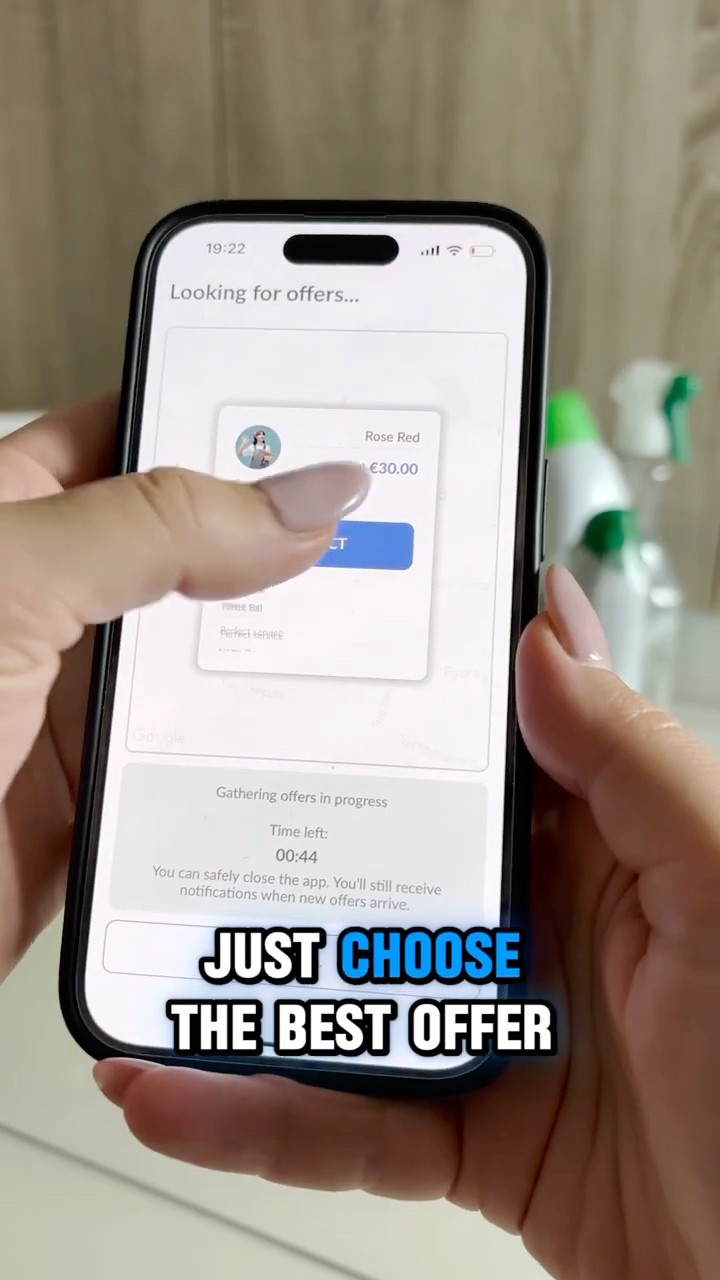
Rozie connects you with verified, background-checked cleaners across Malta. You set your location, choose a date, select extras like deep cleaning, oven, or inside windows, and pick from available cleaner offers — all with transparent pricing shown before you confirm and 7-day payment protection. Book a cleaner on Rozie and reclaim your weekend.

Frequently Asked Questions About Apartment Cleaning in Malta

How long does it take to clean a 2-bedroom apartment in Malta?

A standard clean of a 2-bedroom apartment takes 2–3 hours for one person, covering all rooms, kitchen, and bathroom. A full deep clean takes 4–6 hours because it includes tasks like descaling, grout scrubbing, and appliance cleaning. Professional cleaners often complete the same work faster due to commercial-grade products and daily practice.

What cleaning products should I avoid on Maltese limestone floors?

Never use vinegar, lemon juice, or any acidic cleaner on globigerina limestone. The acid reacts with calcium carbonate in the stone, causing permanent etching and dull patches that cannot be reversed without professional re-polishing. Use pH-neutral cleaners like Lithofin MN Easy Clean or HG Tile Cleaner instead.

How do I prevent mould in my Malta apartment?

Ventilate bathrooms during and after showering by opening windows or running the extractor fan for at least 15 minutes. Wipe down wet surfaces after use. Check grout lines, silicone seals, and window frames weekly during the October-to-February humidity peak. Use anti-mould spray at the first sign of discolouration rather than waiting for visible colonies to spread.

How much does professional apartment cleaning cost in Malta?

Independent cleaners charge €10–€20 per hour, while agencies and platforms charge €15–€25 per hour. A standard clean for a 2-bedroom apartment typically runs €55–€85. Deep cleaning costs 30–50% more, ranging from €80–€140 depending on the apartment’s condition and any extras like oven or window cleaning.

Why does limescale build up so fast in Malta?

Malta’s tap water contains 200–600 parts per million (PPM) of calcium carbonate, making it among the hardest in Europe. This mineral content causes white limescale deposits on taps, showerheads, kettles, and glass surfaces within days. Weekly descaling with a dedicated limescale remover like HG Professional is the most effective prevention strategy.

What should I clean after a Saharan dust event in Malta?

After an il-qilla event, start by vacuuming all surfaces with a HEPA-filter vacuum — do not dry-wipe, as the fine abrasive particles can scratch stone and glass. Then damp-mop floors, wipe down furniture and windowsills, and clean both sides of windows. Close windows during the event itself to minimise indoor dust accumulation.

Is it worth hiring a cleaner for end-of-tenancy in Malta?

Yes, in most cases. Under Malta’s Private Residential Leases Act, landlords can deduct cleaning costs from your deposit if the property is not returned in acceptable condition. A professional end-of-tenancy clean typically costs €80–€150 and protects a deposit that may be worth one or two months’ rent — a strong return on investment. Platforms like Rozie let you book verified cleaners with payment protection specifically for this purpose.

{ “@context”: “https://schema.org”, “@graph”: [ { “@type”: “Article”, “headline”: “Apartment Cleaning Checklist Malta: Room-by-Room Guide (2026)”, “description”: “Complete apartment cleaning checklist for Malta homes. Room-by-room guide with limestone care, limescale removal, humidity tips, and local product picks.”, “author”: { “@type”: “Organization”, “name”: “Rozie”, “url”: “https://rozie.app” }, “publisher”: { “@type”: “Organization”, “name”: “Rozie”, “url”: “https://rozie.app”, “logo”: { “@type”: “ImageObject”, “url”: “https://rozie.app/wp-content/uploads/2025/03/Rozie-logo-1024×241.png” } }, “datePublished”: “2025-12-18”, “dateModified”: “2026-03-15”, “mainEntityOfPage”: { “@type”: “WebPage”, “@id”: “https://rozie.app/apartment-cleaning-checklist-guide/” }, “image”: “https://images.pexels.com/photos/4108715/pexels-photo-4108715.jpeg?auto=compress&cs=tinysrgb&w=800”, “keywords”: “apartment cleaning checklist Malta, apartment cleaning Malta, cleaning checklist Malta, room by room cleaning guide Malta” }, { “@type”: “HowTo”, “name”: “How to Clean an Apartment in Malta: Room-by-Room Checklist”, “description”: “A step-by-step apartment cleaning guide tailored for Malta’s climate, covering limestone care, limescale removal, mould prevention, and efficient cleaning order.”, “totalTime”: “PT3H”, “estimatedCost”: { “@type”: “MonetaryAmount”, “currency”: “EUR”, “value”: “55-85” }, “supply”: [ { “@type”: “HowToSupply”, “name”: “pH-neutral floor cleaner (Lithofin or HG)” }, { “@type”: “HowToSupply”, “name”: “Limescale remover (HG Professional)” }, { “@type”: “HowToSupply”, “name”: “Anti-mould spray” }, { “@type”: “HowToSupply”, “name”: “All-purpose cleaner” }, { “@type”: “HowToSupply”, “name”: “Glass cleaner” }, { “@type”: “HowToSupply”, “name”: “Degreaser” }, { “@type”: “HowToSupply”, “name”: “Microfiber cloths (5-6)” }, { “@type”: “HowToSupply”, “name”: “Microfiber mop with flat head” }, { “@type”: “HowToSupply”, “name”: “Vacuum cleaner with hard-floor setting” } ], “step”: [ { “@type”: “HowToStep”, “name”: “Gather Malta-specific cleaning supplies”, “text”: “Assemble a portable cleaning caddy with pH-neutral floor cleaner, limescale remover, anti-mould spray, all-purpose cleaner, glass cleaner, degreaser, microfiber cloths, mop, and vacuum. Choose Lithofin or HG products for limestone-safe care. Available at PAVI, Smart Supermarket, and Homemate stores.” }, { “@type”: “HowToStep”, “name”: “Prepare your apartment before cleaning”, “text”: “Declutter all surfaces by sorting items into keep, donate, and discard categories. Open windows for cross-ventilation to manage humidity. Check all cleaning supplies are stocked to avoid mid-clean interruptions.” }, { “@type”: “HowToStep”, “name”: “Clean the kitchen first”, “text”: “Clear and wipe countertops. Degrease hob, extractor hood, and oven exterior. Descale the kettle and kitchen tap. Wipe cabinet fronts. Sweep and mop the floor with pH-neutral cleaner — never vinegar on limestone tiles.” }, { “@type”: “HowToStep”, “name”: “Clean the bathroom”, “text”: “Apply anti-mould spray to grout and silicone seals. Scrub the toilet, clean sink and mirror. Descale showerhead and chrome fittings. Clean shower screen. Mop floor and ensure good ventilation to dry fully.” }, { “@type”: “HowToStep”, “name”: “Clean bedrooms”, “text”: “Change bed linen. Dust all surfaces including wardrobes and skirting boards. After Saharan dust events, damp-wipe rather than dry-dust. Vacuum floors including under beds, then mop if stone flooring.” }, { “@type”: “HowToStep”, “name”: “Clean living areas, entryway, and balcony”, “text”: “Dust shelves and TV units. Wipe high-touch surfaces like remotes and light switches. Vacuum and mop floors. Sweep and mop the entryway last. Clean balcony tiles and wipe railings — especially in coastal areas where salt spray accumulates.” }, { “@type”: “HowToStep”, “name”: “Verify and finalise”, “text”: “Walk through every room checking for missed spots. Ensure bathroom is ventilated and drying. Confirm all cleaning products are stored away and surfaces are streak-free.” } ] }, { “@type”: “FAQPage”, “mainEntity”: [ { “@type”: “Question”, “name”: “How long does it take to clean a 2-bedroom apartment in Malta?”, “acceptedAnswer”: { “@type”: “Answer”, “text”: “A standard clean of a 2-bedroom apartment takes 2–3 hours for one person, covering all rooms, kitchen, and bathroom. A full deep clean takes 4–6 hours because it includes tasks like descaling, grout scrubbing, and appliance cleaning. Professional cleaners often complete the same work faster due to commercial-grade products and daily practice.” } }, { “@type”: “Question”, “name”: “What cleaning products should I avoid on Maltese limestone floors?”, “acceptedAnswer”: { “@type”: “Answer”, “text”: “Never use vinegar, lemon juice, or any acidic cleaner on globigerina limestone. The acid reacts with calcium carbonate in the stone, causing permanent etching and dull patches that cannot be reversed without professional re-polishing. Use pH-neutral cleaners like Lithofin MN Easy Clean or HG Tile Cleaner instead.” } }, { “@type”: “Question”, “name”: “How do I prevent mould in my Malta apartment?”, “acceptedAnswer”: { “@type”: “Answer”, “text”: “Ventilate bathrooms during and after showering by opening windows or running the extractor fan for at least 15 minutes. Wipe down wet surfaces after use. Check grout lines, silicone seals, and window frames weekly during the October-to-February humidity peak. Use anti-mould spray at the first sign of discolouration rather than waiting for visible colonies to spread.” } }, { “@type”: “Question”, “name”: “How much does professional apartment cleaning cost in Malta?”, “acceptedAnswer”: { “@type”: “Answer”, “text”: “Independent cleaners charge €10–€20 per hour, while agencies and platforms charge €15–€25 per hour. A standard clean for a 2-bedroom apartment typically runs €55–€85. Deep cleaning costs 30–50% more, ranging from €80–€140 depending on the apartment’s condition and any extras like oven or window cleaning.” } }, { “@type”: “Question”, “name”: “Why does limescale build up so fast in Malta?”, “acceptedAnswer”: { “@type”: “Answer”, “text”: “Malta’s tap water contains 200–600 parts per million (PPM) of calcium carbonate, making it among the hardest in Europe. This mineral content causes white limescale deposits on taps, showerheads, kettles, and glass surfaces within days. Weekly descaling with a dedicated limescale remover like HG Professional is the most effective prevention strategy.” } }, { “@type”: “Question”, “name”: “What should I clean after a Saharan dust event in Malta?”, “acceptedAnswer”: { “@type”: “Answer”, “text”: “After an il-qilla event, start by vacuuming all surfaces with a HEPA-filter vacuum — do not dry-wipe, as the fine abrasive particles can scratch stone and glass. Then damp-mop floors, wipe down furniture and windowsills, and clean both sides of windows. Close windows during the event itself to minimise indoor dust accumulation.” } }, { “@type”: “Question”, “name”: “Is it worth hiring a cleaner for end-of-tenancy in Malta?”, “acceptedAnswer”: { “@type”: “Answer”, “text”: “Yes, in most cases. Under Malta’s Private Residential Leases Act, landlords can deduct cleaning costs from your deposit if the property is not returned in acceptable condition. A professional end-of-tenancy clean typically costs €80–€150 and protects a deposit that may be worth one or two months’ rent — a strong return on investment.” } } ] }, { “@type”: “BreadcrumbList”, “itemListElement”: [ { “@type”: “ListItem”, “position”: 1, “name”: “Home”, “item”: “https://rozie.app/” }, { “@type”: “ListItem”, “position”: 2, “name”: “Cleaning in Malta”, “item”: “https://rozie.app/category/cleaning-in-malta/” }, { “@type”: “ListItem”, “position”: 3, “name”: “Apartment Cleaning Checklist Malta”, “item”: “https://rozie.app/apartment-cleaning-checklist-guide/” } ] } ] }
Share the Post:

Related Posts