


Juggling work, travel, and daily responsibilities in Malta often means home cleaning falls last on your to-do list. Without a written agreement, what should be cleaned and who provides supplies can easily lead to confusion. A cleaning contract formalizes obligations and establishes clear expectations so you and your cleaner know exactly what is promised. Discover how this simple document saves time, protects your interests, and ensures your home is maintained reliably by verified professionals.
Table of Contents
- What Is A Cleaning Contract And Its Purpose
- Types Of Cleaning Contracts In Malta
- Key Terms And Features You Should Know
- Legal Standards And Verification Requirements
- Roles, Payment Protection, And Common Risks
- Mistakes To Avoid When Booking Online
Key Takeaways
| Point | Details |
|---|---|
| Importance of a Cleaning Contract | Establishes clear expectations between you and the cleaner, preventing misunderstandings and ensuring accountability. |
| Types of Cleaning Contracts | Understand the different types available, such as ongoing maintenance or as-needed services, to select the best fit for your needs. |
| Legal Protections | Ensure your contract includes liability clauses and compliance with Maltese regulations to protect both parties. |
| Verifying Cleaners | Always confirm the legitimacy of the service provider, including checking their registration and insurance before hiring. |
What Is a Cleaning Contract and Its Purpose
A cleaning contract is a formal agreement between you and a cleaning service provider that specifies exactly what will be cleaned, when it will happen, and how much you will pay. Think of it as a blueprint for your cleaning relationship. Rather than relying on verbal agreements or assumptions about what “clean” means to both parties, a contract documents everything in writing. This protects you, protects the cleaner, and eliminates confusion when expectations differ. A cleaning contract formalizes obligations and establishes clear expectations between both sides, ensuring that everyone understands what they are responsible for.
The core purpose of a cleaning contract is straightforward: it creates accountability and clarity. Within the contract, you’ll find specific details about the scope of work (which rooms get cleaned, what tasks are included), the frequency of service (weekly, bi-weekly, monthly), quality standards (what “clean” actually means), payment terms (how much, when it’s due, what methods are accepted), and what happens if either party needs to cancel or has concerns. For busy professionals and expats in Malta juggling multiple commitments, this written agreement means you can trust that your home will be maintained to your specifications without constant back-and-forth conversations. In Malta’s public sector, cleaning contracts are established through formal tender processes to ensure transparent, consistent service delivery and accountability across government facilities. The same principle applies to your home: a contract creates a framework where both you and your cleaner know exactly what success looks like.
Beyond clarity, contracts provide legal protection for both parties. If a cleaner damages your belongings, the contract specifies what compensation looks like and how claims are handled. If you need to pause service for a month while traveling, the contract outlines whether you can do that without penalty. If the cleaning quality drops, you have documentation of what was promised and can address it directly. For verified cleaners working through platforms like Rozie, contracts work alongside the app’s payment protection and dispute resolution features, creating a complete safety net. You know you’re working with a vetted professional, and that professional knows they’re protected too. This mutual protection is what transforms a casual arrangement into a professional relationship built on trust and transparency.
When you book through Rozie or arrange cleaning independently, having clarity on these contract elements prevents the awkward conversations later. You won’t wonder why your bathroom wasn’t deep cleaned, and your cleaner won’t feel caught off guard by unexpected tasks. Everything is predetermined, documented, and mutually agreed upon. This structured approach is especially valuable for expats navigating Malta’s professional services landscape for the first time, where clear communication eliminates cultural misunderstandings and sets realistic expectations from day one.
Pro tip: Before signing any cleaning contract or booking through an app, confirm that the scope of work matches your actual needs by walking through your home mentally and noting which tasks matter most to you, then verify the contract reflects those priorities.
Types of Cleaning Contracts in Malta
Cleaning contracts in Malta come in several distinct varieties, each tailored to different needs and situations. The most common type you will encounter is the general cleaning contract, which covers routine maintenance of your home or office. This includes tasks like vacuuming, dusting, bathroom cleaning, and kitchen maintenance on a regular schedule. Then there is periodic cleaning, which happens less frequently but tackles deeper tasks. You might book periodic cleaning quarterly or semi-annually to complement your regular maintenance. Beyond these, Malta’s service landscape includes specialized cleaning contracts for specific needs like carpet cleaning, window cleaning, or end-of-tenancy deep cleans. Different types of cleaning services serve distinct purposes, and understanding which one fits your situation prevents you from paying for services you do not need or missing coverage you actually require.
In Malta’s public sector and commercial spaces, cleaning contracts often include provisions for equipment and supplies, sometimes bundling linen leasing or tool hiring into the agreement. For personal use, you typically decide whether you provide supplies or the cleaning service does. Some private contracts include all supplies in the quoted price, while others expect you to stock paper towels, cleaning products, and trash bags. This distinction matters more than you might think. A contract that says “complete bathroom cleaning” but does not clarify who provides disinfectants can lead to disagreements about what “complete” actually means. When booking through Rozie or arranging independent contracts, confirm upfront whether the cleaning fee covers supplies or if you are responsible for providing them. Additionally, commercial cleaning contracts in Malta may include clauses related to service terms, schedules, and obligations, all structured according to Maltese commercial law principles.

For busy professionals and expats in Malta, the most practical approach is choosing between ongoing maintenance contracts and as-needed service contracts. An ongoing contract commits you to regular weekly or bi-weekly visits, typically offering better pricing per visit because the cleaner has predictable work. This works well if you want consistent home maintenance without thinking about scheduling. An as-needed contract gives you flexibility to book cleaning whenever you want it, paying per visit without long-term commitment. This suits people who travel frequently or have unpredictable schedules. Some people use both: a weekly maintenance contract for basic upkeep and occasional specialized contract for deep cleaning. The type you choose depends entirely on your lifestyle. Expats relocating to Malta often start with as-needed contracts to test the arrangement before committing to regular service, then transition to ongoing contracts once they find a cleaner they trust.
When evaluating contract types, pay attention to cancellation policies and flexibility terms. Some contracts require 24-hour notice to skip a visit without penalty, others charge a cancellation fee. Some allow you to pause service for extended periods (helpful if you travel home for summer), while others require you to maintain the schedule or lose your spot. These details sound minor until you need them. A contract that charges cancelation fees could become expensive if your work travel increases unexpectedly. Conversely, a contract with too much flexibility might result in your regular cleaning slot being taken by someone else when you need to book again. Read the fine print on every contract before signing, and do not hesitate to negotiate terms that do not work for your situation. Rozie’s platform handles much of this by providing transparent terms and dispute resolution features built into the booking system.
Pro tip: Write down your specific cleaning priorities before selecting a contract type, then confirm the chosen contract covers those priorities without charging extra for them—this simple step prevents surprises and ensures you get exactly what you need.
Here is a comparison of the main types of cleaning contracts available in Malta and their distinct advantages:
| Contract Type | Frequency | Typical Use Case | Main Advantage |
|---|---|---|---|
| General Cleaning | Weekly/Bi-weekly | Standard home/office upkeep | Predictable, routine cleaning |
| Periodic Cleaning | Quarterly/Annual | Deep cleaning or seasonal needs | Tackles deep or tough tasks |
| Specialized Cleaning | As needed | Carpet, window, or post-tenancy | Focuses on special tasks |
| Ongoing Maintenance | Weekly/Bi-weekly | Continuous home maintenance | Lower cost per visit |
| As-Needed Service | Flexible/Anytime | Irregular, travel-heavy schedules | Maximum flexibility |
Key Terms and Features You Should Know
Every cleaning contract contains specific language that protects both you and your cleaner. Understanding these terms prevents misunderstandings and ensures you know exactly what you are agreeing to. The scope of work is perhaps the most critical term. This section details precisely which rooms get cleaned, which tasks are included, and which are not. For example, does “bathroom cleaning” mean wiping the sink and toilet, or does it also include scrubbing the shower tiles and deep cleaning the grout? Does “kitchen cleaning” include wiping inside the refrigerator, or just surfaces? The scope of work eliminates guesswork by spelling out every expectation. Equally important is the service frequency and schedule, which specifies how often cleaning happens (weekly, bi-weekly, monthly) and what time the cleaner arrives. Another essential term is defined standards of cleanliness, which describe what “clean” actually means in your contract. One person’s spotless kitchen is another person’s acceptable dust level. Your contract should clarify whether you expect hospital-grade cleanliness or comfortable lived-in cleanliness, and key contract features including service standards and obligations ensure both parties understand these expectations upfront.
Payment terms form another critical section that many people overlook until problems arise. The payment amount specifies exactly how much you will pay, whether per visit or monthly. The payment method clarifies whether you pay cash, bank transfer, credit card, or through an app like Rozie. The payment due date matters significantly: some contracts require payment before the visit, others after. The late payment terms explain what happens if you miss a payment deadline. Additionally, cancellation fees specify whether skipping a scheduled visit costs money and under what notice period you can cancel without penalty. These financial details prevent disputes when the credit card declines or when you need to pause service unexpectedly. Many busy professionals miss this section and then face unexpected charges when they forget to cancel before traveling. Another crucial feature is the contract duration and termination clauses, which explain how long the contract lasts and how either party can end it. Some contracts require 30 days notice to terminate, others 60 days, and some can end immediately under certain conditions.
Liability and protection clauses deserve careful attention. The damage liability clause specifies what happens if your cleaner accidentally breaks something or damages your belongings. Does the cleaner’s insurance cover it? Are you responsible for a deductible? Is there a damage claim process? The confidentiality clause protects your privacy by preventing the cleaner from discussing your home or personal situation with others. The indemnity clause is legal language protecting each party from being held responsible for certain types of damage or liability. Understanding these protections matters because they define your legal recourse if something goes wrong. This is where Rozie’s built-in payment protection and dispute resolution features add value beyond a simple cleaning service. The platform verifies cleaners before onboarding and maintains a dispute resolution process, meaning you have protection beyond what a traditional contract alone provides. Additionally, contractual terms in Malta follow specific legal frameworks that protect consumers and service providers, so understanding how Maltese law applies to your agreement matters.
One often-missed feature is the communication protocol, which explains how you contact your cleaner if you need to reschedule, report issues, or provide special instructions. Does your cleaner check messages before arriving? Can you leave notes at home? Is there a 24-hour customer service line? For expats new to Malta, communication clarity prevents frustration when language or cultural differences create misunderstandings. Another practical feature is the supplies and equipment clause, which clarifies whether the cleaner provides cleaning products or you do, and whether they bring their own equipment or use yours. The access arrangements specify how the cleaner enters your home: do you provide a key, leave the door unlocked, or arrange access another way? Finally, review the dispute resolution process, which explains what happens if you disagree about service quality or charges. Some contracts require written notice of disputes within specific timeframes. Others specify whether disagreements go to mediation or another process.
Pro tip: Before signing any cleaning contract, create a side-by-side list of what your contract promises versus what you actually need, then flag any mismatches to negotiate before committing—this prevents discovering later that critical services are missing or you are paying for services you will never use.
Legal Standards and Verification Requirements
In Malta, cleaning contracts are not just informal arrangements between two people. They operate within a legal framework that protects both you and the cleaner. Understanding these legal standards matters because they define your rights and obligations under Maltese law. Maltese commercial law establishes binding contract clauses and dispute resolution mechanisms that apply to cleaning service agreements. This means your contract is not merely a gentleman’s agreement; it is a legally enforceable document. The contract must contain lawful content and clear terms to be valid. If a cleaner fails to deliver services or you refuse to pay, either party can pursue legal remedies through Malta’s court system. For busy professionals and expats in Malta, this legal backing is actually reassuring. It means you have recourse if something goes wrong, and conversely, the cleaner has protection if you refuse to pay for services rendered.
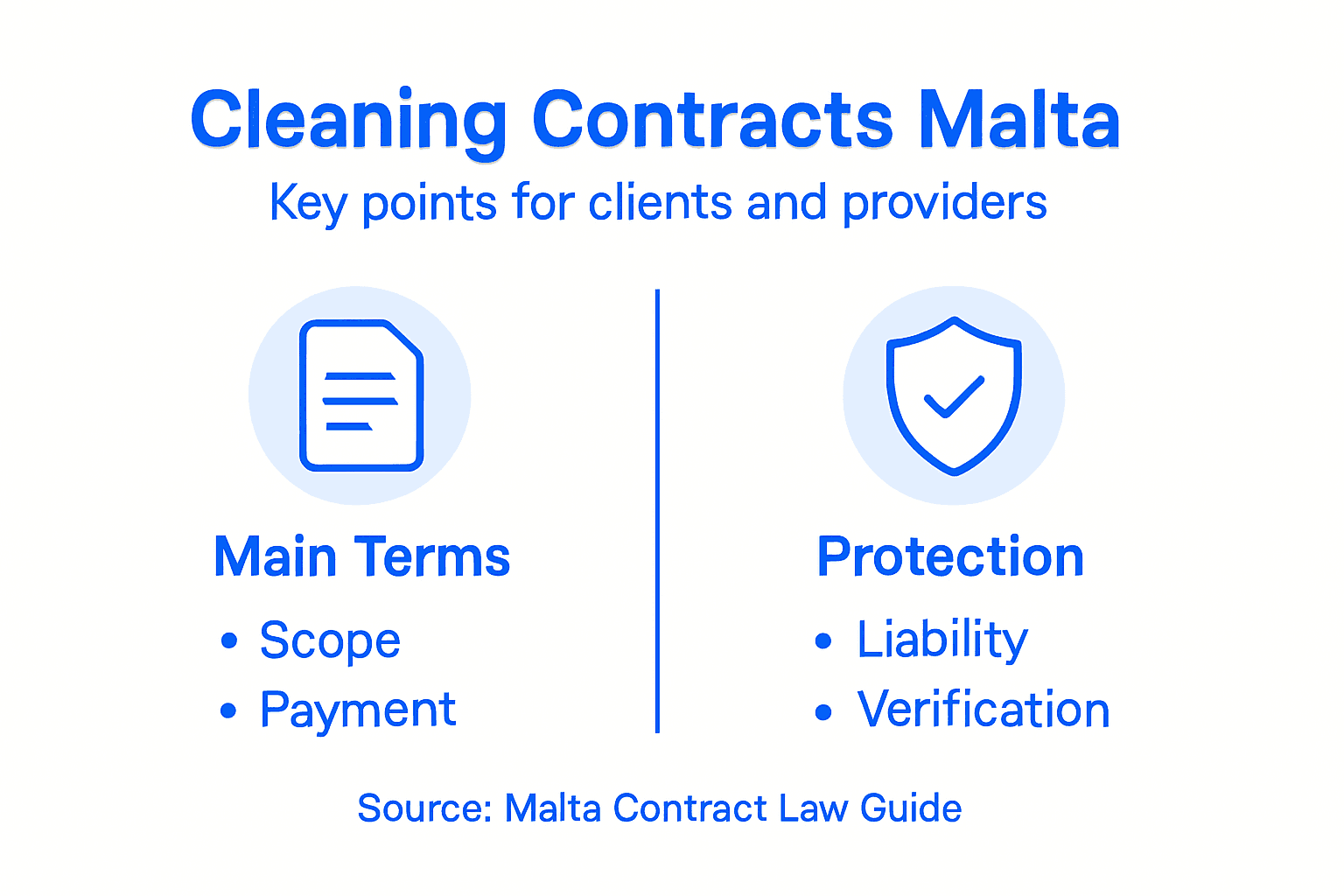
Verification and compliance requirements form another critical layer of protection. Any cleaning contractor operating professionally in Malta should comply with occupational health and safety regulations, environmental and waste disposal laws, and possess relevant permits or certifications. These are not optional extras; they are legal requirements. When you hire a cleaner through Rozie, the platform conducts verification of cleaners before onboarding, checking credentials and ensuring they meet these standards. If you arrange cleaning independently, ask your cleaner directly about their certifications and insurance. A professional cleaner should be able to produce documentation showing they meet Malta’s health and safety requirements. They should carry liability insurance protecting you if they accidentally damage your property or injure themselves on your premises. They should understand proper waste disposal procedures, especially if they handle hazardous cleaning products. Contractors must comply with occupational health and safety regulations and environmental disposal laws, and verification typically involves submitting compliance documentation. This is not bureaucratic red tape; these standards exist to protect you from substandard service and potential liability.
When reviewing a cleaning contract or choosing a cleaner, verify several key compliance points. First, confirm the cleaner is properly registered as a service provider in Malta. Second, check that they carry public liability insurance, which protects you if they damage your home or cause injury. Third, ensure they understand Maltese labor laws, meaning if you hire them regularly, they must be compensated according to local wage standards and labor protections. Fourth, verify they follow environmental disposal standards, particularly important if you want eco-friendly cleaning products used in your home. Many expats new to Malta underestimate how important these compliance checks are until something goes wrong. If an unverified cleaner damages your apartment and then disappears, you have no insurance claim and limited legal recourse. If they cause workplace injury on your property without insurance, you could face liability. These scenarios sound worst-case, but they happen often enough to make verification a non-negotiable step. Your contract should reference these compliance standards explicitly, stating that the cleaner agrees to maintain all required registrations, licenses, and insurance throughout the contract period.
Dispute resolution and enforcement mechanisms provide your final layer of protection. If you disagree with your cleaner about service quality or charges, your contract should specify how disputes are resolved. Some contracts require written notice of disputes within specific timeframes. Others specify mediation or arbitration before pursuing court action. Rozie’s platform includes built-in dispute resolution, meaning you have a neutral third party to adjudicate disagreements. If pursuing a contract independently, make sure you understand the dispute process before signing. Malta’s courts can enforce cleaning contracts, but litigation is expensive and time consuming. Better to have clear dispute resolution procedures outlined upfront. Additionally, confirm your contract includes performance guarantees, meaning the cleaner commits to specific quality standards and consequences if they fail to meet them. This might include a right to withhold payment or terminate the contract if service drops below agreed standards. These enforcement mechanisms exist in law, but they work best when explicitly stated in your written contract.
Pro tip: Before hiring any cleaner, ask them to provide proof of liability insurance and Maltese business registration, then verify the insurance is current—this 10-minute check protects you legally and signals you take professionalism seriously, often motivating higher quality service.
This table summarizes essential legal and compliance checks before finalizing a cleaning contract in Malta:
| Compliance Factor | What to Verify | Why It Matters |
|---|---|---|
| Business Registration | Registered with Maltese authority | Confirms professionalism, legal standing |
| Public Liability Insurance | Valid and current policy | Covers property damage or injury |
| Health & Safety Standards | Adherence to Maltese regulations | Reduces risks, ensures legal compliance |
| Labor Law Compliance | Fair pay, contract terms | Protects both client and cleaner |
| Environmental Disposal | Follows Maltese disposal laws | Proper handling of hazardous materials |
Roles, Payment Protection, and Common Risks
Understanding who does what in your cleaning arrangement prevents confusion and sets everyone up for success. The primary roles in a cleaning contract are clearly defined: you are the client, the person receiving services and paying for them. The service provider is the cleaner or cleaning company delivering the work. Sometimes you will encounter subcontractors, meaning the cleaner you hire brings in additional help, which your contract should address explicitly. You need to know whether your cleaner works alone or with a team, and whether they can bring others into your home without your approval. This matters for security, access control, and accountability. If something goes missing or gets damaged, you need to know who was actually in your home. Your contract should specify the primary cleaner’s name and whether substitutions are allowed. If you book through Rozie, the app clarifies these roles upfront, and you know exactly who you are expecting. When arranging independently, never assume roles are clear; write them down in your contract so there is no ambiguity about who is responsible for what.
Payment protection is where your financial interests get defended in writing. Payment protection clauses define invoicing schedules, late payment penalties, and conditions for withholding payment pending satisfactory service, creating a balanced arrangement that protects both parties. For you as the client, this means your contract should specify exactly when you pay and what happens if the cleaner fails to deliver quality work. Can you withhold payment if the bathroom is not properly cleaned? Can you deduct money for damages? Your contract should clarify these scenarios upfront rather than leaving them for an argument later. One effective approach is paying after verifying service quality, not before. Another is splitting payment, paying half upfront as a commitment and half after verifying completion. Your contract should also address what happens if you cannot pay on time. Do you face late payment penalties, or does the cleaner have the right to pause service until you catch up? A well-structured payment clause protects you from predatory practices while also protecting the cleaner from non-payment.
Common risks in cleaning contracts often emerge from unclear language or unmet expectations. Service delivery defaults occur when your cleaner simply does not show up or completes work poorly. Your contract should specify what happens in these situations. Do you get a refund? Can you hire someone else and charge the difference to the cleaner? What about repeated failures? Contractual breaches happen when either party violates the agreement. You might refuse to pay; your cleaner might enter when you have said no access. Your contract needs enforcement mechanisms for these scenarios. Quality disputes are surprisingly common because “clean” means different things to different people. You think the kitchen is filthy; your cleaner thinks it is fine. This is why your contract must define quality standards explicitly. Unclear clauses and inappropriate restrictions can lead to disputes and unenforceable provisions under Maltese law, making precision in contract language essential.
Other risks worth addressing include damage and liability issues. Your cleaner breaks your vase. Your contract should specify whether they replace it, pay you compensation, or whether their insurance covers it. Access and security risks matter in Malta, where expats sometimes have valuable belongings. Your contract should specify access procedures and what happens if something goes missing. Communication breakdowns often occur between clients and cleaners, especially with language differences. Your contract should establish clear communication protocols. Cancellation complications arise when you need to skip a visit or end service early. Your contract should specify cancellation notice requirements and any associated fees. Rozie’s platform addresses many of these risks through its dispute resolution system and verified cleaner network. When using the app, you have built-in protection against many common risks. When arranging independently, your written contract becomes your entire safety net. Make it comprehensive.
Pro tip: Always photograph or video record your home before your first cleaning visit, then take similar photos after each visit for comparison—this visual documentation prevents disputes about quality and provides evidence if something goes wrong.
Mistakes to Avoid When Booking Online
Booking cleaning services online offers convenience, but it also introduces pitfalls that can cost you money, time, and peace of mind if you are not careful. The first major mistake is not verifying the service provider’s legitimacy. Before you book anyone, confirm they are a real business operating in Malta. Check if they have a physical address, phone number, and business registration. Look for online reviews on multiple platforms, not just their website. When using Rozie, this verification is already done for you because the platform verifies all cleaners before they appear on the app. If booking independently through a website or social media, spend 10 minutes checking the cleaner’s credentials. A quick search or call to verify their registration prevents booking someone who might disappear after taking payment. Verifying service provider legitimacy and checking credentials before booking protects you from unreliable operators, and this precaution is especially important when sending payment or providing home access to someone you have never met.
Another critical mistake is failing to read terms carefully before clicking confirm. You scroll past pages of small print, click agree, and assume everything is fine. Then you discover the cleaner charges cancellation fees you did not know about, or the contract requires 60 days notice to terminate. These details matter enormously when your circumstances change. Read cancellation policies, payment terms, and termination rights before booking. Specifically, check what happens if you need to skip a visit, pause service for a month while traveling, or end the contract early. Common mistakes when entering online service agreements include overlooking cancellation policies and failing to verify payment security conditions before committing. Take 15 minutes to understand what you are agreeing to. Write down any terms you do not understand and ask for clarification. A cleaner who refuses to explain their policies is a red flag. Another overlooked mistake is neglecting to confirm payment security. How does the platform protect your payment? Is it held in escrow until you confirm service completion? Can you dispute charges if something goes wrong? If booking through Rozie, payment protection is built in. If using another platform or paying directly to a cleaner, confirm the payment method is secure and reversible if needed.
Mistake number four is assuming verbal promises are binding without documentation. Your cleaner promises they will provide all cleaning supplies. You book. They arrive expecting you to supply paper towels and disinfectant. Without written confirmation of who supplies what, you have no recourse beyond an awkward argument. Always get written confirmation of critical details: scope of work, supplies included, access arrangements, and what happens if service is unsatisfactory. Screenshots of chat conversations work, but a formal email or contract is better. Do not assume anything is confirmed until you have it in writing. Related to this is not requesting proof of insurance and licensing. A professional cleaner should carry liability insurance and be registered as a business in Malta. Ask for proof before booking. If they refuse or become defensive, walk away. This is not paranoia; it is basic protection. If they damage your home or cause injury, their insurance covers it. If they have no insurance, you potentially face liability yourself.
Expats new to Malta commonly make the mistake of not understanding Maltese contract law implications. Your online booking creates a legally binding contract under Maltese law. If disputes arise, you may need to pursue them through Malta’s court system, which is expensive and slow. Before booking, confirm the platform has dispute resolution procedures. Rozie includes this feature. Independent platforms may not. Another frequent error is ignoring red flags about communication responsiveness. Before booking, try contacting the cleaner with questions. Do they respond quickly? Are they professional and clear? Do they seem to understand your requests? If communication during the booking process is slow or unclear, expect worse problems once you have paid. Finally, not comparing multiple options leaves you overpaying or missing better alternatives. Spend time comparing prices, services offered, and reviews across different cleaners and platforms. You will quickly spot outliers. On Rozie, you can compare multiple verified cleaners and book the one that best fits your needs and budget.
Pro tip: Before confirming any online cleaning booking, create a checklist of non-negotiables for your situation (cancellation flexibility, supplies included, insurance verification, communication method), then verify the booking meets every item on your list before paying.
Simplify Your Cleaning Contracts with Verified Professionals in Malta
Managing cleaning contracts can often feel complicated and risky without clear terms, legal protection, and verified service providers. This article highlights key challenges like unclear scope of work, liability concerns, and the importance of compliance with Maltese law—common pain points for busy professionals and expats striving for trustworthy, transparent cleaning arrangements.
Rozie.app offers a streamlined solution to these challenges by connecting you with verified cleaners who meet strict standards and provide clear service agreements. With 7 days a week support and built-in payment protection, Rozie takes the guesswork out of hiring and contracting by ensuring both parties are protected and expectations are crystal clear. Whether you need ongoing maintenance or specialized cleaning, Rozie’s easy-to-use platform lets you book with confidence and peace of mind.
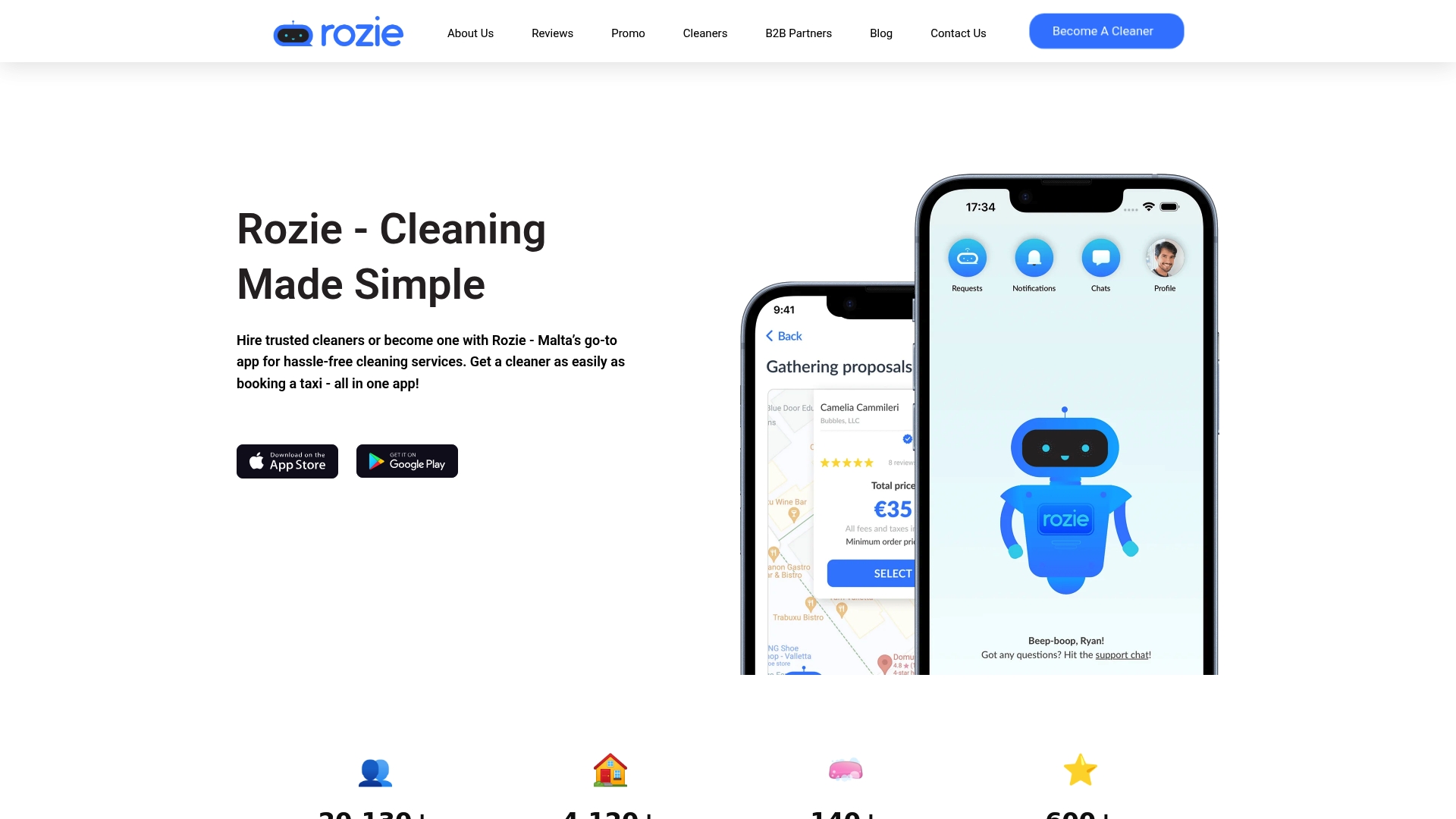
Ready to experience professional cleaning with transparent contracts and verified service? Visit Cleaning in Malta Archives | Rozie – Malta’s Best Cleaning Services to browse trusted options or start with our main page at https://rozie.app now. Empower your home or office with dependable cleaning solutions crafted for Malta’s unique requirements.
Frequently Asked Questions
What is the purpose of a cleaning contract?
A cleaning contract formalizes the agreement between a client and a cleaning service provider, detailing the scope of work, payment terms, and service frequency. It ensures clarity and accountability, minimizing misunderstandings about expectations.
What should I look for in a cleaning contract?
When reviewing a cleaning contract, pay attention to the scope of work, payment terms, cancellation policies, and liability clauses. It’s essential to ensure that the contract reflects your specific needs and provides clear definitions to avoid disputes.
How do cleaning contracts protect both parties?
Cleaning contracts provide legal protections by clearly outlining the responsibilities and obligations of both the client and the cleaner. They define the terms for service delivery, payment methods, and what happens in cases of damages or dissatisfaction, ensuring that both parties are safeguarded.
What are the different types of cleaning contracts available?
There are several types of cleaning contracts, including general cleaning contracts for routine maintenance, periodic cleaning for deep cleaning tasks, and specialized contracts for specific needs such as carpet or window cleaning. Understanding the right type for your situation prevents unnecessary costs or missed services.