

Most American travelers are surprised to learn that over a million people reside on Malta, an island only a fraction the size of most major American cities. Its position at the Mediterranean’s crossroads has turned Malta into a powerful voice in European affairs despite its small size. Whether you are curious about culture, opportunities, or lifestyle, gaining insight into Malta’s unique European identity can offer unexpected connections for both locals and international visitors.
Table of Contents
- Malta’s Identity and European Role
- Daily Life and Culture in Malta
- Legal Residency and Immigration Requirements
- Economic Landscape and Job Opportunities
- Modern Solutions for Everyday Convenience
Key Takeaways
| Point | Details |
|---|---|
| Malta’s Strategic Location | Positioned between Southern Europe and North Africa, Malta serves as a critical hub for maritime and diplomatic activities in the Mediterranean. |
| Economic Transformation | Malta has evolved from a manufacturing-based economy to a service-oriented one, with notable growth in financial services, technology, and tourism, opening up diverse job opportunities. |
| Cultural Richness | The island’s culture is a unique fusion of various influences, fostering strong community ties and deep-rooted traditions alongside modern European elements. |
| Digital Innovation | Malta is leading in digital solutions, enhancing everyday life through technology in government, healthcare, and commerce, thereby simplifying services for residents and visitors alike. |
Malta’s Identity and European Role
Malta represents a fascinating microcosm of European integration, strategically positioned at the Mediterranean’s crossroads between Southern Europe and North Africa. As the European Union’s smallest member state, Malta has transformed from a British colonial territory to a vibrant, independent nation with significant global influence. Its unique geographical position has historically made it a critical maritime and strategic hub, allowing the country to develop a distinctive cultural identity that blends European sophistication with Mediterranean dynamism.
The country’s European journey has been marked by remarkable economic and political transitions. After gaining independence from Britain in 1964 and becoming a full European Union member in 2004, Malta rapidly modernized its infrastructure, legal systems, and economic frameworks. This integration process involved comprehensive reforms across multiple sectors, including governance, environmental standards, and social policies. Malta’s green cleaning efforts exemplify how the nation has embraced European sustainability standards while maintaining its unique local character.
Today, Malta plays an outsized diplomatic role despite its small size. The nation actively participates in European policy discussions, particularly on migration, maritime security, and regional cooperation. Its multilingual population (fluent in Maltese and English) and strategic location make it an important bridge between European and Mediterranean interests. The country has also become a significant financial services and technology hub, attracting international businesses and positioning itself as a modern, forward-thinking European economy.
Pro Tip: Embrace Malta’s Dual Identity: When visiting or living in Malta, appreciate the blend of European sophistication and Mediterranean warmth by engaging with local communities, understanding their unique cultural nuances, and exploring how traditional practices coexist with modern European standards.
Daily Life and Culture in Malta
Maltese daily life is a vibrant tapestry of Mediterranean warmth, European sophistication, and rich historical traditions. The island’s compact size creates an intimate social environment where community connections run deep and interpersonal interactions are characterized by genuine hospitality. Families play a central role in social structures, with multi-generational households and strong kinship networks forming the backbone of social life. Smart activities for busy professionals reflect the dynamic balance between work and leisure that defines modern Maltese culture.
The cultural landscape is defined by a unique blend of influences, combining Phoenician, Arabic, Italian, and British heritage. The Maltese language, a distinctive Semitic language written in Latin script, symbolizes this rich cultural fusion. Religious traditions, predominantly Roman Catholic, remain significant in social life, with elaborate feast days and religious processions being important community events. Local festivals, such as the festas honoring patron saints, showcase elaborate decorations, fireworks, and community gatherings that bring neighborhoods together in celebration.
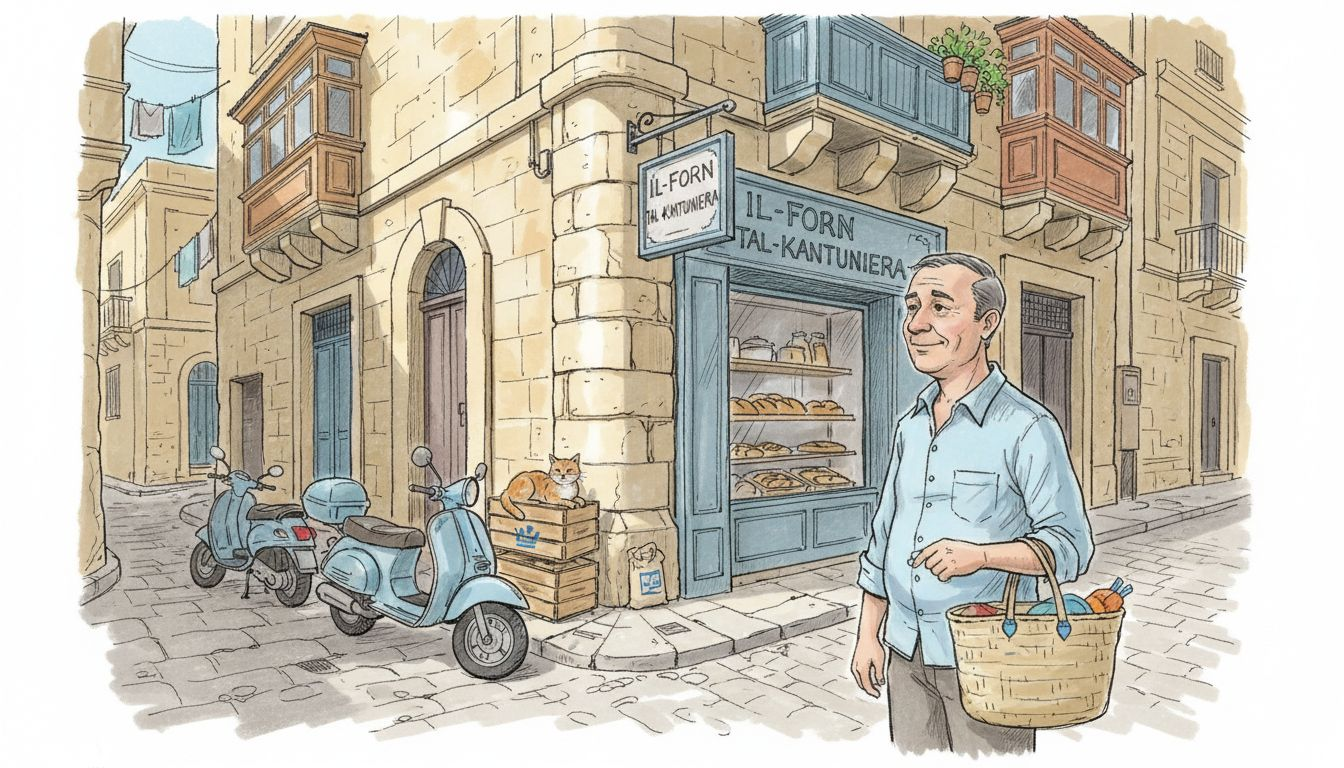
Urban and rural lifestyles in Malta offer contrasting yet complementary experiences. Coastal cities like Valletta and Sliema buzz with cosmopolitan energy, featuring modern cafes, international restaurants, and a thriving startup ecosystem. In contrast, traditional villages preserve a more relaxed pace of life, where neighbors know each other by name and local traditions remain strong. The culinary scene reflects this diversity, blending Mediterranean ingredients with international influences, creating a unique gastronomic experience that ranges from rustic pastizzi to sophisticated Mediterranean cuisine.
Here’s how Malta’s urban and rural lifestyles differ and complement each other:
| Aspect | Urban Malta | Rural Malta |
|---|---|---|
| Social Interaction | Cosmopolitan, diverse circles | Close-knit, neighborly communities |
| Pace of Life | Fast, dynamic, and modern | Relaxed, traditional, slower-paced |
| Common Activities | Dining, nightlife, business networking | Festivals, agriculture, community gatherings |
| Typical Environment | High-rise buildings, modern infrastructure | Historic villages, scenic landscapes |
Pro Tip: Cultural Immersion Strategy: Engage with local communities by participating in neighborhood events, learning basic Maltese phrases, and exploring both urban and rural settings to truly understand the nuanced social fabric of Maltese life.
Legal Residency and Immigration Requirements
Malta offers a comprehensive and strategic approach to immigration that reflects its unique position as a Mediterranean European nation. Prospective residents must navigate a multi-tiered system of residency permits designed to accommodate various scenarios, including work, study, retirement, and investment-based immigration. Malta’s EU presidency migration policies have significantly shaped the country’s approach to managing international mobility, creating a balanced framework that supports economic growth while maintaining robust immigration controls.
Foreign nationals seeking residency in Malta have several pathways available, each with specific requirements and documentation. The most common routes include employment-based permits, student residence, retirement visas, and investment programs like the Malta Permanent Residence Programme (MPRP). European Union citizens enjoy simplified procedures due to freedom of movement regulations, while non-EU nationals must meet more stringent criteria. Key requirements typically involve proving financial stability, securing health insurance, demonstrating a clean criminal record, and providing comprehensive documentation of professional qualifications or investment intentions.
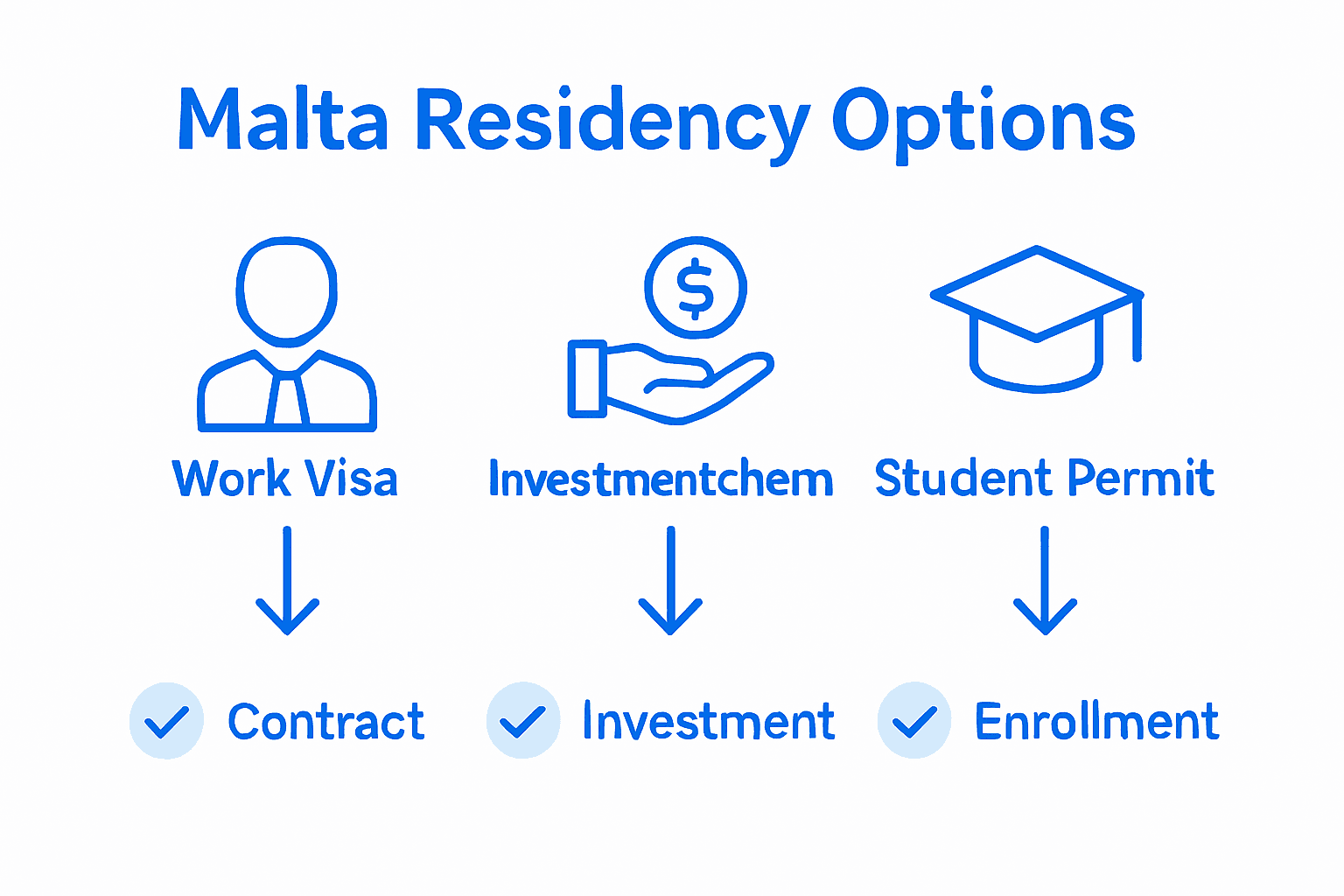
Here’s a quick summary of common residency pathways in Malta:
| Residency Pathway | Main Requirement | Typical Applicant |
|---|---|---|
| Employment-Based Permit | Valid job offer | Skilled professionals |
| Student Residence | Acceptance in program | International students |
| Retirement Visa | Proof of pension/income | Retirees |
| Investment Program (MPRP) | Approved investment | High-net-worth individuals |
The residency application process in Malta is characterized by its methodical and transparent approach. Applicants must submit detailed documentation to the Identity Malta Agency, including valid passport, proof of accommodation, financial statements, and specific permits related to their residency category. Processing times vary depending on the type of permit, with work and student permits often being processed more quickly than investment or retirement visas. The government has implemented digital platforms to streamline application procedures, making the process more accessible and efficient for international applicants.
Pro Tip: Documentation Preparedness: Gather and authenticate all required documents well in advance of your application, ensuring translations are certified and all paperwork meets Malta’s specific legal standards to expedite your residency process.
Economic Landscape and Job Opportunities
Malta’s economic landscape represents a dynamic and diversified ecosystem that has successfully transformed from a traditional manufacturing-based economy to a modern service-oriented environment. Malta’s EU membership economic impacts have been profound, opening access to expansive European markets and creating numerous opportunities across multiple sectors. Key industries driving economic growth include financial services, digital technology, tourism, maritime services, and advanced manufacturing, providing a robust and flexible job market for both local and international professionals.
The technology and digital sectors have emerged as particularly promising domains for job seekers. Malta has positioned itself as a competitive hub for blockchain, artificial intelligence, gaming, and fintech industries, attracting international companies and startups. Multinational corporations find the country attractive due to its strategic location, multilingual workforce, and business-friendly regulatory environment. Professional opportunities are particularly abundant for individuals with skills in software development, digital marketing, cybersecurity, financial analysis, and emerging technological domains.

Employment regulations in Malta are designed to protect workers while maintaining economic flexibility. The country offers competitive salary structures, comprehensive social security systems, and strong worker protection laws aligned with European Union standards. International professionals can find opportunities through various channels, including direct corporate recruitment, online job platforms, professional networking events, and specialized recruitment agencies. English language proficiency is a significant advantage, with most professional environments operating primarily in English, making the transition smoother for international talent.
Pro Tip: Career Networking Strategy: Leverage professional networking platforms, attend industry conferences, and connect with local business associations to discover hidden job opportunities and gain insights into Malta’s dynamic professional ecosystem.
Modern Solutions for Everyday Convenience
Malta has emerged as a pioneering hub for digital innovation, transforming everyday experiences through cutting-edge technological solutions. Digital innovation strategies developed during Malta’s EU Presidency have accelerated the adoption of smart technologies that simplify administrative processes and enhance quality of life. The island has successfully integrated digital platforms across multiple sectors, including government services, healthcare, transportation, and personal convenience, creating an ecosystem that prioritizes efficiency and user-friendly experiences.
The technological landscape in Malta is characterized by seamless digital solutions that address diverse daily needs. Mobile applications have become instrumental in streamlining services, from government interactions to personal management tools. Public transportation now features real-time tracking systems, digital payment platforms enable instant transactions, and government services have transitioned to user-friendly online interfaces. Healthcare providers offer digital appointment booking, prescription management, and telemedicine consultations, reducing bureaucratic complexities and improving accessibility for residents and visitors alike.
Consumer-focused technologies have particularly transformed personal convenience in Malta. Smart home technologies, integrated delivery services, digital banking platforms, and on-demand service applications have redefined traditional interaction models. The rise of gig economy platforms and service marketplaces has created flexible solutions for everything from home maintenance to professional services. Technological innovations have not only increased convenience but have also fostered a culture of entrepreneurship, enabling small businesses and independent professionals to connect more effectively with potential clients through digital platforms.
Pro Tip: Digital Integration Strategy: Embrace mobile applications and digital platforms by regularly updating your digital skills, exploring local service apps, and staying informed about emerging technological solutions that can simplify your daily routines.
Simplify Your Daily Life in Malta with Trusted Cleaning Services
Living in Malta means embracing a vibrant blend of Mediterranean warmth and modern European living. Yet balancing a busy lifestyle with cultural immersion and a fast-paced environment can create challenges in managing daily chores like cleaning. The article highlights how Malta’s digital innovations have improved convenience, making it easier for residents to streamline everyday tasks while enjoying the island’s unique social fabric.
When juggling work, social life, and local festivities, having a reliable, verified cleaning service can bring peace of mind and extra time to focus on what truly matters. Rozie.app offers a simple, secure platform that connects you instantly with verified cleaners or cleaning companies who meet high standards. With 7-day support and payment protection, Rozie.app is your trusted partner in embracing modern solutions for everyday convenience in Malta.
Explore more about how professional cleaning fits into Maltese lifestyles on our Cleaning in Malta Archives | Rozie – Malta’s Best Cleaning Services page.
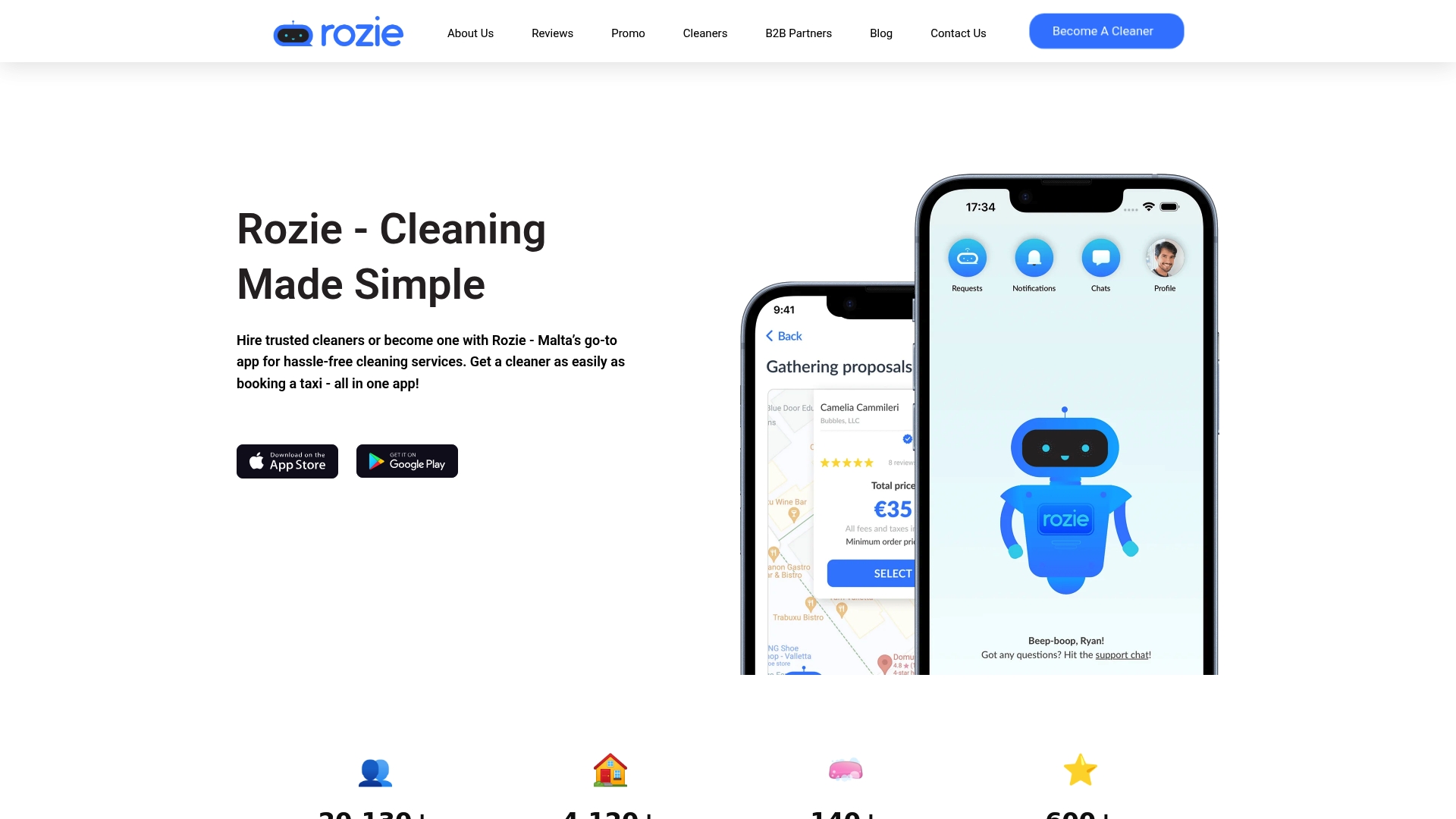
Ready to transform your home cleaning experience in Malta today Visit Rozie.app and book a trusted cleaner in minutes Enjoy a cleaner home and more time to live your Maltese life to the fullest
Frequently Asked Questions
What is everyday life like in Malta?
Daily life in Malta is characterized by a vibrant blend of Mediterranean warmth and European sophistication. The social environment is intimate, with strong community ties and a lively cultural scene influenced by various heritages. Families and local traditions play a central role in Maltese life, and both urban and rural lifestyles offer unique experiences.
How has technology impacted daily living in Malta?
Technology has significantly transformed daily living in Malta through digital innovations that enhance convenience. This includes user-friendly applications for government services, healthcare appointments, payment systems, and personal management tools, resulting in improved efficiency and accessibility for residents.
What are the cultural influences in Malta?
Malta’s culture is a rich tapestry of influences from Phoenician, Arabic, Italian, and British heritages. The Maltese language reflects this diversity, and religious traditions, especially Roman Catholic practices, play a significant role in social life with vibrant local festivals and community events.
How can I best integrate into Maltese culture?
To best integrate into Maltese culture, engage with local communities by participating in neighborhood events, learning some basic Maltese phrases, and exploring both urban and rural settings. This will help you appreciate the unique social fabric of Malta while building meaningful connections.