

More than 65 percent of American expats living abroad say finding reliable home cleaning help can feel nearly impossible. When time is tight and standards are high, busy professionals in Malta need proven strategies to keep their homes spotless without the stress. This guide outlines efficient, step-by-step methods tailored for those who value both their time and trusted service providers, making deep cleaning far less overwhelming.
Table of Contents
- Declutter Every Room For Efficient Cleaning
- Dust And Wipe All Surfaces And Fixtures
- Thoroughly Sanitize Kitchens And Appliances
- Deep Clean Bathrooms And Plumbing Areas
- Vacuum And Mop All Floors Carefully
- Refresh Upholstery, Curtains, And Rugs
- Disinfect High-Touch Points For Safety
Quick Summary
| Key Message | Explanation |
|---|---|
| 1. Declutter for efficiency | Start cleaning by sorting items to keep, donate, or discard, making the process more manageable. |
| 2. Dust and wipe surfaces thoroughly | Clean various surfaces with appropriate products to reduce germs and improve air quality. |
| 3. Sanitize kitchens regularly | Focus on high-touch areas in the kitchen to prevent bacteria from growing and maintain food safety. |
| 4. Deep clean bathrooms systematically | Address high moisture zones and hidden areas to eliminate germs and prevent mold growth. |
| 5. Disinfect high-touch points frequently | Clean areas like doorknobs and switches multiple times daily to minimize illness spread. |
1. Declutter Every Room for Efficient Cleaning
Tackling the chaos of a cluttered home is the critical first step in creating an efficient cleaning strategy. When your living spaces are overrun with unnecessary items, cleaning becomes exponentially more challenging and time consuming.
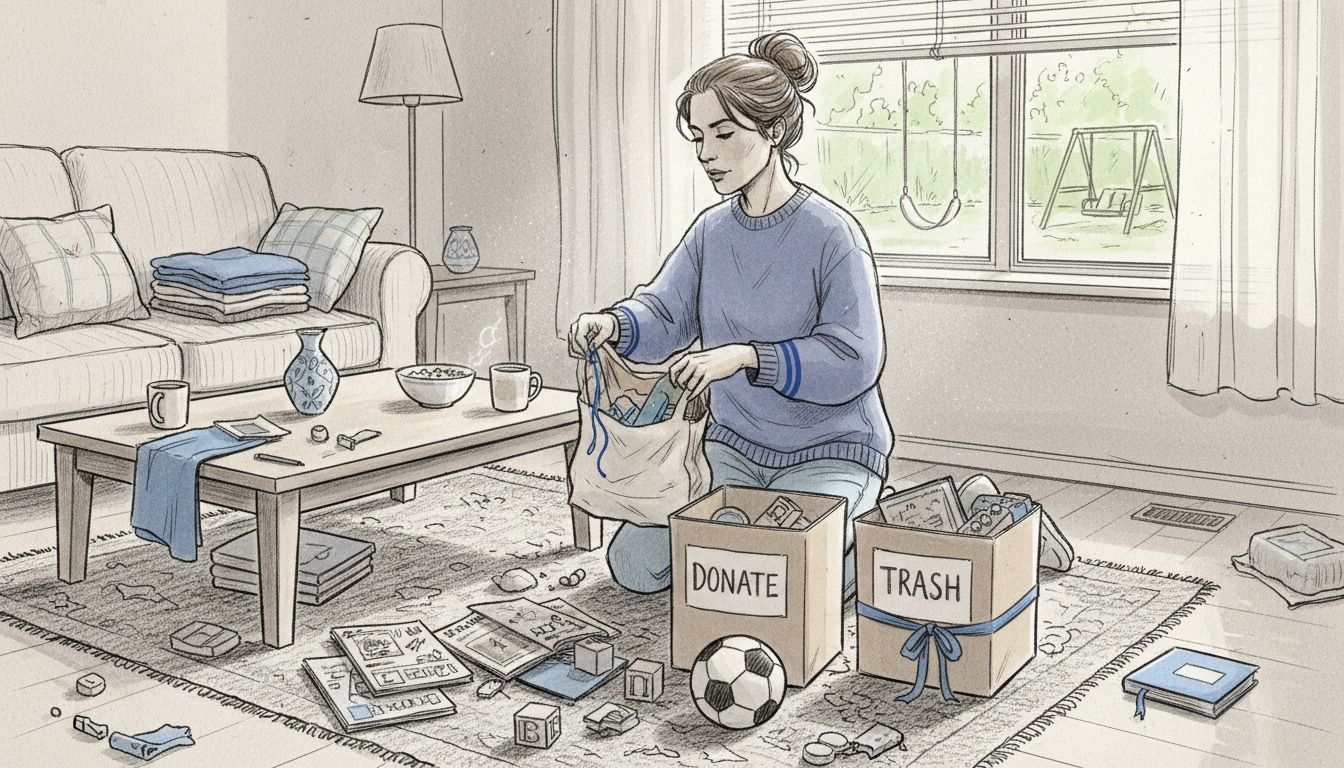
Starting your deep cleaning journey requires a systematic approach to decluttering. The most effective method involves sorting items strategically into keep, donate, and discard categories. Begin by selecting one room and work methodically from one corner to another, creating staging areas for different item classifications.
Prioritize high traffic zones like kitchens and bathrooms where clutter accumulates fastest. Remove trash immediately, group similar items together, and clear surfaces to create clean working spaces. Systematically removing unnecessary objects transforms your cleaning process from overwhelming to manageable.
For maximum efficiency, set a timer for short decluttering sessions to prevent feeling overwhelmed. Focus on one small area at a time—perhaps a single drawer or shelf—which makes the task feel less daunting. Creating clear pathways and open surfaces will dramatically reduce the time and effort required for thorough cleaning.
Pro tip: Create three labeled boxes or bags before starting your decluttering process: one for keeping, one for donating, and one for discarding, which will help you make quick decisions and maintain momentum.
2. Dust and Wipe All Surfaces and Fixtures
Dusting and wiping surfaces is far more than a cosmetic task. It is a critical step in maintaining a healthy living environment by removing dirt, reducing pathogens, and preventing the buildup of harmful microorganisms.
Comprehensive surface cleaning involves more than just visible dirt removal. The American Cleaning Institute emphasizes that simply making surfaces look clean does not guarantee germ elimination. Strategic cleaning requires understanding different surface types and using appropriate cleaning techniques.
Start by selecting the right cleaning products for each surface material. Hard surfaces like countertops, tables, and fixtures need different approaches compared to soft surfaces such as curtains or upholstery. The Centers for Disease Control recommends using soap or detergent to physically remove germs from high touch areas including light switches, doorknobs, remote controls, and kitchen appliances.
Work systematically from top to bottom in each room. Begin with ceiling fans, light fixtures, and high shelves. Move to countertops, tables, and lower surfaces. Use microfiber cloths which trap dust more effectively than traditional rags. Pay special attention to areas prone to bacteria accumulation like kitchen and bathroom fixtures.
Pro tip: Always work from top to bottom when dusting to prevent re-contaminating already cleaned surfaces, allowing dust and debris to fall downward and be collected in your final floor cleaning stage.
3. Thoroughly Sanitize Kitchens and Appliances
Kitchens are breeding grounds for bacteria and require meticulous sanitization to prevent foodborne illnesses and maintain a healthy living environment. The sanitization process goes beyond simple surface cleaning and demands strategic attention to every appliance and surface.
Begin by cleaning surfaces with soap and water to physically remove dirt and germs. High touch areas like faucets, refrigerator handles, stovetops, and countertops need weekly thorough cleaning. Cutting boards require special attention and should be sanitized weekly using a bleach solution to eliminate potential bacterial contamination.
Pay close attention to often neglected areas such as kitchen drains, which can harbor significant bacterial populations. Clean these areas using baking soda and thorough scrubbing techniques. Sanitizing kitchen tools like sponges and towels is equally crucial, which can be accomplished by microwaving sponges or washing them in hot water to kill harmful microorganisms.
Implement a systematic approach by starting with larger appliances like refrigerators and ovens, then moving to smaller surfaces and utensils. Use appropriate cleaning products for different materials, ensuring you follow manufacturer instructions for best results.
Pro tip: Create a weekly kitchen sanitization schedule and keep a dedicated cleaning kit with bleach solution, microfiber cloths, and specialized cleaners to make the process more efficient and consistent.
4. Deep Clean Bathrooms and Plumbing Areas
Bathrooms are complex ecosystems of moisture and potential bacterial growth that require systematic and thorough cleaning approaches. Comprehensive bathroom sanitization goes far beyond surface level wiping, demanding strategic attention to every fixture and hidden area.
Begin by addressing high moisture zones where bacteria and mold proliferate most aggressively. Clean and disinfect sinks, toilets, showers, and bathtubs using appropriate cleaning solutions that eliminate germs while protecting surface materials. Pay special attention to often overlooked areas like grout lines, drain edges, and behind toilet fixtures where moisture can accumulate.
Maintaining proper plumbing system hygiene involves more than aesthetic cleaning. Ensure good ventilation to prevent mold growth and allow surfaces to dry completely after cleaning. Use specialized bathroom cleaning products designed to break down soap scum, mineral deposits, and bacterial biofilms.
Implement a top to bottom cleaning strategy starting with light fixtures and upper walls, then moving to counters, fixtures, and finally floor surfaces. Use microfiber cloths and dedicated bathroom cleaning tools to minimize cross contamination and achieve a truly deep clean.
Pro tip: Create a bathroom cleaning kit with specialized tile cleaner, grout brush, microfiber cloths, and a squeegee to make your deep cleaning process more efficient and thorough.
5. Vacuum and Mop All Floors Carefully
Floor cleaning is a strategic process that requires careful preparation and systematic execution to achieve optimal results. Selecting the right equipment and approach for different floor surfaces is fundamental to thorough cleaning.
Begin by thoroughly vacuuming to remove loose dirt and debris before introducing any wet cleaning methods. Different floor types demand specific techniques hardwood requires gentler approaches compared to tile or vinyl surfaces. Start cleaning from the farthest corner of the room and progress toward the entrance to avoid stepping on freshly cleaned areas.
Choose cleaning solutions appropriate to your specific floor material. Hardwood floors need specialized wood cleaners that protect their finish, while ceramic tiles can tolerate more robust cleaning solutions. Use microfiber mops for even distribution of cleaning solution and superior dirt removal.
Pay special attention to high traffic zones like entryways and kitchen areas where dirt accumulates most quickly. Use attachments on your vacuum cleaner to reach corners, edges, and hard to access areas between furniture and walls.
Pro tip: Invest in microfiber cleaning pads and rotate them frequently during mopping to ensure you are always using a clean surface and preventing dirt redistribution.
6. Refresh Upholstery, Curtains, and Rugs
Textile surfaces like upholstery, curtains, and rugs accumulate dirt, dust, and allergens that can significantly impact indoor air quality and overall home cleanliness. Systematic cleaning of these surfaces requires understanding their unique material properties and appropriate maintenance techniques.
Regular vacuuming and professional deep cleaning are essential for maintaining textile floor coverings. Implement a routine that includes weekly vacuuming and comprehensive cleaning every 12 to 18 months to preserve the appearance and longevity of your textiles.
For machine washable rugs and curtains, follow specific fabric care instructions. Use gentle cycles with cold water and mild detergents. Air dry delicate items to prevent shrinkage or damage. For larger area rugs and upholstery, consider professional cleaning services that can effectively remove deep seated dirt and potential allergens.
Pay special attention to high traffic areas and spots prone to staining. Use fabric protector sprays on upholstery and consider rotating rugs periodically to ensure even wear and exposure. Different materials like wool, silk, or synthetic blends require tailored cleaning approaches.
Pro tip: Keep a designated fabric cleaning kit with specialized cleaners, microfiber cloths, and a handheld vacuum to address textile surface maintenance quickly and efficiently.
7. Disinfect High-Touch Points for Safety
High touch surfaces are potential transmission zones for harmful pathogens and require strategic cleaning approaches to maintain a healthy living environment. Understanding which areas need frequent disinfection can dramatically reduce the spread of illness in your home.
Cleaning high touch surfaces involves a two-step process of removing debris and then applying EPA-registered disinfectants. Critical areas include doorknobs, light switches, remote controls, countertops, faucet handles, refrigerator handles, and electronic devices which accumulate bacteria and viruses through frequent contact.
Experts recommend cleaning these surfaces two to three times daily using EPA-approved disinfectants. Pay special attention to contact times on product labels to ensure complete pathogen elimination. Use disposable or dedicated cleaning cloths for each surface type to prevent cross contamination.
Implement a systematic disinfection routine by working methodically through rooms. Start with kitchen and bathroom surfaces, then move to living areas. Use microfiber cloths with appropriate cleaning solutions and allow surfaces to air dry completely for maximum effectiveness.
Pro tip: Create a disinfection station with color coded microfiber cloths, EPA-approved disinfectant sprays, and disposable gloves to streamline your high-touch surface cleaning process.
Below is a comprehensive table summarizing the key strategies for effective home cleaning as outlined in the article.
| Cleaning Area | Steps and Strategies | Benefits |
|---|---|---|
| Decluttering Rooms | Sort items into keep, donate, and discard categories; focus on high-traffic zones. | Simplifies cleaning, creates organized spaces, and reduces overwhelm. |
| Dusting Surfaces | Start from top to bottom; use microfiber cloths for efficient dust capture. | Removes allergens, prevents recontamination, and keeps the environment clean. |
| Sanitizing Kitchens | Clean counters, appliances, and tools; address neglected areas like drains effectively. | Ensures a healthy, food-safe space by minimizing bacterial growth. |
| Deep Cleaning Bathrooms | Use suitable cleaners for sink, shower, and grout; maintain good ventilation. | Mitigates bacteria and mold, ensuring a sanitary and fresh environment. |
| Floor Maintenance | Vacuum thoroughly before mopping; choose cleaning solutions based on floor type. | Protects flooring, removes dirt effectively, and maintains an appealing appearance. |
| Textiles Care | Vacuum and clean upholstery and rugs regularly; follow care instructions for washing. | Enhances air quality, prolongs fabric life, and maintains cleanliness of upholstered and textile items. |
| Disinfecting High-Touch Areas | Clean frequently touched surfaces with EPA-approved disinfectants. | Reduces pathogen spread and maintains a healthier living space. |
Simplify Your Deep Cleaning Journey with Expert Help
Tackling the 7 Essential Steps for a Complete Deep Cleaning Checklist can feel overwhelming, especially when juggling decluttering, sanitizing kitchens, and disinfecting high-touch points. You want your home spotless but lack the time or the right tools. Rozie.app understands your challenges and connects you with verified professional cleaners in Malta who specialize in thorough, systematic cleaning methods just like those outlined in this guide.

Experience hassle-free booking on Rozie.app, Malta’s trusted platform often called the “Uber for cleaning.” Whether you need help dusting every surface, deep cleaning your bathroom, or maintaining upholstery and rugs, Rozie offers easy access to vetted cleaning experts with payment protection and 7 days a week support. Start your journey toward a healthier, more beautiful home today by exploring services in Cleaning in Malta Archives | Rozie – Malta’s Best Cleaning Services. Discover the new way to book verified cleaners online and reclaim your time now.
Frequently Asked Questions
How do I create a deep cleaning checklist?
To create a deep cleaning checklist, start by breaking down your home into specific areas and tasks. Outline steps like decluttering, dusting, sanitizing, and mopping for each room.
What should I focus on during the deep cleaning process?
Focus on high-traffic areas like kitchens and bathrooms, as they accumulate dirt fastest. Prioritize tasks such as disinfecting high-touch surfaces and thoroughly cleaning appliances to ensure a healthier home environment.
How often should I deep clean my home?
It is recommended to deep clean your home at least once every season, or every 3–6 months, depending on your living situation. Set a schedule to ensure all areas, especially kitchens and bathrooms, are regularly maintained.
What tools do I need for effective deep cleaning?
Essential tools for deep cleaning include microfiber cloths, a vacuum cleaner, mops, and appropriate cleaning solutions for different surfaces. Gather all necessary items before starting to streamline the cleaning process.
How can I maintain cleanliness after a deep clean?
To maintain cleanliness, implement a weekly cleaning routine addressing high-touch surfaces and clutter. Engage all household members in simple tasks, such as tidying up daily to keep spaces organized and clean.
Should I hire professional help for deep cleaning?
Hiring professional help can be beneficial if you have a large home or specific needs like carpet or upholstery cleaning. Evaluate the size of your cleaning project to decide if professional services are necessary for efficiency and effectiveness.
Recommended
- 7 Practical Examples of Deep Cleaning for Busy Maltese Homes | Rozie – Malta’s Best Cleaning Services
- Holiday Home Cleaning Steps for a Spotless Stay | Rozie – Malta’s Best Cleaning Services
- 7 Simple Steps for a Complete Household Cleaning Checklist | Rozie – Malta’s Best Cleaning Services
- 8 Essential Steps for Your Spring Cleaning List | Rozie – Malta’s Best Cleaning Services