


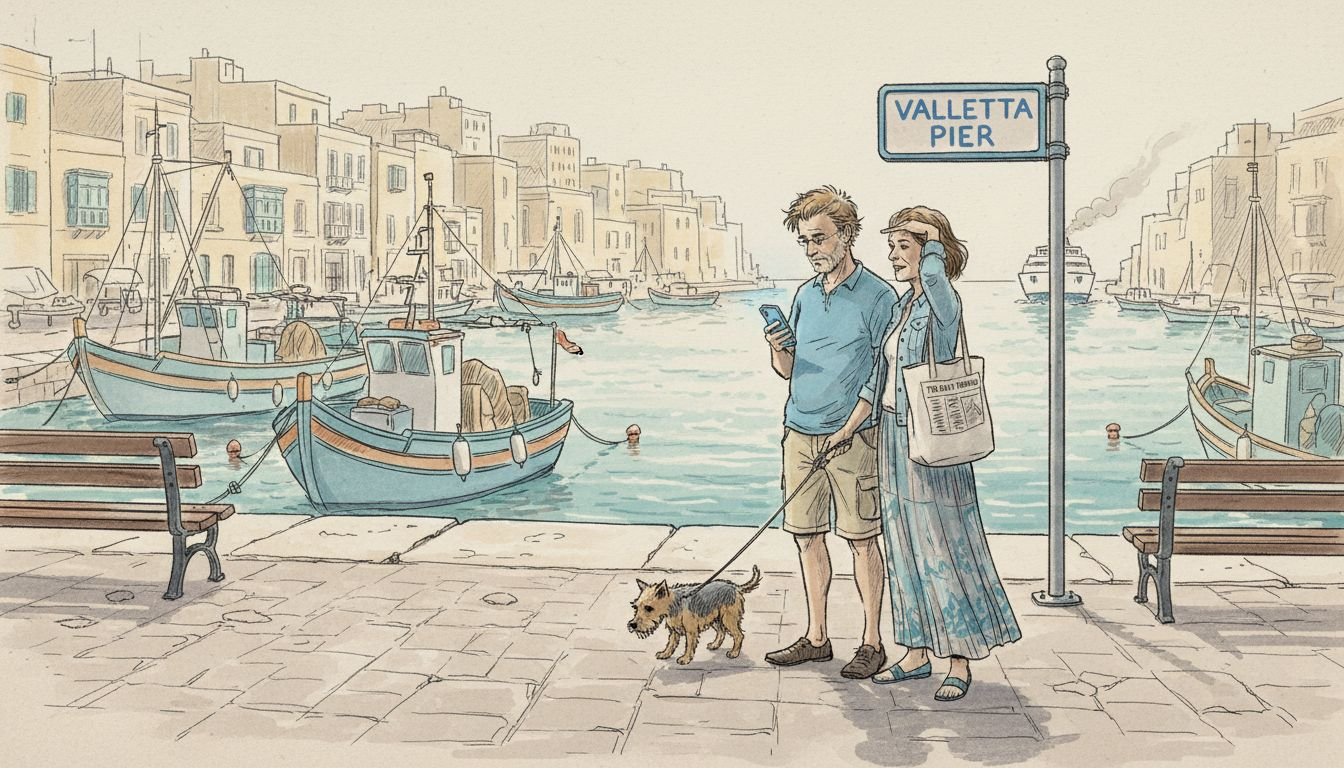
More than 60 percent of American and European expats living in Malta say reliable cleaning services are their top need for peace of mind at home. As a busy professional, the reality of juggling long work hours and daily life means you crave convenience and trust in the people who care for your space. Discover how Malta’s unique mix of English-speaking support, transparent quality checks, and verified providers can help you take control of your home environment—without hassle or compromise.
Table of Contents
- Malta Country Basics And Common Myths
- Key Islands, Climate, And Population Insights
- Legal System, Languages, And Residency Options
- Cost Of Living, Taxes, And Local Economy
- Quality Of Life, Security, And Daily Services
- Comparing Malta To Other European Destinations
Key Takeaways
| Point | Details |
|---|---|
| Cultural Integration | Malta’s official languages, English and Maltese, simplify the integration process for expatriates in both professional and social environments. |
| Dynamic Economy | Malta’s economy features strong sectors in financial services and technology, making it an attractive location for international professionals and entrepreneurs. |
| Affordable Living | The cost of living in Malta is notably lower than in major Western European cities, allowing for a favorable standard of living for expatriates. |
| High Quality of Life | Malta offers a robust healthcare system, low crime rates, and a vibrant community, contributing to an overall excellent quality of life for residents. |
Malta Country Basics and Common Myths
Malta represents a fascinating European island destination that challenges many preconceived notions about small Mediterranean nations. Located strategically between Sicily and North Africa, this archipelago offers expats a unique blend of historical depth and modern convenience. Country life in Malta reveals a complex cultural landscape where British colonial influences intersect with Mediterranean traditions.
Contrary to common misconceptions, Malta is far more than just a tourist destination. The country boasts two official languages – English and Maltese – which dramatically simplifies integration for international professionals. English proficiency means expatriates can navigate bureaucratic, professional, and social environments with remarkable ease. According to expat resources, the educational system reflects this linguistic openness, with comprehensive schooling options designed to support international families.
Some persistent myths about Malta warrant clear debunking. Many assume the island is exclusively a retirement haven or summer vacation spot. In reality, Malta hosts a dynamic, technology-driven economy with robust sectors in financial services, digital technology, and international business. The country’s strategic location, coupled with a business-friendly regulatory environment, attracts young professionals and entrepreneurs seeking innovative opportunities. Its compact size belies a sophisticated infrastructure that supports modern professional life.
Pro Tip – Expat Integration: Research local neighborhoods thoroughly before moving, as each area in Malta offers distinct cultural and lifestyle characteristics that can significantly impact your expatriate experience.
Key Islands, Climate, and Population Insights
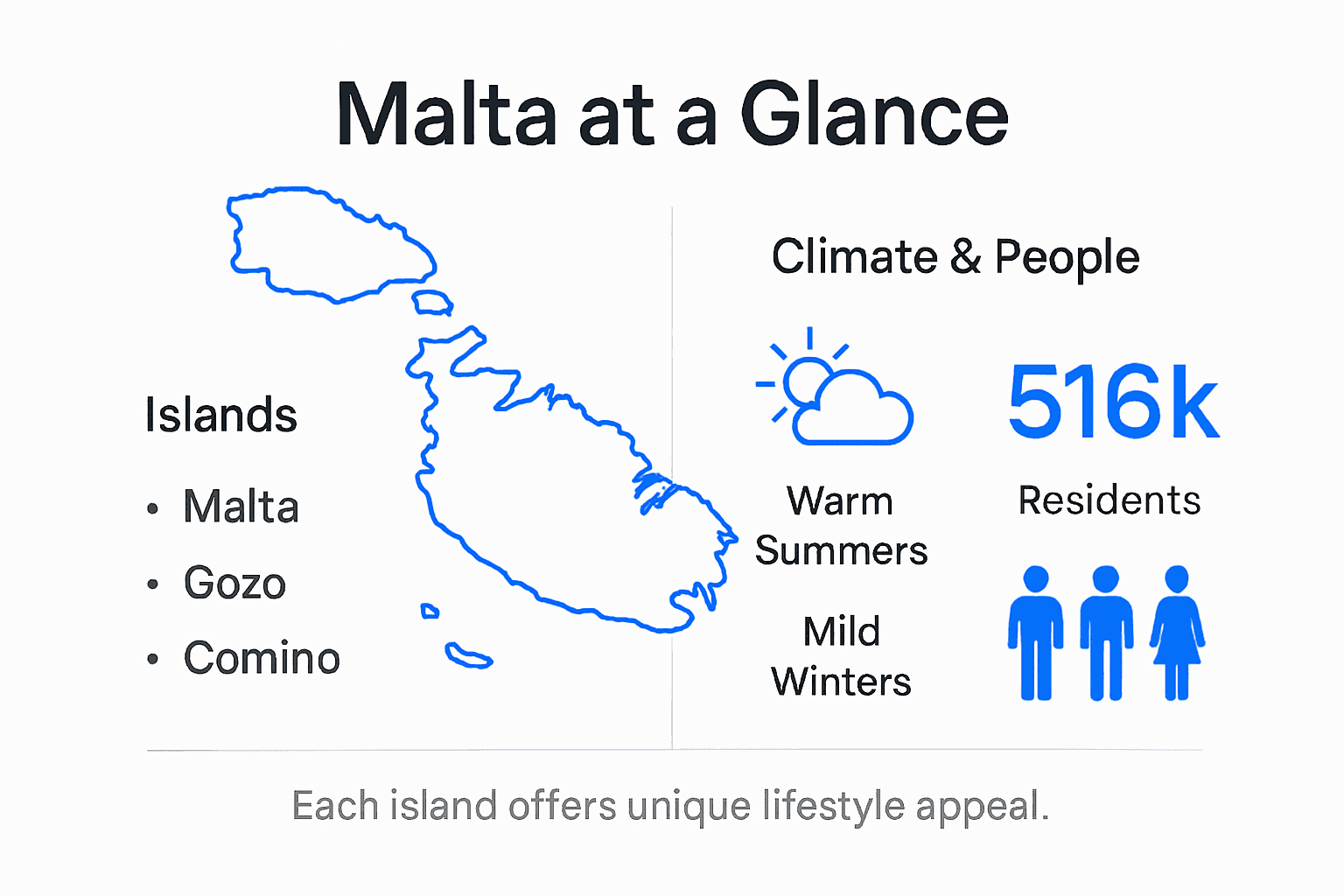
Malta is an archipelago comprising three primary inhabited islands: Malta, Gozo, and Comino, each offering unique characteristics that fascinate expatriates and travelers alike. Demographic studies from the United Nations Economic Commission for Europe reveal a compact yet diverse population landscape that makes this Mediterranean destination remarkably attractive for international residents.

The climate dynamics of Malta present a Mediterranean marvel, characterized by long, warm summers and mild winters. Comprehensive climate research tracking data from 1952 to 2020 demonstrates consistent temperature patterns that make outdoor living exceptionally comfortable. Average summer temperatures hover around 86°F (30°C), while winter temperatures rarely dip below 59°F (15°C), creating an ideal environment for expatriates seeking year-round pleasant weather conditions.
Population insights further illuminate Malta’s unique social landscape. With approximately 516,000 residents spread across just 122 square miles, the country maintains an extraordinary population density of about 4,230 people per square mile. This concentration fosters a vibrant, interconnected community where international professionals can quickly establish social and professional networks. The population skews relatively young, with a median age around 42 years and a significant proportion of residents engaged in service, technology, and financial sectors.
Pro Tip – Climate Adaptation: Pack versatile clothing that can transition smoothly between warm daytime temperatures and cooler evening breezes, ensuring comfort across Malta’s dynamic Mediterranean microclimate.
Here’s a summary of Malta’s main islands for expatriates:
| Island | Key Features | Lifestyle Appeal |
|---|---|---|
| Malta | Business center, cultural hub | Urban living, active nightlife |
| Gozo | Rural, scenic, quieter pace | Relaxed, nature-focused |
| Comino | Few residents, natural parks | Retreat, hiking, tranquility |
Legal System, Languages, and Residency Options
Malta presents a fascinating legal framework that uniquely blends multiple judicial traditions, making it particularly attractive for international residents. Insights from the University of Malta reveal a hybrid legal system that incorporates elements of civil law, common law, and European Union regulations. This sophisticated legal infrastructure ensures robust protection and clear pathways for expatriates seeking to establish permanent residency.
Linguistic diversity stands as another remarkable feature of Maltese society, with English and Maltese serving as official languages. This bilingual environment dramatically simplifies integration for international professionals, eliminating many traditional communication barriers encountered in other European countries. Most government documents, legal proceedings, and business communications are conducted in English, providing exceptional accessibility for expatriates from English-speaking nations.
Residency options in Malta are designed to accommodate various professional and lifestyle needs. The country offers several pathways for expatriates, including employment-based permits, investor visas, and retirement residence schemes. Notably, the Global Residence Programme and the Permanent Residence Programme provide flexible routes for non-European Union citizens to establish long-term residency. These programs typically require proof of financial stability, health insurance, and a clean criminal record, with specific requirements varying based on individual circumstances and professional backgrounds.
Pro Tip – Legal Navigation: Consult with a local immigration lawyer specializing in expatriate residency to ensure you select the most appropriate visa category and understand all documentation requirements before beginning your relocation process.
Cost of Living, Taxes, and Local Economy
Malta offers an attractive economic landscape for expatriates, characterized by a surprisingly affordable cost of living compared to other Western European destinations. Country life in Malta reveals a nuanced economic environment where housing, food, and transportation costs remain significantly lower than in major metropolitan areas like London, Paris, or New York. Monthly expenses for a single professional typically range between $1,800 to $2,500, depending on lifestyle choices and neighborhood selection.
Taxation dynamics in Malta present another compelling advantage for international professionals. The country maintains a competitive tax regime with progressive rates typically ranging from 0% to 35%, offering numerous incentives for foreign residents and digital professionals. Notably, Malta’s tax system provides special arrangements for high-net-worth individuals and those working in technology, financial services, and digital industries. Expatriates can benefit from potential tax refunds, double taxation treaties, and specialized residency programs that optimize personal financial management.
The local economy demonstrates remarkable resilience and diversification, with strong sectors including financial services, digital technology, tourism, and maritime industries. Malta has successfully positioned itself as a Mediterranean hub for international business, attracting multinational corporations and startup ecosystems. The technology sector, in particular, has experienced exponential growth, with numerous international companies establishing regional headquarters and development centers across the island. This economic dynamism translates into robust job markets for skilled professionals, particularly those in digital, financial, and service-oriented roles.
Pro Tip – Financial Planning: Consult with a local tax advisor specializing in expatriate finances to understand specific tax optimization strategies and leverage Malta’s unique residency and tax frameworks effectively.
Quality of Life, Security, and Daily Services
Comprehensive research on Malta’s societal well-being reveals an exceptional quality of life that positions the country as a top destination for expatriates seeking both comfort and opportunity. Malta consistently ranks high in global happiness indices, with robust social infrastructure, low crime rates, and a Mediterranean lifestyle that balances work and personal enjoyment. The compact nature of the islands ensures that essential services, healthcare facilities, and recreational amenities remain easily accessible within short distances.
Healthcare accessibility stands out as a particular strength of Maltese society. World Health Organization reports highlight Malta’s advanced medical system, which combines public and private healthcare options with high-quality standards comparable to other Western European nations. Expatriates benefit from comprehensive health insurance coverage, modern medical facilities, and an average life expectancy of 82 years. English-speaking medical professionals and a well-developed healthcare infrastructure make medical interactions seamless for international residents.
Security represents another compelling advantage of Maltese living. The country consistently ranks among the safest destinations globally, with low crime rates and a strong sense of community. Daily services demonstrate remarkable efficiency, from reliable public transportation and internet connectivity to streamlined administrative processes. The digital infrastructure supports remote work, with widespread high-speed internet and a business-friendly environment that caters to international professionals. Utilities, banking, and municipal services operate with transparency and user-friendly digital platforms, minimizing bureaucratic complications typical in many other countries.
Pro Tip – Community Integration: Invest time in local neighborhood interactions and community events to quickly establish social connections and gain insider knowledge about navigating daily services effectively.
Comparing Malta to Other European Destinations
Comparative economic analysis reveals Malta’s unique positioning among European destinations, offering a compelling alternative to traditional expat hotspots. Unlike expensive metropolitan areas in Western Europe, Malta provides an extraordinary balance of affordability, quality of life, and professional opportunities. Cost of living metrics demonstrate significant advantages, with monthly expenses averaging 30-40% lower than in countries like Germany, France, and the United Kingdom, while maintaining comparable standards of living and infrastructure.
Economic flexibility distinguishes Malta from many European counterparts. The country’s strategic approach to business, taxation, and residency creates an environment particularly attractive to digital professionals, entrepreneurs, and remote workers. Comprehensive European destination comparisons highlight Malta’s competitive edge in areas such as tax optimization, startup ecosystem support, and English-language professional environments. While traditional European job markets struggle with rigid employment structures, Malta offers more adaptable, innovation-friendly frameworks that appeal to dynamic international talent.
Quality of life metrics further underscore Malta’s appeal. The Mediterranean island nation outperforms many European destinations in healthcare accessibility, safety ratings, and work-life balance. Unlike densely populated urban centers in Northern Europe, Malta provides a more relaxed lifestyle without sacrificing professional opportunities. Its geographical positioning offers unique advantages – proximity to major European markets, excellent connectivity, and a climate that supports year-round outdoor activities. The combination of low bureaucratic friction, high English proficiency, and welcoming cultural attitudes makes Malta an increasingly attractive destination for professionals seeking an alternative to conventional European expatriate experiences.
Here’s a comparison of Malta and major Western European cities for expats:
| Aspect | Malta | Western Europe (London, Paris) |
|---|---|---|
| Monthly Expenses | $1,800–$2,500 | $2,800–$4,200 |
| Official Languages | English, Maltese | Varies, often not English |
| Tax Structure | 0%–35%, flexible | 20%–45%, less flexible |
| Expatriate Appeal | Affordable, accessible | Higher cost, more complex |
Pro Tip – Destination Research: Conduct in-depth personal interviews with current expats and attend international professional networking events to gain nuanced insights beyond standard comparative metrics before making your relocation decision.
Simplify Your Life in Malta with Trusted Cleaning Services
Moving to Malta offers exciting opportunities and an exceptional lifestyle, but settling into a new country means juggling many responsibilities. Managing household chores can become a real challenge when you are focused on building your career or exploring the vibrant Maltese culture. That is where Cleaning in Malta Archives | Rozie – Malta’s Best Cleaning Services can help — Rozie.app connects you with verified local cleaners who understand the unique needs of expats.

Enjoy the full benefits of Malta’s quality of life without the stress of daily cleaning tasks. Rozie provides a simple and secure platform that offers 7 days a week support and payment protection. Whether you live in the busy urban center of Malta island or the peaceful surroundings of Gozo, you can find reliable, professional cleaning services quickly and easily. Act now to experience hassle-free home care and spend more time enjoying your new island life by visiting rozie.app. Discover insights and stay updated on how to optimize your life abroad by exploring the Rozie Blog, Business Archives and News.
Frequently Asked Questions
What are the primary languages spoken in Malta?
Malta has two official languages: English and Maltese. This bilingual environment significantly eases the integration process for expatriates, as most business and government communications are conducted in English.
How is the cost of living in Malta compared to other European destinations?
The cost of living in Malta is notably more affordable, averaging monthly expenses between $1,800 and $2,500, which is 30-40% lower than major cities in Western Europe while maintaining comparable living standards.
What are the residency options available for expats in Malta?
Malta offers various residency options, including employment-based permits, investor visas, and retirement residence schemes such as the Global Residence Programme and the Permanent Residence Programme to accommodate diverse expatriate needs.
What is the climate like in Malta?
Malta enjoys a Mediterranean climate characterized by long, warm summers and mild winters. Average summer temperatures reach around 86°F (30°C), while winter temperatures rarely drop below 59°F (15°C), making it an appealing location for outdoor activities year-round.
Recommended
- Country Malta Europe – Daily Life and Modern Solutions | Rozie – Malta’s Best Cleaning Services
- 7 Smart Things to Do in Malta for Busy Professionals | Rozie – Malta’s Best Cleaning Services
- 7 Smart Things To Do in Malta for Busy Professionals | Rozie – Malta’s Best Cleaning Services
- Discovering Malta’s Green Cleaning Efforts
- The Ultimate Guide to International House Rentals (2025) – Guestly Homes