



Most American professionals relocating to Malta are surprised to find that over 30 percent of expats struggle to identify Malta’s true geographic position. With its unique place between Europe and North Africa, understanding Malta’s archipelago is vital for anyone seeking a seamless transition to daily life. This clear overview unlocks the essentials so you can settle in, connect with other American and international residents, and focus on finding trusted household support instead of worrying about location confusion.
Table of Contents
- Malta’s Geographic Location and Definition
- The Maltese Archipelago and Main Islands
- Travel Connections and Accessibility
- How Malta’s Location Shapes Daily Life
- Common Misconceptions About Malta Location
Key Takeaways
| Point | Details |
|---|---|
| Strategic Location | Malta is a pivotal archipelago in the central Mediterranean, influencing maritime trade and cultural exchanges throughout history. |
| Unique Islands | The Maltese archipelago encompasses three main islands, each with distinct characteristics influencing lifestyle and economic focus. |
| Accessibility | Malta International Airport and a robust public transportation system facilitate easy travel and connectivity within the region. |
| Cultural Misconceptions | Malta is often misidentified as an extension of Italy, despite its independent cultural and linguistic identity rooted in Semitic traditions. |
Malta’s Geographic Location and Definition
Malta is a small yet strategically positioned archipelago located in the central Mediterranean Sea, situated approximately 93 kilometers (58 miles) south of Sicily and 288 kilometers (179 miles) north of Libya. As a sovereign island nation, Malta represents a unique geographic crossroads between Southern Europe and North Africa. Its compact size notwithstanding, the country occupies a critically important position that has made it historically significant for maritime trade, military strategy, and cultural exchange.
The Maltese archipelago consists of three primary inhabited islands: Malta (the largest), Gozo, and Comino. These islands span a total land area of just 316 square kilometers (122 square miles), making Malta one of the world’s smallest yet most densely populated countries. Its strategic Mediterranean location has profoundly influenced its historical development, with successive civilizations including Phoenicians, Romans, Arabs, Normans, and British leaving distinct cultural and architectural imprints. This geographic positioning made Malta an important Mediterranean strategic hub for international interactions, serving as a critical maritime waypoint throughout centuries of regional commerce and geopolitical movements.
Geologically, Malta is characterized by limestone formations that create dramatic coastal landscapes with steep cliffs, natural harbors, and unique Mediterranean terrain. The islands feature a Mediterranean climate with hot, dry summers and mild, wet winters, providing an attractive environment for expatriates seeking pleasant year-round weather conditions. This geographical context has shaped Malta’s economic opportunities, cultural diversity, and international significance far beyond what its modest size might suggest.
Pro tip: When considering relocation to Malta, research the specific microclimates and geographic variations between different regions of the archipelago to find the most suitable living environment for your personal preferences.
The Maltese Archipelago and Main Islands
The Maltese archipelago is a fascinating collection of islands that offers a diverse and complex geographical landscape. Positioned at the center of the Mediterranean, this island cluster emerges from the submerged Pelagian Platform, presenting a unique geological environment that has shaped its development over millennia. The primary islands of Malta, Gozo, and Comino are complemented by smaller, less inhabited islands like Cominotto and Filfla, each contributing to the rich tapestry of the archipelago’s natural and cultural heritage.
Malta, the largest island, serves as the primary economic and administrative center of the archipelago. Covering approximately 246 square kilometers, it hosts the majority of the population and key infrastructure. Gozo, the second-largest island, offers a more rural and tranquil environment, characterized by picturesque landscapes, traditional farming communities, and a slower pace of life. Comino, the smallest of the three main islands, is largely uninhabited and functions as a critical nature reserve and tourist destination, famous for its stunning Blue Lagoon and pristine marine environments.
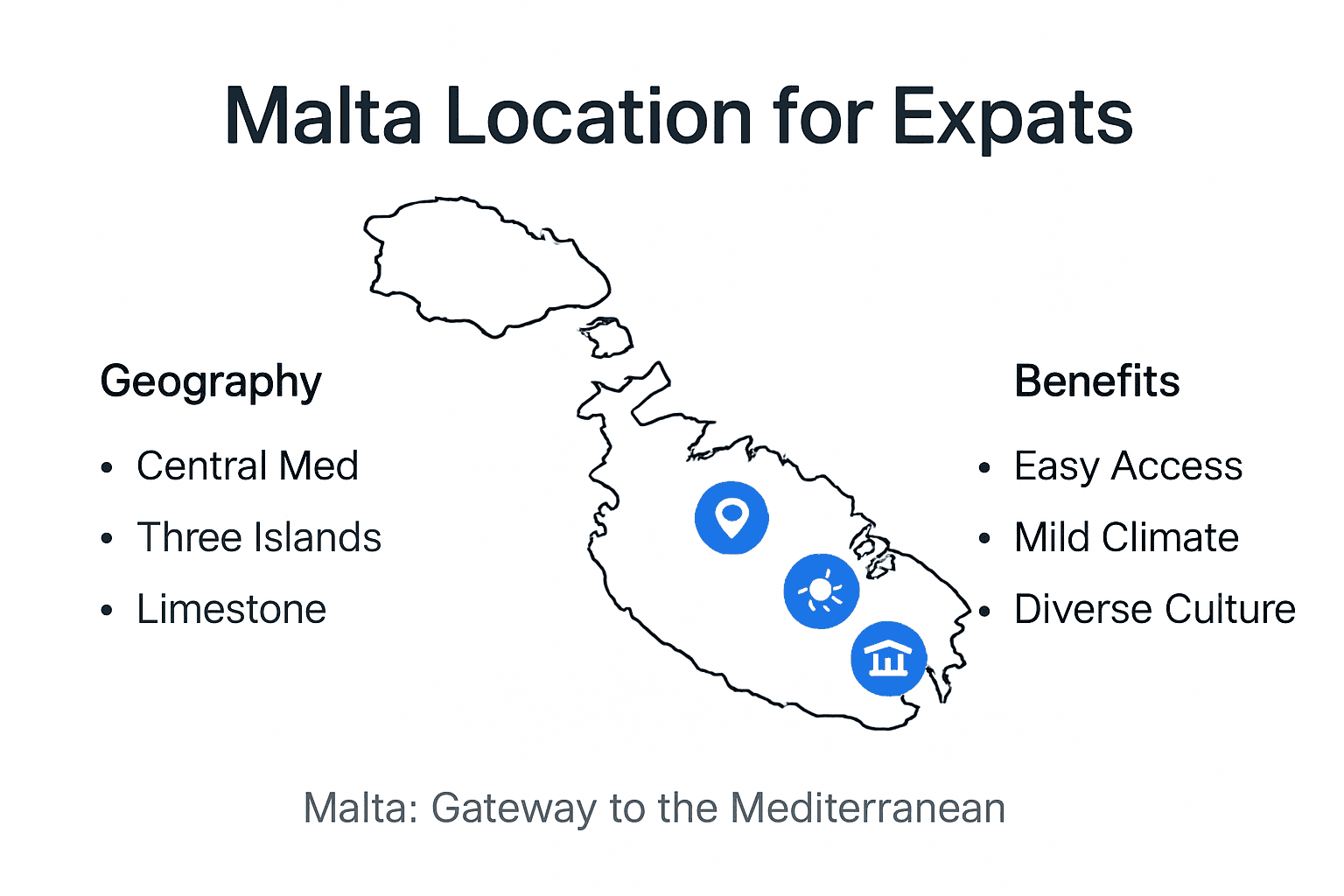
The geological composition of these islands is predominantly limestone, creating dramatic coastal formations, steep cliffs, and intricate cave systems. This unique terrain has not only influenced settlement patterns but also played a crucial role in the islands’ ecological diversity. The fault systems and variable topography across the islands have created microclimates and distinct ecological niches that support a wide range of plant and animal species, making the Maltese archipelago a fascinating study in geological and biological complexity.
Here’s a comparison of Malta’s three main islands to help readers understand their distinct roles and characteristics:
| Island | Main Features | Population & Lifestyle | Economic Focus |
|---|---|---|---|
| Malta | Largest, urbanized, harbors | Dense, vibrant, modern | Business, administration |
| Gozo | Rural, scenic, farming | Quiet, traditional, relaxed | Agriculture, tourism |
| Comino | Natural reserve, Blue Lagoon | Sparse, nature-oriented | Eco-tourism, leisure |
Pro tip: When exploring the Maltese islands, plan your transportation carefully, as each island offers distinct experiences and requires different travel strategies to fully appreciate its unique characteristics.
Travel Connections and Accessibility
Malta International Airport serves as the primary gateway for international travel, providing crucial connectivity for expatriates and visitors. The airport offers direct connections to major cities across Europe, North Africa, and the Middle East, ensuring convenient access to and from the Maltese archipelago. The national transportation infrastructure supports seamless travel through comprehensive public transport systems, including frequent bus routes, airport transfer services, and inter-island ferry connections that make navigating the archipelago remarkably straightforward.
The public transportation network in Malta is particularly well-developed, with an integrated system that connects urban centers, rural areas, and key tourist destinations. Public transport and ferry services provide all-season accessibility between Malta’s main island, Gozo, and other Mediterranean destinations, making island hopping and regional travel exceptionally convenient. Expats and residents can easily move between Malta, Gozo, and Comino using regular ferry services, with multiple departure points and frequent schedules that accommodate both daily commuters and leisure travelers.
Technology has significantly enhanced travel accessibility in Malta, with digital platforms and mobile applications providing real-time transportation information. Travelers can now access comprehensive route maps, schedule updates, and ticketing services through smartphone apps, making navigation more intuitive and efficient. The transportation infrastructure supports multiple modes of travel, including buses, ferries, rental vehicles, and increasingly popular electric scooter and bike-sharing services, offering flexible mobility options for both short-term visitors and long-term residents.
Pro tip: Consider purchasing a Tallinja Card for unlimited public transportation access, which can significantly reduce your daily travel expenses and provide more convenient mobility across the Maltese islands.
To clarify Malta’s role in the region, here’s a summary of Malta’s international connectivity and strategic advantages:
| Feature | Value for Residents | Regional Significance | Impact on Daily Life |
|---|---|---|---|
| Airport Connections | Rapid European travel | Links Europe & North Africa | Frequent international events |
| Ferry Services | Easy island hopping | Maritime trade routes | Seamless commuting options |
| Digital Transport Apps | Real-time info access | Modern infrastructure | Efficient travel planning |
How Malta’s Location Shapes Daily Life
Malta’s strategic Mediterranean location profoundly influences the daily experiences of expats and residents alike, creating a unique lifestyle that blends European sophistication with North African warmth. The country’s central positioning provides an extraordinary 3,000 hours of sunshine annually, fostering an outdoor-oriented way of life that encourages year-round activities and social interactions. This abundant sunshine transforms everyday experiences, from morning coffee on sun-drenched balconies to evening walks along stunning coastal promenades, making outdoor living an integral part of the Maltese cultural fabric.
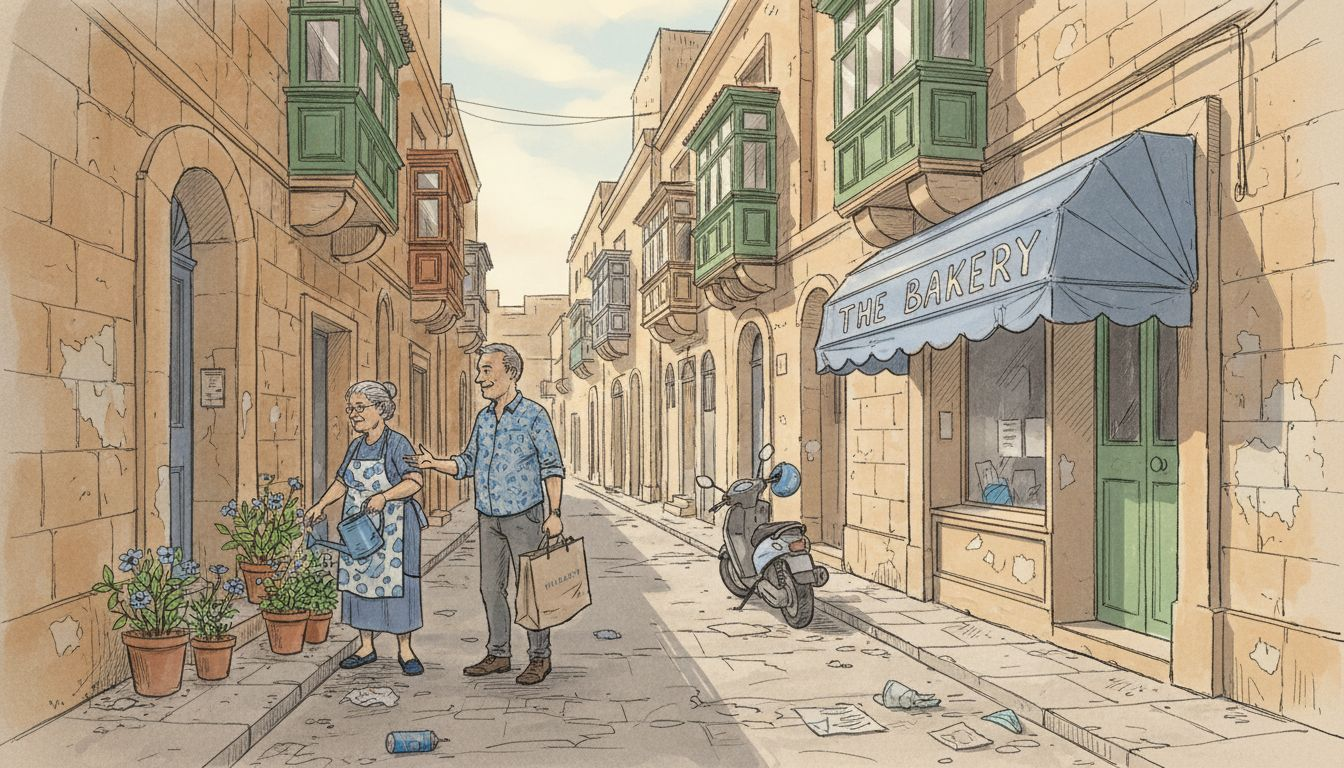
The geographical positioning of Malta creates exceptional professional and social opportunities for expatriates. Its efficient infrastructure and proximity to both European and North African regions support a vibrant international community with remarkable networking potential. Professionals find themselves uniquely positioned to engage with diverse international markets, while the widespread English proficiency and multicultural environment make social and professional integration remarkably seamless. The mild Mediterranean climate further enhances this lifestyle, providing comfortable working conditions and ample opportunities for outdoor leisure and exploration.
Cultural adaptability emerges as a significant benefit of Malta’s distinctive location. The islands serve as a natural crossroads, where European, North African, and Mediterranean influences converge, creating a rich, dynamic social environment. Residents experience a cosmopolitan lifestyle that blends historical traditions with modern conveniences, supported by an infrastructure that prioritizes quality of life. From world-class healthcare and efficient public transportation to a welcoming expat community, Malta offers a compelling living experience that transcends typical geographical boundaries.
Pro tip: Leverage Malta’s central location by exploring nearby Mediterranean destinations during long weekends, taking advantage of the archipelago’s excellent transportation connections to broaden your international experiences.
Common Misconceptions About Malta Location
Malta’s geographic identity is frequently misunderstood, with numerous persistent myths clouding public perception about this unique island nation. Historic and geographical misconceptions often oversimplify Malta’s complex regional identity, leading to widespread misunderstandings about its political and cultural status. One of the most common errors is the assumption that Malta is somehow an extension of Italy or directly associated with Italian territories, when in fact, it is a completely independent sovereign nation with its own distinct cultural and linguistic heritage.
Widespread geographical misidentifications continue to challenge Malta’s unique positioning in Southern Europe, with many people incorrectly believing the country lacks a clear regional identity. The Maltese language is frequently mistaken for a dialect of Italian, despite being a unique Semitic language with Arabic roots, heavily influenced by but distinctly different from Italian. This linguistic misconception reflects a broader misunderstanding about Malta’s rich and complex cultural background, which blends Mediterranean influences while maintaining a singular national character.
Geographical size and strategic importance are also frequently misinterpreted by those unfamiliar with Malta’s actual position. Despite its small physical footprint, Malta plays a significant role in Mediterranean geopolitics, serving as a critical bridge between European and North African regions. The archipelago’s strategic location has historically made it a crucial point of cultural and commercial exchange, far more important than its modest land area might suggest. These misconceptions often stem from a lack of detailed understanding about Malta’s historical significance and contemporary global relevance.
Pro tip: Before traveling to Malta, invest time in reading about its unique history and cultural identity to avoid perpetuating common geographical and cultural misconceptions.
Simplify Your Life in Malta with Trusted Cleaning Services
Relocating or living in Malta means embracing its unique Mediterranean lifestyle and vibrant expat community along with the challenges of daily life in a dynamic island environment. With Malta’s bustling urban centers and charming slower-paced islands like Gozo, keeping your home clean and comfortable can be time-consuming. Whether you want more free time to enjoy Malta’s sunny outdoor spaces or need reliable help balancing work and life, trusted cleaning support is essential.
Discover how Cleaning in Malta Archives | Rozie – Malta’s Best Cleaning Services can connect you to verified cleaners who understand the specific needs of residents in Malta’s geographic setting.

Take control of your time and wellbeing today by booking vetted cleaning professionals through the simple and secure platform at Rozie.app. With 7 days a week support and payment protection, Rozie offers a modern solution tailored for Malta’s expats and locals alike. Don’t let house chores overshadow your Malta experience—explore your options now and embrace the convenience waiting for you.
Learn more about the growing professional services landscape on the Rozie Blog, Business Archives and News and find your perfect cleaner today.
Frequently Asked Questions
What is the geographic location of Malta and why is it significant?
Malta is located in the central Mediterranean Sea, approximately 93 kilometers south of Sicily and 288 kilometers north of Libya. Its strategic position has historically made it crucial for maritime trade and cultural exchange between Europe and North Africa.
How does Malta’s location affect the daily life of expatriates?
Malta’s central Mediterranean location offers around 3,000 hours of sunshine annually, promoting an outdoor lifestyle. It also provides easy access to European and North African markets, enhancing professional and networking opportunities for expatriates.
What are the main islands that make up the Maltese archipelago?
The Maltese archipelago primarily consists of three inhabited islands: Malta, Gozo, and Comino. Malta is the largest and most urbanized, Gozo offers a rural environment, and Comino is largely uninhabited and known for its natural beauty.
How does Malta’s transportation infrastructure support connectivity for residents?
Malta International Airport ensures direct connections to major cities in Europe and North Africa, while a well-developed public transport system and ferry services facilitate seamless travel within the archipelago, making commuting easy and efficient.
Recommended
- Country Malta Europe – Daily Life and Modern Solutions | Rozie – Malta’s Best Cleaning Services
- 7 Smart Things To Do in Malta for Busy Professionals | Rozie – Malta’s Best Cleaning Services
- Discovering Malta’s Green Cleaning Efforts
- 7 Smart Things to Do in Malta for Busy Professionals | Rozie – Malta’s Best Cleaning Services