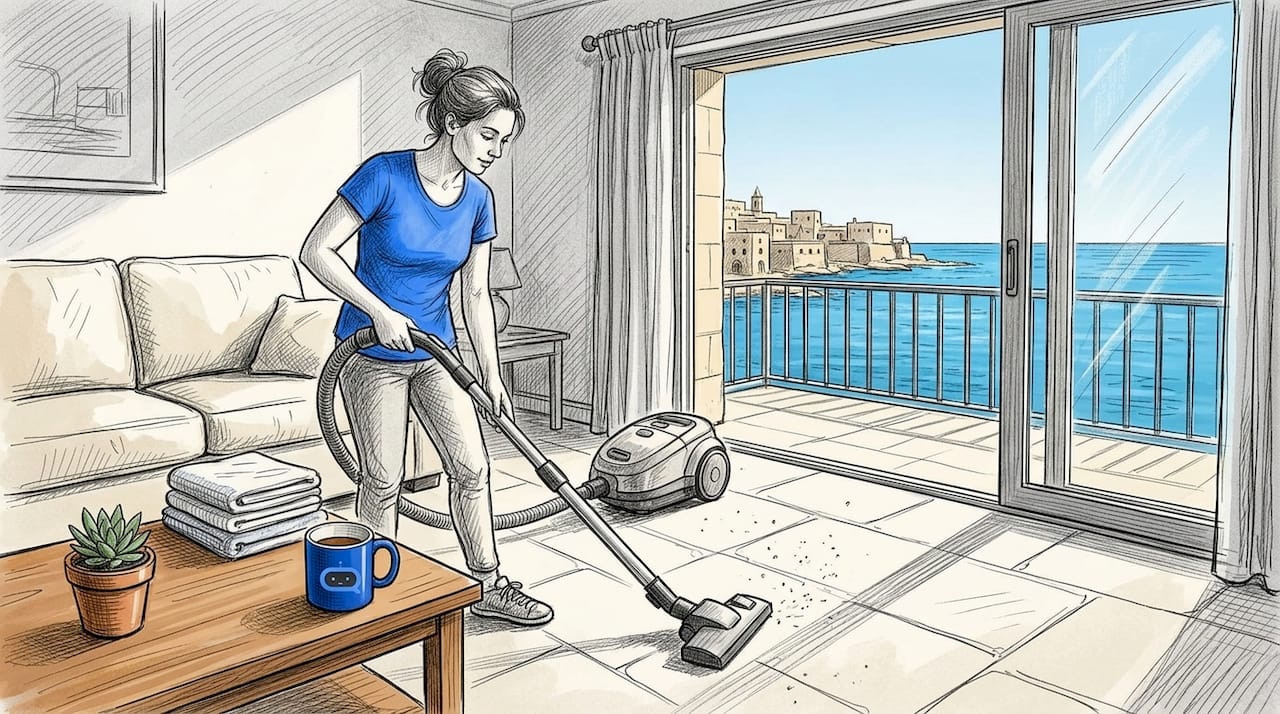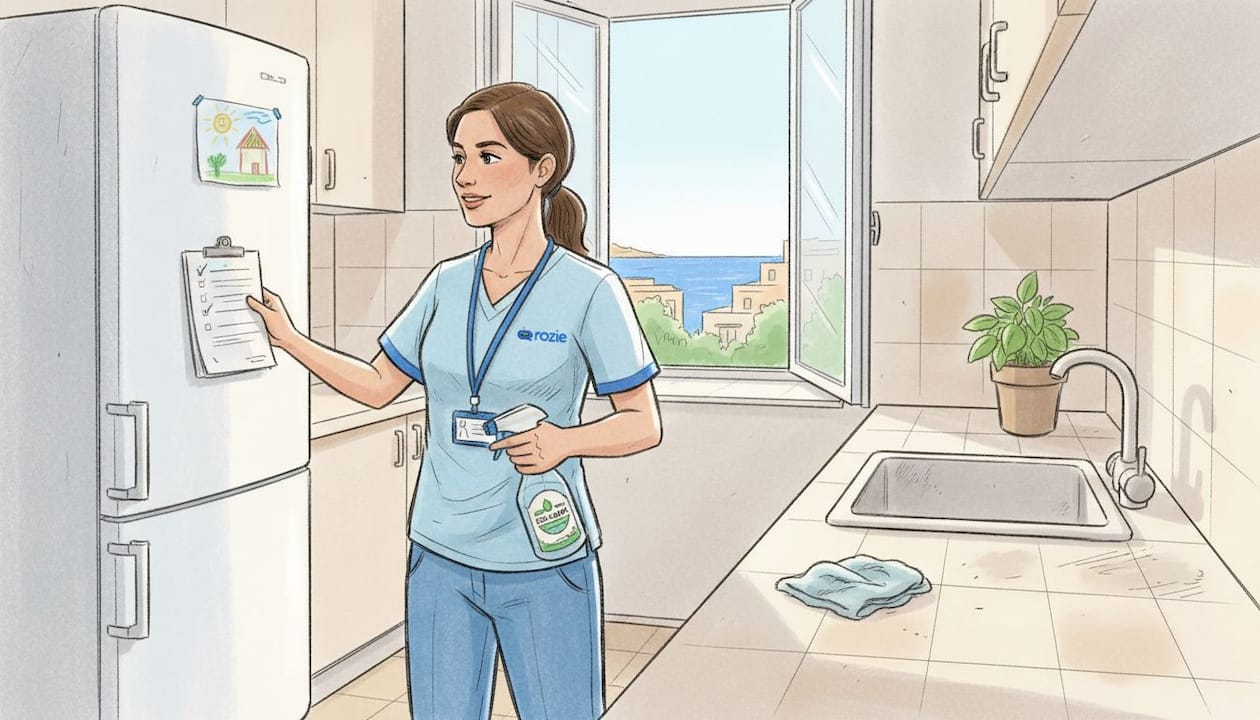



Over 60 percent of families in Malta admit their weekly cleaning plans fall apart when work and school pile up. For busy parents and professionals, spending hours organizing chores just adds stress to an already packed schedule. A simple, proven approach can help you stop feeling overwhelmed. Discover how an American-inspired method lets you manage your household cleaning tasks smoothly through one easy platform, keeping your living space fresh without the usual chaos.
Table of Contents
- Step 1: Assess Current Cleaning Needs
- Step 2: Design A Customized Weekly Cleaning Planner Template
- Step 3: Assign Tasks And Responsibilities
- Step 4: Schedule Tasks For The Optimal Days
- Step 5: Review And Adjust The Cleaning Workflow
Quick Summary
| Key Insight | Explanation |
|---|---|
| 1. Assess Cleaning Needs | Conduct a thorough evaluation of cleaning requirements in your home to prioritize tasks effectively. |
| 2. Create a Custom Planner | Design a tailored weekly cleaning template that accommodates your household’s specific needs and schedule. |
| 3. Assign Clear Responsibilities | Clearly define household members’ cleaning roles based on their strengths and available time for greater efficiency. |
| 4. Schedule Tasks Strategically | Align cleaning activities with household routines to ensure tasks are manageable and timely. |
| 5. Review and Adjust Regularly | Periodically assess and refine your cleaning workflow to adapt to changes in your home and optimize processes. |
Step 1: Assess Current Cleaning Needs
Assessing your home’s cleaning needs is the strategic foundation for creating an efficient weekly cleaning planner. This critical first step helps you understand exactly what areas require attention and prioritize your cleaning tasks effectively.
Start by conducting a comprehensive walkthrough of your living spaces, carefully examining each room for different cleaning requirements. Focus on identifying surfaces and zones with varying contamination risks. Pay special attention to high-touch areas like doorknobs, light switches, countertops, and electronic devices that accumulate dirt and germs rapidly. Note surfaces with visible grime, potential stains, or areas that seem to gather dust more quickly than others.
Document your observations systematically by creating a room-by-room assessment chart. Categorize areas into immediate cleaning needs, routine maintenance zones, and deep cleaning requirements. This approach allows you to develop a targeted cleaning strategy that maximizes efficiency and ensures no critical areas are overlooked. By understanding the specific cleaning demands of your home, you can create a personalized weekly plan that addresses your unique living environment.
Here’s a summary of key cleaning task categories and their optimal frequency:
| Task Category | Example Activities | Ideal Frequency |
|---|---|---|
| Quick Maintenance | Wiping counters, spot vacuum | Daily |
| Routine Cleaning | Dusting, mopping, bathroom wipe down | Weekly |
| Deep Cleaning | Carpet shampoo, appliance cleaning | Monthly or Quarterly |
| High-Touch Disinfection | Doorknobs, switches, remotes | Multiple times weekly |
Pro tip: Take smartphone photos of each room during your initial assessment to create a visual reference for tracking cleaning progress and identifying problem areas more accurately.
Step 2: Design a Customized Weekly Cleaning Planner Template
Creating a personalized weekly cleaning planner template transforms your home maintenance approach from chaotic to strategic. Your goal is to design a flexible and practical framework that adapts to your specific household needs and lifestyle.
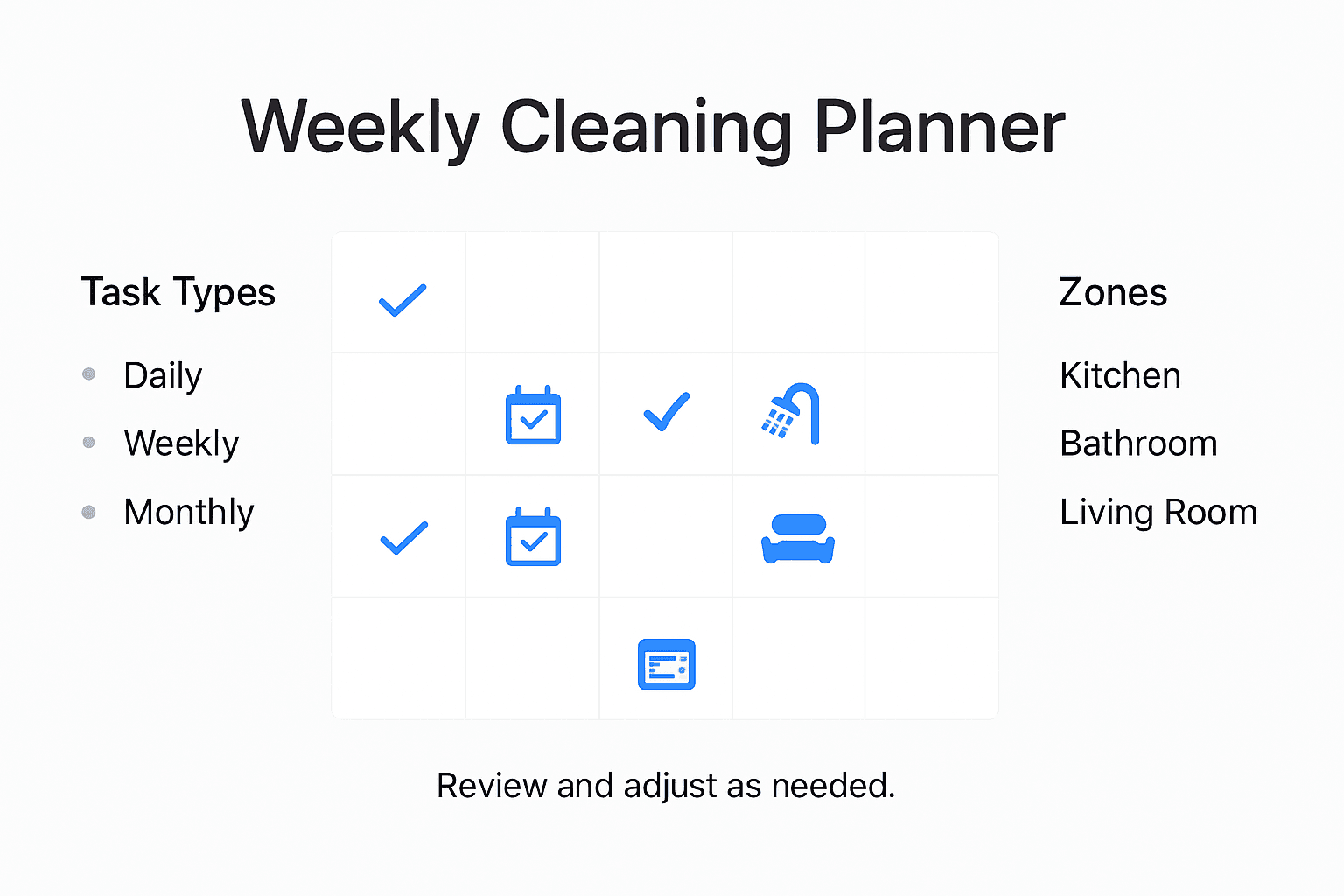
Begin by developing a structured cleaning schedule using systematic task allocation techniques. Start with a blank weekly template divided into days and rooms. Allocate cleaning tasks based on their complexity and your available time. Assign lighter tasks like dusting and quick surface wipes to busier weekdays, while reserving more intensive cleaning like bathroom scrubbing or floor mopping for weekends when you have more time. Consider your personal schedule and energy levels when distributing tasks to ensure the plan feels manageable and sustainable.
Incorporate sections for daily quick maintenance, weekly deeper cleaning, and monthly intensive tasks. Create columns for each room or area of your home, with rows representing different cleaning activities. Include checkboxes or space for notes to track completed tasks and maintain accountability. This visual approach helps you monitor progress and ensures no critical cleaning areas are overlooked. Remember that a great cleaning template is dynamic – be prepared to adjust and refine your approach as you discover what works best for your unique living environment.
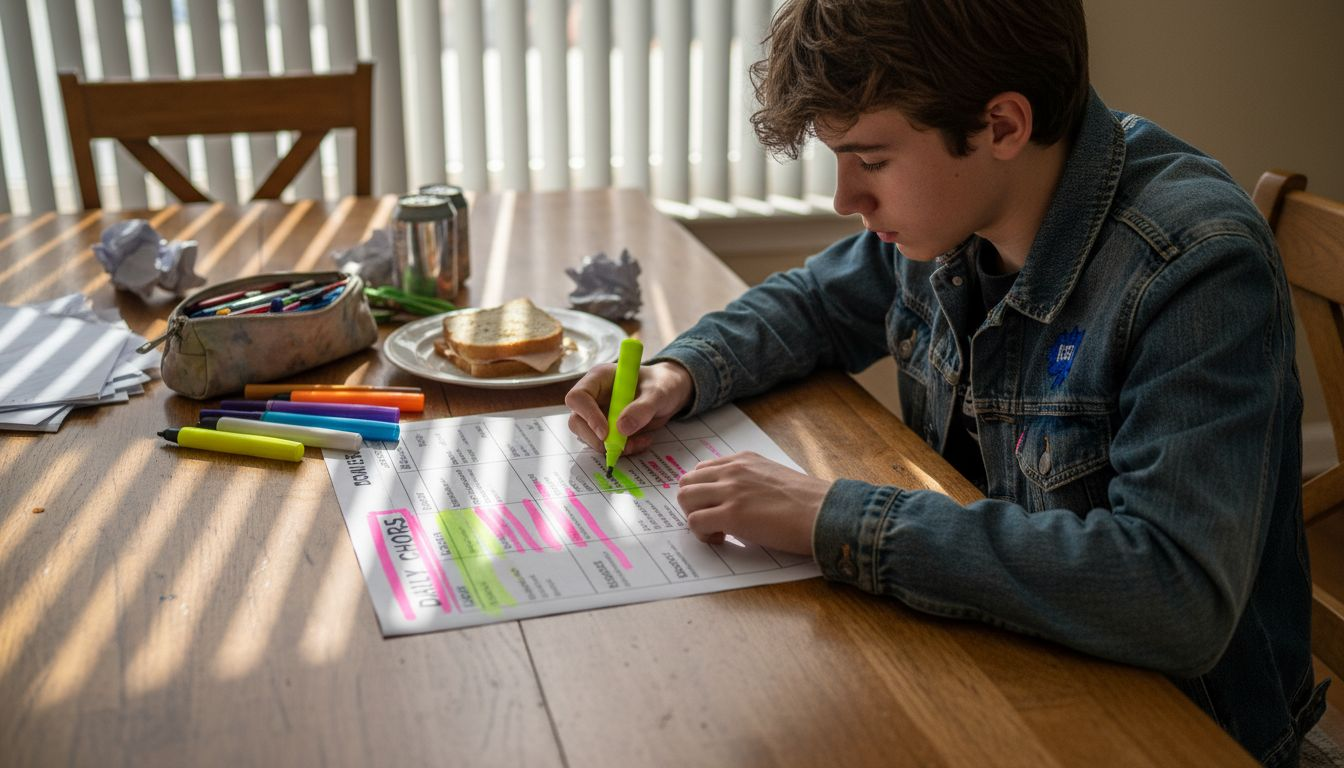
Pro tip: Color code your cleaning template using highlighters or digital tools to quickly distinguish between different types of tasks and prioritize your cleaning activities.
Step 3: Assign Tasks and Responsibilities
Effective task assignment transforms a cleaning plan from theoretical to actionable. Your goal is to create a clear system of accountability that ensures every cleaning task gets completed efficiently and consistently.
Develop a systematic approach to task allocation by clearly defining individual responsibilities. Start by evaluating each household member’s strengths, available time, and skill sets. Distribute cleaning tasks based on these factors to maximize efficiency and engagement. For instance, someone who enjoys organizing might handle pantry and closet cleaning, while another person might excel at quick surface wipes and daily maintenance. Consider creating a rotating schedule that prevents task fatigue and allows everyone to develop different cleaning skills over time. Balance the workload by breaking larger tasks into smaller manageable chunks that can be completed more easily.
Consider implementing a visual tracking system that makes responsibilities transparent and motivating. This could be a large wall chart, digital spreadsheet, or shared app where each person can mark their completed tasks. Ensure that responsibilities are age appropriate for children or family members and include clear instructions for each task. The key is creating a collaborative environment where cleaning feels like a shared responsibility rather than a burden. Remember that flexibility is crucial some weeks might require adjusting assignments based on individual schedules or unexpected events.
For best results, consider these methods for tracking and motivating cleaning responsibilities:
| Approach | Description | Suitability |
|---|---|---|
| Wall Chart | Visual progress in household space | Families, communal areas |
| Digital Spreadsheet | Track and adjust tasks easily | Tech-savvy households |
| Shared Mobile App | Notifications and reminders | Busy, mobile-first users |
| Physical Logbook | Simple written task tracking | Traditional, low-tech users |
Pro tip: Create a reward system or weekly family check in to discuss cleaning progress and make task assignment feel more like a team effort than a chore.
Step 4: Schedule Tasks for the Optimal Days
Strategic task scheduling transforms your cleaning routine from random chores to a systematic approach that maximizes efficiency and minimizes disruption. Your goal is to align cleaning activities with your household’s unique rhythm and energy levels.
Optimize your cleaning schedule by considering household traffic patterns and individual availability. Analyze your weekly routine to identify the most strategic times for different cleaning tasks. For instance, schedule lighter maintenance tasks like dusting or quick surface wipes during weekday evenings when energy is lower, and reserve more intensive cleaning like bathroom scrubbing or floor mopping for weekends when you have more time and mental bandwidth. Consider your work schedule, family commitments, and personal energy cycles to create a cleaning plan that feels natural and sustainable.
Prioritize high traffic areas and surfaces that accumulate dirt quickly. Assign specific days for different zones of your home to prevent overwhelming yourself. For example, dedicate Mondays to kitchen deep cleaning, Wednesdays to bathroom maintenance, and Saturdays to overall home refresh. This approach prevents cleaning tasks from becoming an insurmountable challenge and helps maintain consistent home cleanliness without burning out. Remain flexible and willing to adjust your schedule as your lifestyle and household needs evolve.
Pro tip: Use a digital calendar or smartphone app with notifications to help you track and remind you of specific cleaning tasks assigned to each day.
Step 5: Review and Adjust the Cleaning Workflow
A successful cleaning workflow is never static but continuously evolving to match your changing household needs and lifestyle dynamics. The key is implementing a flexible system that allows for regular assessment and strategic refinement.
Establish a systematic approach to evaluating your cleaning workflow through periodic comprehensive reviews. Schedule a monthly or quarterly assessment where you critically examine your current cleaning processes. During these reviews, analyze which tasks are working smoothly and which feel challenging or consistently get postponed. Track your actual cleaning time against your planned schedule, noting any consistent bottlenecks or unrealistic expectations. Pay attention to family members feedback, energy levels, and the practical feasibility of your current workflow.
Be prepared to make incremental adjustments that improve your cleaning system. This might mean redistributing tasks, reducing the complexity of certain cleaning activities, or introducing more efficient tools and techniques. Look for patterns of resistance or frustration within your household and address them proactively. Remember that an effective cleaning workflow should feel supportive and manageable rather than overwhelming. Your goal is creating a sustainable system that maintains your home’s cleanliness without creating unnecessary stress or burnout.
Pro tip: Create a simple digital or physical log to track your workflow adjustments, helping you understand what strategies work best for your specific household.
Simplify Your Weekly Cleaning Routine with Verified Help in Malta
Managing a comprehensive cleaning schedule can feel overwhelming especially when balancing work family and personal time. This article highlights how creating a tailored weekly cleaning planner can boost efficiency but even the smartest plans need reliable execution. If you find it challenging to assign tasks keep consistent schedules or cope with deep cleaning Rozie.app offers a practical solution connecting you with trusted cleaners who understand your home care goals.
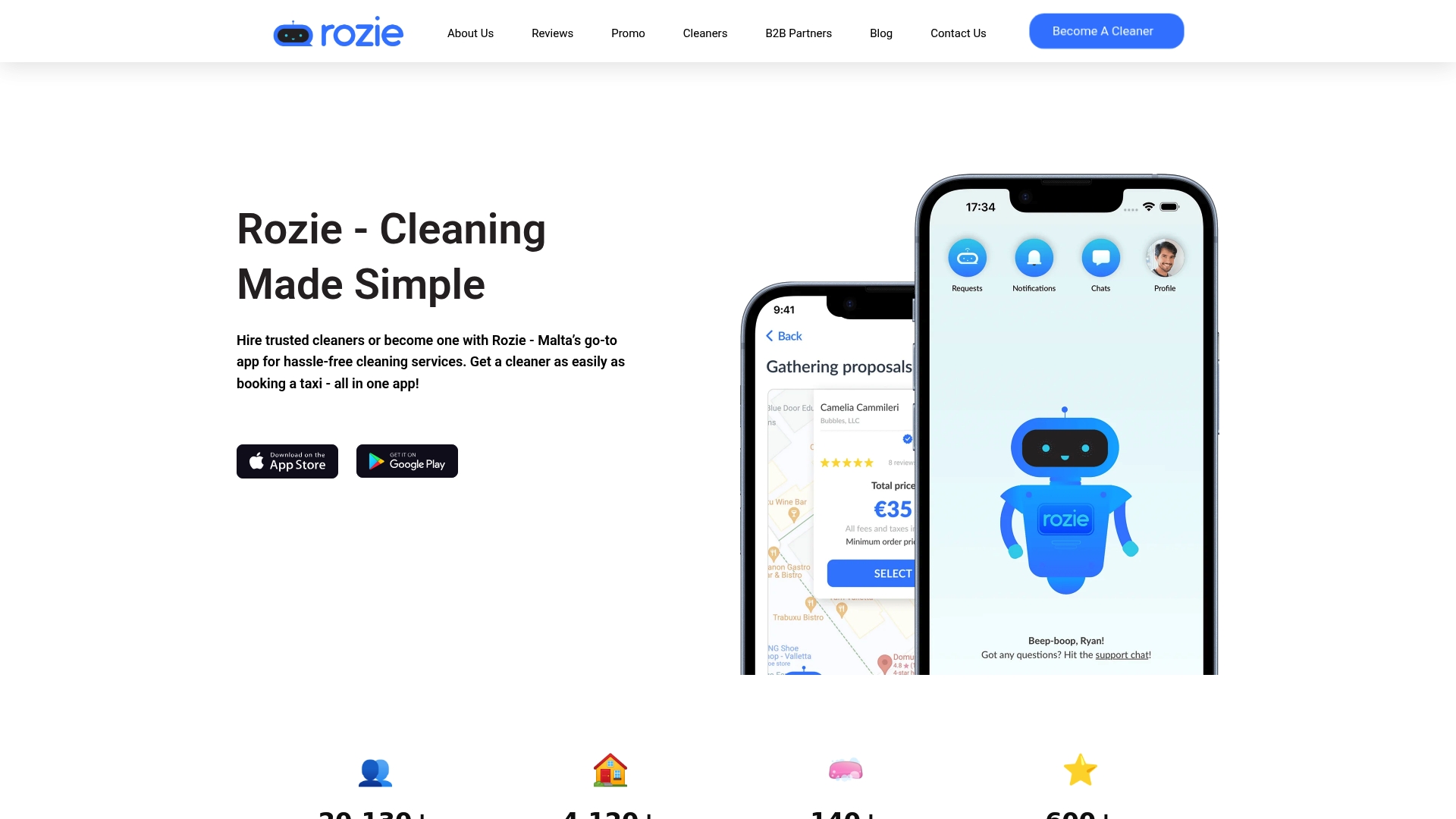
Take control of your weekly cleaning planner today and focus on what matters while professionals handle the rest. Discover Malta’s best cleaning services through Cleaning in Malta Archives | Rozie – Malta’s Best Cleaning Services. Rozie.app ensures every cleaner is verified offers secure payment protection plus 7 days a week support making it easier than ever to book trusted help online. Don’t wait to make your cleaning workflow stress-free visit https://rozie.app now and find the perfect cleaner for your home care needs.
Frequently Asked Questions
How do I assess my home’s cleaning needs for a weekly planner?
To assess your home’s cleaning needs, conduct a detailed walkthrough of each room, identifying high-touch areas and surfaces that accumulate dirt. Create a chart categorizing immediate cleaning needs, routine maintenance tasks, and deep cleaning requirements to develop a targeted cleaning strategy.
What should I include in my customized weekly cleaning planner template?
Your customized weekly cleaning planner template should include sections for daily quick maintenance, regular weekly cleaning, and monthly deep cleaning tasks. Organize tasks by room and allocate them according to your available time and energy levels to ensure sustainability.
How can I assign cleaning tasks among family members or housemates?
Assign cleaning tasks by evaluating each person’s strengths and available time. Create a rotating schedule that balances the workload and engages everyone, ensuring that responsibilities are age-appropriate and clear.
What is the best way to schedule cleaning tasks throughout the week?
Schedule cleaning tasks by analyzing your household’s weekly rhythm, assigning lighter tasks during weekdays and more intensive cleaning on weekends. For example, set aside Mondays for kitchen cleaning and Wednesdays for bathroom maintenance to maintain consistency.
How often should I review and adjust my cleaning workflow?
Aim to review and adjust your cleaning workflow on a monthly or quarterly basis. During these reviews, evaluate what tasks are challenging, track actual cleaning times, and make necessary adjustments to create a more effective cleaning system.
Can using a visual tracking system enhance my cleaning plan’s effectiveness?
Yes, using a visual tracking system can significantly enhance your cleaning plan. Implementing a wall chart or digital log helps keep cleaning responsibilities transparent, motivates participation, and allows everyone to easily track their progress.
Recommended
- 7 Essential Tips for Your Household Cleaning Planner | Rozie – Malta’s Best Cleaning Services
- Understanding Cleaning Time Management for Busy Lives | Rozie – Malta’s Best Cleaning Services
- Efficient Apartment Cleaning Checklist Guide for Busy Lives | Rozie – Malta’s Best Cleaning Services
- Effortless Weekly Cleaning Routine for Busy Professionals | Rozie – Malta’s Best Cleaning Services
- How to Clean Charging Ports for Optimal Device Performance – buy2fix