


TL;DR:
- Cockroach prevention in Malta apartments relies on thorough sanitation, sealing entry points, and moisture control to stop infestations before they start. Maintaining these practices year-round, especially with professional help when needed, is essential for long-term pest prevention.
Cockroach prevention in Malta apartments relies on combining thorough sanitation, sealing entry points, and moisture control to stop infestations before they start. The two species most commonly found in Maltese homes are the Oriental cockroach and the German cockroach. Oriental cockroaches carry pathogens like E. coli and Salmonella and reproduce rapidly in Malta’s warm climate, producing 16–50 eggs per clutch. That reproductive rate means a small problem becomes a serious one within weeks. Malta’s national pest strategy, guided by the Integrated Pest Management (IPM) approach, prioritizes structural prevention and reduced chemical reliance. Knowing this gives you a real framework to work from, not just a list of sprays to buy.
Why cockroaches thrive in Malta apartments
Malta’s climate is the main reason cockroach infestations are so persistent here. Temperatures regularly sit in the 20–29°C range, which is ideal for cockroach reproduction and year-round activity. Unlike colder European countries where winter slows pest cycles, Malta offers cockroaches a near-perfect environment in every season.
Apartment buildings create a second problem: shared infrastructure. Cockroaches move freely through service shafts, drainage pipes, and utility conduits that connect every unit in a block. You can keep your own apartment spotless, but if a neighbor has an active infestation, the pests will find their way to you through the building’s shared plumbing.
The most common entry points in Maltese apartments include:
- Service shafts and utility conduits connecting floors and units
- Gaps around water pipes where they pass through walls or under sinks
- Drains and water traps in bathrooms and kitchens, especially in unused rooms
- Cracks in tiling and skirting boards near damp areas
- Windows and door frames without tight-fitting screens or seals
- Grocery bags and cardboard boxes brought in from outside
Dry drains and evaporated water traps in unused sinks and bathrooms form a direct pathway from the sewer system straight into your apartment. This is one of the most overlooked entry points in Malta’s older apartment stock.
How to clean your apartment to prevent cockroaches
Sanitation is the single most effective tool you have. Cockroaches need three things to survive: food, water, and shelter. Remove any one of those, and your apartment becomes far less attractive to them.
Daily and weekly cleaning habits make the biggest difference. Here are the practices that actually work:
- Store all food in airtight containers. Cockroaches can chew through thin plastic bags and cardboard packaging overnight.
- Clean kitchen surfaces every evening. Grease residue and crumbs are enough to sustain a colony.
- Empty your trash daily. A lidded bin slows access, but daily disposal removes the attractant entirely.
- Wash dishes before bed. Leaving dirty dishes overnight is one of the fastest ways to attract pests.
- Wipe down the stovetop and oven tray regularly. Grease buildup is a major food source that most residents underestimate.
- Dispose of cardboard boxes immediately. Cardboard boxes harbor cockroach eggs and nymphs, so grocery packaging should go straight to the recycling bin outside, not sit in your kitchen.
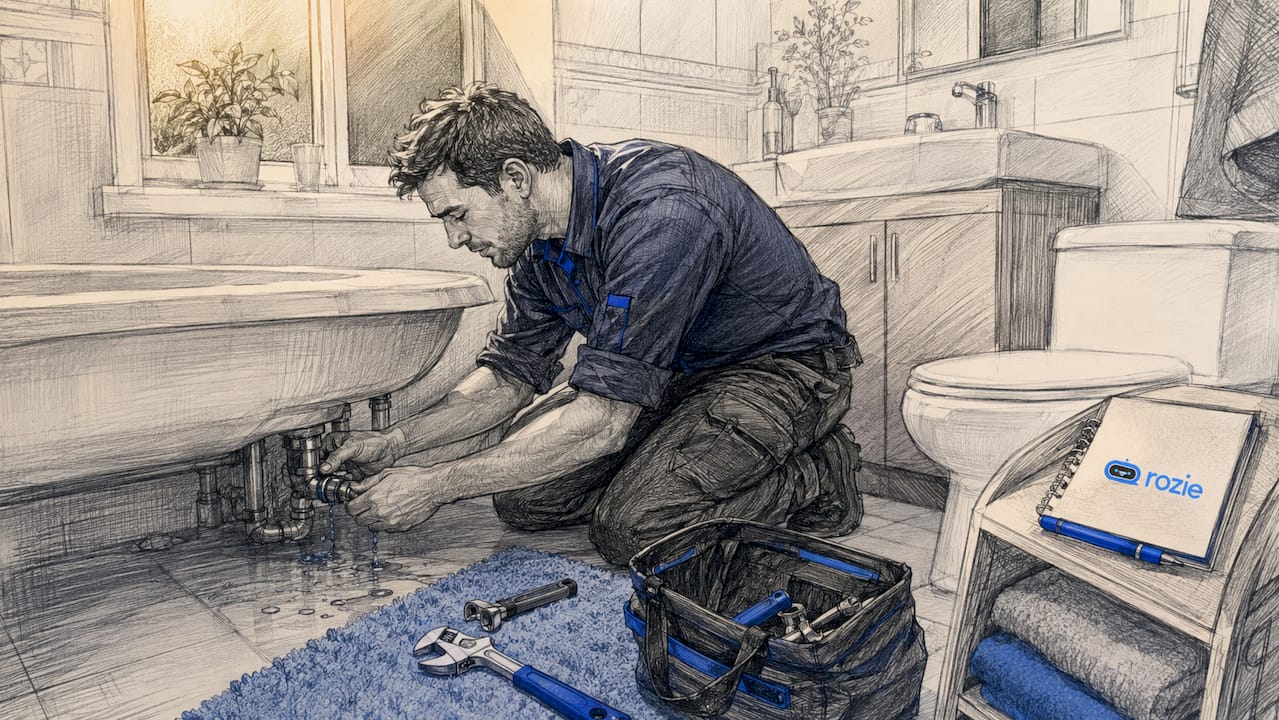
Moisture control is equally critical. Fix leaking taps and pipes as soon as you notice them. Wipe down wet surfaces under the sink and behind the toilet. Run water through every tap and drain in your apartment at least once a week, including in guest bathrooms you rarely use. Running water weekly maintains the water trap barrier that blocks cockroach entry through plumbing.
Pro Tip: Place a small silicone plug or fine-mesh drain cover over bathroom and kitchen drains when they are not in use. This single step blocks one of the most common cockroach entry routes in Maltese apartments.
Good apartment hygiene practices go beyond surface cleaning. Cockroaches also consume starches found in book bindings and envelope glue, so paper damage in drawers or shelves can be an early infestation signal worth acting on quickly.
How to seal your apartment against cockroach entry
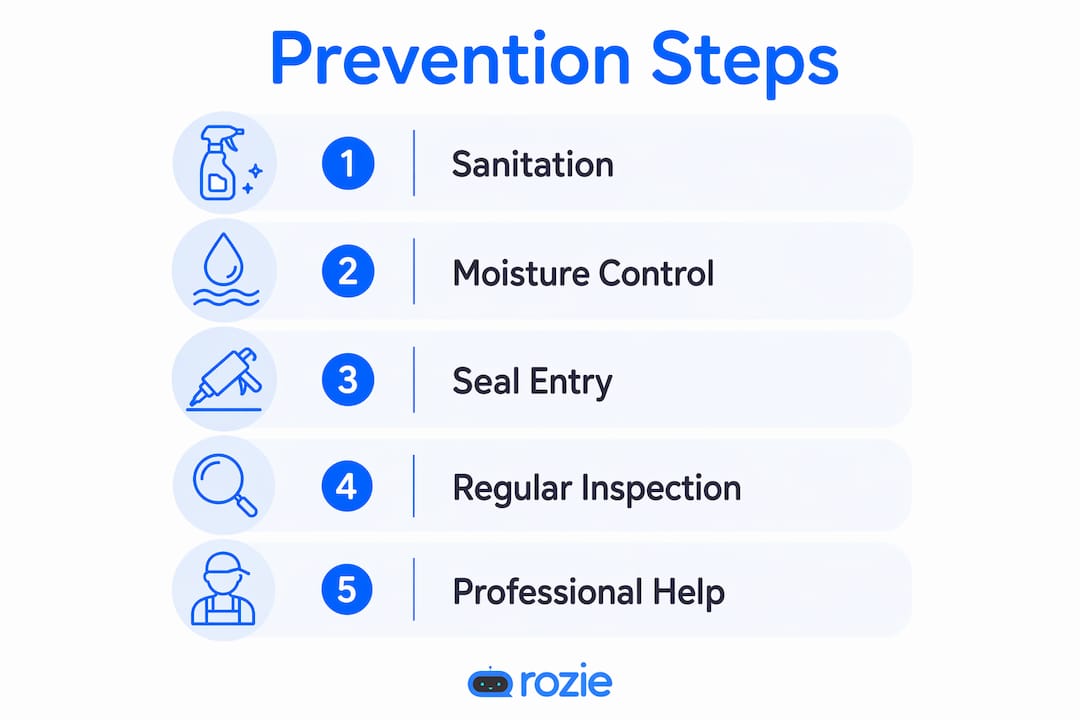
Physical barriers are your second line of defense. Sealing the gaps cockroaches use to enter is a permanent fix, not a temporary deterrent. The goal is to close every route between the building’s shared infrastructure and your living space.
The most effective sealing measures, ranked by impact:
- Seal pipe gaps with silicone. Apply food-grade or waterproof silicone sealant around every pipe that passes through a wall, floor, or cabinet. Gaps as small as 3mm are enough for a cockroach to squeeze through.
- Install fine-mesh drain covers. These sit over plug holes and block entry while still allowing water to drain freely.
- Fit window screens. Tight-fitting mesh screens on windows reduce entry from outside, particularly on ground and lower floors.
- Seal cracks in tiling and skirting boards. Use grout or silicone to close any gaps, especially in bathrooms and kitchens where moisture is present.
- Check and seal service shaft access panels. These panels are often loose or poorly fitted in older Maltese apartment blocks.
Sealing pipe entry points with silicone and installing fine-mesh drain covers are recognized as core prevention steps for apartments in Malta. The reason these measures matter so much is that apartment blocks share infrastructure. Sealing your unit creates a protected perimeter even when neighboring units are not treated.
| Entry point | Recommended seal method |
|---|---|
| Pipe gaps in walls | Waterproof silicone sealant |
| Kitchen and bathroom drains | Fine-mesh drain cover |
| Window frames | Tight-fitting mesh screen |
| Tiling cracks near damp areas | Grout or silicone filler |
| Service shaft access panels | Foam seal or silicone bead |
Perimeter security is especially important in Malta’s older apartment blocks, where building materials have settled and gaps have widened over decades. A one-afternoon sealing session can close the majority of entry points in a standard apartment.
When should you call a professional pest control service?
DIY methods work well for prevention, but they have real limits once cockroaches are established. Consumer-grade sprays are often ineffective long-term because cockroaches learn to avoid treated areas. That behavioral adaptation means a spray that works in week one may have no effect by week four.
Professional pest control uses qualified technicians with specialized equipment to reach hiding places that consumer products simply cannot access. Professionals apply targeted biocides in wall voids, service shafts, and under flooring, areas that are completely inaccessible with a store-bought spray can.
The most important reason to go professional in an apartment block is coordination. Cockroach infestations often span entire apartment blocks via shared drainage and service shafts. Treating a single unit alone is ineffective because pests migrate to untreated units and return later. A building-wide coordinated treatment is the only approach that delivers lasting results.
Preventing cockroach problems in Mediterranean climates requires year-round commitment to perimeter security rather than one-time extermination. A single treatment without ongoing prevention will always result in re-infestation within months.
Pro Tip: When speaking to your building management or landlord about a cockroach problem, frame it as a building-wide infrastructure issue rather than a personal hygiene complaint. This framing is more likely to trigger a coordinated response from management.
Malta’s national action plan for sustainable pesticide use encourages the IPM approach, which combines structural prevention with targeted professional intervention. This means the most responsible and effective strategy is not to choose between DIY and professional help, but to use both together.
Common mistakes that undermine cockroach prevention
Even residents who take prevention seriously often make a handful of errors that undo their efforts. Recognizing these mistakes is the fastest way to close the gaps in your prevention plan.
- Ignoring service shafts and shared infrastructure. Most residents seal visible gaps but never check the access panel to the building’s service shaft. This is often the primary entry route in Maltese apartment blocks.
- Skipping moisture control. Fixing a leaking tap feels minor, but standing water under a sink can sustain a cockroach population indefinitely. Moisture control is not optional.
- Leaving cardboard packaging inside. Grocery boxes and delivery packaging should never sit in your apartment overnight. They are one of the most common ways cockroach eggs enter a previously clean home.
- Treating prevention as a one-time task. Year-round commitment to perimeter security is the standard in Mediterranean climates. A single deep clean or sealing session is a starting point, not a permanent solution.
- Failing to coordinate with neighbors. If you suspect a building-wide problem, speak to your neighbors and building management. Individual action without coordination produces temporary results at best.
Consistent maintenance is what separates apartments that stay pest-free from those that cycle through repeated infestations. A weekly routine covering cleaning, moisture checks, and drain flushing takes less than 30 minutes and removes the conditions cockroaches need to survive.
Key Takeaways
Effective cockroach prevention in Malta apartments requires combining daily sanitation, physical sealing, moisture control, and coordinated professional treatment when infestations span multiple units.
| Point | Details |
|---|---|
| Sanitation is the foundation | Store food in airtight containers, clean surfaces daily, and dispose of cardboard packaging immediately. |
| Seal every entry point | Use silicone on pipe gaps, fit fine-mesh drain covers, and check service shaft panels regularly. |
| Flush drains weekly | Running water through unused taps maintains the water trap barrier that blocks sewer-level entry. |
| DIY has limits | Consumer sprays lose effectiveness as cockroaches adapt; professional biocides reach inaccessible hiding spots. |
| Coordinate with neighbors | Building-wide treatment is the only lasting solution when infestations span shared infrastructure. |
What living in Malta taught me about cockroach prevention
I’ve spoken with enough apartment residents in Malta to know that most people treat cockroach prevention the same way they treat car insurance: they think about it only after something goes wrong. That mindset is the real problem.
The residents who never have serious infestations are not the ones with the fanciest products. They are the ones who run water through every drain once a week, seal gaps the same week they appear, and take cardboard boxes straight to the recycling bin. These habits take almost no time. The payoff is enormous.
What surprises most people is how much the building matters. You can do everything right and still get cockroaches if your building has untreated shared shafts or a neighbor who is not taking the same precautions. That is not a reason to give up on your own prevention routine. It is a reason to talk to your building management and push for coordinated treatment when needed.
The other thing I have learned is that professional cleaning and professional pest control work best together. A thorough, regular clean removes the food sources and moisture that make cockroaches want to stay. Pest control removes the ones already there. Neither works as well without the other.
Pest prevention in Malta is a long game. The residents who win it are the ones who treat it as a year-round habit, not a crisis response.
— Alex
Rozie makes clean, pest-resistant apartments easier to maintain
Keeping your apartment clean enough to deter cockroaches takes consistency, and that is where a reliable cleaning partner makes a real difference. Rozie connects Malta apartment residents with verified professional cleaners who understand local building conditions and the sanitation standards that matter most for pest prevention.

Every cleaner on Rozie is vetted before joining the platform, so you know the person coming into your home meets a real standard. Booking takes minutes through the app, support is available seven days a week, and payment protection covers both you and your cleaner. Whether you need a regular weekly clean or a thorough deep clean to reset your apartment’s hygiene baseline, Rozie makes it easy to find trusted cleaners in Malta who show up, do the job well, and help you stay ahead of pest problems before they start.
FAQ
What cockroach species are most common in Malta apartments?
The Oriental cockroach and the German cockroach are the two species most frequently found in Maltese apartments. Oriental cockroaches thrive at 20–29°C and carry pathogens including E. coli and Salmonella.
How do cockroaches get into apartments in Malta?
Cockroaches enter through pipe gaps, service shafts, dry drains, cracks in tiling, and cardboard packaging brought in from outside. Shared building infrastructure is the most common route in Maltese apartment blocks.
Do home remedies work for cockroach control in Malta?
Home remedies and consumer sprays can reduce activity temporarily, but cockroaches adapt to treated areas over time. Structural sealing and professional-grade treatment are more reliable for lasting cockroach infestation prevention.
How often should I flush unused drains to prevent cockroaches?
Run water through every tap and drain in your apartment at least once a week. This maintains the water trap barrier that blocks cockroaches from entering through the plumbing system.
When does cockroach prevention require professional pest control?
Call a professional when you see cockroaches during daylight hours, find egg cases, or suspect the problem extends beyond your unit. Building-wide coordinated treatment is the only effective solution for infestations in shared apartment infrastructure.