

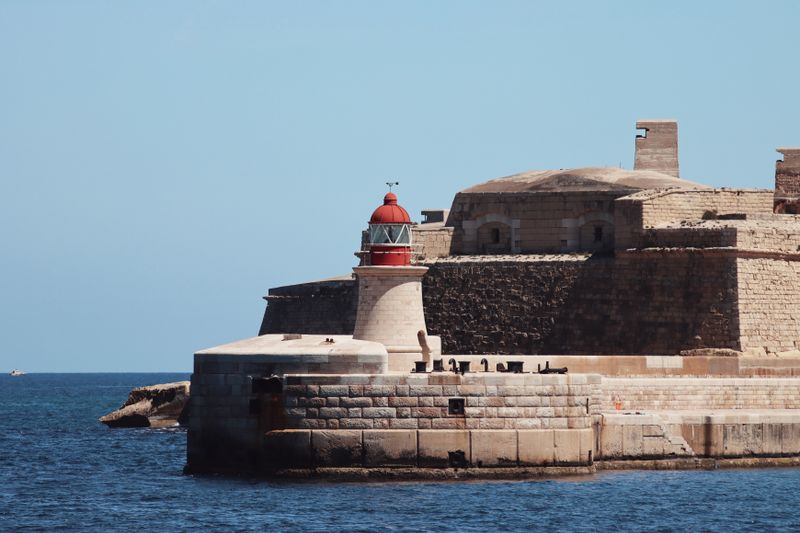
Malta packs an unreasonable amount of experience into 316 km² — golden limestone fortresses, cobalt harbours, temples older than the pyramids, and a village calendar that practically runs itself. Most travellers default to July, book in a hurry, and miss the months when the island is actually at its best. This guide walks through the decisions that matter: when to come, what to plan around, where to base yourself, and how to leave the practical stuff (including the apartment you’re renting) to handle itself.
When is the best time to visit Malta for great weather and fewer crowds?
In this guide
When is the best time to visit Malta?
Which festivals and events make Malta unforgettable?
Where should you stay in Malta?
Which cultural and heritage highlights are unmissable?
Is summer really the best time to visit Malta?
How do you set up your Malta stay for a stress-free arrival?
Spring (mid-March to early June) and early autumn (mid-September to late October) are the two windows that combine warm-enough weather with manageable crowds and lower prices. Daytime temperatures sit in the 18–26°C range, the sea is still swimmable from late spring through October, and you can actually walk Valletta’s streets in the afternoon without melting onto the limestone.
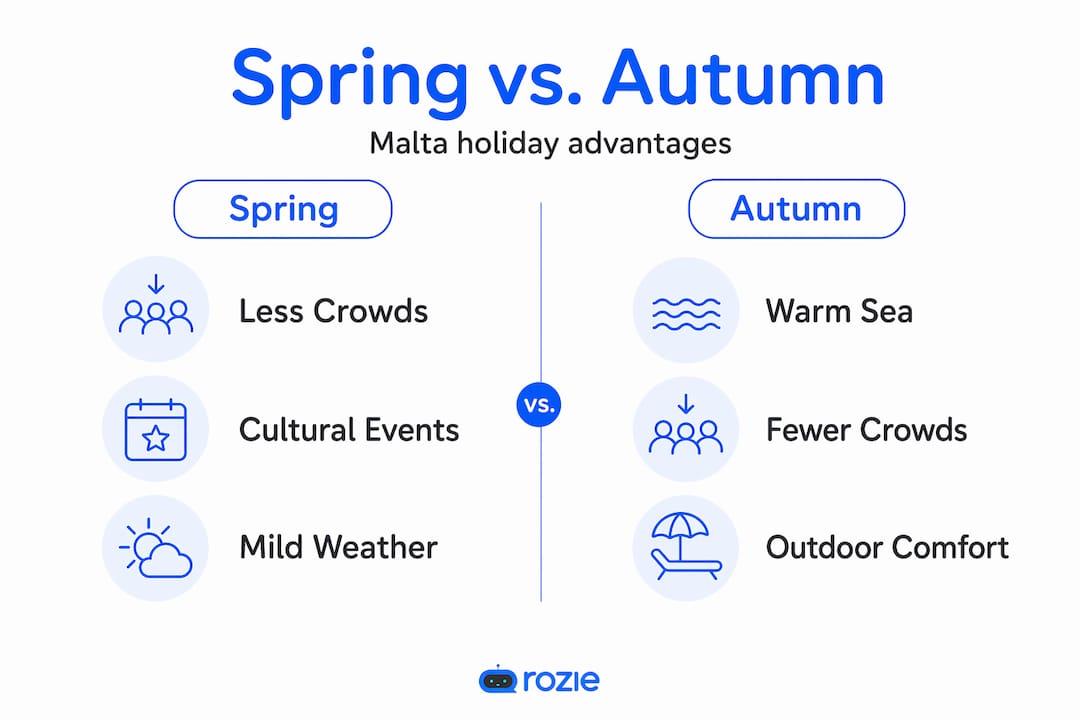
Each season has a personality, and being honest about your priorities before booking matters more than chasing a generic “best month.” Here’s how the year actually plays out on the ground:
🌿 Spring (March–May).
Wildflowers blanket the countryside, daytime hovers between 17°C and 23°C, and major religious celebrations — particularly Holy Week — open a window into Maltese community life. Hotel rates run noticeably below peak. By late May, the sea is warm enough for a proper swim.
☀️ Summer (June–August).
Peak everything — heat regularly climbs past 32°C with heatwaves pushing past 35°C, beaches and resort towns hit capacity, and prices reach their annual high. Brilliant for swimming, snorkelling and nightlife. Less brilliant for queueing at the Hypogeum or finding a parking spot in Sliema.
🍂 Early Autumn (September–October).
Probably the sweet spot. The sea stays around 23–26°C well into October, crowds thin out after the August rush, and evening temperatures invite long dinners outdoors. Diving conditions are at their best — visibility often exceeds 25 metres.
❄️ Winter (November–February).
Quietest and cheapest, with daytime around 13–17°C. Humidity peaks at 60–95%, which is why locals deep-clean and dehumidify aggressively this time of year. Rain is short and intermittent, not Northern-European miserable. Photographers and history obsessives quietly love it.
💡 Pro tip
If you want both beaches and walkable cultural days, target the first two weeks of September. The sea is still summer-warm, the August rush is over, and evenings are perfect for outdoor dining without the heat of July.
Which festivals and events make Malta unforgettable?
Once you’ve picked a season, layering a cultural event onto your trip transforms the experience. Malta’s events calendar is unreasonably full for an island this size, and aligning your dates with one of the bigger moments is the single best thing you can do to turn a standard holiday into a memorable one. The official VisitMalta events page and the Festivals Malta calendar are the only sources you should fully trust for exact dates — local listings shift annually.
The events most worth planning around:
- Valletta Baroque Festival (January): International musicians perform inside St John’s Co-Cathedral, the Teatro Manoel (one of Europe’s oldest working theatres), and other baroque venues. Atmospheric in a way modern concert halls can’t replicate.
- Carnival (February, week before Lent): Floats, costumes and street parades take over Valletta. Head to Nadur in Gozo for the famously eerie spontaneous version — masked locals roam the streets after dark in improvised costumes.
- Holy Week and Easter (March/April): Good Friday and Easter Sunday processions, with life-sized statues carried through candlelit village streets, are among Malta’s most emotionally affecting cultural experiences. Mosta, Żebbuġ and Naxxar are particularly worth seeking out.
- Isle of MTV (typically late June): One of Europe’s largest free open-air music events, held in Floriana just outside Valletta, drawing crowds in the tens of thousands.
- Village Festas (May to September): Nearly every Maltese village throws a patron-saint celebration with brass bands, statues, lit-up church facades and fireworks that genuinely rival professional displays. Each is unique, and collectively they’re the heart of community life on the island.
- Malta Jazz Festival (July): Open-air jazz performances at Ta’ Liesse on the Grand Harbour waterfront, drawing international names. One of the best-located music festivals in the Mediterranean.
- Notte Bianca (early October): Valletta stays open all night — museums, palaces and squares fill with art, music and performance. Entry to many venues is free. Honestly one of Malta’s best nights out, any time of year.
Key takeaway: A village festa at midnight, with brass bands playing and fireworks overhead, will give you more of Malta in two hours than three full days of pure sightseeing. Build at least one festival or festa into your itinerary and you’ll come home with the kind of memory that doesn’t fit on Instagram.
💡 Pro tip
Cross-check festival dates on official sites before booking flights. Religious feast dates move with the liturgical calendar, the festa schedule rotates by village, and outdoor events occasionally shift for weather. A €40 phone call to a village parish saves a €600 mistake on flights.
Where should you stay in Malta?
Where you base yourself shapes every day of the trip more than any other decision. Malta’s main areas have distinct personalities, and the “best” base depends entirely on what kind of holiday you actually want — not what looks prettiest in a photo.
Valletta is the capital and a UNESCO World Heritage Site in its entirety. Staying here means waking up inside a living museum — museums, churches and harbour views are steps from your door. The grid is walkable, the streets are quiet by 10pm, and the evening atmosphere is refined. Best for: first-time visitors who came mostly for history and culture. Trade-off: beach access requires a bus, ferry or short drive.
Sliema sits across the harbour from Valletta and blends urban convenience with a long seafront promenade. It’s residential, polished and well-connected by ferry and bus. The shoreline is rocky rather than sandy, but the swimming spots are excellent. Best for: families, repeat visitors, anyone who wants a modern apartment with a sea view and quick links to everywhere else. Trade-off: the area can feel touristy in peak season.
St Julian’s and Paceville form Malta’s nightlife centre. Paceville’s entertainment district is the focal point for clubs, bars and late-night restaurants. Best for: groups, younger travellers, party-focused trips. Trade-off: noise levels make it less suitable for light sleepers or families with small children.
Mellieħa, St Paul’s Bay and Buġibba sit along the north coast and put you closer to the bigger sandy beaches (Mellieħa Bay, Golden Bay) and the Gozo ferry. Best for: families with kids, beach-focused trips, day trips to Gozo and Comino. Trade-off: 30–45 minutes from Valletta by car or bus.
Gozo (Malta’s sister island, 25-minute ferry from Ċirkewwa) runs at a noticeably slower pace. Farmhouse rentals built from honey-coloured limestone are spectacular, and the landscape — terraced fields, salt pans, dramatic coastal cliffs — feels almost entirely different from the main island. Best for: anyone wanting a properly restful break, divers, hikers, second-trip visitors. Trade-off: getting back to mainland Malta requires a ferry every day.
For shorter cultural trips of three or four days, a central Valletta base will serve you better than a sea-view apartment 20 minutes out. You save time, transport costs and the mental energy you’d rather spend on actually seeing the island. If you’ve got a week or more, Sliema or Mellieħa earns its place — you’ll appreciate having a beach within walking distance. Looking for ideas on a shorter break? Our perfect weekend in Malta guide covers a two-day local route worth stealing.
Which cultural and heritage highlights are unmissable?
Malta punches well above its weight on UNESCO sites and prehistoric architecture. The island holds some of the world’s oldest free-standing structures — the megalithic temples predate Stonehenge by roughly 600 years and the Egyptian pyramids by closer to a millennium. Building a heritage spine into your itinerary is one of the most rewarding things you can do on Malta, and it’s manageable in a single dedicated day or two.
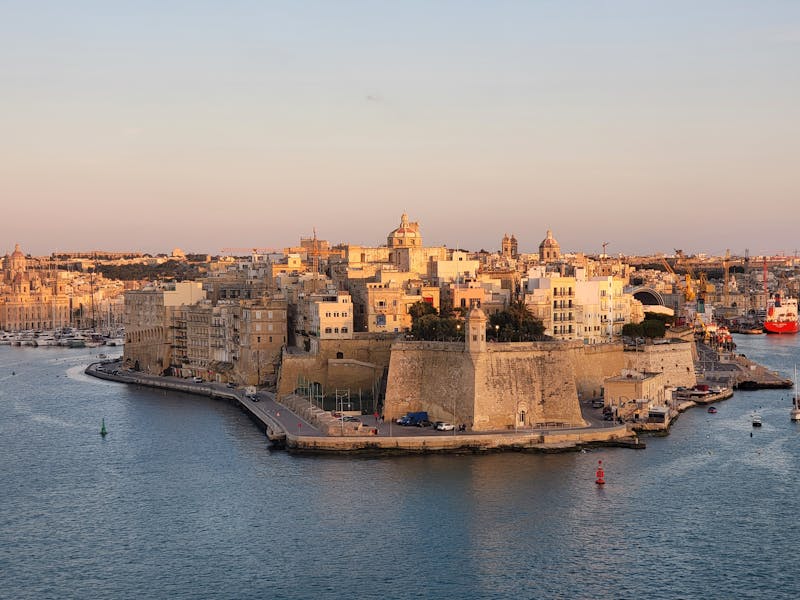
The sites that genuinely matter:
- Hal Saflieni Hypogeum: An underground prehistoric burial site carved by hand around 4000 BC. Visitor numbers are capped at 80 per day to preserve the chamber acoustics and humidity, so booking weeks ahead is essential — many visitors discover this too late and have to skip it.
- St John’s Co-Cathedral, Valletta: Home to Caravaggio’s The Beheading of Saint John the Baptist (the only painting he ever signed) and Saint Jerome Writing, plus an ornate baroque interior that has to be seen in person to believe.
- Upper Barrakka Gardens: Free, open daily, and home to the noon cannon salute. The panoramic view across the Grand Harbour to the Three Cities is one of the most stirring in the Mediterranean.
- Tarxien Temples: A UNESCO site tucked into the suburbs of Paola, housing some of Malta’s most important prehistoric carvings. Often overlooked because the location is unglamorous, which means it’s never crowded.
- Mdina (the Silent City): A medieval walled city in Malta’s centre. Cars are largely banned within the walls, the streets are narrow and limestone-pale, and the silence at golden hour is genuinely unusual. Walk to the bastion views and you’ll see half of Malta laid out below.
- Ġgantija Temples, Gozo: Older than the pyramids and Stonehenge — among the oldest free-standing structures on the planet. Worth the ferry trip on its own.
Heritage Malta manages most major sites and museums. Their Multisite Pass gives access to multiple attractions at a discounted combined rate — worth the maths if you’ll visit more than three sites. The pass typically pays for itself by day two of a culture-focused trip.
A suggested four-day heritage spine:
- Day 1 — Valletta: St John’s Co-Cathedral, the Grand Master’s Palace, the National Museum of Archaeology, sunset at Upper Barrakka.
- Day 2 — Prehistoric Malta: Tarxien Temples in the morning, the Hypogeum in the afternoon (book this weeks ahead, before anything else).
- Day 3 — Medieval and Roman: Mdina and Rabat — Mdina’s walled streets, the catacombs of St Paul, and lunch at Fontanella on the bastion wall.
- Day 4 — Gozo: Ferry to Gozo for the Ġgantija temples, the Citadel in Victoria, and the rugged coast around Dwejra.
💡 Pro tip
Arrive at any major site within the first 30 minutes of opening. Valletta and Mdina get crowded by late morning, and the earliest visitors get the most atmospheric experience plus the best light for photographs. For a wider sense of how to spend your days, our things to do in Malta 2026 guide covers food, beaches and outdoor routes alongside the heritage core.
Book the Hypogeum first. It’s the single most common regret travellers voice after a Malta trip — they discovered the booking system too late and got shut out. Reserve it the moment your dates are confirmed.
Is summer really the best time to visit Malta?
Summer Malta is wonderful in its own way. A cold Cisk by the water, music playing somewhere, the feeling that the whole island has come out to celebrate — there’s nothing wrong with any of that. But Malta in July can also feel like you’ve travelled a long way to share a small island with an enormous crowd, and the version of Malta you came for can become surprisingly hard to find.
The magic of the island lives in details that summer crowds quietly erase: the way 7am light hits the limestone in Mdina, the sound of a brass band warming up before a village festa, the stillness inside St John’s on a Tuesday morning in March. Those are the moments that stay with you, and they’re far easier to access in shoulder season than in August.
There’s also something to be said for showing up during a local festival rather than around one. When you arrive in a small village on the night of its patron saint — fireworks overhead, the church facade lit up, brass bands marching past — you’re not observing Malta from outside. You’re briefly part of it. That feeling is worth more than an extra week of guaranteed sunshine.
Our honest recommendation: book your Malta trip in late spring or early autumn, cross-reference your dates against the festival calendar (especially Holy Week, Isle of MTV in June, the August feast peak or Notte Bianca in October), stay somewhere central enough to walk, and book the Hypogeum the same day you book your flights. That combination very rarely disappoints.
How do you set up your Malta stay for a stress-free arrival?
A few practical things to handle before you land — none of them complicated, all of them the kind of friction that ruins the first 24 hours if you ignore them. Activate roaming or pick up a local SIM at the airport (Melita and Epic both sell tourist packs from around €15). Download the Tallinja bus app and the Bolt ride-hailing app before you arrive. Tap-to-pay works everywhere; you’ll rarely need cash. And if you’re renting an apartment or holiday home, sort out the cleaning side of things in advance — it matters more than first-time visitors usually realise.
Salt air, hard tap water (200–600 PPM calcium carbonate depending on locality) and Malta’s humidity mean apartments deteriorate faster than they do in cooler climates. Holiday flats sitting empty for weeks between guests build up dust and the occasional musty edge. If you’re staying in a long-term rental, hosting guests during your trip, or arriving at a flat that’s been empty a while, having a verified cleaner come in before check-in (or between stays if you’re a host) makes a measurable difference to how the trip feels.
Finding a reliable cleaner in Malta the traditional way means scrolling through Facebook groups, making phone calls, chasing quotes, and hoping the person who shows up actually does a good job — not the most relaxing way to start a holiday. Most visitors and short-term residents don’t have time for that, which is exactly the problem Rozie was built to solve. No calls, no chasing — you post your request, verified cleaners send you competitive offers within minutes with the exact price, and every booking is backed by professional liability insurance up to €1,000,000 underwritten by Lloyd’s. Here’s the full booking process in under 60 seconds:
For holiday-home owners and short-let hosts running summer turnovers, our holiday home cleaning guide for Malta walks through pricing benchmarks, room-by-room checklists, and how to handle Malta-specific issues like salt residue on windows and limescale on shower fixtures between guest stays.

Spend your trip exploring, not arranging logistics. Over 29,080 people across Malta already use Rozie to book verified cleaners in minutes — with up to €1,000,000 in Lloyd’s-backed liability insurance on every booking, at no extra cost. In the time it took to read this guide, you could have a cleaner confirmed for your check-in morning.
Download Rozie — Book in 60 Seconds →
Frequently asked questions
When is the best month to visit Malta for good weather and fewer crowds?
Mid-April through early June and mid-September through late October are the ideal windows. You get warm-enough weather (18–26°C), swimmable sea temperatures from May onward and into October, noticeably lower crowd levels than peak summer, and lower hotel rates. September in particular is a sweet spot for travellers who want both beaches and walkable cultural days.
Which Maltese festivals should I plan a trip around?
The Valletta Baroque Festival (January), Carnival (February), Holy Week and Easter processions (March/April), Isle of MTV (typically late June), the village festas (May–September), the Malta Jazz Festival (July) and Notte Bianca (October) are the events most worth building a trip around. Always confirm exact dates via the official VisitMalta and Festivals Malta calendars, as they shift each year.
Where is the best area to stay near Malta’s beaches?
Sliema and St Julian’s are the most popular bases for travellers who want a central location with good transport links and quick access to swimming spots — though both have rocky shorelines rather than sandy beaches. For sand, Mellieħa and St Paul’s Bay on the north coast put you near Mellieħa Bay and Golden Bay, and they’re also the best base if Gozo day trips are on your list.
How do I experience authentic Maltese culture during a short trip?
Time your visit to overlap with at least one village festa (most villages hold their patron saint celebration between May and September), make Heritage Malta’s Multisite Pass part of your plan, and prioritise the Hypogeum, St John’s Co-Cathedral, and a slow evening walk through Mdina. The festas in particular open a window into Maltese community life that no museum can replicate.
Do I really need to book the Hypogeum weeks in advance?
Yes. The site limits visitors to 80 per day to protect the prehistoric structure, and tickets routinely sell out 6–8 weeks ahead during peak season. Book through the official Heritage Malta site the moment your travel dates are confirmed — it’s the single most regretted miss among visitors who don’t.
Do I need to arrange cleaning for my Malta rental or holiday home?
If you’re renting an apartment for more than a week or hosting guests during your stay, yes — a turnover or refresh clean is worth arranging in advance. Verified cleaners on Rozie typically respond with offers within 5–15 minutes and you compare prices before accepting. For holiday-home owners running short-let turnovers, the same offer-based system handles same-day changeovers during Malta’s busy summer season.
Where do I find up-to-date Malta events and festival information?
The official VisitMalta events page (visitmalta.com) and Festivals Malta (festivals.mt) are the most reliable sources. Dates and venues are confirmed by the relevant cultural bodies and updated regularly. Cross-check directly with these two sources rather than trusting older third-party blogs, since events shift year to year.
Recommended
- Things to Do in Malta 2026: Insider Guide for Visitors & Residents
- 7 Smart Things To Do in Malta for Busy Professionals | Rozie – Malta’s Best Cleaning Services
- Top 4 Hotels in Malta 2026 | Best 5-Star Stays
- 7 Smart Things to Do in Malta for Busy Professionals | Rozie – Malta’s Best Cleaning Services