


In this guide
What is the weather like in Malta in July?
How crowded is Malta in July, and when should you visit?
How do you beat the July heat and get around?
What are the July highlights worth planning around?
What is the weather like in Malta in July?
July is Malta’s hottest month. Expect daytime highs of around 31–34°C, with heatwaves capable of pushing past 40°C, a warm sea of roughly 25–27°C, and almost no rain. Days are long — about 12–14 hours of sunshine — but the midday window from late morning to late afternoon is punishing, so the smart move is to keep outdoor time to early and late in the day.
In early July 2026, the Malta Meteorological Office forecast highs of 33–34°C with a “feels like” near 35°C and a UV index of 9–10, which is classed as very high to extreme. July 2026 saw peak temperatures run above the seasonal norm during spells of hot, dust-carrying Saharan air, and Malta’s records show July heatwaves can top 40°C — the national high of 43.8°C was set in August 1999. The sea is one of July’s genuine rewards, sitting around 25–27°C, so swimming stays comfortable from morning to evening. Rain is effectively a non-issue: July precipitation often totals under 10 mm for the entire month, so you can plan outdoor days without worrying about disruption.
Pro tip
Pack SPF 50+ sunscreen, a wide-brim hat, and a refillable water bottle. Tap water in Malta is safe to drink, and dehydration sets in faster than most visitors expect once the temperature clears 35°C.
How crowded is Malta in July, and when should you visit?
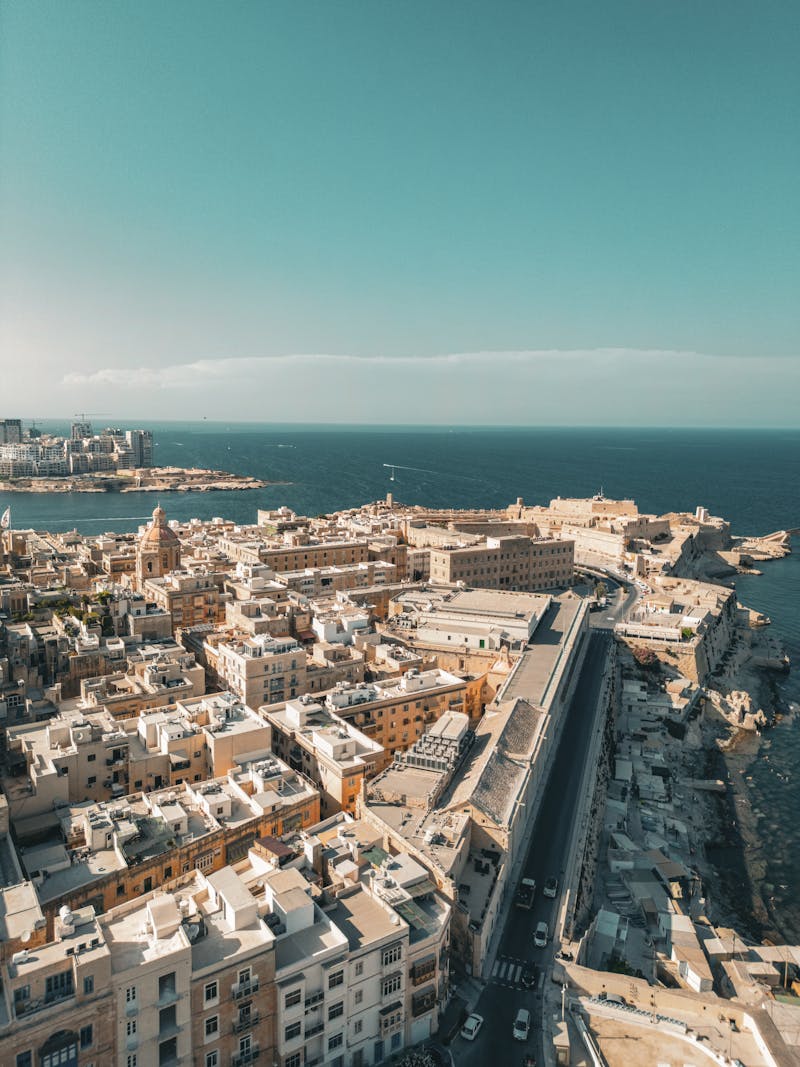
July is peak season, so Malta’s headline sights are busiest in the middle of the day and accommodation is at its priciest. Valletta and the Blue Lagoon fill up by late morning, and dinner tables in Sliema and St Julian’s need booking ahead. The fix is timing: see the big sights early or in the evening — and if your dates are flexible, the shoulder months are noticeably calmer and cheaper.
Daily visitors to Valletta climb steeply in peak summer, and the capital’s narrow limestone streets feel genuinely congested by mid-morning. Comino’s Blue Lagoon tells the same story: boat tours start arriving around 9 AM, and the rock ledges are packed by late morning. Hotel rates in July run well above shoulder-season prices, so booking several months ahead is the difference between a good rate and whatever is left at the last minute. If you can move your dates, late April to early June and mid-September to late October deliver warm-enough weather with far thinner crowds. Either way, check the Malta summer events calendar and the official VisitMalta listings before you commit, because festa nights bring road closures that shape where you can drive and park.
Here is what the crowds mean in practice:
- Valletta: streets feel congested from mid-morning. Aim to arrive before 9:00 AM or after 6:00 PM for a calmer walk.
- Blue Lagoon: the first morning ferry, before 9:00 AM from Ċirkewwa or Sliema, is your best shot at seeing it before the day-trip boats arrive.
- Sliema and St Julian’s: promenades and restaurants fill fast. Book dinner rather than hoping to walk in.
- Public transport: buses keep running, but summer traffic adds real time to every journey.
- Driving and parking: road closures during festas and general congestion make central areas frustrating behind the wheel.
Key takeaway: In July, timing beats everything. The same sight that feels overwhelmed at noon is calm at 8:00 AM or after 6:00 PM, so build your day around the edges rather than the middle.
How do you beat the July heat and get around?
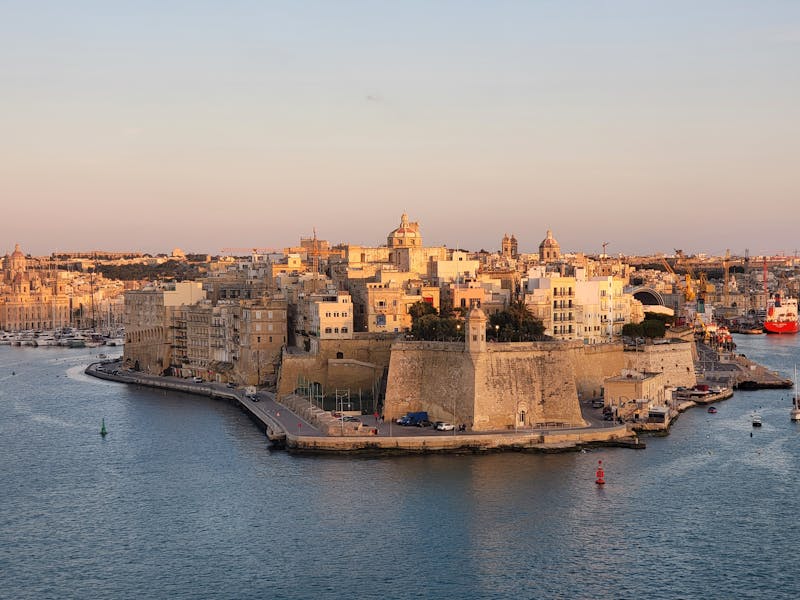
The single best strategy is a two-phase day: finish outdoor sightseeing by about 10:30 AM, spend the hottest hours (roughly 11:00 AM–4:00 PM) somewhere air-conditioned, then head back out after 5:00 PM when the light turns golden and the island exhales. For getting around, favour buses and ferries over driving — parking is scarce and festa road closures are common — and book popular ferries the day before.
That two-phase rhythm is the difference between seeing more of Malta and burning out on day two. Mornings and evenings are for walking, swimming, and sightseeing; the midday block is for a long lunch, a museum, or your accommodation. On transport, the Malta Public Transport network reaches almost every town with air-conditioned buses, and holders of a personalised tallinja card travel free on buses plus the Sliema–Valletta and Three Cities ferries and the Barrakka Lift. Most visitors find the tallinja Explore Card (unlimited travel) the best value, while a single summer journey paid in cash is €2.50. For longer hops, the Valletta–Sliema ferry is faster, cheaper, and far more pleasant than driving. For deeper heat-management tactics that locals actually use, the resident’s summer guide is worth a read.
Staying in a self-catering rental?
July’s heat means you will spend the hottest hours indoors, so a comfortable, clean space matters more than usual. If a mid-stay refresh would help, Rozie’s network of cleaning services in Malta can handle it without the usual Facebook-group hunt.
A practical packing and planning checklist for July:
- Sunscreen: SPF 50 minimum, reapplied every two hours outdoors.
- Water shoes: rocky entries at spots like St Peter’s Pool need them.
- Light clothing: linen and moisture-wicking fabrics make a real difference.
- Refillable water bottle: tap water is safe; refill constantly.
- tallinja app: Malta’s transport app provides live bus tracking and journey planning. Add 20–30 minutes of buffer to any summer bus trip for traffic.
- Early ferry bookings: the first morning boat to the Blue Lagoon, before 9:00 AM from Ċirkewwa or Sliema, is the reliable way to beat the crowds.
- Accommodation booked ahead: with July prices well above shoulder season, last-minute options are both pricey and limited.
Pro tip
Book your Blue Lagoon ferry the evening before. Morning departures sell out quickly in July, and turning up at the dock without a ticket is a gamble you will usually lose.

What are the July highlights worth planning around?
July’s biggest draws are simple: the warm, clear sea; the village festas that fill every weekend with brass bands and fireworks; and Malta’s heritage sites, best visited early. This guide keeps the highlights short on purpose — for full event line-ups and activity detail, Malta’s dedicated July guides go deeper.
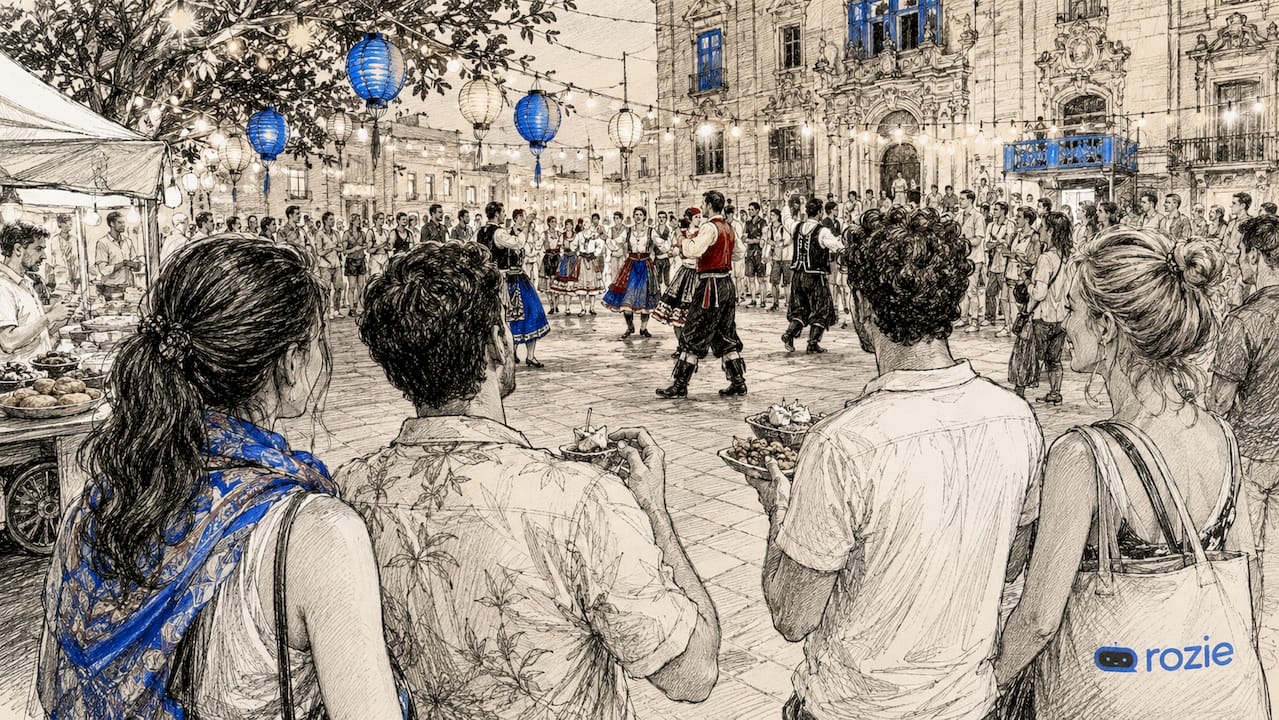
For swimming, the Blue Lagoon is the headline act if you take an early boat, while Mellieħa Bay, Golden Bay, and St Peter’s Pool offer sandy or rocky alternatives with fewer crowds. Village patron-saint festas run every weekend through July, each with brass bands, decorated churches, street food, and fireworks that rival professional displays — they are free to attend and offer a window into Maltese culture no museum can match; the july festivals guide has specific dates and towns. For heritage, aim to be inside sites like Valletta’s St John’s Co-Cathedral or the Ħal Saflieni Hypogeum early in the morning, and save the Upper Barrakka Gardens and the Grand Harbour view for the evening.
Staying in a holiday rental this July?
Many July visitors stay in self-catering apartments, townhouses, or Gozo farmhouses rather than hotels — and sandy floors, salt air, and the general churn of a busy holiday add up fast when you are spending the hottest hours indoors. Whether you are refreshing a rental mid-stay or turning it over between guests, booking a cleaner in Malta should not mean losing an afternoon to phone calls.
Finding a reliable cleaner the traditional way often means scrolling Facebook groups, calling around, and chasing vague quotes — not how you want to spend a holiday.
Rozie was built to remove that friction. You post the job once, pick your date and any extras such as inside windows or a balcony, and verified cleaners send you offers with exact prices before you accept. Every booking includes 7-day payment protection and up to €1,000,000 in professional liability insurance underwritten by Lloyd’s Insurance Company S.A.
Here is the whole booking process in under 60 seconds:

Rozie connects you with verified cleaners in Malta who are vetted before they take a booking, available seven days a week, with payment protection on both sides. If you are renting a holiday property this summer, it is easy to book a trusted cleaner between guest stays or for a mid-holiday reset — and you can see what a cleaner costs in Malta before you post the job.
Key takeaways
Malta in July rewards prepared travellers: the heat and crowds are real, but early starts, smart scheduling, and cultural curiosity turn them into advantages rather than obstacles.
Malta in July FAQ
What is the weather like in Malta in July?
July is Malta’s hottest month, with daytime highs of around 31–34°C and heatwaves that can push past 40°C. The sea is a warm 25–27°C, rain is close to zero, and there are roughly 12–14 hours of sunshine a day. The midday hours are the most punishing, so plan outdoor time for early morning or evening.
Is July a good time to visit Malta?
July is ideal for beaches, warm sea, and village festas, but it demands preparation for intense heat and peak crowds. Travellers who use a two-phase daily schedule and book accommodation early get the most from it. If your dates are flexible, the shoulder months of May–early June and September–October are cooler, calmer, and cheaper.
How do you avoid the crowds in Malta in July?
Timing is everything. Visit Valletta and other sights before 9:00 AM or after 6:00 PM, and take the first morning ferry to the Blue Lagoon before the day-trip boats arrive. Weekdays are quieter than weekends, and booking restaurants ahead saves you from full terraces in Sliema and St Julian’s.
How much more expensive is Malta in July?
July is peak season, so hotel prices run well above shoulder-season rates and availability tightens quickly. Booking accommodation several months in advance is the most effective way to manage costs, and travelling on public transport rather than taxis keeps day-to-day spending down.
How do you get around Malta in July?
Buses and ferries are the practical choice, since summer parking and festa road closures make driving stressful. The tallinja app offers live bus tracking and journey planning, most visitors find the tallinja Explore Card the best value, and the Valletta–Sliema ferry is a fast, scenic alternative to the road.
Can I book a cleaner for a holiday rental in Malta?
Yes. On Rozie you post a cleaning request with your date and any extras, and verified cleaners send you offers with exact prices, usually within minutes. You compare offers before you accept, and every booking includes 7-day payment protection and up to €1,000,000 in liability insurance — useful for a mid-stay refresh or a turnover between guests.