

In this guide
What is the weather like in Malta in August?
How crowded is Malta in August?
What events and festivals happen in Malta in August 2026?
What else is worth doing in Malta in August?
How do you structure a day around the August heat?
What practical tips make August in Malta easier?
What is the weather like in Malta in August?
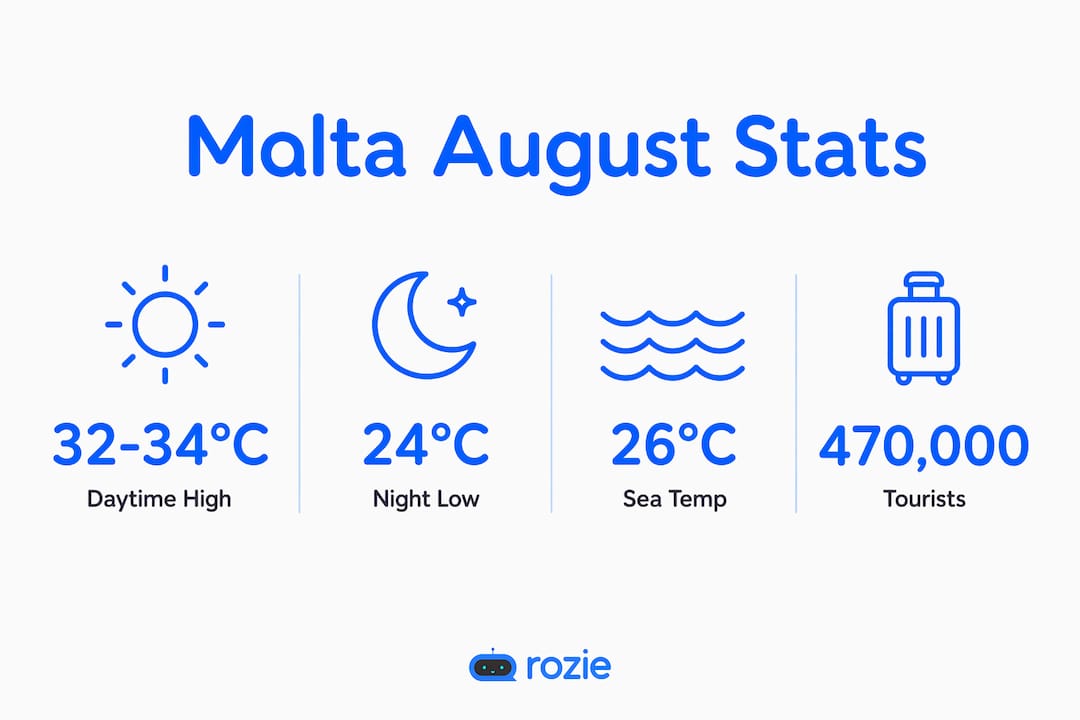
August is Malta’s hottest and driest month: daytime highs of 32–34°C, nights that rarely dip below 24°C, more than 12 hours of sunshine a day and virtually zero rainfall. The sea reaches about 26°C — its warmest of the year — while the UV index sits at 10–11, a level classified as extreme.
The number on your weather app is only half the story. Maltese towns are built from Globigerina limestone, which absorbs heat all day and radiates it back into the streets long after sunset. That is the urban heat island effect, and it pushes “feels-like” temperatures in dense stone streets like Valletta’s to 38–40°C around midday. Nights stay warm and humid near the coast, which is why air conditioning matters far more here than most first-time visitors expect.
Pro tip
Pack one light layer for indoor spaces. The jump from a 34°C street into an 18°C air-conditioned museum or restaurant is roughly 15 degrees, and that repeated shock — not the heat itself — is what leaves many visitors feeling rough by day three.
How crowded is Malta in August?
August is the absolute peak of Malta’s peak season. The National Statistics Office recorded 470,643 inbound tourists in August 2025 — an 11.5% increase on the previous year and the highest monthly total on record — spending €547.6 million in that single month. Across 2025 as a whole, Malta passed four million visitors for the first time.
Tourist density in August runs 4–5 times higher than in January, and in hubs like Sliema and St Julian’s the effective population more than doubles. The NSO’s tourism releases track the surge month by month, but on the ground it looks like this:
- Valletta and the Blue Lagoon queue by mid-morning. Arriving before 9:00 makes a measurable difference to both heat and crowds.
- Accommodation prices peak for the year. The standard local advice is to book three to four months ahead; last-minute August deals are rare.
- Transport fills up. Buses on coastal routes run full, and Gozo ferries and Blue Lagoon boats sell out on summer weekends.
- Dinner reservations in Sliema and St Julian’s are close to mandatory, especially on festa weekends.
Book in this order.
Flights and accommodation months out, then Hypogeum tickets (they sell out weeks ahead), then boat trips and festival tickets. Restaurants can wait until a few days before — everything else in August cannot.
What events and festivals happen in Malta in August 2026?
August 2026 is anchored by Santa Marija on Saturday 15 August — a public holiday celebrated simultaneously in seven parishes — alongside the Malta International Food Festival (5–9 August at the Granaries, Floriana), the sold-out Glitch Festival (12–15 August) and the Summer Carnival (21–23 August). Village festas fill nearly every weekend in between.
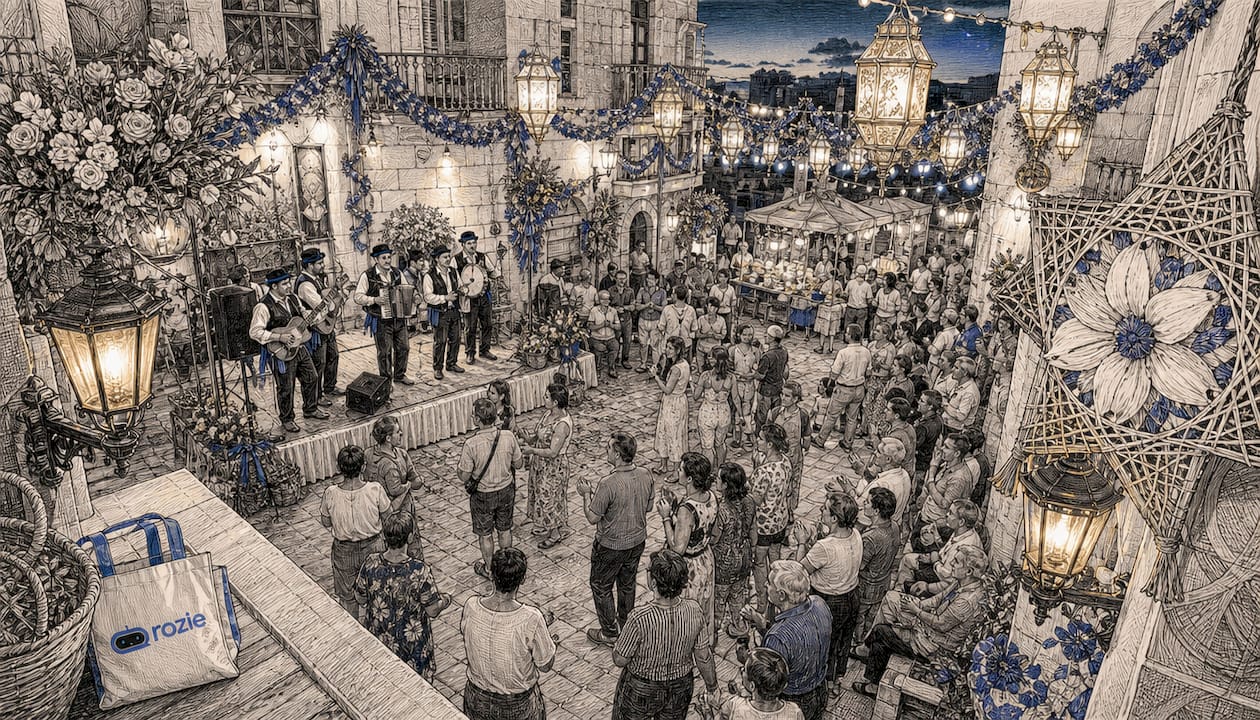
Santa Marija, the feast of the Assumption, is Malta’s version of Ferragosto. It is celebrated at full scale in Mosta, Attard, Mqabba, Qrendi, Gudja, Għaxaq and Victoria on Gozo, and it doubles as a national commemoration of the 1942 Santa Marija Convoy that saved wartime Malta. Because the feast falls on a Saturday in 2026, expect the biggest festa crowds in years — our guide to the best festas in Malta breaks down which village suits which visitor. One timing rule matters above all: the headline fireworks happen on the eve, not the feast day. Mqabba’s music-synchronised display on the night of 14 August is the most intense pyrotechnic night of the whole season, and the full Malta fireworks calendar maps the rest of the month.
The Malta International Food Festival runs over five evenings at its new, larger home on the Floriana Granaries, with food from more than 40 countries. Glitch Festival marks its tenth anniversary with 95+ electronic acts, opening inside Valletta’s UNESCO fortifications before the main days at Gianpula — general tickets are already sold out, so check the official Glitch site for remaining closing-party tickets rather than street resellers. Beyond the headliners, almost every weekend brings a village festa somewhere on the islands, and the full listing of 2026 August events is worth a scan once your dates are fixed.
Key takeaway: Plan around the eve, not the feast day. The biggest fireworks of the summer light up Mqabba and Qrendi on the night of 14 August; 15 August itself belongs to processions, packed beaches — and closed shops.
What else is worth doing in Malta in August?
The heat decides the schedule: sea in the morning, culture at dawn or dusk, and shade in between. The best of Malta in August is swimming, boat days to Comino and Gozo, evening waterfronts and the festa calendar — not midday sightseeing.
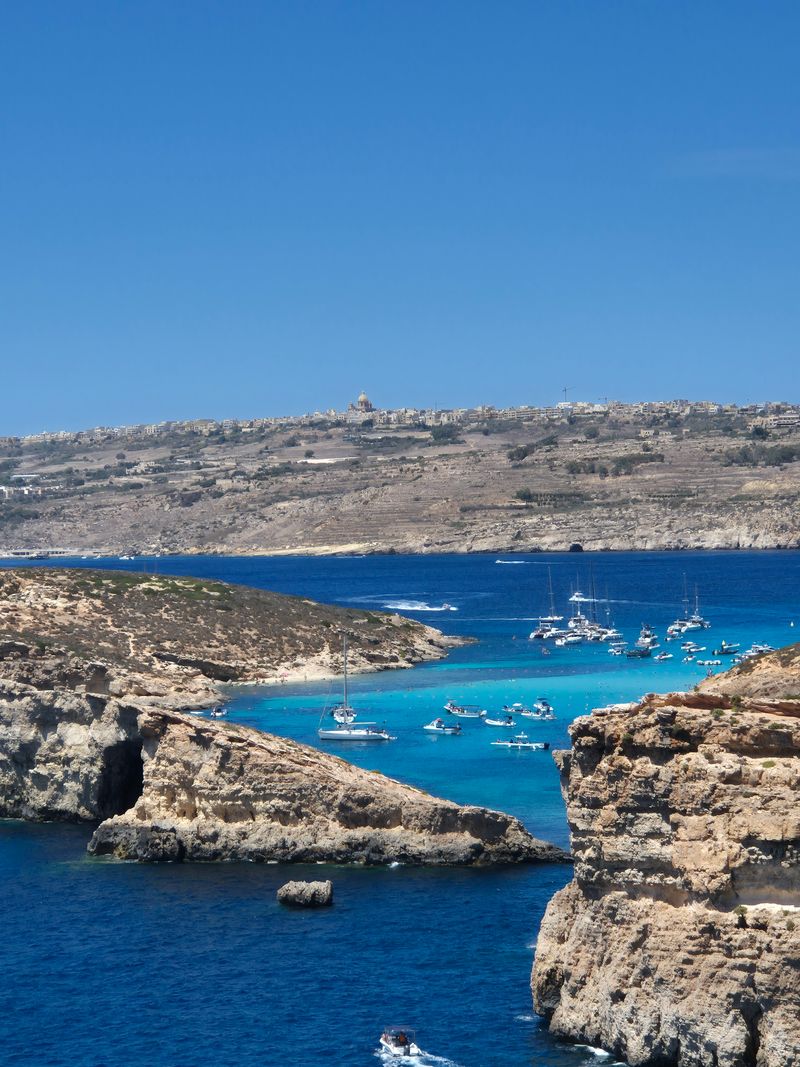
- Swim before the island wakes up. At around 26°C the sea is warm enough to stay in for hours. Golden Bay, Għajn Tuffieħa, Mellieħa Bay and St Peter’s Pool are at their best before 10:00 — our Malta beaches guide covers access and costs for each.
- Take a boat day. Sailing around Malta and across to Comino or Gozo gets you off the packed shoreline entirely. Blue Lagoon return boats cost roughly €10–25; aim for the first departures around 8:00 or go after 16:00 when the day-trip fleet leaves.
- Do heritage at dawn. Mdina at 7:00 and Valletta’s fortifications in early light are a different island. For Ħaġar Qim and other outdoor sites, arrive right at opening, before the mid-morning coach groups.
- Go indoors at midday. St John’s Co-Cathedral, the National Museum of Archaeology and a long, slow lunch are the correct 13:00 itinerary in August.
- Walk the waterfronts at sunset. The Upper Barrakka Gardens over the Grand Harbour and the Sliema front come alive once the heat breaks.
- Sample Paceville with expectations set. St Julian’s nightlife district is loud, crowded and fun in August — it is also where most tourist incidents happen, so keep your wits about you.
For ideas beyond the summer window, the year-round things to do in Malta guide covers the full calendar.
Pro tip
Rent a kayak or paddleboard from a beach operator instead of joining a big group boat tour. You get the same water, more flexibility, and none of the waiting around at pick-up points.
How do you structure a day around the August heat?
Treat August like a split-shift day: outdoors from roughly 6:30 to 10:30, indoors or at rest from 11:00 to 16:00, and back out from 17:00 until late. Visitors who try to power through the midday window are the ones who burn out by day three; the ones who adapt to the island’s rhythm come home wanting to return.
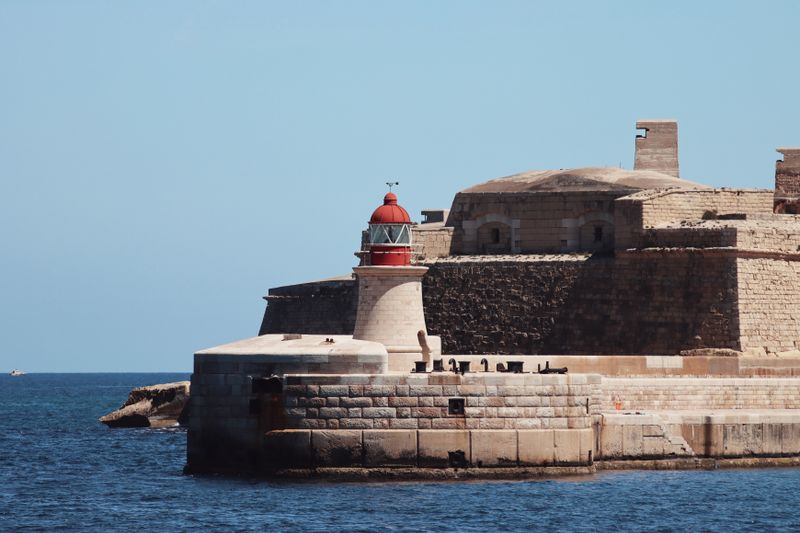
Residents run the same playbook from June to September. If you are staying longer than a holiday — or just curious how the island copes — the resident’s guide to surviving summer in Malta covers the deeper survival kit, from air conditioning economics to Saharan dust events.
What practical tips make August in Malta easier?
The habits that matter in Malta’s August are simple: move early or late, drink water constantly, respect the beach flags, and treat buses and beach car parks with mild suspicion. None of it is complicated, but each habit below solves a problem that catches out first-time visitors every single August.
- Hydrate on a schedule. Malta’s tap water is safe to drink, so carry a refillable bottle. The dry heat dehydrates you faster than it feels.
- Dress for extreme UV. With the index at 10–11, a lightweight long-sleeve shirt protects better than sunscreen alone on long outdoor stretches; at the beach, reapply every 90 minutes.
- Read the flags before you swim. Green means safe, yellow means caution, red means stay out. Jellyfish blooms — usually mauve stingers — drift in during late summer, so scan the waterline and ask the lifeguard.
- Budget €2.50 per bus ride. The summer single fare is €2.50, valid for two hours with free transfers, paid in cash or contactless on board; a 7-day Explore Card costs €25 and pays for itself in ten rides. Check Malta Public Transport’s fares page for card options, and build big time buffers into coastal routes — August traffic ignores timetables.
- Stay sharp in Paceville. Drink-spiking and bill-padding are the most common nightlife risks: watch your drink being poured and check the bill line by line before paying.
- Leave nothing visible in parked cars. Break-ins at remote beach car parks are a known issue — bags go in the boot before you set off, not after you park.
- Staying in a self-catering flat for a week or more? A mid-stay clean is easy to arrange: hosts and guests in Malta post the job on Rozie and compare exact-price offers from verified cleaners, usually within minutes.
How do short-let hosts keep up with August turnovers?
For hosts, August means back-to-back checkouts, same-day turnarounds and every reliable cleaner on the island already booked. The traditional fix — messaging three cleaners on Facebook and hoping one answers before the 15:00 check-in — falls apart exactly when occupancy peaks.
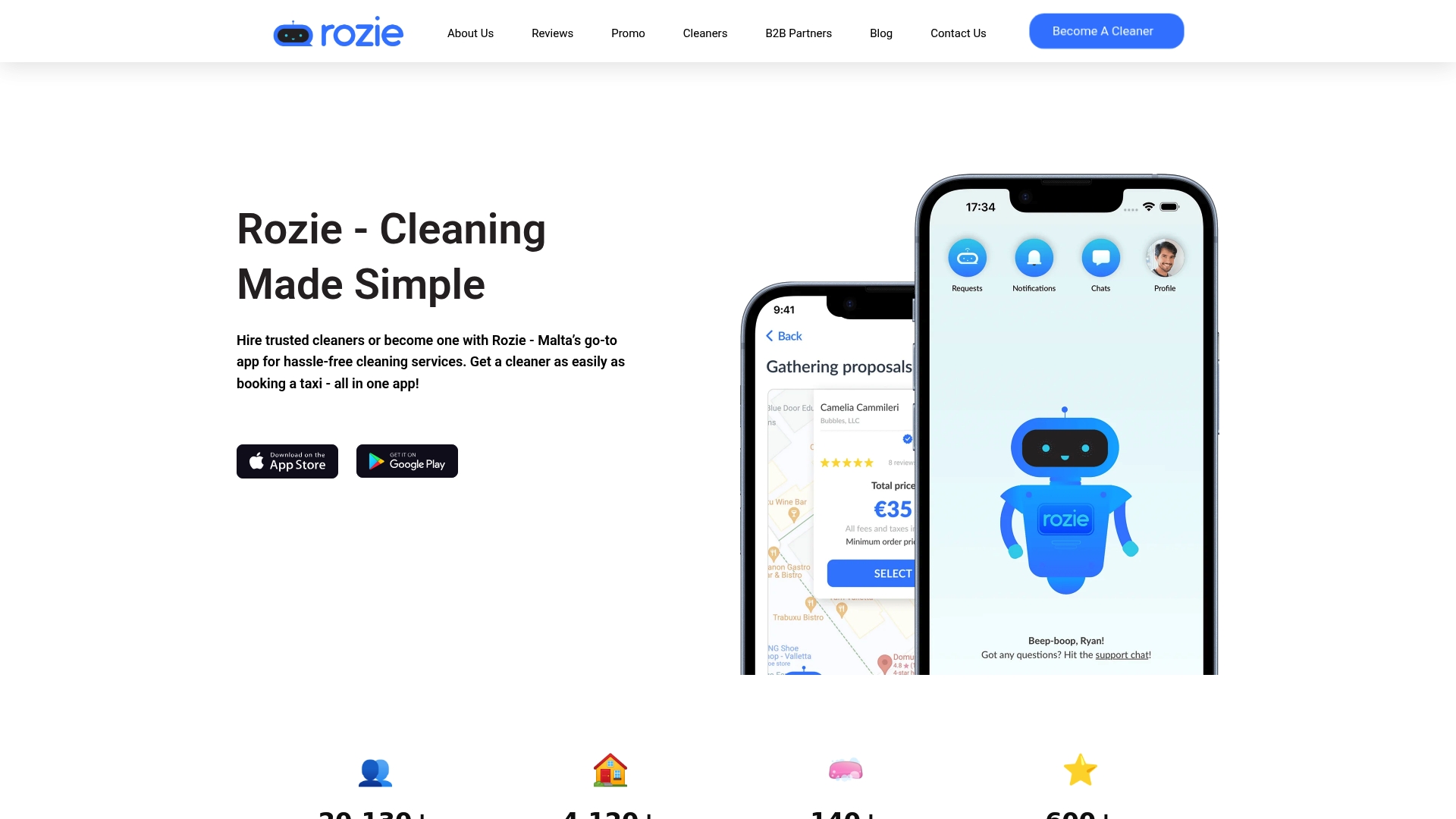
Rozie removes that scramble. You post the job once, verified cleaners send offers with exact prices — typically within 5–15 minutes — and you accept the one that fits your changeover window. Every booking is backed by payment protection and up to €1,000,000 in professional liability insurance.
Here is the full booking process in under 60 seconds:
Compare Cleaning Offers on Rozie ->
If you are managing a holiday rental this summer, the trusted cleaner guide is a practical starting point and the holiday home cleaning guide covers guest-ready standards step by step. The Airbnb hosting in Malta guide handles licensing and the business side, and the full library of cleaning in Malta guides covers everything in between.
FAQ
What is the average temperature in Malta in August?
Daytime highs in Malta in August average 32–34°C, with night-time lows around 24°C. Dense limestone towns like Valletta can feel like 38–40°C at midday because the stone stores and radiates heat.
How crowded is Malta in August?
Very crowded. Malta recorded 470,643 inbound tourists in August 2025, its highest monthly total on record and 11.5% more than the year before. Book accommodation three to four months ahead and reserve boats, the Hypogeum and popular restaurants early.
Is the sea warm enough for swimming in Malta in August?
Yes. The sea around Malta reaches about 26°C in August, its warmest of the year, and stays comfortable from early morning until after sunset. Check the beach flags before swimming, as jellyfish can drift in during late summer.
What happens in Malta on 15 August?
15 August is Santa Marija, a public holiday and the peak of the festa season, celebrated simultaneously in seven parishes including Mosta, Mqabba and Victoria on Gozo. The biggest fireworks happen on the eve of 14 August, and many businesses close for the week around the feast.
How much does the bus cost in Malta in August?
A single bus ticket costs €2.50 in August under the summer tariff, valid for two hours with free transfers, paid in cash or by contactless card on board. A 7-day Explore Card costs €25 and breaks even after ten rides.
Is Malta safe for tourists in August?
Malta is generally safe. The main August risks are nightlife-related issues in Paceville, such as drink-spiking and inflated bills, and break-ins at remote beach car parks. Staying alert and leaving nothing visible in parked cars prevents most problems.
Can I book a cleaner for a holiday rental in Malta in August?
Yes, though August is the busiest month for turnover cleaning in Malta. On Rozie you post the request once and verified cleaners send offers with exact prices, usually within 5–15 minutes, so you can compare before accepting. The Malta cleaning cost guide explains what typically drives the price.