

Property management cleaning in Malta costs €10–25 per hour depending on whether you hire an independent cleaner or a professional agency, with tenant turnover cleans typically ranging €60–150 based on property size and condition. For landlords managing rental properties on the island, the cleaning challenge goes beyond simple scheduling — Malta’s hard water (350–600 PPM), year-round humidity above 60%, and coastal salt-air exposure create maintenance demands that standard cleaning checklists from other markets simply don’t address.
This guide covers what Malta landlords actually need to know: cleaning types and when to use each, Malta-specific environmental challenges that damage properties when ignored, realistic pricing, how to vet and manage cleaners reliably, and the regulatory context around deposit deductions and property condition standards under Malta’s Private Residential Leases Act.
Why Property Cleaning in Malta Requires a Different Approach
Malta’s environment accelerates property wear in ways that landlords relocating from the UK, Germany, or Scandinavia often underestimate. Understanding these factors determines whether your cleaning schedule protects your investment or just keeps surfaces looking acceptable until damage sets in.
Hard water and limescale buildup
Malta’s tap water measures 350–600 PPM (parts per million), making it among the hardest in Europe — roughly double the EU average. This mineral-heavy water deposits visible white limescale on bathroom fixtures, shower screens, taps, kitchen appliances, and inside kettles within days of cleaning. Left untreated between tenancies, limescale becomes permanent, etching chrome finishes and clouding glass. Standard cleaning won’t remove established deposits; you need acid-based descalers applied with soak time, which adds 30–60 minutes per bathroom to any turnover clean.
Humidity, mould, and condensation
Indoor humidity regularly exceeds 70–80% between October and February, creating conditions for black mould growth around shower seals, window frames, AC drainage lines, and behind furniture pushed against exterior walls. Properties at lower-ground level (common in Sliema, Gżira, and older Valletta buildings) are especially vulnerable. Mould isn’t just a cosmetic issue — it’s a health hazard that tenants will report and that the Housing Authority takes seriously during dispute adjudication. Regular inspection and treatment during routine maintenance cleans prevents small spots from becoming a major remediation project.
Salt air and Saharan dust
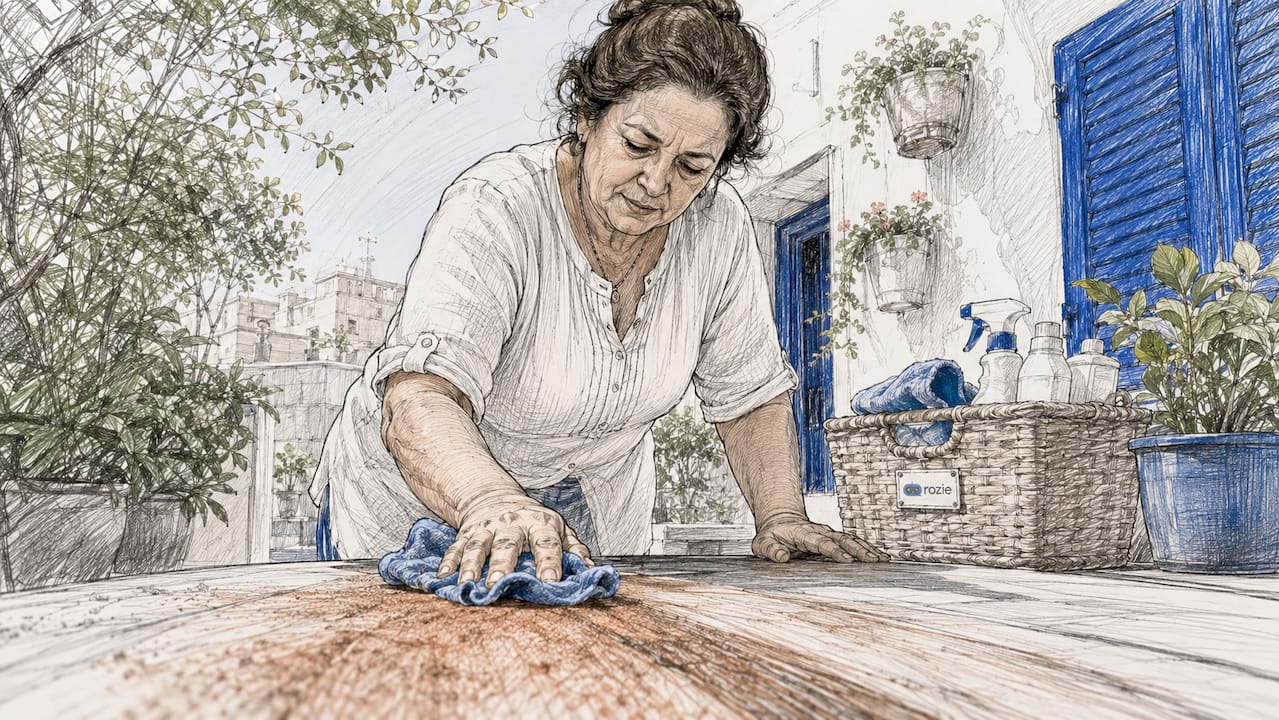
Most populated areas of Malta sit within a few kilometres of the coast, meaning salt-laden air coats exterior and interior surfaces with a sticky residue that accelerates corrosion on balcony railings, window handles, and appliance finishes. Combine this with Saharan dust events (most frequent March through June) and properties accumulate a gritty film on floors, windowsills, and exposed surfaces far faster than inland European properties. Regular damp-wiping — not just dusting — is essential.
Limestone floors and finishes
Many Maltese properties feature globigerina limestone flooring — a soft, porous stone that stains permanently when exposed to acidic cleaners, red wine spills, or coloured liquids. Vinegar-based products, standard bathroom sprays, and even some “natural” cleaning solutions can etch the surface. Any cleaner working on your Malta property needs to use pH-neutral products on limestone. Specify this in your cleaning brief — it’s the single most common cleaning mistake in Maltese rental properties.
Types of Property Management Cleaning: When to Use Each
Matching the right cleaning type to the right situation protects your budget while preventing the gradual property decline that leads to deposit disputes and tenant complaints.
Standard maintenance cleaning
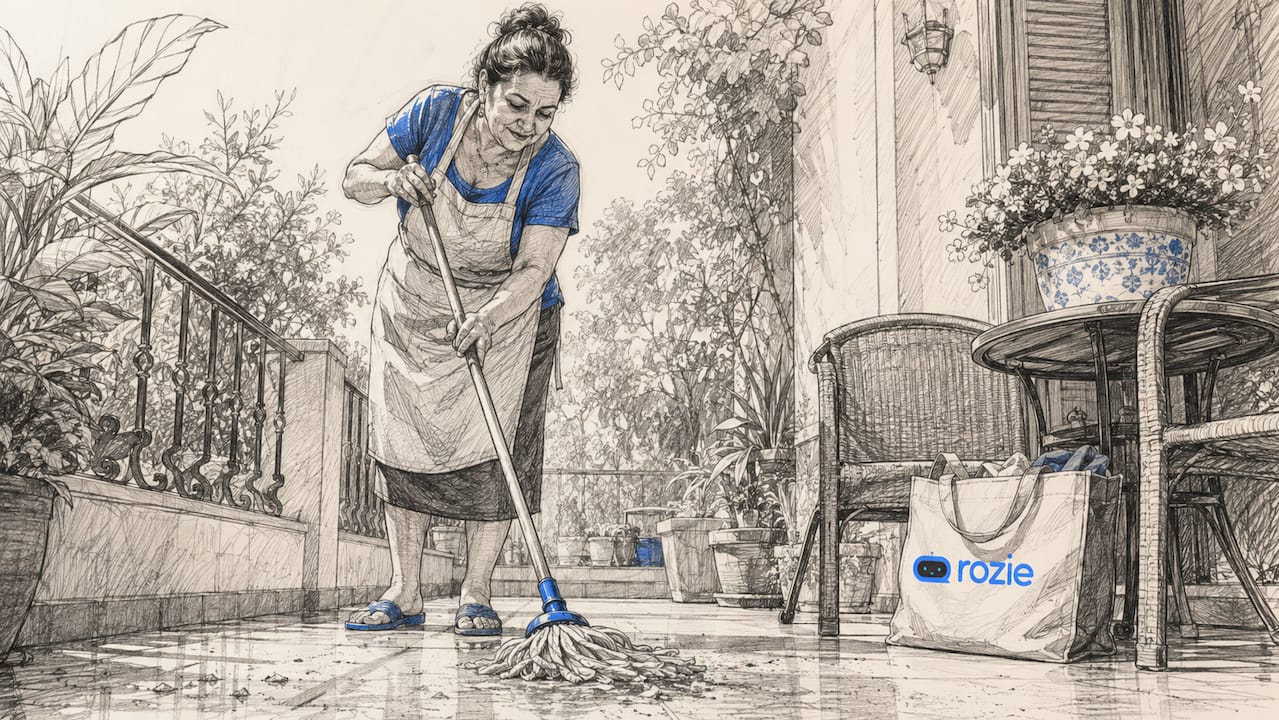
Standard cleaning covers routine upkeep: surface wiping, floor vacuuming and mopping, bathroom sanitisation, kitchen surface cleaning, and dusting. Schedule this weekly for occupied short-let properties, fortnightly for long-let properties where tenants handle daily tidying, and monthly for vacant properties awaiting new tenants. In Malta, always include damp-wiping of windowsills and balcony surfaces as standard — salt and dust accumulation between visits is much faster than in northern European climates.
Cost: €10–20/hour for independent cleaners, €15–25/hour for agencies. A standard clean of a two-bedroom apartment takes 2–3 hours.
Deep cleaning
Deep cleaning tackles what standard cleaning misses: limescale removal from all bathroom chrome and glass, oven and hob degreasing, fridge interior sanitisation, grout scrubbing, inside cupboards and drawers, behind and under furniture, AC filter cleaning, and window washing (interior and exterior where accessible). Schedule deep cleans quarterly for occupied properties, or as a standalone service when a property has been vacant for more than a month — Malta’s humidity means mould and dust accumulate even in unoccupied spaces.
Cost: 30–50% more per session than standard cleaning. A two-bedroom deep clean typically costs €60–120 depending on the provider and property condition.
Tenant turnover cleaning
Turnover cleaning is the most comprehensive and consequential service — it prepares your property for the next tenant and creates the baseline condition that protects your deposit claim if the next tenant damages the property. A proper turnover should include everything in a deep clean plus: full appliance check (all hobs ignite, oven functions, fridge maintains temperature, washing machine runs a cycle), wall mark removal, light fixture cleaning, drawer and cupboard interior wipe-down, balcony/terrace thorough clean, and a condition assessment for any maintenance issues that need addressing before the new tenant moves in.
Cost: €80–200 depending on property size and condition. A well-maintained two-bedroom apartment turnover runs €80–130; a neglected property may cost significantly more.
Short-let turnover cleaning
For Airbnb and holiday rental properties, turnover cleaning happens between every guest stay — sometimes daily during peak season. This is lighter than a full tenant turnover but more thorough than standard cleaning: bed linen change, fresh towels, full bathroom sanitisation including limescale treatment, kitchen reset, floor cleaning, bin emptying, and a walkthrough for guest-left items. Speed matters here — you may have a three-hour window between checkout and check-in.
Cost: €40–80 per turnover depending on property size. For Malta-specific guidance, see the short-let cleaning checklist.
| Service type | Best for | Frequency | Typical cost (2-bed) | Duration |
|---|---|---|---|---|
| Standard cleaning | Routine maintenance | Weekly to monthly | €25–60 | 2–3 hours |
| Deep cleaning | Quarterly refresh, neglected properties | Every 3 months | €60–120 | 4–6 hours |
| Tenant turnover | Between long-let tenancies | Each changeover | €80–130 | 5–8 hours |
| Short-let turnover | Between guest stays | Every changeover | €40–80 | 2–4 hours |
How to Vet and Manage Cleaners for Malta Rental Properties
Finding a reliable cleaner for a property you’re entrusting with keys and valuables requires more diligence than hiring someone for a one-off home clean. In Malta’s rental market — where informal, cash-in-hand cleaning arrangements are still common — the difference between a vetted professional and an unverified individual carries real financial and legal consequences.
What “verified” should actually mean
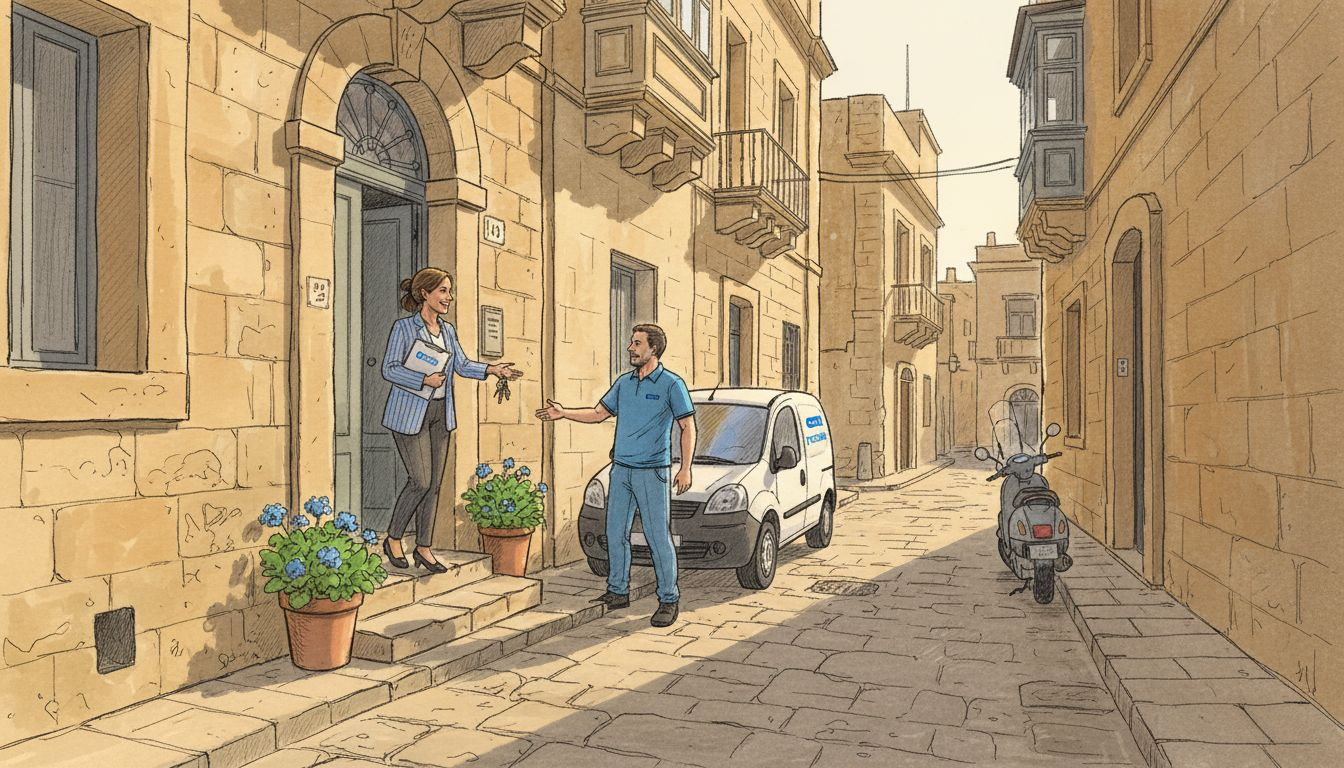
At minimum, any cleaner with unsupervised access to your rental property should have: confirmed identity through government-issued ID, checkable references from previous property management clients, liability coverage (either their own or through a platform), and a documented track record you can review before booking. In Malta, where many cleaners operate informally, these basics are often missing — which is why landlords frequently report inconsistent quality, no-shows, and disputes that have no formal resolution process.
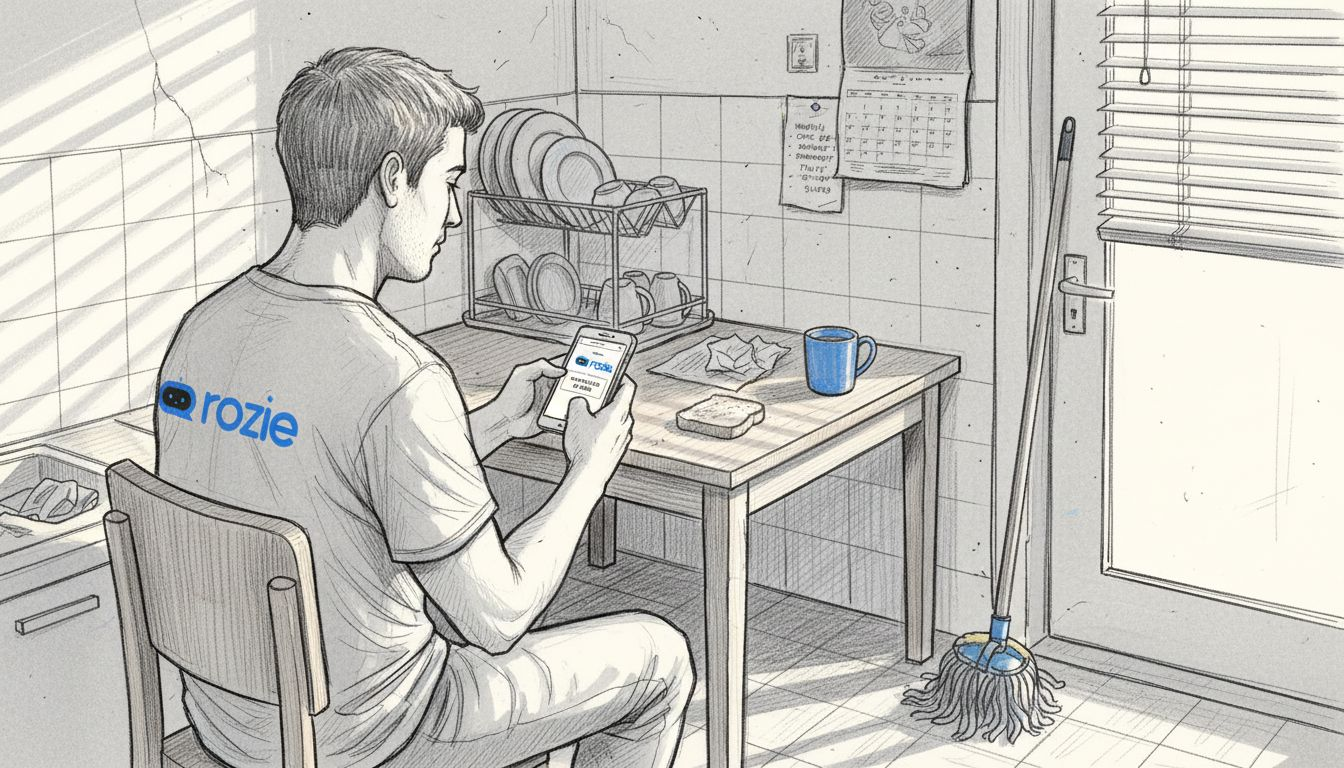
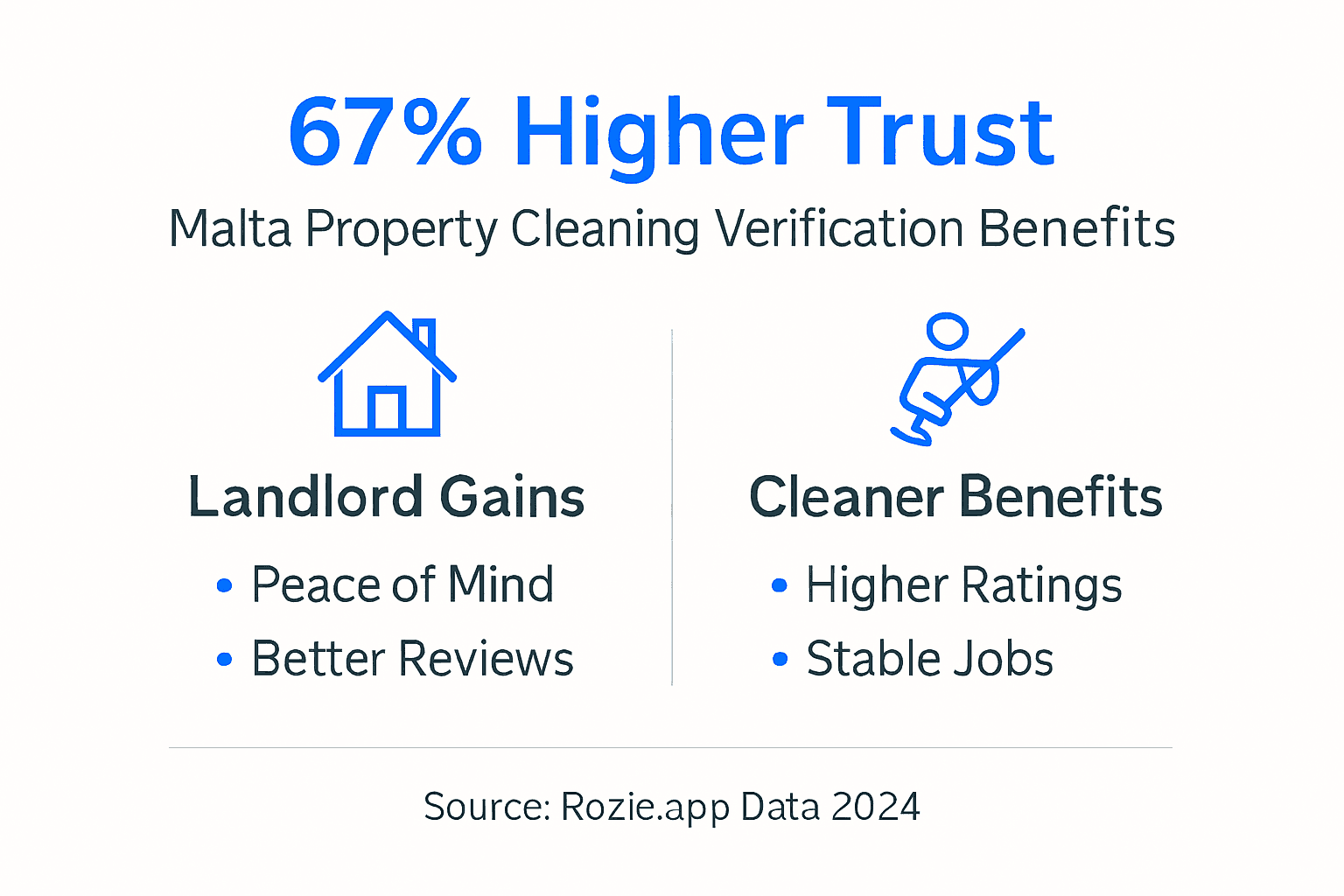
Platforms like Rozie.app handle verification at the onboarding stage — every cleaner undergoes background checks and ID verification before they can accept jobs, and their performance is tracked through visible ratings and reviews from previous clients. This creates accountability that informal arrangements can’t replicate. The platform’s 7-day payment protection means you confirm satisfaction before funds release, eliminating the awkward dynamic of paying cash upfront for work you haven’t inspected.
What to include in a cleaning brief
Whether you use a platform or hire directly, a written cleaning brief prevents 90% of quality complaints. Your brief should cover: access instructions (key location, alarm codes, parking), room-by-room task list, specific product restrictions (pH-neutral on limestone, no bleach on certain surfaces), linen and towel handling instructions, any areas that need extra attention (limescale-prone bathrooms, mould-prone window frames), what to do with post and deliveries, and how to report maintenance issues they discover during cleaning.
Share this brief digitally — in-app messaging through platforms like Rozie keeps a documented trail of instructions, which is useful if quality disputes arise. Verbal-only briefs lead to “I was told…” disputes that are impossible to resolve fairly.
Building a reliable cleaner roster
For long-let property management, finding two to three trusted cleaners and rotating between them provides backup coverage without sacrificing consistency. Book the same cleaner for the first three to four sessions to establish your standards, then introduce a second cleaner to ensure you’re never left without coverage during holidays or illness. For short-let properties with frequent turnovers, Rozie’s marketplace model lets you book from a pool of verified cleaners with real-time availability — essential during peak season when your regular cleaner may be fully booked.
Cleaning Schedules for Different Property Types in Malta
The optimal cleaning schedule depends on how your property is let. Getting this wrong means either overspending on unnecessary cleans or under-maintaining the property until damage becomes expensive.
Long-let properties (PRL Act tenancies)
Under Malta’s Private Residential Leases Act, landlords are responsible for maintaining the property in good repair, while tenants handle routine daily maintenance. For most long-let arrangements, landlords should schedule a professional deep clean quarterly — this catches developing issues (mould growth, limescale buildup, appliance wear) before they become the “extraordinary repairs” the PRL Act holds landlords responsible for. Many landlords also arrange a standard clean monthly for common areas in apartment blocks and condominiums.
At tenant changeover, always commission a full turnover clean before the incoming tenant’s inventory inspection. Under the PRL Act, deposits can only cover damage caused by the tenant, not pre-existing conditions or normal wear. A professional turnover clean — documented with photos — establishes the baseline condition that protects both your deposit claim and your tenant relationship.
Short-let and Airbnb properties
Short-let properties require turnover cleaning between every guest, plus a monthly or bi-monthly deep clean during high-occupancy periods. During Malta’s peak tourist season (June through September), you may need turnovers daily or every few days. Outside peak season, weekly turnovers are more typical. Schedule one comprehensive deep clean per quarter, focusing on limescale removal, grout scrubbing, appliance interiors, and AC filter cleaning — the tasks that turnover cleans don’t fully address.
MTA-licensed Holiday Furnished Premises must meet cleanliness standards during inspections. While the MTA doesn’t specify exact cleaning protocols, inspection officers assess general property condition, and cleanliness failures can delay licence renewal. Maintaining a documented cleaning schedule with receipts or platform booking records demonstrates compliance.
Vacant properties
Properties sitting empty between tenants still need maintenance cleaning — Malta’s humidity causes mould, dust accumulates from open windows or AC vents, and limestone floors develop a dull film without regular mopping. Schedule a standard clean every two to four weeks for vacant properties, with extra attention to bathroom ventilation, running taps briefly to prevent drain trap drying, and checking for signs of pest activity (common in ground-floor and older Maltese properties).
Protecting Deposits: How Cleaning Documentation Supports Landlords
Deposit disputes are one of the most common landlord-tenant conflicts in Malta. The Housing Authority’s Adjudicating Panel handles claims up to €5,000, and the standard of evidence required has increased significantly since the PRL Act amendments.
What the law allows you to deduct
Under Malta’s Private Residential Leases Act, deposit deductions are only permitted for actual damage caused by the tenant, missing inventory items, unpaid utility bills, or “excessive cleaning” required due to the tenant’s misuse. Normal wear and tear — scuff marks, faded paint, minor scratches — cannot be deducted. The Adjudicating Panel relies heavily on documentary evidence: inventory reports, timestamped photographs, and receipts.
How cleaning documentation helps
Commissioning a professional turnover clean both before a tenant moves in and after they move out creates a documented comparison. If you use a platform like Rozie with in-app communication, your cleaning instructions, completion confirmations, and any issue reports form an evidence trail that holds weight in Housing Authority proceedings. Ask your cleaner to take timestamped photos of each room after cleaning — most professionals will do this if requested.
The cost of a pre-tenancy and post-tenancy professional clean (€80–200 each depending on property size) is significantly less than losing a full month’s deposit in a poorly documented dispute. It’s also fairer to tenants, who benefit from moving into a professionally cleaned property with a clear condition baseline.
Common Mistakes Malta Landlords Make With Property Cleaning
Relying on tenants to deep clean before moving out
Even well-intentioned tenants rarely clean to a professional standard. They’ll wipe surfaces and vacuum, but miss limescale behind taps, oven interior grease, mould in bathroom seals, and dust on high shelves and light fixtures. Always commission a professional turnover clean — the cost is marginal compared to the impression it makes on incoming tenants and the deposit protection it provides.
Using acidic products on limestone
This happens constantly in Malta. Cleaners unfamiliar with local building materials use vinegar solutions, standard bathroom cleaners, or citrus-based products on limestone floors. The acid reacts with the calcium carbonate in the stone, creating permanent etch marks that look like water stains but won’t clean off. Specify pH-neutral products in every cleaning brief — products like Lithofin, HG, or local equivalents from Homemate and PAVI work without damaging limestone.
Ignoring AC systems between tenancies
Air conditioning units in Malta work hard — most run six to eight months per year. Filters clogged with dust and salt residue reduce efficiency, increase electricity bills, and circulate allergens. Include AC filter cleaning in every quarterly deep clean and every tenant turnover. A clogged AC unit is also a mould incubator — the combination of moisture and trapped organic matter creates spores that blow directly into living spaces.
Skipping maintenance cleans for vacant properties
An empty property in Malta is not a clean property. Humidity causes mould, drain traps dry out and let sewer gas in, dust settles on every surface, and spider webs accumulate in corners. A monthly standard clean for vacant properties costs €25–60 and prevents the €200+ deep clean you’ll need if the property sits untouched for three months.
Hiring unverified cleaners for occupied properties
Handing keys to someone you found through a Facebook group or WhatsApp chain carries real risk — no liability coverage, no formal dispute resolution, no identity verification, and no recourse if items go missing or the property is damaged. Platforms with cleaner verification, documented communication, and transparent pricing may cost slightly more per hour but eliminate the hidden costs of informal arrangements: wasted time coordinating, inconsistent quality, and the stress of trusting an unvetted individual with your asset.
The Business Case for Professional Property Cleaning
Professional cleaning costs money — but inconsistent or inadequate cleaning costs more. Here’s the practical arithmetic for Malta landlords.
Tenant retention: Properties maintained to a high standard retain tenants longer. In Malta’s competitive long-let market, where quality tenants have multiple options, a well-maintained property reduces vacancy periods. Each month of vacancy at Maltese average rents (€800–1,500 for a two-bedroom in popular areas) far exceeds a year’s worth of professional cleaning.
Deposit protection: A documented professional clean at each turnover provides the evidence base for legitimate deposit claims and demonstrates good-faith maintenance effort. The €10 Housing Authority dispute filing fee makes it easy for tenants to challenge deductions — landlords without documentation consistently lose these disputes.
Property preservation: Regular limescale treatment, mould prevention, and appropriate product use on limestone extends the life of fixtures, surfaces, and finishes. Replacing a shower screen etched by limescale costs €150–400. Regular descaling costs €10–15 in products per clean. The maths is straightforward.
Guest satisfaction (short-lets): Cleanliness is the number one factor in Airbnb guest reviews. A consistent professional cleaning standard — rather than variable DIY or informal arrangements — directly protects your listing rating and booking revenue.
Getting Started: A Practical Cleaning Plan for Malta Landlords
If you’re setting up a property cleaning system for your Malta rental for the first time, start here:
Step 1: Assess your property type and letting arrangement. Long-let? Short-let? Mixed portfolio? This determines your cleaning frequency and service types.
Step 2: Create a written cleaning brief specific to your property, including Malta-specific instructions (pH-neutral products for limestone, limescale treatment schedule, mould-prone areas to check).
Step 3: Choose your cleaning management approach. For one to five properties, an on-demand platform like Rozie provides verified cleaners, transparent pricing, payment protection, and in-app communication without the overhead of a management contract. For larger portfolios, consider combining platform-based booking with a regular service agreement from a cleaning company.
Step 4: Book a deep clean to establish your property baseline. Document the condition with photos. For long-let properties, this becomes your reference point for deposit assessments.
Step 5: Set a recurring schedule — quarterly deep cleans minimum, with standard cleans at the frequency your property type requires.
Step 6: Review and adjust after three months. Are maintenance issues being caught early? Are tenants or guests commenting positively on cleanliness? Is your cleaning cost proportionate to your rental income? For most Malta landlords, cleaning should represent 3–5% of gross rental income.
Key takeaway: Property management cleaning in Malta isn’t a discretionary expense — it’s asset protection. Malta’s hard water, humidity, and salt air cause faster wear than most European markets, and the PRL Act’s evidence requirements for deposit claims make documented professional cleaning both a legal safeguard and a financial one.
Ready to find verified cleaners for your Malta property? Download Rozie to book background-checked professionals with transparent pricing and 7-day payment protection. For cleaning cost benchmarks and more Malta-specific guides, explore the Cleaning in Malta archive.
Frequently Asked Questions
How much does property management cleaning cost in Malta?
Independent cleaners in Malta typically charge €10–20 per hour, while professional agencies charge €15–25 per hour. A standard two-bedroom clean runs €25–60, deep cleaning costs €60–120, and full tenant turnover cleaning ranges €80–200 depending on property size and condition. Short-let turnovers cost €40–80 per session. Deep cleaning carries a 30–50% premium over standard rates due to the intensive labour involved.
How often should I schedule cleaning for my Malta rental property?
For long-let properties, schedule quarterly deep cleans and monthly standard maintenance cleans. For short-let properties, arrange turnover cleaning between every guest stay plus quarterly deep cleans. Vacant properties should receive a standard clean every two to four weeks to prevent mould, dust accumulation, and drain trap issues caused by Malta’s high humidity.
What should a tenant turnover clean include in Malta?
A complete Malta turnover clean should cover: full kitchen degrease (hob, oven, microwave, fridge interior), bathroom deep clean with limescale removal on all chrome and glass, wall mark removal, cupboard and drawer interiors, floor vacuuming and mopping with pH-neutral product on limestone, window cleaning (interior), balcony sweep and wipe-down, AC filter check, appliance function verification, and a condition assessment documented with photos.
Can I deduct cleaning costs from a tenant’s deposit in Malta?
Under Malta’s Private Residential Leases Act, deposit deductions are only permitted for damage caused by the tenant, missing inventory items, unpaid bills, or excessive cleaning due to tenant misuse. Normal wear and tear cannot be deducted. The Housing Authority’s Adjudicating Panel handles disputes up to €5,000 and relies on documentary evidence — inventory reports, timestamped photos, and professional cleaning receipts — to assess claims.
How do I find verified cleaners for my Malta property?
Use platforms that verify cleaners before they can accept jobs. Rozie.app background-checks every cleaner and provides visible ratings, in-app communication, and 7-day payment protection. Alternatively, request references and ID verification from any cleaner you hire directly, and insist on documented communication rather than verbal agreements.
What cleaning products should I avoid on Maltese properties?
Never use acidic cleaners (vinegar, citrus-based products, standard bathroom sprays) on globigerina limestone floors or walls — they cause permanent etching. Use pH-neutral products like Lithofin or HG brand cleaners. For limescale on bathroom fixtures, acid-based descalers are appropriate on chrome and glass but must not contact limestone surfaces. Specify product requirements in every cleaning brief.
Do I need to clean a vacant property in Malta?
Yes. Malta’s high humidity (60–80% year-round) causes mould growth, dust accumulation, and drain trap evaporation in unoccupied properties. A monthly standard clean costing €25–60 prevents the €200+ deep clean you’ll need after months of neglect. Run taps briefly during each visit to keep drain traps sealed, and check for signs of pest activity.
Recommended
- Top 4 Airbnb Host Cleaning Services in Malta 2026 | Rozie – Malta’s Best Cleaning Services
- Holiday Home Cleaning Malta: Step-by-Step Guide for Expats | Rozie – Malta’s Best Cleaning Services
- Short-Let Cleaning in Malta Guide. CHECKLIST
- Airbnb Cleaning Malta: Book Verified Cleaners Easily | Rozie – Malta’s Best Cleaning Services
- Digitale Hausverwaltung: 5 wichtige Eigentümer-Prozesse 2026
- 8 Smart Home Organization Ideas to Transform Your Space – San Rocco Italia