

In this guide
Why message a cleaner before you accept an offer?
What should you confirm about scope and time?
Which products will the cleaner use on limestone, marble and terrazzo?
What should you tell the cleaner about pets, keys and parking?
Which extras should you mention before accepting?
Why send photos of problem areas first?
What happens with cancellations or if something gets damaged?
Which red flags in a cleaner’s reply should make you decline?
Why message a cleaner before you accept an offer?
Messaging a cleaner before you accept an offer in Malta turns a price into a plan. On Rozie, you post the date, locality and extras, then verified cleaners send offers with an exact price for that job. A short chat confirms the cleaner understood your home, your surfaces and your timing, so the price you accept covers the clean you actually need.
Private arrangements in Malta usually work differently. A cleaner found through a Facebook group quotes an hourly rate or a flat fee over the phone, and the real total only appears after the visit. The Malta cleaning cost guide puts independent cleaners at roughly €10 to €20 per hour and agency teams at €15 to €25 per hour, which is why “how many hours?” is the question that usually causes surprises. Our hourly cleaning guide explains how those rates add up.
Booking through Rozie removes the hourly guesswork, because cleaners send you offers within minutes and each offer shows the exact price before you accept. The questions in this guide are not a generic interview list (we already have seven essential questions to ask a cleaning service for that). They are a chat script for the moment between receiving an offer and tapping accept, and they work just as well with any cleaner you message directly.
What should you confirm about scope and time?
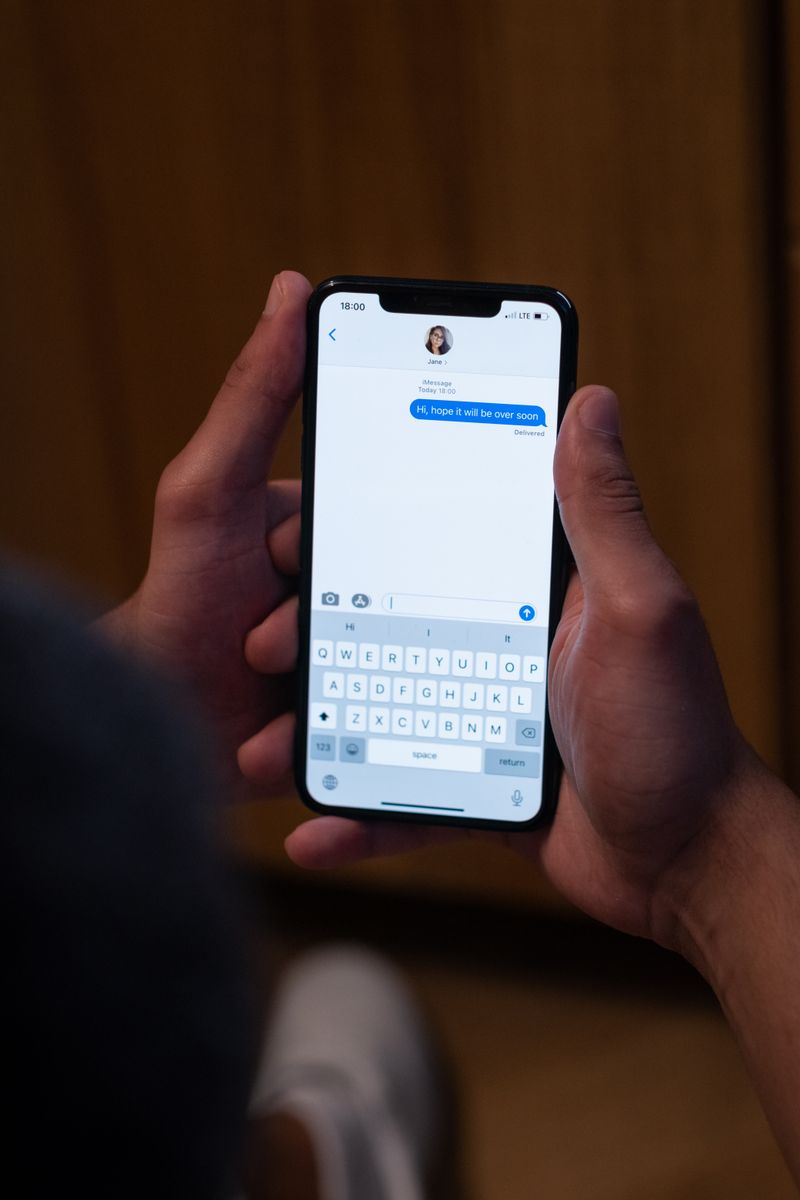
Scope and time are the first things to confirm before accepting a cleaning offer in Malta. Tell the cleaner the number of bedrooms and bathrooms, whether it is a standard clean or a deep clean, and roughly how long you expect it to take. Then ask the cleaner to confirm the offer price covers that scope, so neither side is guessing on the day.
A standard clean and a deep clean are different jobs. A regular home clean keeps surfaces, floors, bathrooms and the kitchen in order. A one-time deep clean in Malta goes further: skirting boards, limescale build-up, grout lines, behind furniture and inside appliances if you add those extras. If you are preparing for a deep clean, clear counters and floors first so the cleaner spends paid time cleaning rather than moving clutter.
For reference, the Rozie cost guide lists a one-off regular clean of a one-bedroom flat at around €40 to €65 and a one-off deep clean at €55 to €95. If an offer looks far outside that range, ask why before accepting; there may be a scope mismatch.
Template 1: scope and time (copy and paste).
“Hi, thanks for the offer. Quick check before I accept: it’s a 2-bedroom, 1-bathroom flat in [locality], about 80 square metres, and I need a standard clean of all rooms, kitchen and bathroom. Roughly how many hours do you expect, and does your offer cover everything listed? I’d like you to start around [time]. Is that fine?”
Which products will the cleaner use on limestone, marble and terrazzo?
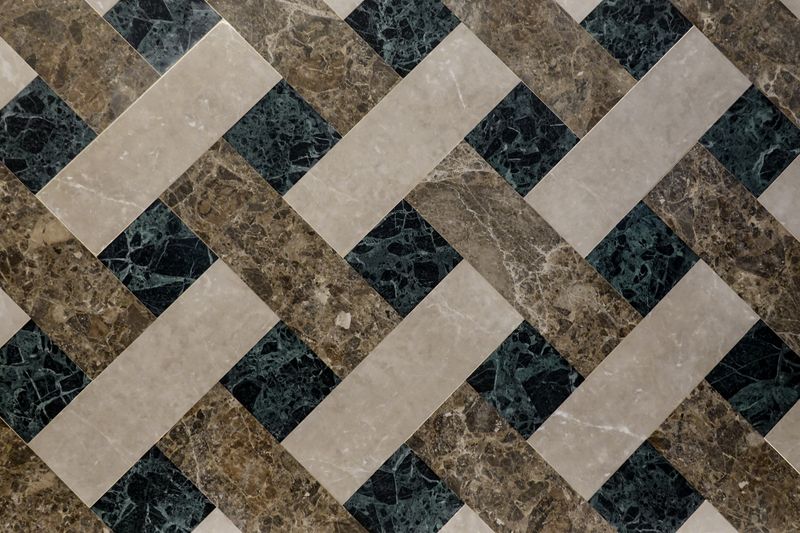
Ask which products the cleaner will use on stone floors before you accept. Many Malta homes have Globigerina limestone, marble or terrazzo, and all three are sensitive to acid. The safe answer is a pH-neutral stone cleaner, never vinegar, lemon or citric-acid descalers. A cleaner who answers this confidently is a cleaner who has worked in Maltese homes before.
Globigerina limestone, the honey-coloured stone in many older houses and townhouses, is porous and etches quickly when it meets acid. Marble and terrazzo react the same way: a dull, rough patch appears where the acid touched and it does not wipe off. Products such as HG or Lithofin stone cleaners, sold at PAVI, Smart Supermarket and hardware stores, are designed for this. If you have your own stone cleaner, leave it out and say so in the chat.
How should you ask about hard water in the bathroom?
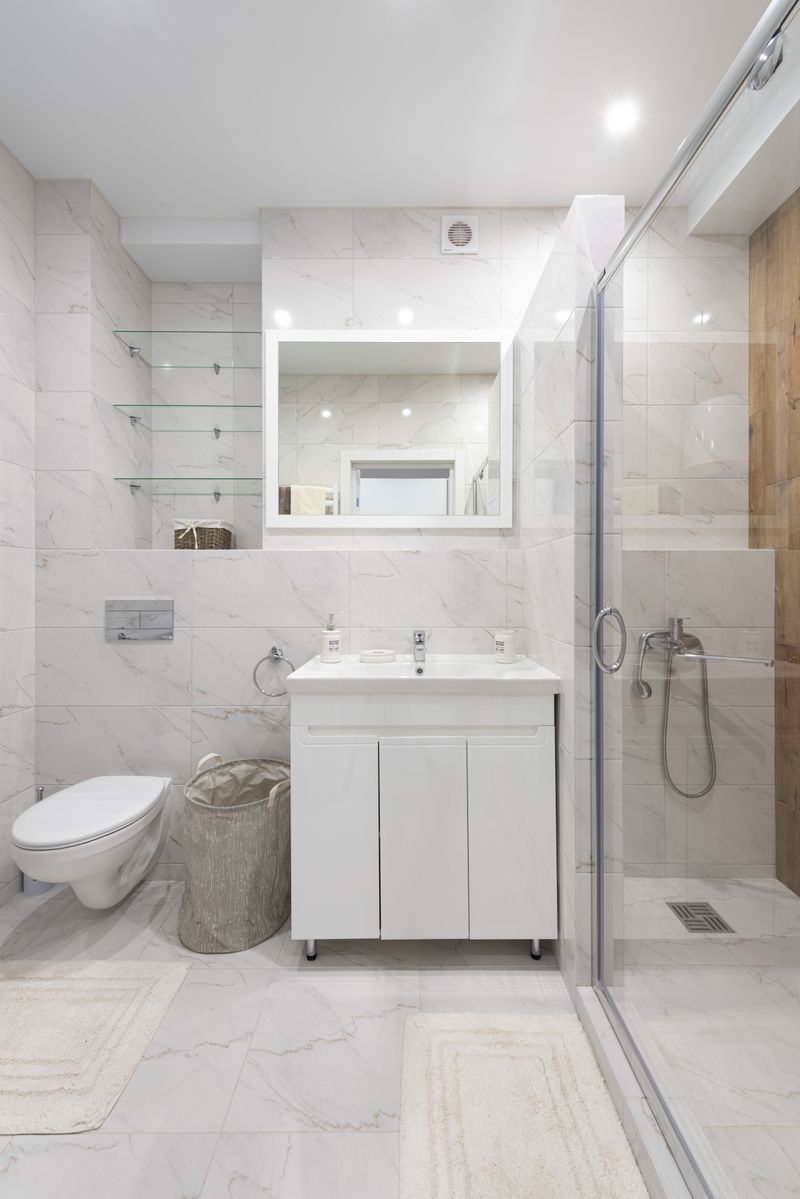
Malta’s water is hard, and the Water Services Corporation explains limescale as a natural mineral deposit linked to Malta’s limestone geology. That means white crust on taps, shower screens and tiles is normal, and a cleaner will usually reach for a descaler such as Viakal. Descalers are fine on ceramic tiles, chrome and glass, but they must never touch a marble vanity, a limestone shower tray or terrazzo flooring. Ask the cleaner to confirm they will keep descaler away from stone and rinse thoroughly.
Template 2: surfaces and products (copy and paste).
“The living room and hallway have limestone (or marble/terrazzo) floors, so please use only a pH-neutral stone cleaner there, no vinegar or acidic products. I’ve left an HG stone cleaner under the sink. The shower glass and chrome taps have limescale; descaler is fine on those but please keep it off the marble vanity top. Is that OK with you?”
Pro tip
Not sure what your floor is? Put one drop of water on a hidden corner. Limestone darkens and soaks it up within a minute; glazed ceramic and porcelain leave it sitting on top. Tell the cleaner what you saw, and they will pick the right product.
What should you tell the cleaner about pets, keys and parking?
Tell the cleaner about pets, keys and parking before accepting, because these three details decide whether the clean starts on time. Mention any dogs or cats and whether they will be home, explain exactly how the cleaner gets in, and say where they can park or which bus stop is closest. In busy Malta localities, parking alone can cost a cleaner twenty minutes.
Pets
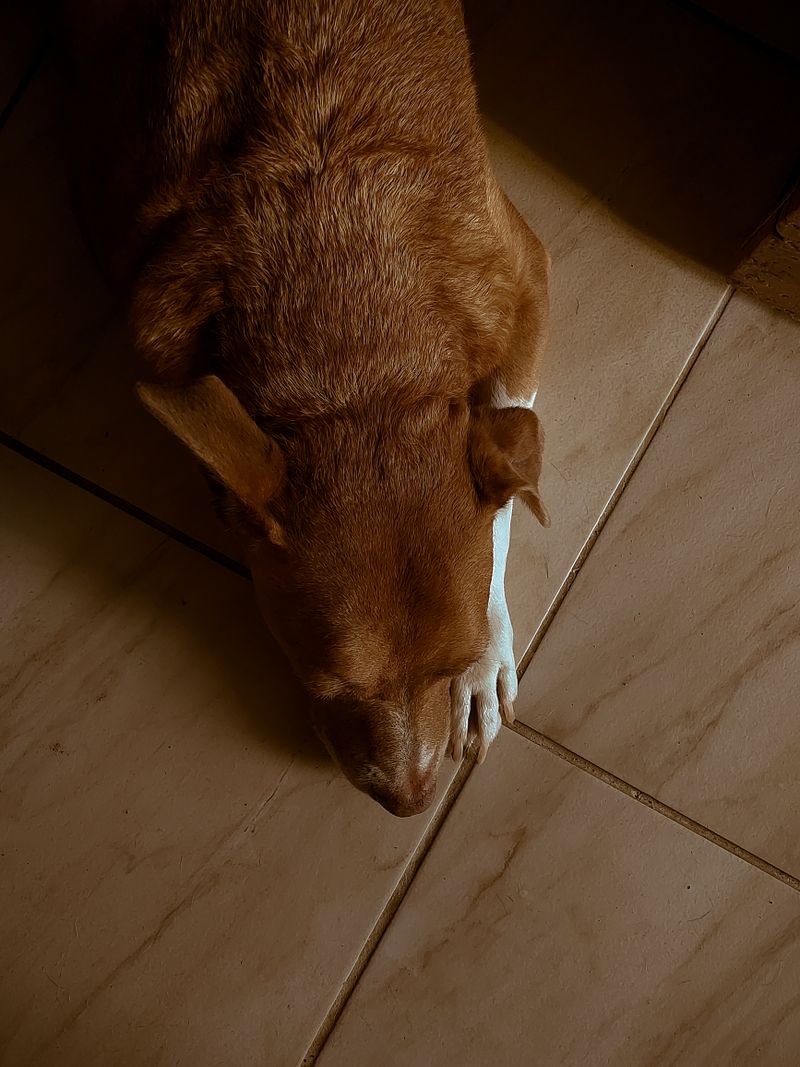
Some cleaners have allergies or are nervous around large dogs, so mention it in the chat rather than at the door. Mention shedding too: pet hair on sofas and rugs takes longer than a quick vacuum, and our pet hair cleaning tips for Malta homes show where it collects. If the dog will be at home, say whether it can be shut in one room while the cleaner works.
Keys and access
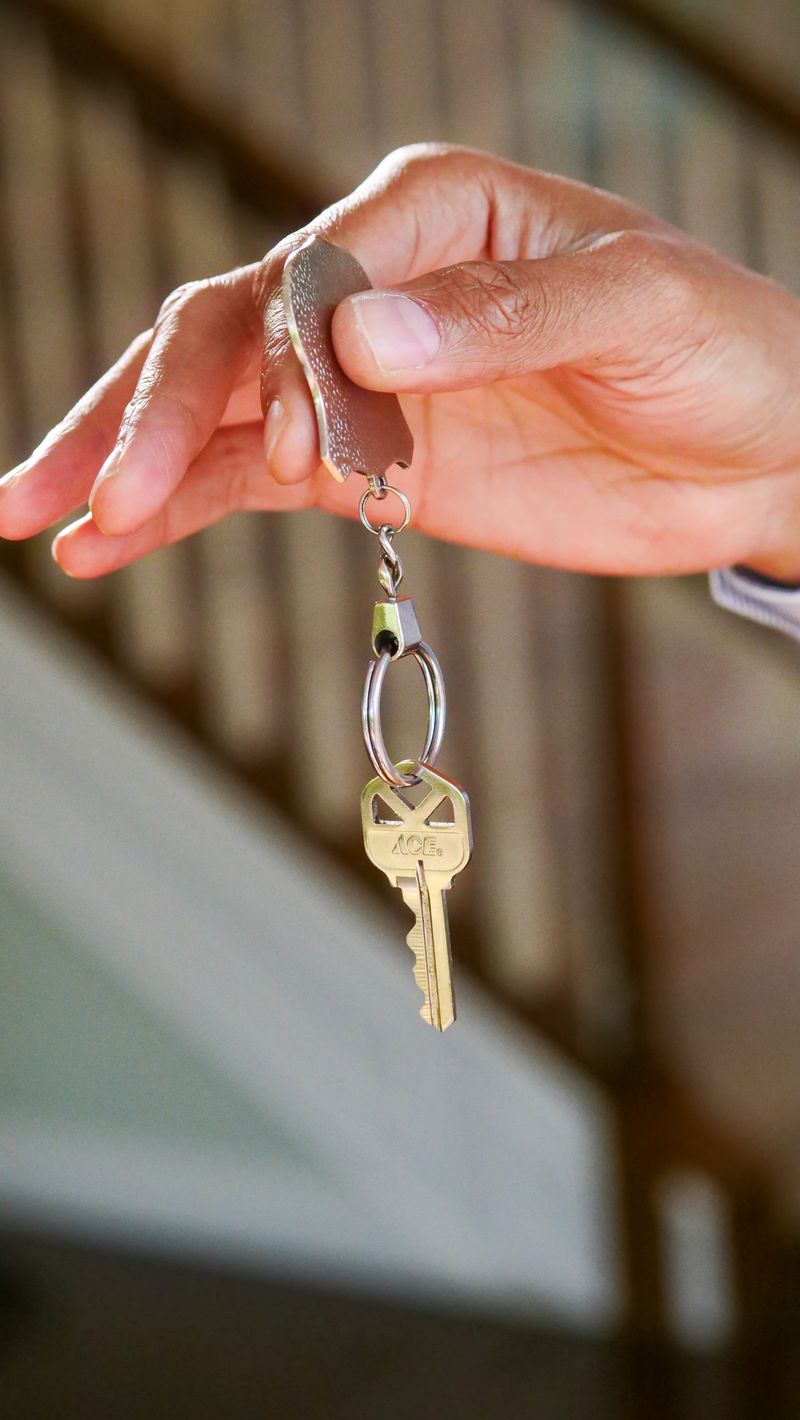
If you will be at work, agree how the cleaner gets in: a key with a neighbour, a lockbox code, or meeting you at the door. Never send a code until you have accepted the offer, and change lockbox codes afterwards if you rotate cleaners. In apartment blocks, mention the lift, the floor number and whether the common door has a separate code.
Parking in busy localities
Sliema, St Julian’s, Gzira, Msida and Valletta are hard places to park on a weekday morning. If you have a garage space or know a quiet street, share it; if the cleaner travels by bus, a later start avoids the peak. Our Sliema cleaning guide covers more locality quirks, including salt air on seafront windows.
Template 3: pets, access and parking (copy and paste).
“We have a friendly medium-sized dog who will be shut in the bedroom while you clean; is that OK? I’ll be at work, so the key will be with my neighbour in flat 2, and I’ll send the name once you’re booked. The flat is on the third floor with a lift. Parking is tight on our street, but there’s usually space on [street name], two minutes away.”
Which extras should you mention before accepting?
Mention every extra before accepting, because extras change the time and the price of a cleaning offer. On Rozie you select extras when you post the request: inside the fridge, inside the oven, kitchen cabinets, terrace and balcony, inside windows, balcony and terrace windows, ironing, and a change of linen using linen you provide. Confirm in the chat that the offer includes each one.
The cost guide lists an interior window set at about €15 to €25, which shows how quickly two or three extras change a total. Short-let hosts should add turnover notes too (linen location, towel count, check-in time); the Airbnb cleaning page explains how hosts book a regular or deep clean with turnover notes. Rozie does not supply linen or restock consumables, so cleaners work with what you leave out.
Finding a reliable cleaner in Malta the traditional way often means scrolling Facebook groups, making phone calls, chasing quotes, and hoping the person who shows up actually does a good job.
Rozie was built to remove that friction. You pick a date, select the extras you need, and verified cleaners send you offers with exact prices before you accept. Every booking is backed by 7-day payment protection and professional liability insurance up to €1,000,000 per occurrence, underwritten by Lloyd’s Insurance Company S.A.
Here is the full booking process, including the offer and chat step, in under 60 seconds:
Compare Cleaning Offers on Rozie →
Why send photos of problem areas first?
Photos of problem areas let a cleaner judge the job before accepting, which keeps the offer price honest on both sides. A picture of a greasy oven, limescale on a shower screen or black spots in a bathroom corner says more than “it’s a bit dirty”. Send two or three photos in the Rozie in-app chat and ask whether the offer still stands.
Photos matter most for the jobs that run long: ovens that have not been cleaned in a year, balconies after a Saharan dust event, and bathrooms in winter. Malta’s humid months, roughly October to February, bring condensation and mould spots on ceilings and behind wardrobes. A cleaner can wipe light surface spots, but Rozie cleaners do not carry out mould remediation; if the photo shows spreading mould or damp walls, the problem needs a specialist and better ventilation first.
Photos also protect you. Take a quick “before” set of anything fragile or already damaged, such as a chipped marble sill or a scratched table, and keep it on your phone. If a question comes up after the clean, you have a timestamped record rather than a memory.
Key takeaway: One message with the scope, your stone surfaces, pets, access and extras, plus two or three photos, answers almost every question a cleaner would otherwise ask on the day. It takes two minutes and makes the offer you accept a fair one.
What happens with cancellations or if something gets damaged?
Cancellations and damage are the two questions people forget until they need them. On Rozie, every booking has 7-day payment protection, and cleaners are covered by professional liability insurance up to €1,000,000 per occurrence, underwritten by Lloyd’s Insurance Company S.A. Rozie covers the deductible, so you pay no excess. Ask the cleaner about rescheduling in the chat before accepting.
Cancellations and rescheduling
Check the cancellation terms shown in the app before you accept, then ask the cleaner directly how much notice they need if you have to move the date. Plans change in Malta for ordinary reasons: a delivery, a festa road closure, a sick child. Agreeing on this in writing in the chat avoids awkward calls later.
If something gets damaged
The insurance covers accidental property damage and bodily injury caused by cleaners during bookings. If something breaks, photograph it before moving anything, note what happened, and contact Rozie support on WhatsApp the same day so it is handled while payment protection is still active. For comparison, private household employers abroad are told to collect a proof of liability insurance certificate from each cleaner themselves; on Rozie that cover is arranged at platform level for every booking.
Template 4: photos, rescheduling and fragile items (copy and paste).
“I’ve attached photos of the oven and the shower screen so you can see the state before you confirm. If I need to move the date, how much notice would you like? Also, please take care with the glass coffee table and the marble windowsill in the living room; the sill already has a small chip, photo attached.”
Which red flags in a cleaner’s reply should make you decline?
Red flags in a cleaner’s reply are easier to spot than red flags on the day. Decline or ask again if the cleaner ignores your stone warning, will not confirm what the price covers, pushes to move payment outside the app, or asks for keys and codes before you have accepted. On Rozie you can simply compare the other offers you received instead.
Good replies are specific: a cleaner who names a stone product, estimates the hours and asks one question back about your home is usually the one to accept. Ratings and reviews from previous Rozie bookings add a second check, and our guide to choosing a reliable cleaner in Malta covers the wider trust signals.
Do you need to know Malta employment law to book a cleaner?
You do not need to know Malta employment law to book a one-off or occasional clean through a marketplace like Rozie, because you are a customer paying for a service. The rules change if you hire a cleaner directly and regularly on your own schedule; that can make you an employer under Maltese employment law, with registration and contribution duties.
Malta’s Employment and Industrial Relations Act (Cap. 452) sets the general framework, and the Department for Industrial and Employment Relations (DIER) publishes guidance on employment conditions. Our legal guide to hiring a cleaner in Malta walks through PE numbers, wage regulation orders and self-employed cleaners. If you are weighing direct employment, read that local legal guide first.
Advice written for other countries does not carry over. For comparison only, a Swiss household-employment checklist notes that Household service tax deductions and Minijob thresholds vary by country; none of those schemes apply in Malta. To see how Rozie handles cleaner checks, ratings and reviews, read Rozie.app: Verified Cleaner Profiles and our guide on how to choose a cleaner in Malta. More guides sit in our Cleaning in Malta section.
Rather skip the back-and-forth? Post your request on Rozie with the date, locality and extras, paste the templates above into the chat, and compare offers before you accept. Over 140 active cleaners work on Rozie across Malta, every booking has 7-day payment protection, and you never pay an insurance excess.
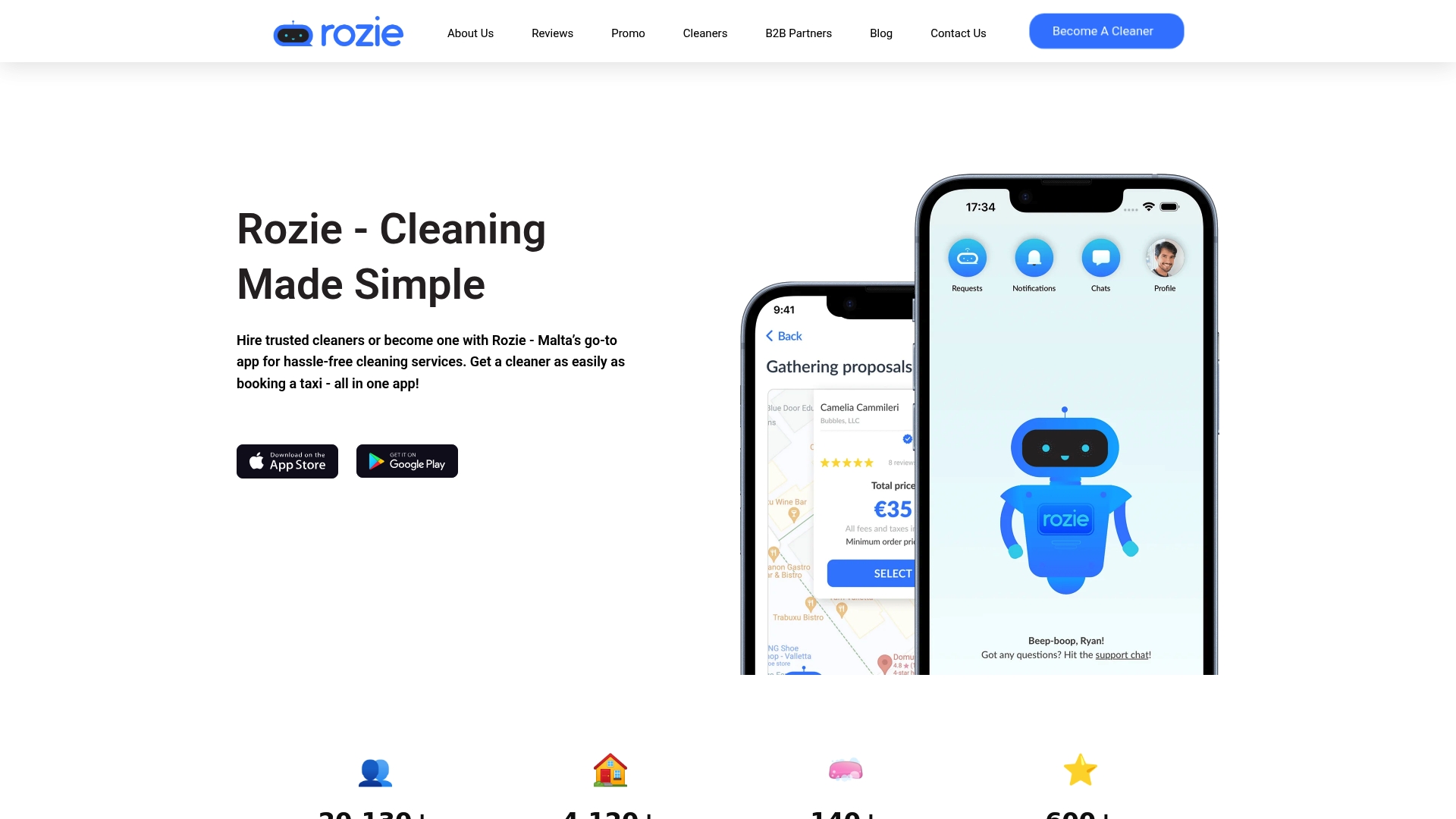
Download Rozie, Get Offers in Minutes →
Frequently asked questions
What should I ask a cleaner before accepting an offer in Malta?
Ask whether the offer covers your full scope (rooms, bathrooms, standard or deep clean), how many hours the cleaner expects, which products they will use on limestone, marble or terrazzo, and confirm pets, access, parking and any extras. Sending these in one chat message before accepting avoids most surprises on the day.
Can I chat with a cleaner before booking on Rozie?
Yes. Rozie has in-app chat between client and cleaner, so you can ask questions and send photos of problem areas after receiving offers. Each offer shows the exact price before you accept, and you can compare offers from several verified cleaners before choosing one.
What cleaning products are safe on Maltese limestone floors?
Use only pH-neutral stone cleaners, such as HG or Lithofin stone products, on Globigerina limestone, marble and terrazzo. Never use vinegar, lemon or citric-acid descalers on these surfaces, because acid etches the stone permanently. Descalers are suitable only for ceramic tiles, chrome and glass.
Does Rozie supply linen for a linen change?
No. Rozie offers a change of linen as an extra, using linen the client provides. Rozie does not supply linen, run a laundry service or restock consumables, so leave the clean set and any supplies where the cleaner can find them and mention the location in the chat.
What happens if a cleaner damages something in my home?
Every Rozie booking is covered by professional liability insurance up to €1,000,000 per occurrence, underwritten by Lloyd’s Insurance Company S.A., for accidental property damage and bodily injury caused by cleaners during bookings. Rozie covers the deductible, so you pay no excess. Photograph the damage and contact Rozie support on WhatsApp the same day.
Do I need a PE number to book a cleaner through an app in Malta?
Booking a one-off or occasional clean through a marketplace makes you a service customer, not an employer. Employer duties such as a PE number generally arise when you hire a cleaner directly and regularly on your own schedule. Check the Rozie legal guide or DIER for your specific situation.