

If you have ever booked a “clean” and expected your laundry done, or hired help and ended up explaining what you actually meant, you have felt this confusion first-hand. This guide breaks down the real difference between cleaning and housekeeping, how each fits a Maltese home, and how to decide which one you need.
In this guide
What’s the difference between cleaning and housekeeping?
How often do cleaning and housekeeping happen?
Cleaning vs sanitising vs disinfecting — what’s the difference?
When should you hire a cleaner or a housekeeper in Malta?
What’s the difference between cleaning and housekeeping?
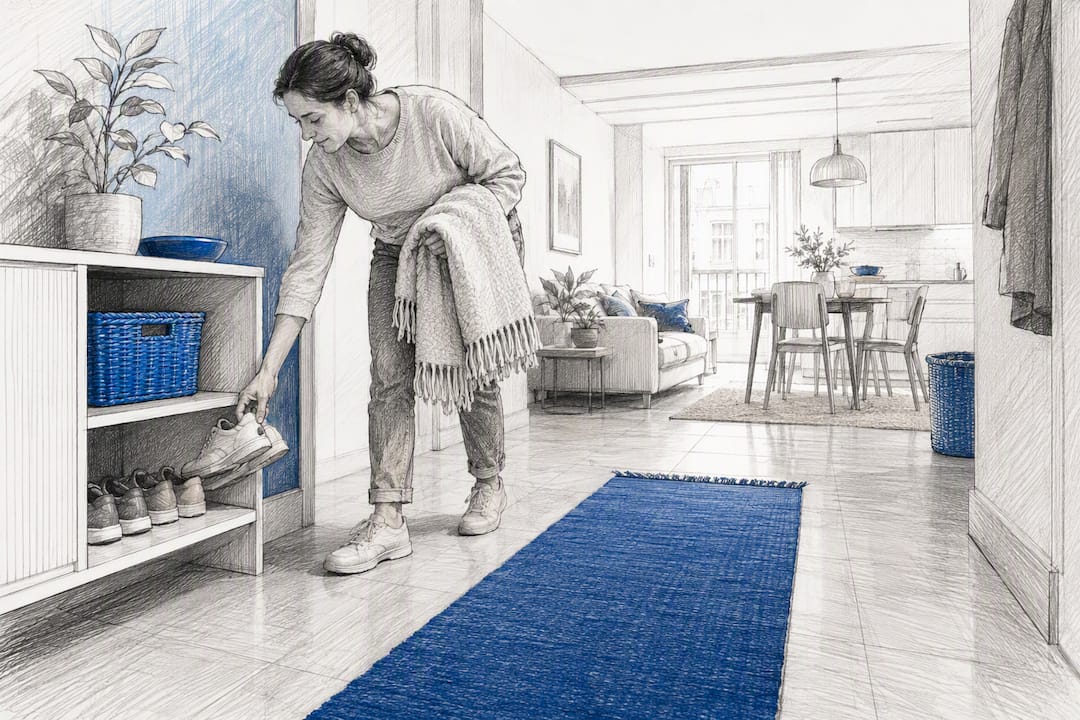
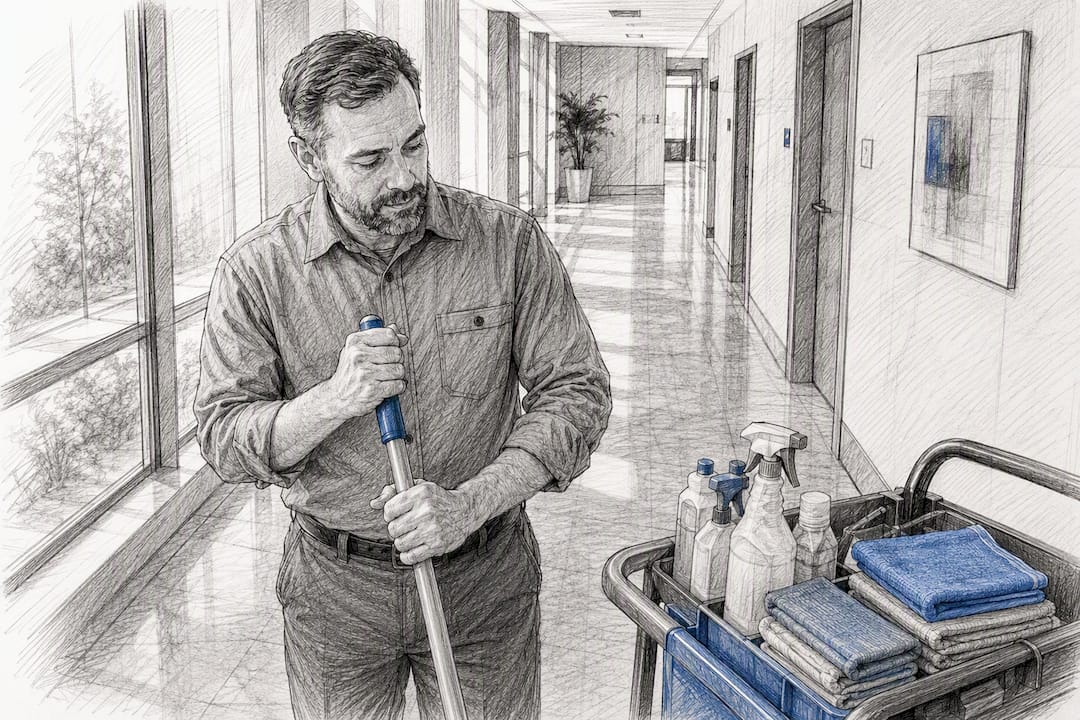
Cleaning is task-specific work that removes dirt, grime, and surface soils and resets a space to a hygienic baseline — vacuuming, mopping, scrubbing bathrooms, and wiping kitchen surfaces. Housekeeping is broader: it manages the daily rhythm of a household, including laundry, dishwashing, bed-making, tidying, organising, and restocking supplies. Put simply, cleaning is what you do to a bathroom once a week; housekeeping is what keeps the towels folded and the bin empty every day.
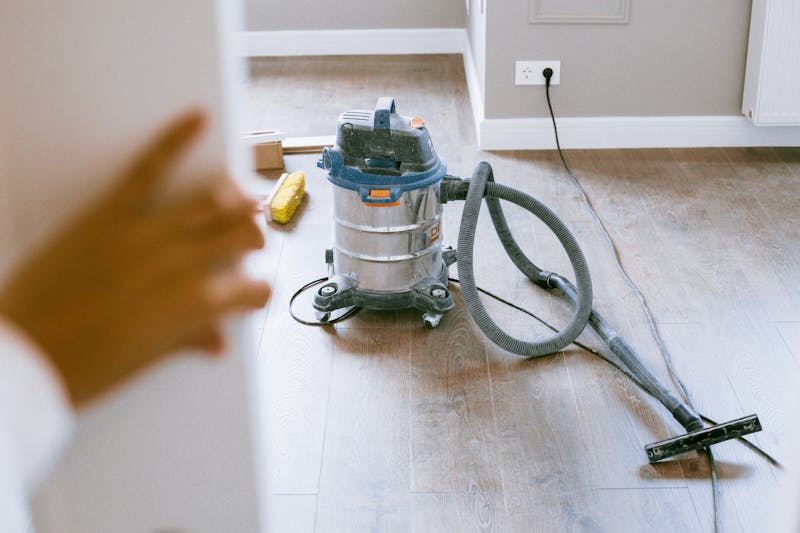
The cleanest way to think about it is that cleaning is a subset of housekeeping. Every housekeeping routine includes some cleaning, but not every cleaning visit includes the full range of household management. A cleaner who comes for three hours focuses on sanitation and leaves; a housekeeper is woven into how the home runs. Here is how the two compare in practice:
This distinction matters most when you write a service agreement or brief someone for the first time. For a deeper look at everything the housekeeping side covers, see our guide on what housekeeping actually involves, and our breakdown of what cleaners and maids do day to day.
Pro tip
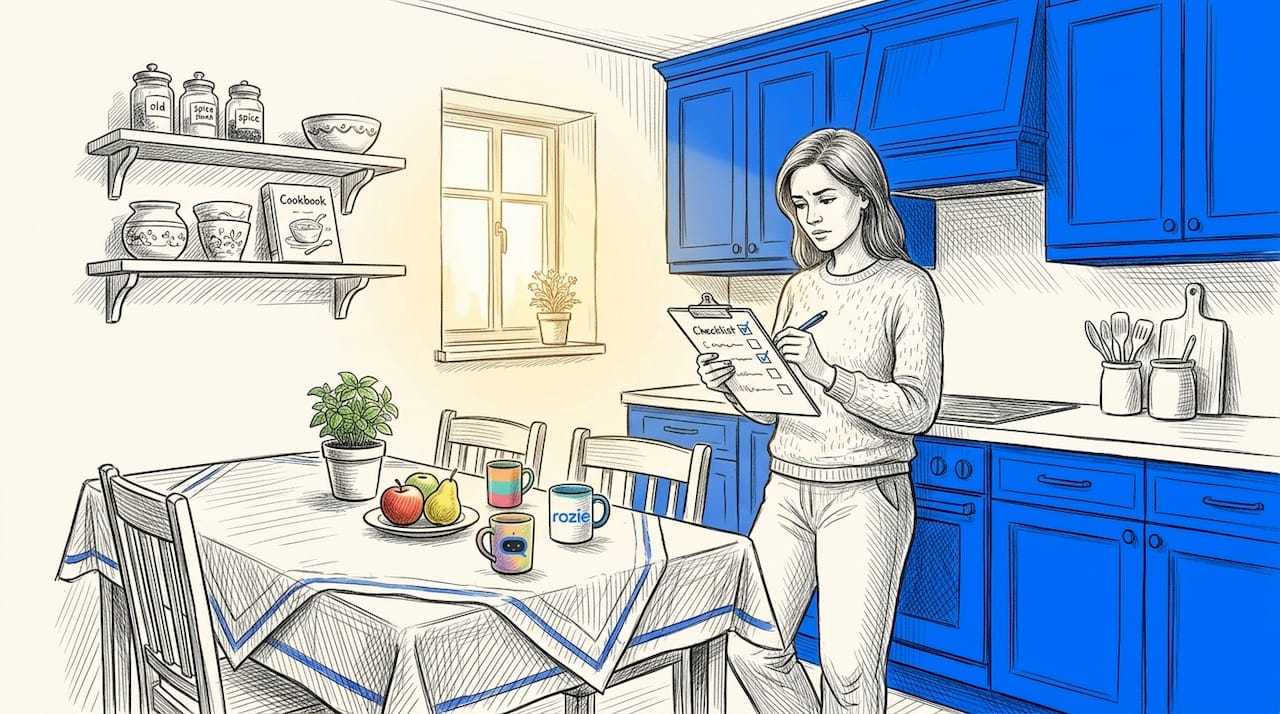
Before your first booking, write out every task you expect — and split “clean the bathroom” from “restock toiletries and fold towels.” That one list prevents almost every disagreement between a household and the person they hire.
How often do cleaning and housekeeping happen?
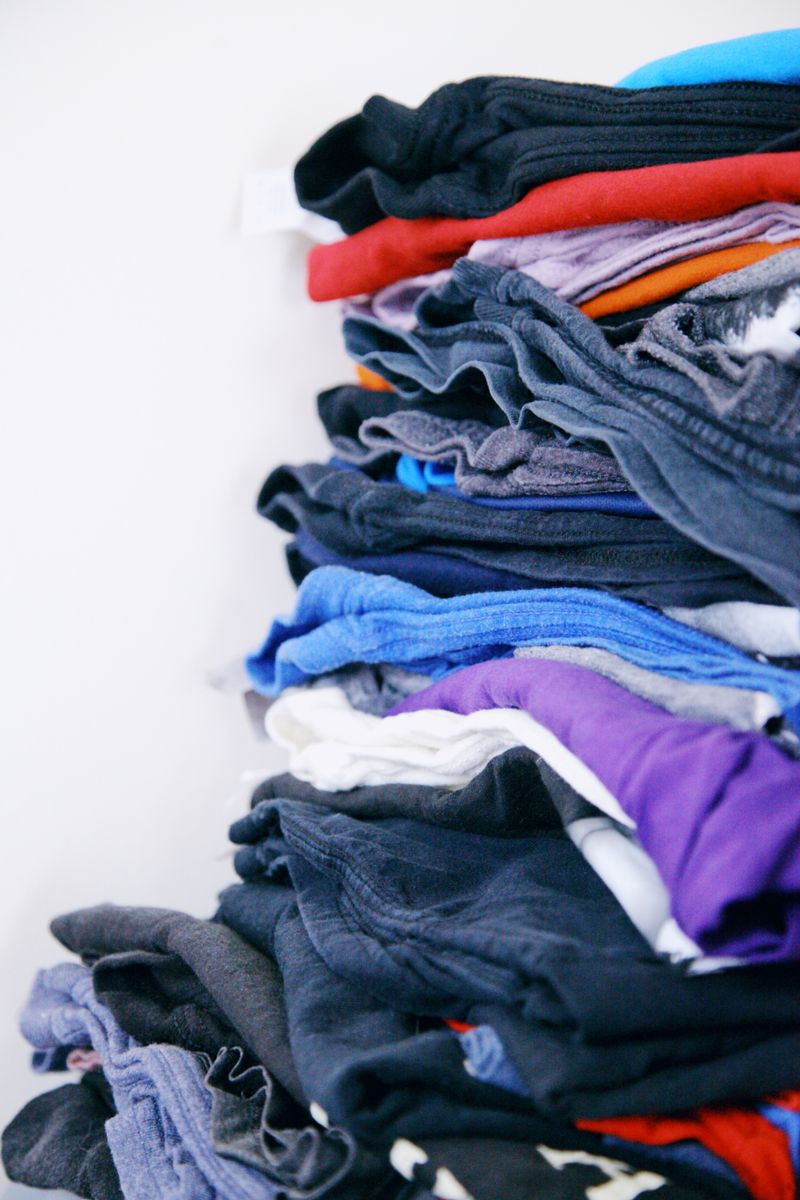
Frequency is the most practical difference between the two. Cleaning is periodic: a one-off deep clean, or a recurring weekly, biweekly, or monthly visit that resets the home. Housekeeping is ongoing — daily or near-daily support that keeps laundry cycles, dishes, and tidying under control between any deeper cleans. A clean is an event; housekeeping is a routine.
Here are the common scheduling patterns you will come across:
- One-off deep clean. Booked for move-ins, move-outs, post-renovation, or before an event. Purely cleaning work — intensive, top-to-bottom sanitation.
- Weekly or biweekly cleaning. The most common arrangement in Malta. Covers vacuuming, mopping, bathroom scrubbing, and kitchen surfaces on a recurring basis.
- Monthly cleaning. Often used for lower-traffic homes or as a top-up to the tidying you already do yourself.
- Daily or near-daily housekeeping. Laundry, dishes, bed-making, light tidying, and supply management — continuous household support, not a periodic reset.
- Hybrid. A weekly cleaning visit for deep sanitation, plus regular housekeeping to hold daily order in between.
Why Maltese homes often need cleaning more often than you’d expect.
Malta’s tap water is among the hardest in Europe — around 200–350 mg/L of calcium carbonate, which the Water Services Corporation classes as hard to very hard — so limescale returns quickly on taps, glass, and showers. Add high summer humidity that drives mould in bathrooms and wardrobes, plus periodic Saharan dust events (known locally as il-qilla) that coat balconies and windows, and surfaces simply get dirty faster here than in a drier climate.
Whether you want a single deep clean or a regular slot, booking the cleaning side has become a lot less painful than it used to be. On Rozie you post the job once, verified cleaners send offers with the exact price within minutes, and you compare and accept the one you prefer — for a one-off, weekly, or biweekly clean. If you are leaning towards a regular slot, our guide to weekly house cleaning in Malta walks through how recurring cleaning works.
Cleaning vs sanitising vs disinfecting — what’s the difference?
Cleaning, sanitising, and disinfecting are three different steps, not synonyms. Cleaning removes dirt and lowers the number of germs, but does not kill them. Sanitising reduces remaining bacteria to safe levels, usually on food-contact surfaces. Disinfecting kills a broader range of microbes, including viruses. The order matters: according to the CDC, you must clean a surface first, because dirt makes disinfectants far less effective.
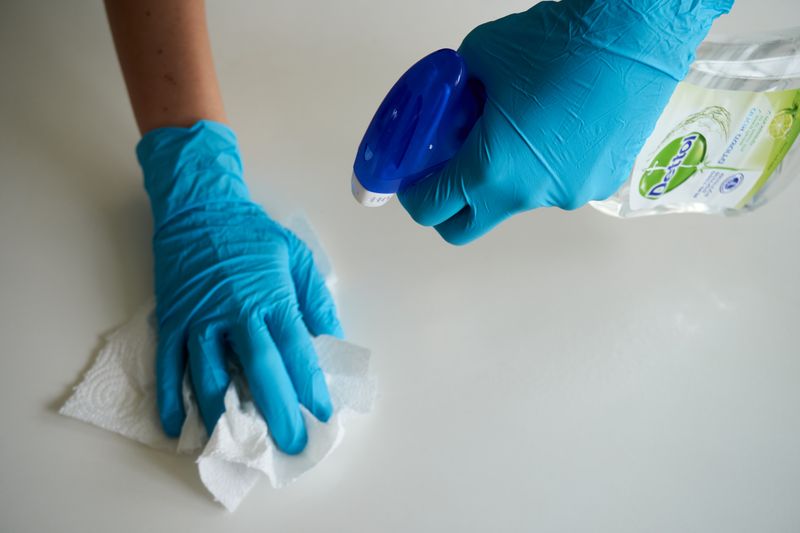
Here is how the three fit into everyday home care:
- Cleaning is the foundation. Removing grease, food residue, and dust always comes first, whatever you do next.
- Sanitising suits kitchen surfaces, dining areas, and anything that touches food, where bacteria are the concern. The EPA notes sanitisers reduce bacteria but are not designed to kill viruses.
- Disinfecting is for high-touch zones — door handles, light switches, toilet seats, taps — especially during cold and flu season. Watch the “contact time” on the label: the surface needs to stay wet for the product to work.
A good cleaner applies this layering deliberately rather than treating every surface the same way, which both works better and avoids overusing harsh chemicals. There is also a local wrinkle: because Malta’s hard water leaves limescale on bathroom and kitchen surfaces, that mineral film has to be cleaned off before any disinfectant can reach the surface properly.
Key takeaway: Cleaning is always step one. Without it, sanitising and disinfecting cannot do their jobs — so “I disinfected it” without cleaning first usually means the surface is neither clean nor properly protected.
When should you hire a cleaner or a housekeeper in Malta?
Choose based on what your home actually needs, not on which option sounds more thorough. A cleaner is the right call when you need periodic sanitation: move-in or move-out cleans, post-renovation cleanup, seasonal deep cleans, pre-event preparation, or simply keeping a home you tidy yourself genuinely hygienic. A housekeeper fits when daily chores are the problem — laundry, dishes, and ongoing order that need attention every day, not once a fortnight.
A focused clean usually makes the most sense for:
- Moving in or out, where the property needs a full reset
- Post-renovation dust and construction residue
- Seasonal deep cleans — spring cleaning, pre-Easter, or end-of-summer short-let turnovers
- Households where you handle daily tidying but want periodic professional sanitation
Ongoing housekeeping is the better fit for:
- Busy professionals with no time for daily laundry and dishes
- Families with young children, where tidying and restocking are constant
- Seniors or anyone with mobility limitations who needs regular household support
- Anyone who values consistent daily order over a periodic deep clean
Cost follows scope. Housekeeping generally costs more per visit because it covers more ground and takes longer — a cleaner might spend two to three hours on a focused sanitation visit, while daily housekeeping is a far larger time commitment. For reference, cleaning in Malta typically runs €10–€20 per hour for independent cleaners and €15–€25 per hour through agencies or verified platforms, with a one-off deep clean often landing around €55–€150 depending on size and extras. Our cleaning cost Malta guide has the full breakdown.
Roughly how the time commitment compares
Focused clean
2–3 hrs
Full housekeeping cover
4–6 hrs
A periodic clean is short and targeted; housekeeping spans the whole household, so it takes longer and costs more per visit.
Where Rozie fits — honestly.
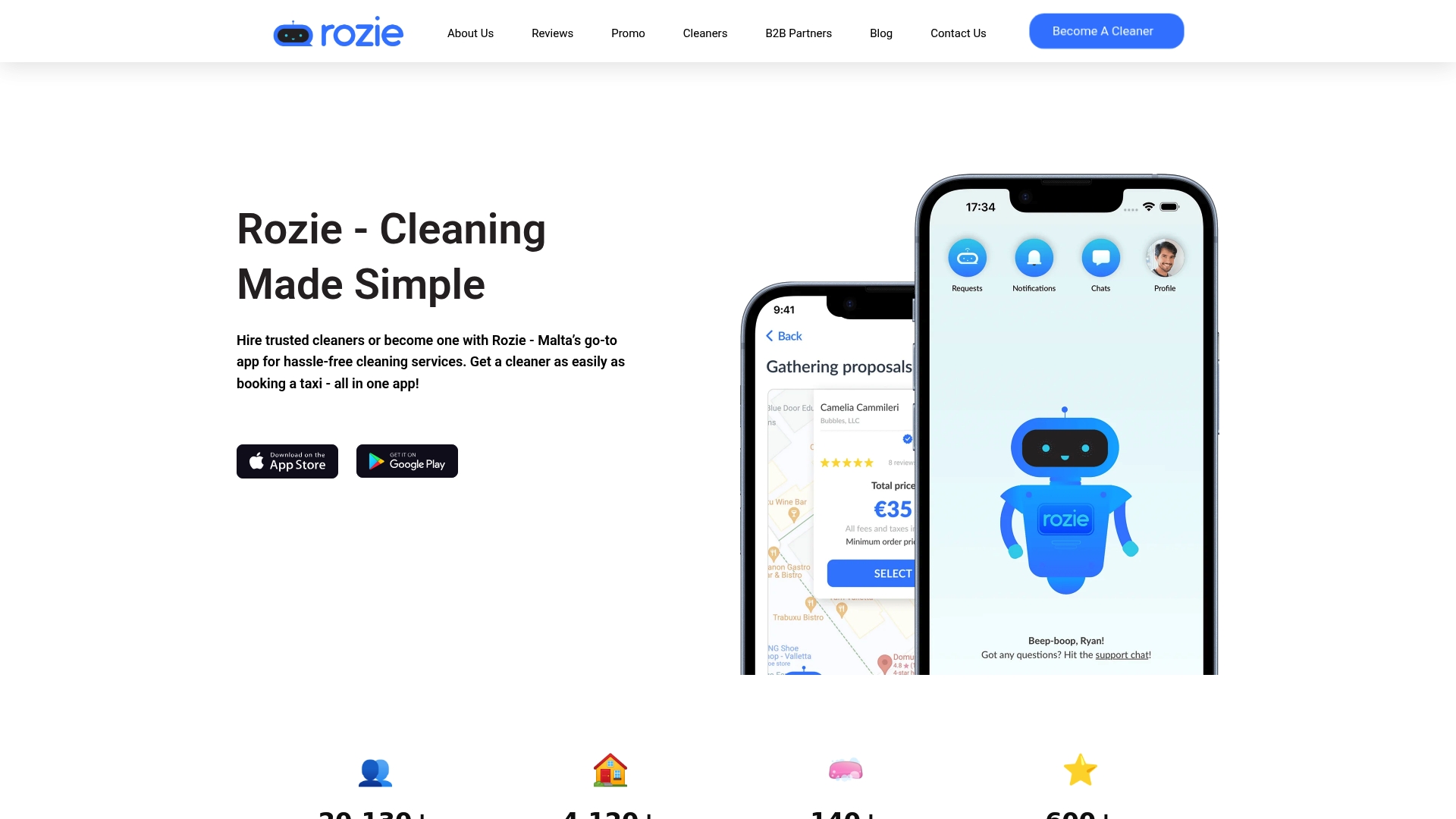
Rozie is a cleaning marketplace: it connects you with verified cleaners for one-off, deep, or regular cleaning across Malta. It is not a placement service for a daily live-in housekeeper — that is a separate arrangement most households handle privately or through an agency. For the cleaning side, you post the job, compare offers from verified cleaners, and every booking is covered by 7-day payment protection and professional liability insurance up to €1,000,000 per occurrence, underwritten by Lloyd’s Insurance Company S.A., with no excess to you.
Finding a reliable cleaner in Malta the traditional way often means scrolling Facebook groups, sending messages to numbers, chasing quotes, and hoping the person who turns up does a good job.
Rozie was built to remove that friction. You pick a date, select the extras you need — fridge, oven, inside windows, balcony, or terrace — and verified cleaners send offers with the exact price before you accept. Here is the full booking process in under 60 seconds:
Compare Cleaning Offers on Rozie ->
Do you need both cleaning and housekeeping?
Many households do, and most do not realise it until one piece is missing. A home that gets a deep clean every two weeks but has no daily upkeep starts to feel chaotic by day four; a home with daily housekeeping but no periodic deep sanitation stays tidy but never quite feels properly clean. The two work in a rhythm: the clean resets the baseline, and daily housekeeping holds it.
From what we see across bookings on Rozie, the single most common source of friction is not bad service — it is mismatched expectations. A client books a “clean” and expects laundry folded; the person who arrives expects to scrub and sanitise, not tidy and organise. Neither is wrong. They simply never agreed on what the job was. Cleaning is a skill set; housekeeping is a role, and the words are easy to mix up until you have hired for the wrong one.
A simple way to get it right: write down every task you wish someone else would handle, then sort that list into “periodic sanitation” and “daily household management.” That split tells you exactly what kind of help you need, and in what proportion — which makes for clearer conversations and a home that ends up feeling the way you want it to.
Pro tip
If you do use both, schedule the deep clean first and let daily upkeep maintain that baseline — rather than asking a housekeeper to work around weeks of accumulated grime. For ideas on structuring the daily side, see our stress-free housekeeping chores list.
One last note on terminology: in hotels and short-let rentals, “housekeeping” means something different again — the operational turnover between guests, covering cleaning, linen changes, restocking, and inspection. That hospitality meaning is a big reason the word feels confusing the first time you meet it outside a home setting. You can browse more practical guides any time on the Cleaning in Malta blog.
Frequently asked questions
What is the main difference between cleaning and housekeeping?
Cleaning removes dirt, grime, and surface contamination through tasks like vacuuming, mopping, and scrubbing, on a scheduled basis. Housekeeping is broader and ongoing, covering daily household management such as laundry, dishes, organising, and restocking supplies. Cleaning is essentially a subset of the wider housekeeping role.
How often should you schedule cleaning versus housekeeping?
Cleaning is usually scheduled weekly, biweekly, monthly, or as a one-off deep clean. Housekeeping is ongoing, with daily or near-daily support to keep the household running. In Malta, hard water, humidity, and dust mean surfaces get dirty faster, so many homes choose more frequent cleaning than they would in a drier climate.
Is sanitising the same as cleaning?
No. Cleaning removes visible dirt and soils but does not kill microorganisms. Sanitising reduces bacteria to safe levels and is a separate, more targeted step — and it only works properly if the surface has been cleaned first, because dirt blocks the chemicals from reaching germs.
Which costs more, cleaning or housekeeping?
Housekeeping generally costs more per visit because it covers a wider range of tasks and takes more time. A focused clean is shorter and task-specific. In Malta, cleaning typically runs €10–€20 per hour for independent cleaners and €15–€25 per hour through agencies or verified platforms.
Can you combine cleaning and housekeeping?
Yes, and many households benefit from doing exactly that — a periodic deep clean for sanitation plus regular housekeeping for daily order. On Rozie you can book the cleaning side easily: post the job once, compare offers from verified cleaners within minutes, and accept the one you prefer, with payment protection and insurance on every booking.
Do professional cleaners do laundry and dishes?
Usually not as a core service. A cleaning booking focuses on sanitation — floors, surfaces, bathrooms, and kitchens — rather than ongoing laundry cycles or daily dishes, which sit under housekeeping. Some cleaners will handle light tasks if you agree them in advance, so always confirm exactly what is included before you book.
Is a deep clean the same as housekeeping?
No. A deep clean is an intensive one-off session that tackles built-up grime, limescale, and hard-to-reach areas — it is still cleaning, just more thorough. Housekeeping is the ongoing, daily management of a home. A common pattern is to book a deep clean once to reset the property, then arrange lighter upkeep from there.
Recommended
- Office vs Home Cleaning: Complete Comparative Guide | Rozie – Malta’s Best Cleaning Services
- What Does a Cleaning Service Do? Understanding Its Benefits | Rozie – Malta’s Best Cleaning Services
- Who Needs House Cleaning? Understanding Its Importance | Rozie – Malta’s Best Cleaning Services
- Understanding Home Cleaning Explained for Busy Lives | Rozie – Malta’s Best Cleaning Services