

Move in cleaning in Malta costs €55–€270 for a professional deep clean depending on property size and extras, with one-bedroom apartments averaging €55–€95 and three-bedroom homes reaching €120–€180 before add-ons. This isn’t a regular tidy — it’s the deep clean that removes limescale buildup from Malta’s 350–600 PPM hard water, tackles mould in humidity-prone bathrooms, and eliminates the previous tenant’s accumulated grime from cabinet interiors, appliance surfaces, and grout lines that standard cleaning never reaches.
Getting the move-in clean right matters more than most people realise. Under Malta’s Private Residential Leases Act (Cap. 604), your landlord must provide an inventory documenting the property’s condition at move-in. A professional clean before you settle in — with photos — establishes your baseline and protects your deposit when you eventually move out. This guide covers exactly what a move-in clean should include, what it costs in Malta, a room-by-room checklist adapted for local conditions, and common mistakes that cost new tenants money.
Table of Contents
- What Does Move-In Cleaning Actually Include?
- How Much Does Move-In Cleaning Cost in Malta?
- Why Malta Properties Need Specific Move-In Attention
- Room-by-Room Move-In Cleaning Checklist for Malta
- Move-In Cleaning After Renovation: What Changes
- How to Prepare for Your Move-In Clean
- Common Move-In Cleaning Mistakes in Malta
- How Long Does Move-In Cleaning Take?
- Booking a Verified Move-In Cleaner in Malta
- FAQ
What Does Move-In Cleaning Actually Include?
Move-in cleaning is a one-time deep clean designed to bring a property to a hygienic, move-in-ready standard — not the surface-level tidy that happens between regular weekly cleans. It targets everything the previous occupant’s cleaning routine missed: the grease film inside oven doors, limescale on shower glass, dust caked onto extractor fan grilles, grime in drawer runners, and soap scum in tile grout.
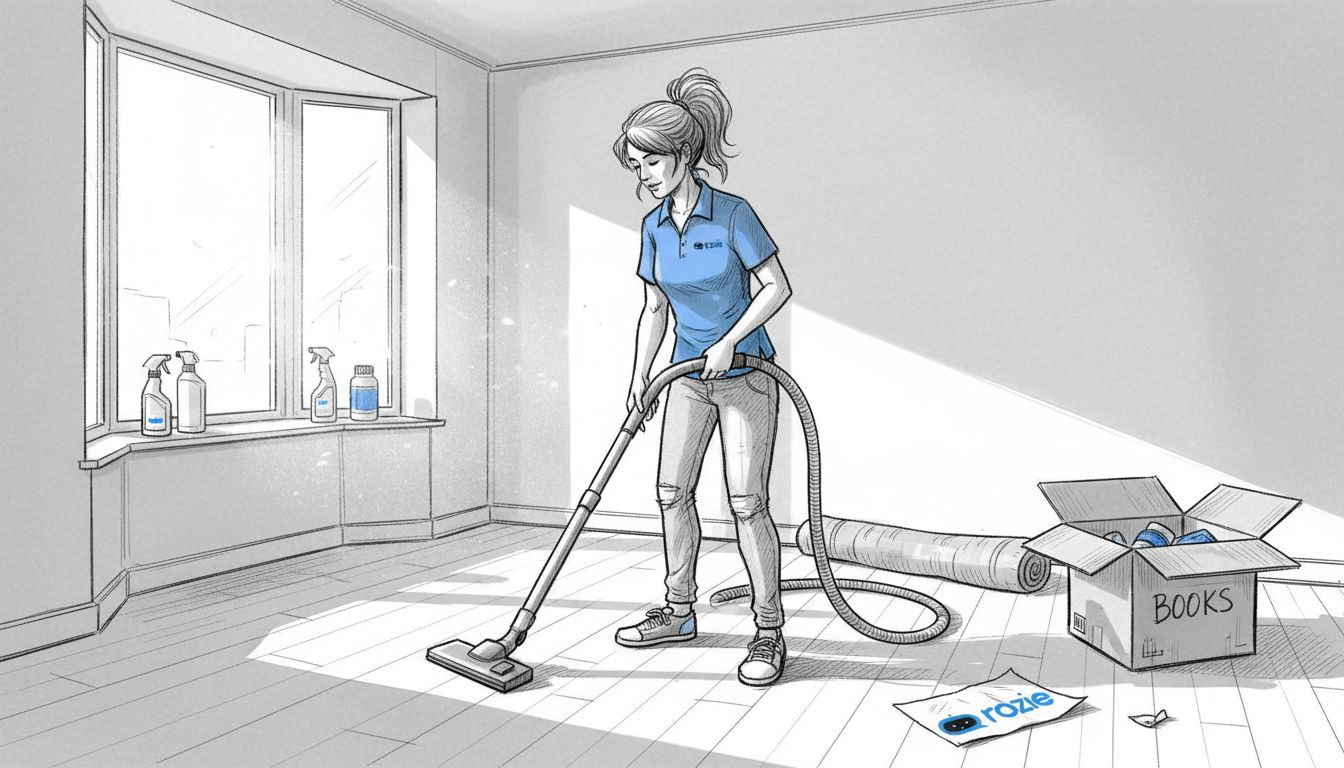
A standard move-in deep clean in Malta typically covers all interior rooms, kitchen (surfaces, appliance exteriors, sink, and cabinet fronts), bathrooms (fixtures, tiles, toilet, shower/bath, mirror), living areas (floors, skirting boards, light switches, door handles), and bedrooms (wardrobes wiped inside and out, window frames, radiators or AC vents). This is the base service — what’s quoted in the €55–€95 range for a one-bedroom apartment.
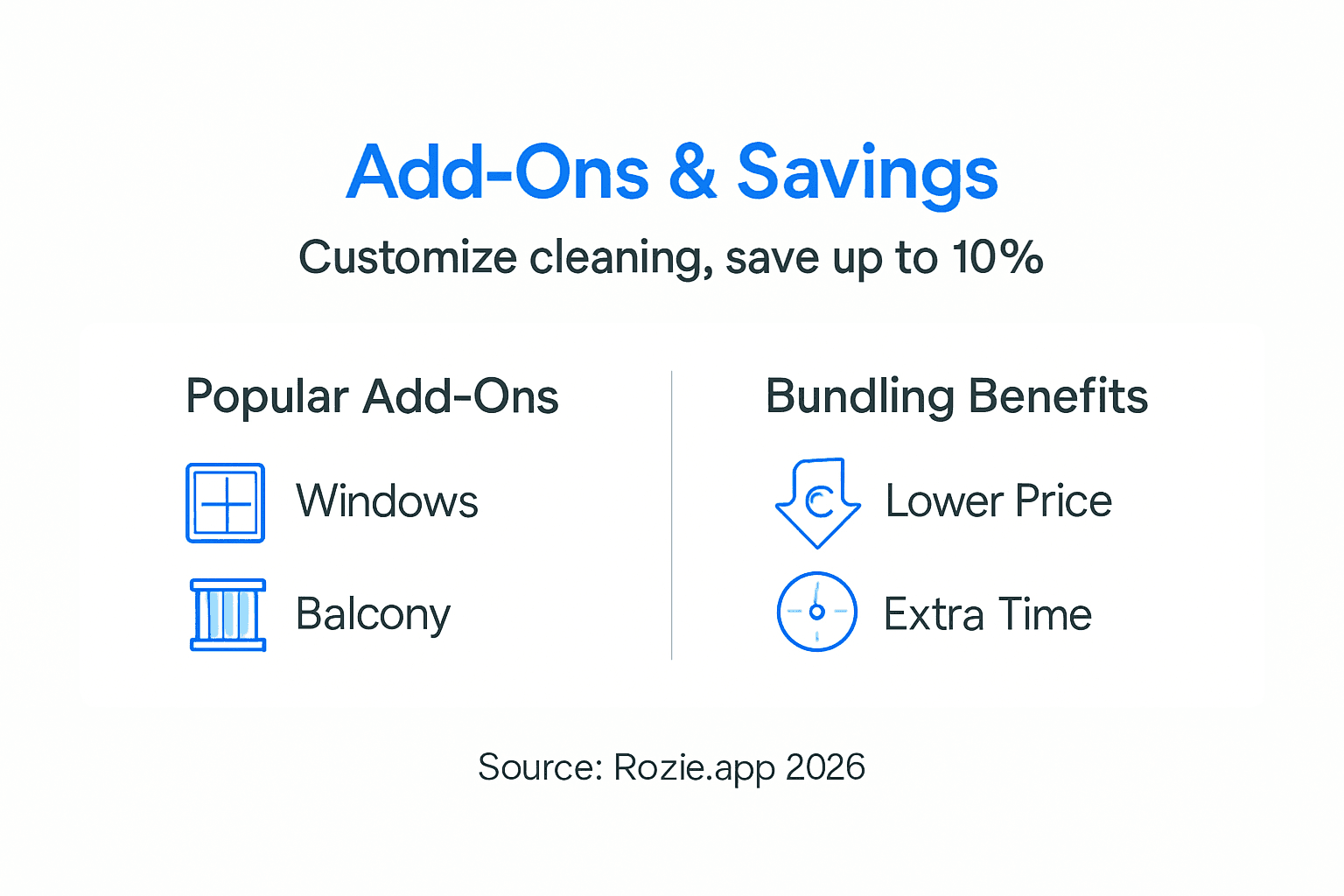
What’s usually not included — and charged as extras — are services like interior window cleaning, balcony or terrace washing, oven interior deep cleaning, fridge interior cleaning, inside-cabinet deep scrubbing, and any outdoor areas. These add-ons matter in Malta, where salt air deposits on windows, dust accumulates rapidly on balcony tiles, and hard water leaves persistent limescale inside appliances.
| Included in Base Deep Clean | Typically Charged as Extras |
|---|---|
| All floor types (sweep, mop, vacuum) | Interior window cleaning (€10–€25 per window) |
| Kitchen surfaces and appliance exteriors | Oven interior deep clean (€15–€25) |
| Bathroom fixtures, tiles, toilet, shower | Fridge interior clean (€10–€20) |
| Dusting all reachable surfaces | Balcony cleaning (€10–€15 each) |
| Skirting boards, light switches, door handles | Terrace wash (€15–€25) |
| Wardrobe and cabinet exterior wipe-down | Inside-cabinet deep scrub (€10–€20) |
Before booking, always confirm exactly which tasks are included in the quoted price and which require add-on fees. “Deep clean” means different things to different providers. Getting a written breakdown prevents surprise charges and ensures nothing important gets skipped.
How Much Does Move-In Cleaning Cost in Malta?
Professional move-in deep cleaning in Malta costs €55–€270 depending on property size, with hourly rates ranging from €10–€20 for independent cleaners and €15–€25 for agencies. Deep cleaning commands a 30–50% premium over standard cleaning rates because it requires more time, more specialised products, and more physical effort to bring a property up to move-in standard.
| Property Size | Base Deep Clean | With Windows + Balcony | Full Service (all extras) |
|---|---|---|---|
| Studio / 1-bed | €55–€95 | €80–€130 | €100–€160 |
| 2-bed | €85–€140 | €120–€185 | €150–€230 |
| 3-bed | €120–€180 | €165–€235 | €200–€270 |
Several factors push costs toward the higher end: properties that haven’t been cleaned professionally in months require more intensive work; coastal apartments in Sliema, St Julian’s, or Marsaskala accumulate salt residue that needs extra attention; furnished properties with appliances needing interior cleaning add complexity; and ground-floor units with terraces or courtyards increase the scope beyond indoor rooms alone.
For a more detailed breakdown of cleaning costs across all service types, Rozie’s cleaning cost Malta guide includes a free calculator and current hourly rate benchmarks.
Is it worth paying for a professional move-in clean?
Almost always, yes — and the financial logic extends beyond hygiene. Under Malta’s Private Residential Leases Act, your deposit is limited to one month’s rent, but landlords can deduct for “excessive cleaning” needed due to tenant misuse. If you move into a property that wasn’t properly cleaned and don’t document the condition, you may inherit the previous tenant’s mess as your responsibility at move-out. A professional clean at move-in (€55–€180 depending on size) paired with timestamped photographs of the property’s condition creates the documentation you need to protect a deposit worth €600–€1,200+ for a typical Malta rental.
Why Malta Properties Need Specific Move-In Attention
Malta’s climate, water quality, and building materials create cleaning challenges that generic guides don’t address. If you’re moving to Malta from elsewhere in Europe, these are the issues that catch new residents off guard.
Hard water limescale (350–600 PPM)
Malta has some of the hardest water in Europe, with calcium carbonate levels ranging from 350 to 600 parts per million depending on locality. This produces heavy limescale deposits on showerheads, taps, glass shower screens, kettle interiors, and inside washing machine drums. A property that’s been occupied for a year or more without regular descaling will have white, crusty buildup that standard all-purpose cleaners cannot remove. Move-in cleaning in Malta should always include descaling of bathroom fixtures and kitchen taps. Effective descalers available locally include HG Limescale Remover (available at Homemate and PAVI) or citric acid solution as a budget alternative.
Humidity and mould in bathrooms
Malta’s year-round humidity of 60–80% — peaking between October and February — creates ideal conditions for mould growth in poorly ventilated bathrooms. Check behind toilet cisterns, along shower silicone seals, on bathroom ceiling corners, and inside any extractor fan housing. Black mould spots that appear superficial often indicate deeper growth beneath silicone sealant, which may need cutting out and replacing rather than just wiping. If your new bathroom has visible mould, raise it with the landlord before accepting the inventory — mould removal is a maintenance issue, not a cleaning task.
Salt air deposits on windows and fixtures
Coastal properties across Sliema, St Julian’s, Marsaskala, Birżebbuġa, and Gozo’s Marsalforn accumulate salt deposits on exterior and interior window surfaces, balcony railings, and any metal fixtures exposed to sea air. This salt film is corrosive and causes pitting on unprotected metal over time. Interior windows in sea-facing apartments develop a hazy film that regular glass cleaner alone won’t dissolve — a vinegar-water solution or dedicated salt-removing glass cleaner cuts through it more effectively.
Dust accumulation in vacant properties
Malta’s dry, dusty summers — exacerbated by periodic Saharan dust events (known locally as “il-Libecchio” or associated with southerly winds) — mean that even a property vacant for just two to three weeks accumulates visible dust on every horizontal surface. If a property has been empty between tenants, the move-in clean needs to include thorough dusting of all surfaces, AC unit filter cleaning, and attention to dust that settles inside wardrobes, kitchen cabinets, and bathroom cabinets left ajar.
Room-by-Room Move-In Cleaning Checklist for Malta
Use this checklist adapted for Malta-specific conditions to either guide your DIY clean or verify the work done by a professional. Each section notes items frequently missed during move-in cleans that become your problem at move-out if not documented.
Kitchen
The kitchen is typically the most labour-intensive room and where the deepest grime accumulates. Expect 45–90 minutes for a thorough clean in a standard Malta apartment kitchen.
Clean and degrease all worktop surfaces. Wipe down cabinet fronts and handles (grease from cooking oils builds up on these). If the oven interior is included in your service, check that baked-on residue has been properly removed — not just the oven door glass. Clean the hob surface and degrease the extractor fan filter (soak in hot water with dish soap for 15 minutes, or run through the dishwasher if compatible). Descale taps and the area around the sink drain. Clean inside the fridge if included — check the rubber door seal where mould commonly hides. Run a cup of white vinegar through an empty dishwasher cycle to clear limescale buildup.
Bathroom(s)
Bathrooms require the most Malta-specific attention due to hard water and humidity. Budget 30–60 minutes per bathroom.
Descale the showerhead (unscrew and soak in vinegar solution for one hour, or use a dedicated limescale remover). Clean the shower screen — limescale on glass requires either a razor scraper for heavy buildup or a cream cleanser like CIF for lighter deposits. Scrub tile grout, especially in the shower area where soap scum and mould concentrate. Check silicone seals around the bath, shower tray, and toilet base for mould — photograph any you find for your move-in inventory. Clean inside the toilet bowl, under the rim, and behind the cistern. Wipe the mirror, light fixtures, and ventilation grille. Clean the floor including edges and corners where hair and dust accumulate.
Living areas and bedrooms
These rooms require less intensive work but have frequently missed spots. Budget 20–40 minutes per room.
Dust all surfaces including shelves, windowsills, and the tops of door frames (a spot cleaners almost always miss). Vacuum or mop all flooring, paying attention to edges along skirting boards. Wipe all light switches, door handles, and power sockets — high-touch points that accumulate grime. Clean inside wardrobes and any built-in storage. If the property has air conditioning, open the indoor unit’s front panel and check the mesh filter — if it’s grey or clogged, remove and wash it under running water. Check behind radiators (if applicable) for dust accumulation. Wipe window frames and tracks, where dust and dead insects collect.
Entrance and common areas
Don’t overlook the entrance hall, storage cupboards, and any utility areas. Wipe the front door interior, clean the shoe rack area, dust the fuse box exterior, and clean any shared hallway flooring that falls within your lease boundary. Check the washing machine filter (usually at the bottom front) for debris from the previous tenant, and run an empty hot cycle with a washing machine cleaner or vinegar to clear internal limescale.
Move-In Cleaning After Renovation: What Changes
If you’re moving into a newly renovated Malta property, standard move-in cleaning is not sufficient. Renovation generates fine limestone dust that penetrates sealed cabinets, coats HVAC interiors, and clings to surfaces in Malta’s humid climate. This requires a specialised after builders cleaning process that follows three distinct phases: rough debris removal, wet detail cleaning, and final polishing.
The critical timing rule: wait at least 48–72 hours after the last construction activity before scheduling your clean. Dust particles remain airborne for this period, and cleaning too early means surfaces will develop a visible dust film within 24 hours — wasting both time and money. Post-renovation cleaning costs significantly more than standard move-in cleaning (€250–€1,200 depending on scope), but skipping it risks permanent damage to new finishes from improperly cleaned limestone and cement residue.
If your landlord completed a renovation before your tenancy, check whether post-construction cleaning was professionally done before you accept the inventory. Residual dust in HVAC ducts, inside cabinets, and on window tracks is evidence of inadequate cleaning that should be flagged and documented.
How to Prepare for Your Move-In Clean
A few simple preparation steps make the difference between a thorough clean and a surface-level effort that misses critical areas.
Before booking
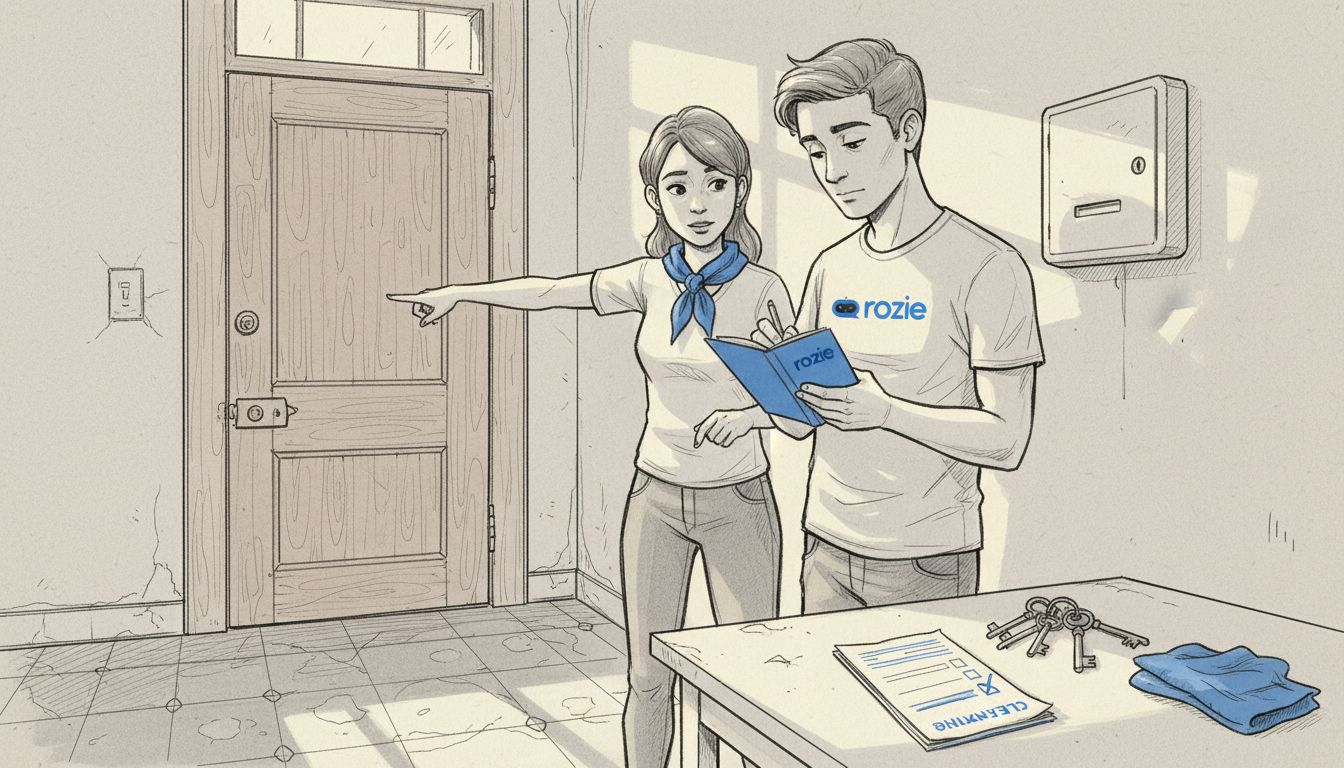
Walk through the property before your cleaning date (during your key handover or lease signing) and note specific issues: heavy limescale in the bathroom, grease buildup in the kitchen, mould on silicone seals, dirty windows, balcony condition. This walkthrough determines which extras you need and gives your cleaner a realistic scope. Photograph everything — these images serve double duty as your move-in condition record for deposit protection.
Before the cleaner arrives
Ensure the property is fully empty of the previous tenant’s belongings. A cleaner can’t deep-clean a kitchen with someone else’s food still in the fridge, or scrub a bathroom while toiletries crowd every surface. If the property isn’t fully vacated, raise this with the landlord before scheduling cleaning — paying for a deep clean before the space is clear wastes money.
Arrange clear access instructions: key location, lockbox code, intercom details, or arrangements for meeting the cleaner on-site. Confirm the water supply and electricity are connected — a deep clean requires both. Note any alarm codes or tricky locks and communicate these in writing.
What to confirm with your cleaner
Get written confirmation of exactly which tasks are included in the quoted price versus which are extras. Confirm the expected start time, estimated duration, and whether the cleaner brings their own supplies or expects you to provide products. Specify any surfaces needing special care — marble countertops, limestone floors, or delicate fixtures that require pH-neutral products rather than standard all-purpose cleaners.
Common Move-In Cleaning Mistakes in Malta
These are the errors that cost Malta tenants the most time and money — often because they seem like sensible shortcuts at the time.
Mistake 1: Assuming the landlord’s clean is adequate
Many landlords arrange a basic clean between tenants, but “basic” rarely means “deep.” Cabinet interiors, appliance insides, bathroom grout, and window tracks are almost always skipped. If you accept the property without your own professional clean and without photographic documentation, the existing grime becomes your baseline — and potentially your deposit deduction at move-out.
Mistake 2: Booking standard cleaning instead of deep cleaning
Standard (regular) cleaning maintains an already-clean home. It doesn’t tackle accumulated limescale, baked-on oven grease, mould in grout lines, or dust inside cabinets. For a move-in, you specifically need deep cleaning service — confirm this explicitly when booking. The 30–50% price premium over standard cleaning reflects the additional time, products, and effort involved.
Mistake 3: Forgetting to include windows and outdoor spaces
In Malta, balconies and terraces are functional living spaces used year-round, not seasonal extras. Salt deposits, Saharan dust, and rain splash make them visibly dirty. Interior windows accumulate grime that’s invisible from one angle but glaringly obvious when the morning sun hits the glass. Budget for window and outdoor add-ons from the start — adding them later as separate visits costs more than bundling them with your deep clean.
Mistake 4: Not documenting the property’s condition
Take photographs of every room, every surface, and every appliance after your move-in clean — before you bring in any furniture or belongings. Include close-ups of any existing damage: scratched floors, stained grout, chipped tiles, discoloured silicone, marked walls. Under Malta’s Private Residential Leases Act, deposit disputes are decided by the Housing Authority’s Adjudicating Panel, which relies heavily on documentary evidence. Your move-in photos are your primary defence against unfair deductions months or years later.
Mistake 5: Cleaning too early after renovation
If the property was recently renovated, cleaning within 24 hours of construction completion wastes your money. Fine dust particles remain airborne for 48–72 hours and will resettle on cleaned surfaces. Wait three days, then schedule your clean. This patience saves you from paying twice.
How Long Does Move-In Cleaning Take?
A professional move-in deep clean for a one-bedroom Malta apartment takes 2–4 hours. Two-bedroom properties require 3–5 hours, and three-bedroom homes take 4–7 hours. These estimates assume moderate condition — not extreme neglect — and cover the base deep clean without extras.
Add-on services extend these timelines: window cleaning adds 15–20 minutes per window, balcony cleaning adds 20–30 minutes per balcony, and oven or fridge deep cleaning adds 20–30 minutes each. A two-bedroom apartment with windows, two balconies, and appliance interiors might need 5–7 hours total rather than the base 3–5 hours.
| Property Type | Base Deep Clean Duration | With All Extras |
|---|---|---|
| Studio / 1-bed | 2–4 hours | 3–5 hours |
| 2-bed | 3–5 hours | 5–7 hours |
| 3-bed | 4–7 hours | 6–9 hours |
Quality benchmarks: what “done” looks like
A properly completed move-in clean should meet these standards: kitchen surfaces gleam without grease residue; bathroom fixtures are descaled and shine; tile grout appears lighter and clean; floors show no dirt streaks or missed corners; cabinet and wardrobe interiors are dust-free; light switches and door handles are clean to the touch; glass surfaces (mirrors, shower screens) are streak-free. If any of these benchmarks aren’t met, raise the issue with your cleaner immediately while they’re still on-site — corrections take minutes at this point but become a separate visit later.
Booking a Verified Move-In Cleaner in Malta
Finding a reliable cleaner for a one-off deep clean in Malta is harder than booking regular weekly service. Most established cleaning professionals prioritise recurring clients, and the casual market (Facebook groups, word-of-mouth) carries real risks: no-shows, inconsistent quality, no accountability if work is substandard, and no protection if damage occurs.
Rozie solves this by connecting you with verified cleaners who’ve passed background checks and built track records through real client reviews. The process takes a few minutes: browse cleaner profiles and ratings, submit your requirements (property size, extras needed, preferred date), receive competitive quotes from available professionals, and book with transparent pricing shown before you confirm.
Three features make this particularly valuable for move-in cleaning:
Transparent pricing. You see the full cost breakdown — base clean plus any extras — before committing. No vague “we’ll see when we get there” quotes that balloon on the day.
7-day payment protection. Your payment is held securely until you confirm the work meets the agreed standard. If a cleaner doesn’t show up or delivers substandard results, you’re covered. This matters most for one-off services where you have no existing relationship with the cleaner.
In-app communication. Written instructions about access details, priority areas, and specific requests create accountability. If you need to flag something during or after the clean, there’s a documented record — useful both for resolving issues and for your move-in documentation.

Whether you’re a new expat unfamiliar with Malta’s cleaning market or a long-term resident changing apartments, a verified platform removes the guesswork from what should be a straightforward service. For more guidance on finding reliable cleaners in Malta, Rozie’s comprehensive guide covers the full landscape.
FAQ
What is included in a move-in cleaning in Malta?
A standard move-in deep clean covers all interior floors, kitchen surfaces and appliance exteriors, bathroom fixtures and tiles, dusting all reachable surfaces, skirting boards, light switches, and door handles. Extras typically charged separately include interior windows (€10–€25 each), balcony cleaning (€10–€15 each), oven interior (€15–€25), fridge interior (€10–€20), and terrace washing (€15–€25). Always confirm the exact scope in writing before booking.
How much does move-in cleaning cost in Malta?
Prices range from €55–€95 for a one-bedroom deep clean, €85–€140 for two bedrooms, and €120–€180 for three bedrooms — before extras. Add-ons for windows, balconies, and appliance interiors typically bring the total to €100–€270 depending on property size and condition. Hourly rates are €10–€20 for independent cleaners and €15–€25 for agencies, with deep cleaning carrying a 30–50% surcharge over regular cleaning rates.
How soon after renovation should I book a move-in clean?
Wait at least 48–72 hours after the final construction activity. Fine dust particles remain airborne during this period, and cleaning earlier means surfaces collect fresh dust within 24 hours. Post-renovation move-in cleaning also requires specialised techniques and costs €250–€1,200 rather than the standard €55–€180, because limestone dust in Malta behaves differently from ordinary household dirt.
Should I clean before or after moving furniture in?
Always before. Cleaning an empty property is faster, more thorough, and significantly cheaper than working around furniture. It also gives you the opportunity to photograph the property’s clean, empty condition for your move-in inventory — critical documentation under Malta’s Private Residential Leases Act for protecting your deposit at move-out.
What cleaning products work best for Malta’s hard water stains?
Malta’s water hardness (350–600 PPM) requires dedicated descaling products rather than standard all-purpose cleaners. HG Limescale Remover and Viakal are available at Homemate, PAVI, and Smart Supermarket. For glass shower screens, a cream cleanser like CIF removes lighter deposits, while a razor scraper handles heavy buildup. Citric acid dissolved in warm water is an effective and inexpensive alternative for descaling taps, showerheads, and kettle interiors. Avoid vinegar on natural stone surfaces — it etches limestone and marble.
How do I protect my deposit with a move-in clean?
Commission a professional deep clean before unpacking any belongings. Photograph every room, surface, and appliance after the clean is complete — including close-ups of any existing damage or issues like mould, stained grout, or scratched floors. Share these photos with your landlord as part of the inventory documentation. Under Malta’s Private Residential Leases Act, the Housing Authority’s Adjudicating Panel uses documentary evidence when resolving deposit disputes. Your timestamped move-in photos are your strongest protection.
Can I do a move-in clean myself?
Yes, for smaller properties in reasonable condition. Budget 4–8 hours for a thorough one-bedroom DIY deep clean and €20–€40 for products (descaler, all-purpose cleaner, glass cleaner, microfiber cloths, rubber gloves). The main risk is missing areas that become your responsibility at move-out — cabinet interiors, HVAC filters, behind appliances, and window tracks are frequently overlooked in DIY cleans. For larger properties or those with heavy limescale, mould issues, or post-renovation dust, professional cleaning saves time and avoids the risk of surface damage from incorrect products.
Recommended
- Cleaning cost Malta 2026: Price calculator + hourly rates
- Top 4 Airbnb Host Cleaning Services in Malta 2026 | Rozie – Malta’s Best Cleaning Services
- Holiday Home Cleaning Malta: Step-by-Step Guide for Expats | Rozie – Malta’s Best Cleaning Services
- What is Move-In Move-Out Cleaning? Understanding the Process | Rozie – Malta’s Best Cleaning Services
- Mettre En Location | IZIKOZI | Agence Immobilière | Bruxelles Woluwe Schaerbeek
- Diagnostic Immobilier Marseille