

In this guide
What does Malta’s Cap. 604 say about deposit deductions for cleaning?
Which cleaning spots actually decide whether you get your deposit back?
How should you clean a Malta rental room by room?
How much does move-out cleaning cost in Malta in 2026?
Should you DIY or hire verified professionals?
When should you schedule your move-out clean?

What does Malta’s Cap. 604 say about deposit deductions for cleaning?
Under Malta’s Private Residential Leases Act (Cap. 604), a landlord can only deduct from your deposit for damage or cleaning that goes beyond normal wear and tear. Everyday marks on walls or minor floor scuffs are expected. A grease-caked oven, limescale-coated shower, or dusty air conditioning unit are not — those fall on the tenant, and they are the most common reasons deposits get partially withheld in Malta.
When a dispute reaches the Housing Authority’s Adjudicating Panel, they don’t rely on verbal assurances from either side — they look at documented evidence. The law is set out in full on Malta’s official legislation portal, but what matters in practice is having the paper trail to back up your claim that the property was handed over in acceptable condition.
The panel expects to see four specific things:
📋 Signed inventory.
A dated list of the property’s condition at move-in and move-out, agreed and signed by both parties. Without this, any later claim about “the oven was spotless when I moved in” becomes he-said-she-said.
📸 Timestamped photos.
Clear, dated photos of every room at move-in and move-out. Most smartphones add timestamps automatically — check that the setting is enabled before you shoot.
🧾 Cleaning receipts or invoices.
An invoice from a verified cleaning service is treated as documented evidence that a professional-standard clean took place. Cash-in-hand jobs with no paper trail don’t carry the same weight.
✍️ Written record of pre-existing issues.
Any existing damage or wear noted at move-in — in writing, acknowledged by the landlord. This stops months-old marks from appearing on your deposit deduction list.
The core principle is simple: the burden of proof in a cleaning dispute usually falls on the tenant. Your job is to make that proof impossible to ignore.
Which cleaning spots actually decide whether you get your deposit back?
Landlords and letting agents in Malta inspect with a shortlist in mind. If you cover these areas thoroughly, you’ll pass most inspections. If you skip them, you’ll lose money regardless of how tidy the rest of the property looks.
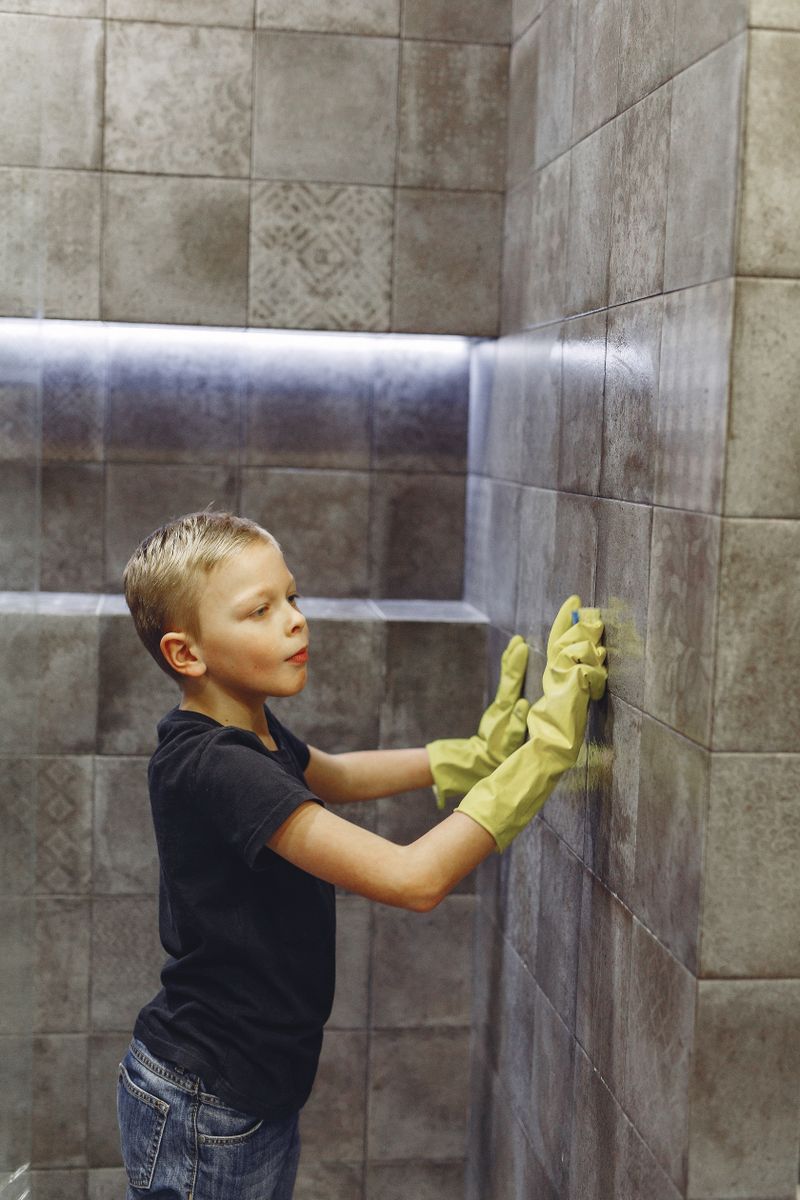
Based on what we see come up repeatedly in Maltese rental disputes, these are the areas that most often trigger deductions:
Most deposit deductions in Malta come from a handful of these same areas. If you’re doing the clean yourself, give them twice the time you think they’ll need. If you’re hiring help, confirm in writing that each of these is included in the scope.
Book an End-of-Tenancy Clean on Rozie →
How should you clean a Malta rental room by room?
Knowing the standards is one thing. Executing them is another. The most efficient approach is top-down within each room — ceilings, fans, and vents first, then work surfaces and fixtures, floors last. This stops dust and debris from falling onto already-cleaned areas and forcing you to re-clean.
A reliable sequence looks like this:
- Empty the property completely. Furniture and boxes hide dust and make detailed cleaning impossible.
- Dust ceilings, fans, light fixtures, and air vents. Work from high to low.
- Deep clean the kitchen. Inside the oven, under the stovetop, extractor filters, behind and under the fridge, inside cabinets.
- Sanitise the bathroom. Descale taps and shower screens, scrub grout lines, clean behind the toilet base, check for mould on silicone seals.
- Treat limescale and salt deposits on glass, tiles, and metal fittings using the right product for the surface (more on this below).
- Clean windows inside and outside, plus tracks and frames — these collect salt dust heavily in coastal Malta properties.
- Clean air conditioning filters. Remove, wash, dry completely, reinstall.
- Vacuum and mop all floors, including under appliances and behind furniture.
- Take timestamped before/after photos of every room the moment cleaning is complete.
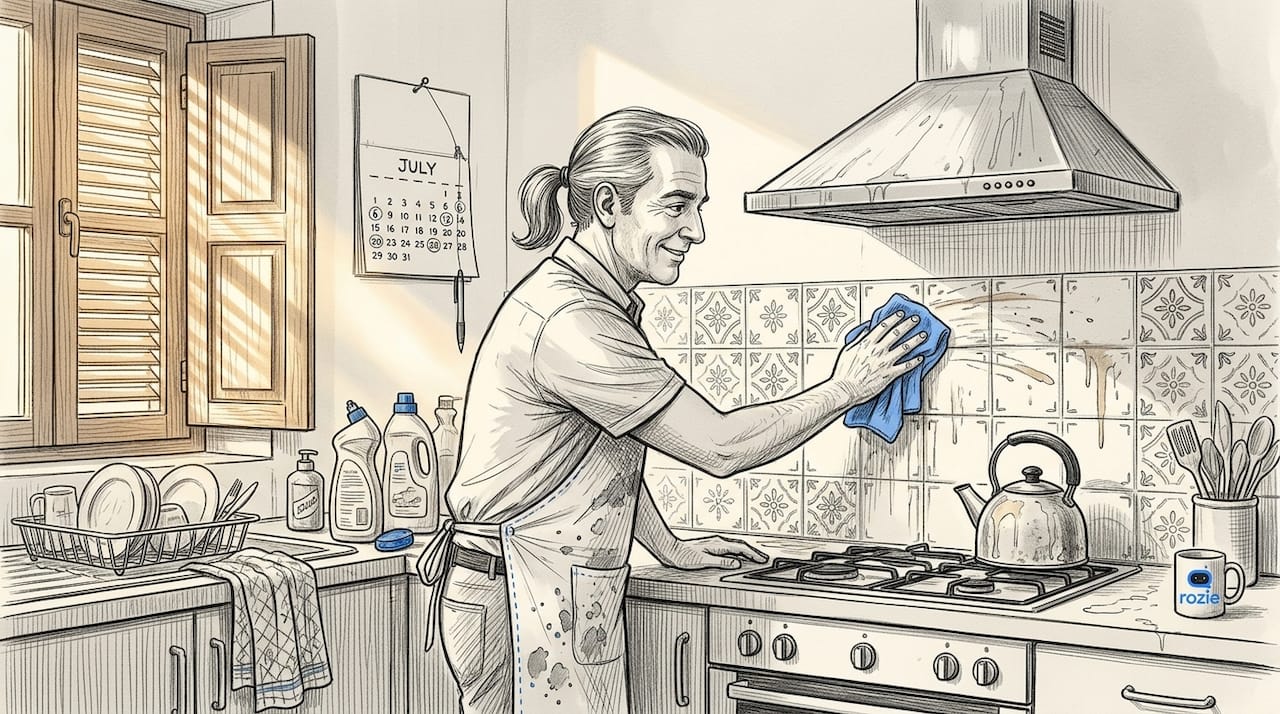
For a full task-by-task walkthrough you can print and tick off, our end-of-tenancy cleaning checklist for Malta covers every surface a landlord is likely to inspect.
💡 Pro tip — critical for Malta properties
Never use vinegar, lemon juice, or any acidic cleaner on globigerina limestone. Malta’s signature honey-coloured limestone is pH-sensitive and will etch permanently on contact with acid. That etching counts as damage — which means using the wrong cleaner can actually cause a deposit deduction rather than prevent one. Use pH-neutral stone cleaners (Lithofin, HG, Homemate ranges from PAVI or Smart Supermarket) on any limestone surface. Vinegar and citric acid are only safe on ceramic tiles, glass, and stainless steel.
Here’s a quick reference for which products to use where:
Rather skip the DIY? A verified end-of-tenancy clean through Rozie handles all nine steps above in 2–5 hours depending on property size, and you get a proper invoice for your deposit evidence file. Cleaners carry their own equipment and products, including pH-neutral formulations for limestone.
How much does move-out cleaning cost in Malta in 2026?
Professional move-out cleaning in Malta typically runs €55–€200+ depending on property size, condition, and whether add-ons like oven, fridge, or windows are included. That’s a wider range than a regular clean because end-of-tenancy work is more intensive — cleaners spend significantly more time on limescale removal, oven degreasing, and behind-appliance areas.
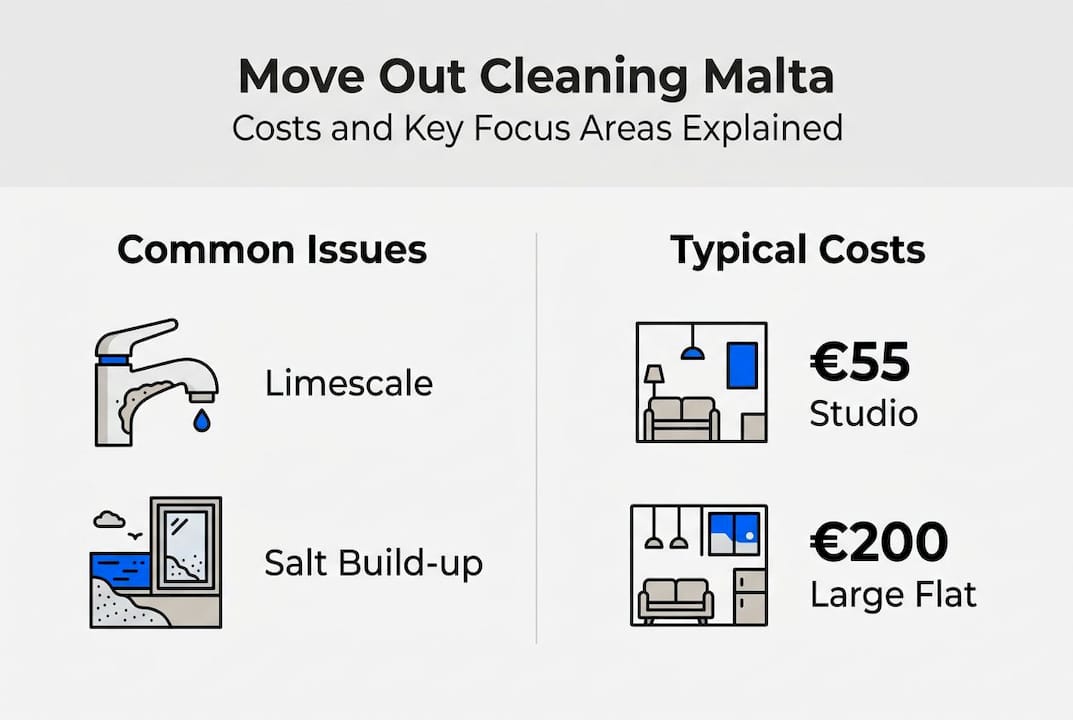
Prices are higher in Sliema, St Julian’s, and other coastal localities because salt and limescale buildup take longer to remove, and traffic or parking can add to the cleaner’s time on-site. For a fuller breakdown of how cleaning pricing works across different services, see our complete cleaning cost guide for Malta.
On Rozie, the pricing model is offer-based rather than instant: you post your move-out cleaning request with your property size and extras (oven, fridge, windows, balcony), and verified cleaners send you competitive offers with exact prices — typically within 5–15 minutes. You compare the offers and accept the one you prefer, so there’s no guesswork about the final amount before you commit.
💰 The real cost comparison: DIY vs professional
DIY clean + lost deposit risk
€30 + €150–€400
typical deduction if missed spots
Professional clean + invoice evidence
€95–€140
deposit almost always returned
The math often favours professional cleaning once you factor in deposit-deduction risk — especially for 2+ bedroom properties where DIY takes 8–12 hours.
Should you DIY or hire verified professionals?
Both approaches can work. The right choice depends on your budget, the property size, how much time you have before handover, and how much your deposit is worth to you.
DIY saves money on labour but carries higher deposit-deduction risk — not because you can’t clean, but because amateur cleans leave telltale signs that inspectors spot instantly: streaky windows, residual oven grease, limescale at tap bases, and untreated grout lines. There’s no legal requirement to hire a professional, but evidence rules strongly favour documented professional service when disputes reach the Adjudicating Panel.
That insurance row is worth lingering on. Rozie’s Trust & Support programme includes professional liability cover underwritten by Lloyd’s Insurance Company S.A. — up to €1,000,000 per occurrence for accidental property damage or bodily injury caused by cleaners during a booking, with Rozie covering all deductibles (users pay no excess). If a cleaner accidentally chips a limestone sill or breaks a mirror, you’re not the one arguing with the landlord about it.
If you’re on a budget, a hybrid approach works well: handle the general tidying and vacuuming yourself, and hire a professional specifically for the kitchen, bathrooms, and windows — the three areas landlords inspect most critically. A 2-hour targeted clean for those three rooms usually runs €55–€80.
When should you schedule your move-out clean?
Timing affects both the quality of the final result and your chances of getting a booking at all. A few practical rules:
🗓️ Book 5–7 days ahead minimum.
More during peak moving months (March–April for pre-Easter turnover, August–September for academic year changeovers). Last-minute bookings are possible but your choice of cleaners shrinks fast.
⏱️ Schedule as close to handover as possible.
Ideally the day before or the morning of your final inspection. A clean done five days early gives dust, salt dust from open windows, and Saharan dust (il-qilla) events time to resettle on surfaces.
🌤️ Mind the humidity.
Malta’s humidity peaks October–February (60–95%). Freshly cleaned bathroom silicone and grout take longer to dry in that window, and residual moisture encourages fast mould regrowth. If your handover falls in winter, run ventilation or a dehumidifier after the clean.
If you’re coordinating the move itself at the same time, our guide to the 7 must-do steps of a moving-out cleaning checklist can help you sequence everything without last-minute chaos.
Finding a reliable cleaner in Malta the traditional way means scrolling through Facebook groups, making phone calls, chasing quotes from three or four people, and hoping the one who shows up actually matches the photos and reviews you were sent. Most people about to move out don’t have time for that — the days before handover are already packed with packing, paperwork, and handover logistics. That’s exactly the problem Rozie was built to solve: no calls, no chasing. You post the job, verified cleaners send you competitive offers with exact prices within minutes, and every booking is backed by up to €1,000,000 in professional liability insurance. Here’s the full booking process in under 60 seconds:
Get Move-Out Cleaning Offers on Rozie →
What evidence should you collect to protect your deposit?
Here’s the thing most renters get wrong: they focus on making the property look clean, but the panel that decides deposit disputes focuses on documented cleanliness. Those are two different things, and confusing them is one of the most expensive mistakes a tenant can make in Malta.
A spotless kitchen is worth very little without a receipt, photos, and a checklist to prove the work was done. An imperfect clean backed by solid documentation — timestamped photos, a signed inventory, and a professional invoice — gives you a genuine fighting chance in any dispute.
Your complete deposit-evidence file should include:
- Move-in inventory signed and dated by you and the landlord, listing every room’s condition and any pre-existing damage
- Move-in photos (wide shots of every room plus close-ups of any marks, chips, or wear) with timestamps
- A copy of your tenancy agreement showing any specific cleaning requirements
- Receipts for any cleaning products you bought during the tenancy (not essential but helpful)
- The professional cleaning invoice if you hired a service for move-out, showing the date, scope, and cost
- Move-out photos (same wide-shot and close-up pattern as move-in) taken the day of handover
- A signed move-out inventory if your landlord will do one — if not, send them your photos by WhatsApp or email on handover day and keep the timestamp
Start building this file from day one of your tenancy — not the day you hand back the keys. For a deeper look at the evidence side, our guide on how to get your deposit back through proper cleaning and documentation walks through the process step by step.
Not enough hours in the day to clean, document, pack, and plan the handover? That’s the #1 reason 22,700+ people across Malta use Rozie for end-of-tenancy cleaning — including a professional invoice you can file straight into your deposit evidence folder.
Download Rozie — Book in 60 Seconds →

Browse more guides on our Cleaning in Malta blog or read our full end-of-tenancy cleaning guide for Malta for a deeper walkthrough of the handover process.
Frequently asked questions
Do I legally have to hire a professional cleaner to get my deposit back in Malta?
No. There is no legal requirement in Cap. 604 to use a professional cleaning service. However, the Housing Authority’s Adjudicating Panel weighs documented evidence heavily when resolving disputes, and a professional invoice paired with photos is stronger evidence than DIY alone.
How much does move-out cleaning typically cost for a one-bedroom apartment in Malta?
Expect €55–€95 for a one-bedroom end-of-tenancy clean in Malta in 2026. Coastal areas (Sliema, St Julian’s, Bugibba) tend to sit at the higher end because of heavier salt and limescale buildup.
What evidence should I provide if there’s a dispute about deposit deductions?
Submit the signed move-in and move-out inventory, timestamped photos of every room at both dates, any cleaning invoices, and the tenancy agreement. The Housing Authority’s Adjudicating Panel uses this evidence to decide whether the landlord’s deductions are justified.
Which cleaning tasks most often lead to deposit loss in Malta?
The biggest deposit-deduction triggers are oven interiors, extractor hood filters, limescale on shower screens and taps, AC unit filters, windows and window tracks, and mould on bathroom silicone. These are Malta’s inspection hotspots — they get checked every time.
Is it safe to use vinegar on limestone floors in Malta?
No. Malta’s globigerina limestone is pH-sensitive and will etch permanently on contact with vinegar, lemon juice, or any acidic cleaner. Use pH-neutral stone cleaners (Lithofin, HG, Homemate) on limestone, and save vinegar for ceramic tiles, glass, and stainless steel only.
When is the best time of year to schedule move-out cleaning in Malta?
May–September is ideal because lower humidity (below 60%) lets bathroom silicone and grout dry fully, reducing mould regrowth before your final inspection. If your handover falls October–February, clean as close to the handover day as possible and run ventilation afterwards.
How far in advance should I book a move-out cleaning service?
Book 5–7 days ahead minimum, and 10–14 days ahead during peak moving months (March–April for pre-Easter, August–September for academic year turnover). Last-minute bookings are possible on Rozie but your choice of cleaners and time slots narrows quickly.
Recommended
- End of tenancy cleaning checklist Malta 2026: Get deposit | Rozie – Malta’s Best Cleaning Services
- Reliable Apartment Cleaning Malta 2026: Verified Cleaners Guide
- End of Tenancy Cleaning Malta: Secure Your Deposit Easily | Rozie – Malta’s Best Cleaning Services
- Essential Move-Out Cleaning Tips for a Spotless Exit | Rozie – Malta’s Best Cleaning Services