



Most expat guides rank Malta’s neighbourhoods by vibe and price and stop there. That advice is fine if you hold an EU passport. If you do not, your residency route quietly decides whether you can buy a home at all, where, and how much you must commit to housing just to qualify. This guide maps each common residency status to what it lets you rent or buy in Malta in 2026, with the legal thresholds verified against official sources.
In this guide
Where do expats actually live in Malta?
How does your residency status change where you can live?
Can non-EU nationals buy property in Malta?
Where do expats actually live in Malta?
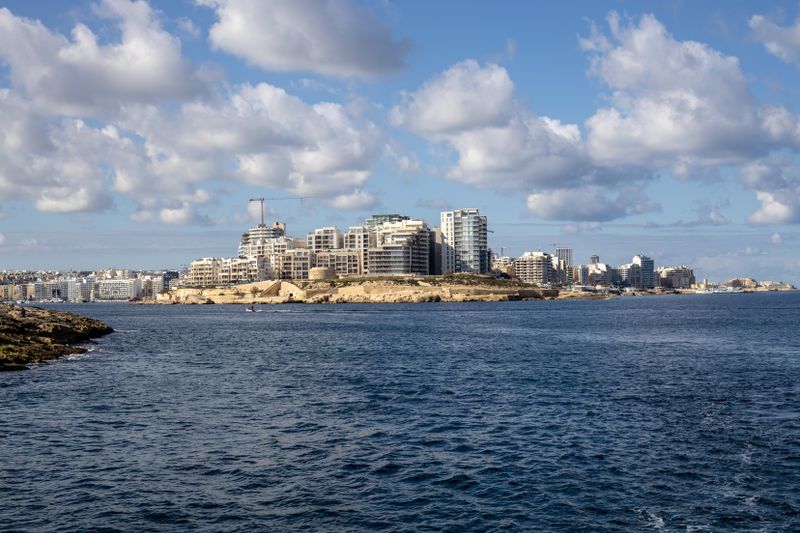
Most expats cluster along the northeastern coast. Sliema, St Julian’s, and Gzira draw the largest international communities for their walkability, services, and proximity to the iGaming and finance jobs. Families lean towards quieter Swieqi and Madliena a few minutes inland, while retirees and remote workers often choose Gozo or the Three Cities for space and a slower pace.
That is the lifestyle shortlist, and it holds for almost everyone. For a neighbourhood-by-neighbourhood breakdown by cost, noise, and community, see our companion guide to the best places to live in Malta for expats. The part those rankings skip is the legal layer underneath: two people can want the same Sliema apartment, and only one of them may be allowed to buy it. The rest of this guide deals with that layer.
How does your residency status change where you can live in Malta?
Your residency route decides whether you can buy property, where, and how much you must spend on housing to qualify. EU, EEA, and Swiss nationals face almost no restrictions. Non-EU nationals can rent anywhere but face real limits on buying. Investor and remote-worker routes attach minimum rent or purchase figures you have to meet before the permit is granted.
The table below maps the four situations most newcomers fall into. Each row reflects the rules as they stand in 2026.
The EU five-year rule is the one most people miss. Citizens of any EU member state who have lived in Malta continuously for at least five years can buy any property without a permit. Those who have not yet hit five years still need no permit for a primary residence or for property used in their business, but a second or investment property requires the same permit as a non-EU buyer. The official conditions for buying property as a non-resident set this out in full.
Can non-EU nationals buy property in Malta?
Yes, but with limits. Outside Special Designated Areas, a non-EU national needs an Acquisition of Immovable Property (AIP) permit, can own only one property, must use it as a residence, and cannot rent it out. Inside Special Designated Areas, anyone of any nationality can buy with no permit, no cap on the number of units, and the right to let them out.
The AIP permit, governed by Chapter 246 of the Laws of Malta, is processed by your notary, costs €233, and is normally issued within about 35 days. It applies to property above minimum value thresholds, currently around €143,000 for an apartment and higher for a house; these figures are revised each year, so confirm the current floor before you commit. In practice the permit is rarely refused for a genuine own-use purchase, but the one-property and no-letting conditions are firm.
Special Designated Areas, in brief.
SDAs are high-end developments where foreign-buyer restrictions do not apply. The best known sit right in the prime expat zones: Tigné Point and Fort Cambridge in Sliema, Portomaso and Pender Gardens in St Julian’s, SmartCity in Kalkara, and Fort Chambray in Gozo. If your plan is to buy and let, or to own more than one home, an SDA is usually the only straightforward route for a non-EU buyer.
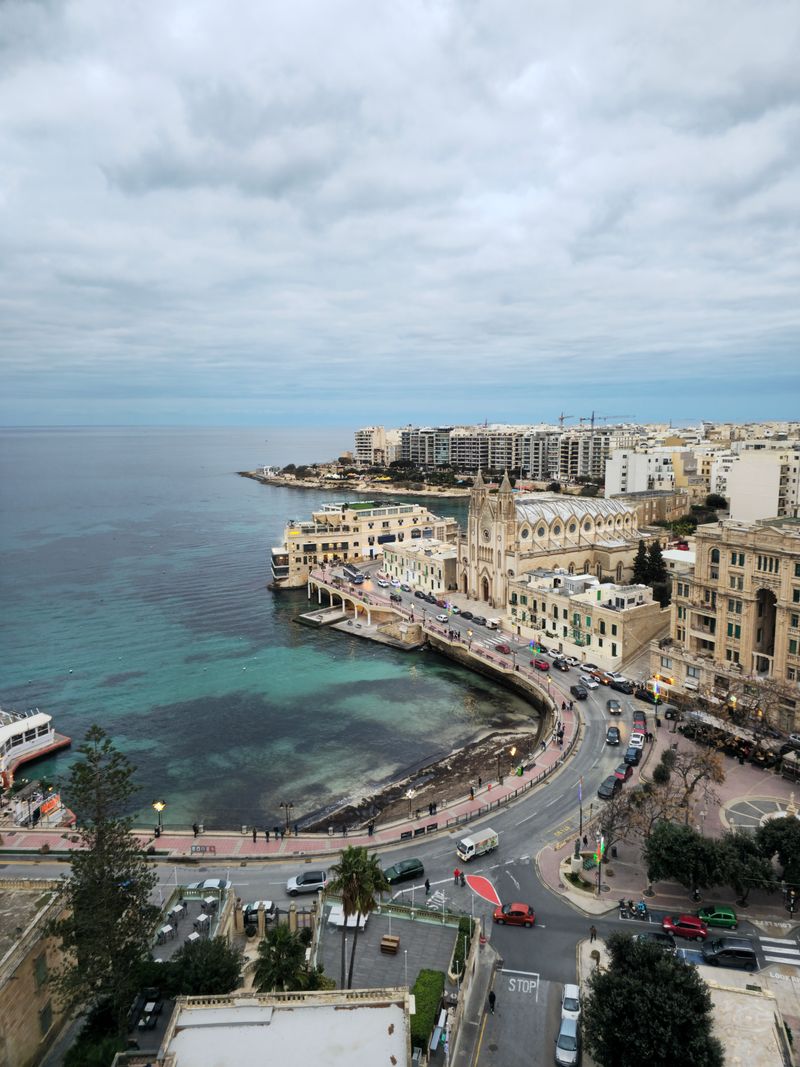
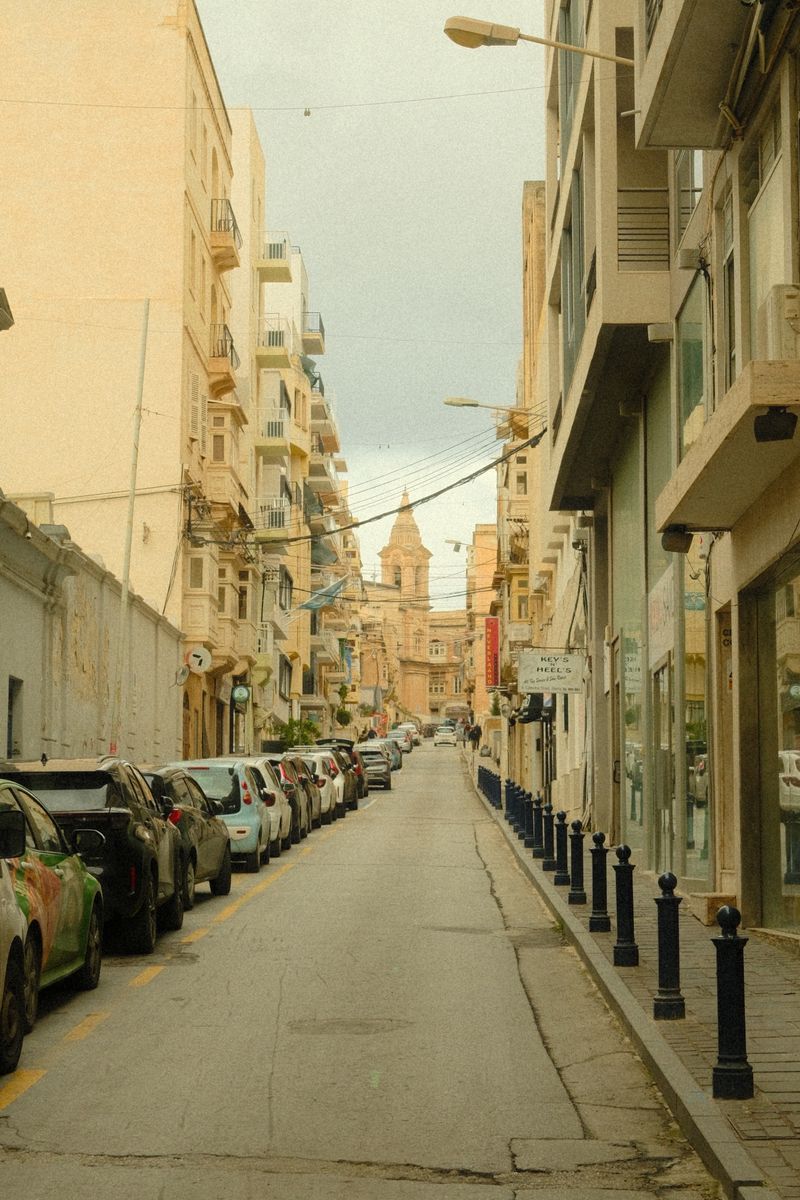
Many of these blocks are modern concrete-and-glass towers, but step inland or into the older coastal cores and you meet Malta’s signature material: porous Globigerina limestone. It is soft, pH-sensitive, and ages beautifully, which is part of why traditional townhouses in the Three Cities and Valletta hold their appeal for buyers chasing character over convenience.
Pro tip
If buying via an SDA is the goal, view at least one unit on a Saharan dust day. The fine red film these events leave on balconies and sea-facing windows is heaviest on exposed coastal towers, and it tells you how much outdoor cleaning the property will realistically need across a Malta summer.
What if you would rather rent?
Renting is open to every residency type and is how most non-EU arrivals start, since buying outside an SDA means an AIP permit and a single home you cannot let. A one-bedroom runs roughly €750 a month in suburban towns like Birkirkara, Mosta, and Msida, rising to around €1,600 on the Sliema seafront. The MPRP’s €14,000-a-year minimum lease, for context, is about what a central one-bedroom costs.
Maltese rentals are governed by the Private Residential Leases Act (Chapter 604), which requires contracts to be registered and sets out how deposits are handled. For a practical walkthrough of listings, agency fees, and scam-avoidance, our guide on how to find an apartment in Malta covers the search itself, and the breakdown of what it really costs to live in Malta covers the recurring expenses listings never show.
Two of those hidden costs shape rental life directly. Malta’s tap water carries 200 to 600 PPM of calcium carbonate, so limescale builds fast on taps, glass, and appliances. Humidity sits between 60 and 95 percent year-round and peaks from October to February, which is when mould appears in bathrooms and wardrobe backs. On coastal flats in Sliema and St Julian’s, salt air adds a third layer to the cleaning load. All of this matters most at the two moments a renter is judged on a property’s condition: moving in, and moving out.
The renter’s reality: because non-EU residents overwhelmingly rent rather than buy, the end-of-lease clean that protects your deposit is part of almost every expat housing cycle in Malta. When that day comes, Rozie connects you with verified cleaners across Malta who handle end-of-tenancy cleans, so the limescale and dust a Maltese summer leaves behind do not cost you part of your deposit.
Finding a reliable cleaner the traditional way in Malta usually means scrolling Facebook groups, messaging numbers, chasing quotes, and hoping the person who turns up does a thorough job.
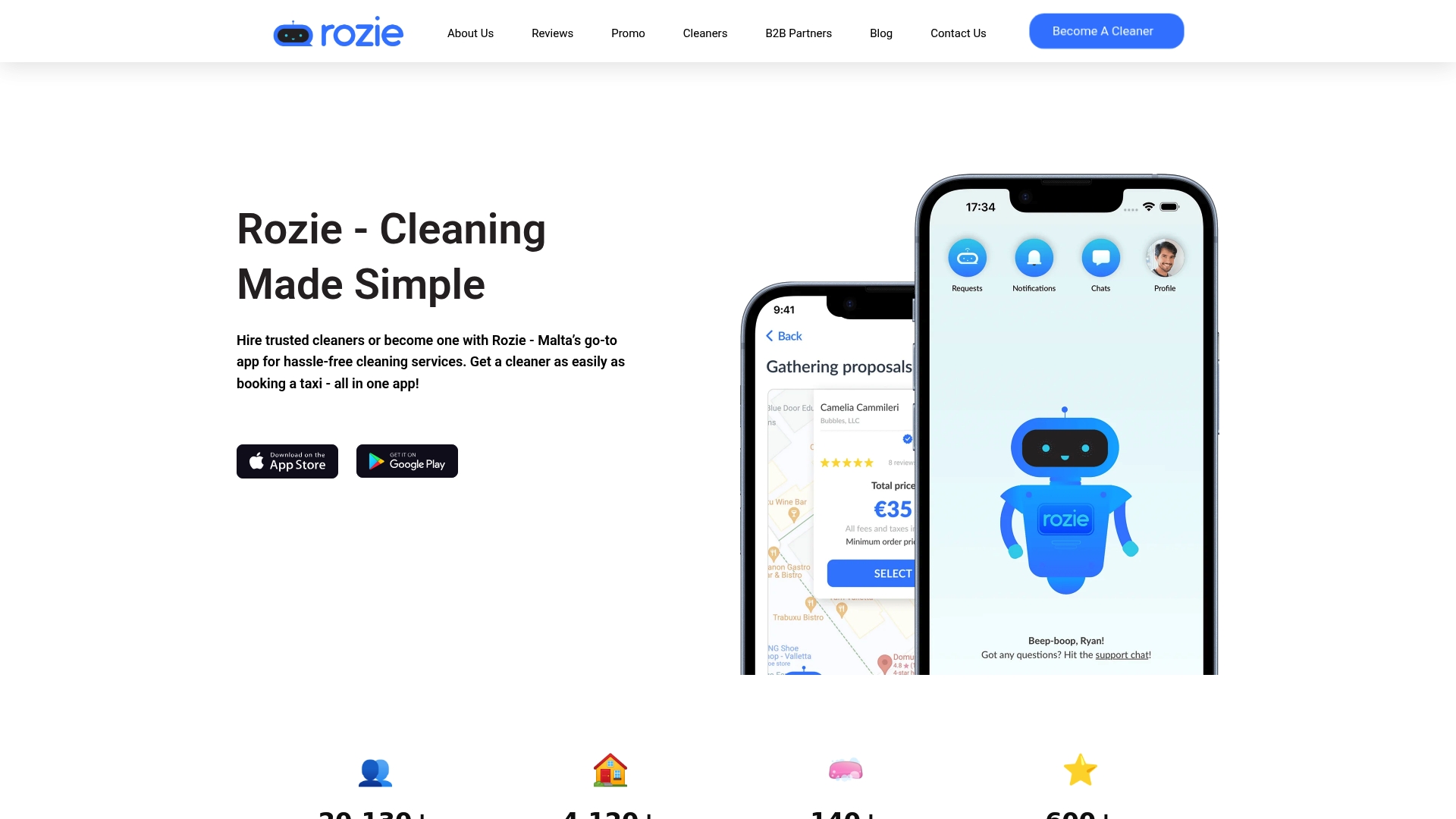
Rozie was built to remove that friction. You post the job once, pick a date and the extras you need, and verified cleaners send you offers with the exact price before you accept. Every booking is backed by 7-day payment protection and up to €1,000,000 in professional liability insurance, underwritten by Lloyd’s Insurance Company S.A., with Rozie covering the deductibles so you pay no excess.
Here is the full booking process in under 60 seconds:
Which residency route fits which kind of mover?
There is no single best route, only the one that matches how long you plan to stay and whether you want to own. EU citizens have the freest hand. Non-EU professionals and remote workers usually rent. Investors use the MPRP to buy. Retirees can pick almost any route and let the location decide. Matching your situation early saves you from chasing property thresholds you never needed to meet.
EU remote workers and professionals have the simplest path: register your stay after 90 days, rent anywhere, and buy a primary home with no permit. The route imposes nothing, so the choice comes down to lifestyle and budget alone.
Non-EU professionals on a work permit are sponsored by their employer and can rent anywhere, but buying means an AIP permit and a single own-use home that cannot be let. Most rent until they reach the five-year mark that lifts the restriction.
Non-EU remote workers typically use the Nomad Residence Permit, which requires €42,000 of foreign income and a registered lease. It is built around renting, not buying, and runs for up to four years.
Investors and families seeking permanent residence use the Malta Permanent Residence Programme, which ties residence to a €14,000-a-year lease or a €375,000 purchase held for five years. The purchase route is the cleanest way for a non-EU buyer to own a home outside a Special Designated Area.
Retirees chasing calm and space can layer any of these routes onto a move to Gozo or the Three Cities. Here the residency mechanics matter less than your tolerance for the ferry and a quieter social calendar.
One detail ties it all together: after five years of continuous legal residence, both EU nationals and long-term-resident non-EU nationals can buy without the AIP restriction. For many movers, renting first is therefore a deliberate strategy rather than a compromise.
Key takeaways
The best place to live in Malta is the one your budget and lifestyle point to, but your residency status sets the boundaries of what is even possible.
Frequently asked questions
Can a non-EU citizen buy a home anywhere in Malta?
Not freely. Outside Special Designated Areas, a non-EU national needs an AIP permit and may own only one property, for personal use, which cannot be rented out. Inside Special Designated Areas such as Tigné Point or Portomaso, any nationality can buy without a permit and with no limit on the number of properties.
Do EU citizens need a permit to buy property in Malta?
It depends on how long they have lived there. EU, EEA, and Swiss nationals who have resided in Malta continuously for at least five years can buy any property without a permit. Those under five years need no permit for a primary residence or business property, but a second or investment property requires an AIP permit.
What income do I need for the Malta Nomad Residence Permit?
Applicants must show a minimum gross income of €42,000 a year, roughly €3,500 a month, from remote work for clients or employers outside Malta. The permit is for non-EU nationals, runs for one year, and can be renewed up to a maximum of four years. Proof of accommodation and private health insurance are also required.
How much does the Malta Permanent Residence Programme cost?
The MPRP requires a government contribution of €37,000, an administrative fee of €60,000, and a €2,000 donation to a Maltese NGO, plus a qualifying property rented from €14,000 a year or bought from €375,000 and held for five years. Applicants must also prove assets of at least €500,000. On the rental route, the realistic minimum is around €169,000 over five years.
Do I have to clean a rental before moving out in Malta?
Your lease and the deposit terms usually expect the property returned in its original condition, which after a Malta summer of dust, limescale, and humidity often means a thorough clean. Booking an end-of-tenancy clean is the simplest way to protect the deposit; you can compare what one costs in our Malta cleaning cost guide and get exact offers from verified cleaners on Rozie before you accept.
Is Gozo a realistic place to live on a residency permit?
Yes, particularly for remote workers and retirees. Gozo offers lower rents and a genuinely rural pace, and the same residency rules apply as on the main island. The trade-off is the ferry crossing, which suits people who travel to Malta occasionally but wears thin for anyone commuting daily.
Recommended
- Best Places to Live in Malta for Expats (2026)
- Malta Country: Why Expats Choose Island Life | Rozie – Malta’s Best Cleaning Services
- Where to Live in Malta Without a Car: 2026 Guide | Rozie – Malta’s Best Cleaning Services
- Country Malta Europe – Daily Life and Modern Solutions | Rozie – Malta’s Best Cleaning Services