

In this guide
Where are Malta’s best open-air markets?
Where do locals buy fresh food and produce?
Where do you do everyday shopping in Malta?
What should you buy at a Maltese market?
What should foreigners know before shopping in Malta?
Where are Malta’s best open-air markets?
Malta’s best open-air markets are the Marsaxlokk Sunday fish market in the south, the Il-Monti street market on Merchant Street in Valletta, and the weekly village markets at Birgu and Birkirkara. Each runs on set days and almost always in the morning, so the calendar matters more than the location. Marsaxlokk is the one to see first.
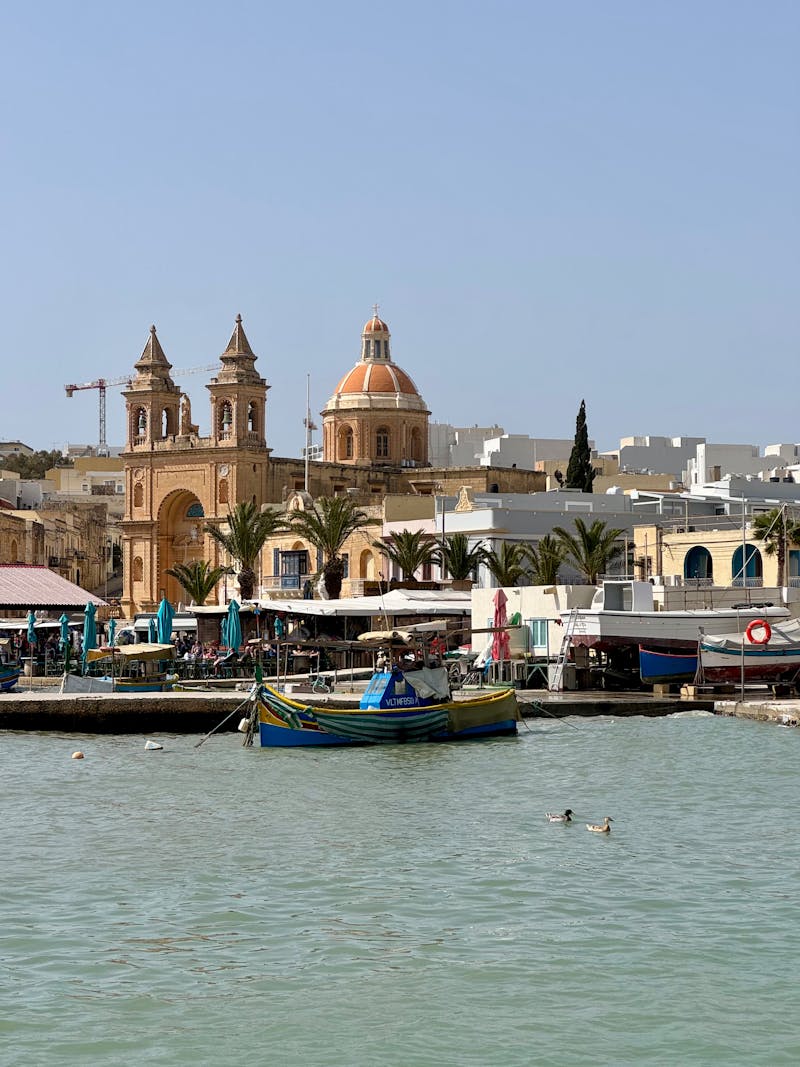
Marsaxlokk is a working fishing village on the south-east coast, around 12 kilometres from Valletta, and home to a large share of the Maltese fishing fleet. Every Sunday morning the harbour promenade fills with stalls selling the catch landed that same day, alongside fruit and vegetables, local honey, lace, clothes and souvenirs. The setting is the draw as much as the shopping: rows of brightly painted luzzu boats, each with the protective “eye of Osiris” on the bow, bob in the bay while you browse. A market morning here is one of the best free things to do on the island, and it pairs naturally with lunch at one of the seafront seafood restaurants. For more weekend ideas, see our guide to things to do in Malta.
Closer to the centre, Valletta’s Il-Monti is the capital’s traditional Sunday street market, spread along Merchant Street. It leans towards clothing, household bits, bric-a-brac and souvenirs rather than food. The Birgu (Vittoriosa) market in the Three Cities runs on Tuesday mornings and is a favourite with bargain hunters for affordable fashion and food stalls, while Birkirkara holds a busy produce-and-household market on Wednesday and Friday mornings near St Helen’s Basilica. Smaller villages such as Rabat keep their own low-key Sunday markets aimed at locals rather than visitors.
Where do locals buy fresh food and produce?
For fresh food, locals head to the Ta’ Qali Farmers’ Market on Tuesdays and Saturdays for fruit, vegetables and bread sold straight from the grower, and to Is-Suq tal-Belt, Valletta’s covered food market, for artisan stalls and casual dining. Both are stronger for everyday eating than the souvenir-heavy Sunday markets, and the produce is genuinely seasonal.
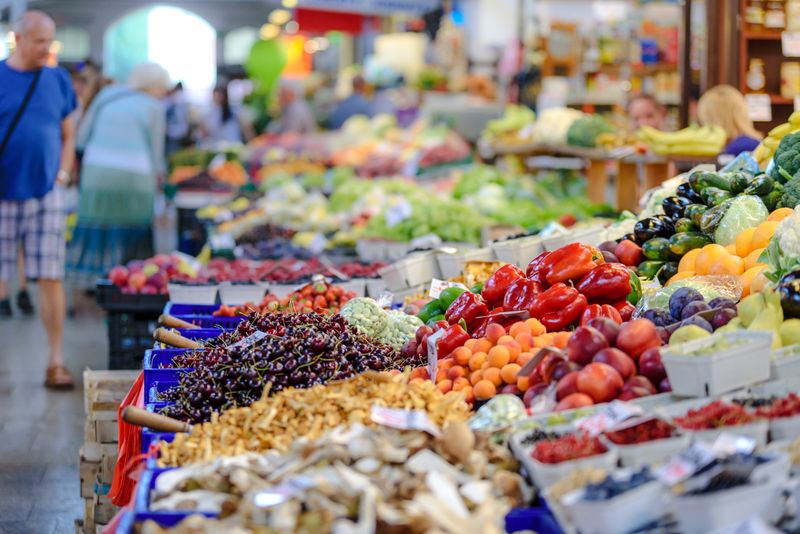
The Ta’ Qali Farmers’ Market, between Attard and Mdina, is the island’s largest and runs on Tuesday and Saturday mornings from roughly 7am to 3pm. With around thirty stalls selling only Maltese produce at close to wholesale prices, it is where you can fill a basket with seasonal fruit and vegetables, fresh Maltese bread, sheep’s-milk cheeselets and local honey for a fraction of supermarket prices. Arrive early in the season for the best selection.
In the capital, Is-Suq tal-Belt, the Valletta Food Market, is a different experience again. The cast-iron market hall on Merchants Street dates back to the 1860s and was fully restored in 2016 and 2017 into a covered food court. It blends delicatessen counters and artisan stalls with open-counter dining from Maltese and international kitchens, so it works equally well for picking up something to cook or sitting down for lunch. It is open daily, which makes it a reliable option when the weekly markets are closed.
Where do you do everyday shopping in Malta?
For everyday shopping, Malta has full-size supermarkets such as Lidl, PAVI, Pama, Welbee’s and Smart Supermarket, plus modern malls including The Point and The Plaza in Sliema, Bay Street in St Julian’s, and Pama in Mosta. Valletta’s Republic Street remains the island’s traditional high street, with Sliema’s Tower Road and Bisazza Street close behind for everyday browsing.
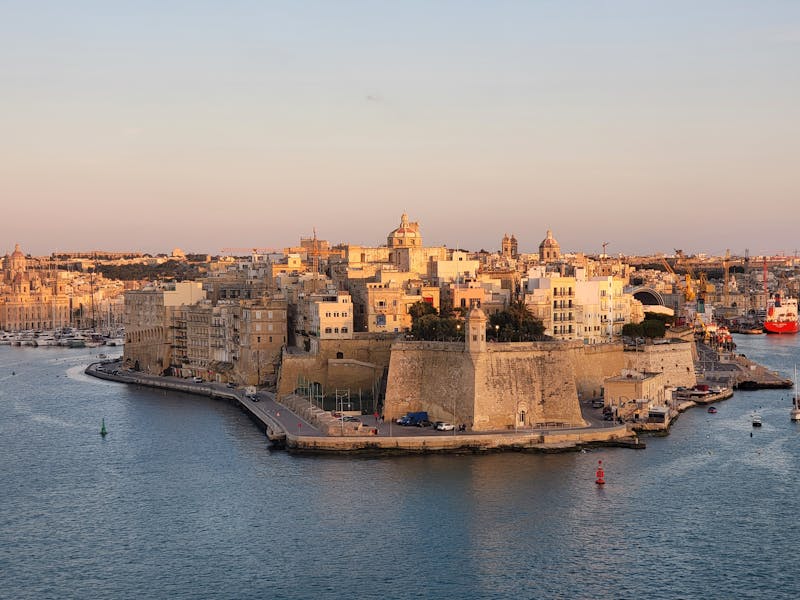
Large supermarkets are spread across the island rather than concentrated downtown. PAVI in Qormi and Pama in Mosta are big local one-stop stores, Lidl has branches in most regions for budget grocery shopping, and Welbee’s and Smart Supermarket cover the harbour towns. Larger stores stock a reasonable range of international and ethnic ingredients, which matters when you are trying to recreate a dish from home.
For clothes, electronics and brand shopping, The Point on the Sliema seafront is the island’s largest mall, with international names, a supermarket and underground parking. The Plaza on Bisazza Street in Sliema and Bay Street near Paceville in St Julian’s add more high-street brands, while Pama Shopping Village in Mosta and Arkadia in Victoria serve the centre of the island and Gozo. If you prefer a traditional shopping street, Valletta’s Republic Street has been the commercial heart of the city since the 16th century. Still deciding where to base yourself? Our guide to the best places to live in Malta for expats pairs well with this one.
What should you buy at a Maltese market?
The best buys at a Maltese market are local food and craft products you cannot easily get at home: Maltese honey, fresh and dried cheeselets, broad-bean dip, and date pastries from the food stalls, plus Mdina Glass and traditional lace from the craft sellers. These travel well as gifts and are far better value bought direct than from tourist shops.
Maltese specialties worth seeking out.
Look for gbejniet (small sheep’s-milk cheeselets, fresh or peppered), bigilla (a garlicky broad-bean dip), imqaret (deep-fried date pastries), qubbajt (almond nougat) and wildflower or thyme honey. Gozitan sea salt from the Xwejni salt pans, capers and sun-dried tomatoes are easy to pack, and seasonal lampuki fish at Marsaxlokk is the basis of the classic Maltese fish pie. For crafts, hand-blown Mdina Glass and traditional bizzilla lace are the local signatures.
What should foreigners know before shopping in Malta?
Three things catch newcomers out: most open-air markets are morning-only and busiest on Sunday, many stalls are cash-only, and tap water is very hard. Plan market trips early in the day, carry a reusable bag and some cash, and budget for bottled or filtered water as a normal household cost rather than an occasional buy.
Pro tip
At Marsaxlokk, arrive before 9am. The tour buses roll in mid-morning, the best fish sells out quickly, and the early hour is far more pleasant in summer. Bring small notes: haggling is normal and expected at the open-air markets, though never at supermarkets or malls.
Malta’s tap water is technically safe but heavily mineralised, typically 200 to 600 PPM of calcium carbonate, which gives it a strong taste and coats kettles and appliances with limescale. Most residents buy bottled water or fit a filter jug or under-sink system, all of which you can pick up at any supermarket. The same hard water is why limescale removers and pH-neutral stone cleaners such as HG and Lithofin are stocked prominently at PAVI and Smart Supermarket. If you want to see how these running costs add up across a typical month, our cost-of-living breakdown for Malta covers water, utilities and the household expenses newcomers tend to underestimate.
One last piece of setting-up: once the cupboards are stocked and the furniture is in, most rental properties in Malta need a proper clean before you fully move in. Rather than chase quotes from cleaners you have never met during a hectic first week, you can post the job once and compare offers from verified cleaners before you accept. You can see what that typically costs in the Malta cleaning cost guide.
Settling into your new home in Malta
Stocking the cupboards is the fun part of moving into a new Maltese home. Getting the place properly clean before you unpack is not, and the traditional route means scrolling Facebook groups, texting numbers a friend passed on, and waiting on quotes that may never come.
Rozie was built to remove that friction. You post the job once, pick a date and any extras such as oven, fridge or inside windows, and verified cleaners send you offers with the exact price before you accept. Every booking is covered by 7-day payment protection and up to €1,000,000 in professional liability insurance underwritten by Lloyd’s Insurance Company S.A., with Rozie covering any deductible so you pay no excess.
Here is the whole booking process in under 60 seconds:
Whether you need a one-off move-in deep clean in Sliema, a regular weekly service in Mosta, or a balcony clean after a dusty spell, booking takes about a minute. For more local home and cleaning guides, browse the cleaning in Malta section.

Download Rozie — Book in 60 Seconds →
Key takeaway: Learn the market calendar before anything else. Marsaxlokk on Sunday for fish and atmosphere, Ta’ Qali on Tuesday or Saturday for produce, and supermarkets or malls for everything else during the week.
Frequently asked questions
What is the most famous market in Malta?
The most famous market in Malta is the Marsaxlokk Sunday market, held in a fishing village on the south-east coast. It is best known for fresh fish landed that morning, but the stalls also sell produce, local honey, lace, clothing and souvenirs along a harbour lined with colourful luzzu boats.
What days are Malta’s markets open?
Most Maltese markets run in the morning on set days. Marsaxlokk peaks on Sunday, the Ta’ Qali Farmers’ Market runs on Tuesday and Saturday, Birgu opens on Tuesday, and Birkirkara on Wednesday and Friday. Valletta’s Is-Suq tal-Belt food hall is the main exception, as it is open daily.
Where do expats do their grocery shopping in Malta?
Expats mostly use full-size supermarkets such as Lidl, PAVI, Pama, Welbee’s and Smart Supermarket for weekly grocery shopping, and the open-air markets for fresh produce and fish. Larger supermarkets carry a reasonable range of international ingredients, which helps when cooking dishes from home.
Can you haggle at Maltese markets?
Yes, light haggling is normal and expected at the open-air markets in Malta, especially for souvenirs, clothing and crafts. It is not appropriate at supermarkets, malls or fixed-price shops. Bring small notes, as many market stalls are cash-only.
Is Malta’s tap water safe to drink?
Malta’s tap water is technically safe to drink but is very hard, typically 200 to 600 PPM of calcium carbonate, which gives it a strong taste. Most residents buy bottled water or fit a filter, both widely available in supermarkets, and the same hard water means appliances need regular descaling.
Do I need to clean a Malta rental before moving in, and how do I arrange it?
Most rental properties in Malta benefit from a thorough clean before you move your belongings in. The easiest way to arrange one is to post the job on Rozie, choose any extras such as oven or inside windows, and compare offers from verified cleaners before you accept, with payment protection and liability insurance on every booking.