

In this guide
What are the best family activities in Malta?
Which Malta beaches are best for kids?
What is daily family life like in Malta?
How do schools and childcare work for expat families?
What do most guides miss about Malta for kids?
What are the best family activities in Malta?
The best family activities in Malta combine indoor escape from summer heat with outdoor experiences scheduled around the cooler hours of the day. Esplora Interactive Science Centre in Kalkara and Jolly Jump inflatable water park are the two reliable anchors most local families return to season after season — but the difference between a good day and a meltdown is timing and preparation, not the venue itself.
Before you book anything, a quick sanity check on whether an attraction will actually work for your kids:
👶 Age range honesty.
Many Maltese venues label themselves “family-friendly” but are really best for ages six and up. Always check minimum ages and the height/age requirements for inflatables before driving across the island.
🪨 Stroller and accessibility reality.
Malta’s older towns — Mdina, Valletta’s upper streets, Vittoriosa — have uneven cobblestones and steep steps that defeat most strollers. Plan walking carriers or backpacks for heritage areas.
☀️ Heat windows.
Outdoor activities between 11 a.m. and 4 p.m. in July and August are often uncomfortable or unsafe for young children. Build your day around early-morning and late-afternoon outings, with indoor venues filling the middle.
Esplora Interactive Science Centre
Esplora in Kalkara is the standout indoor venue on the island and the single most useful resource for parents during summer heat. With over 200 hands-on exhibits, a digital planetarium with age-appropriate shows, and rotating workshops that change throughout the year, it earns repeat visits without feeling stale. The air conditioning alone is worth the entry fee in July and August.
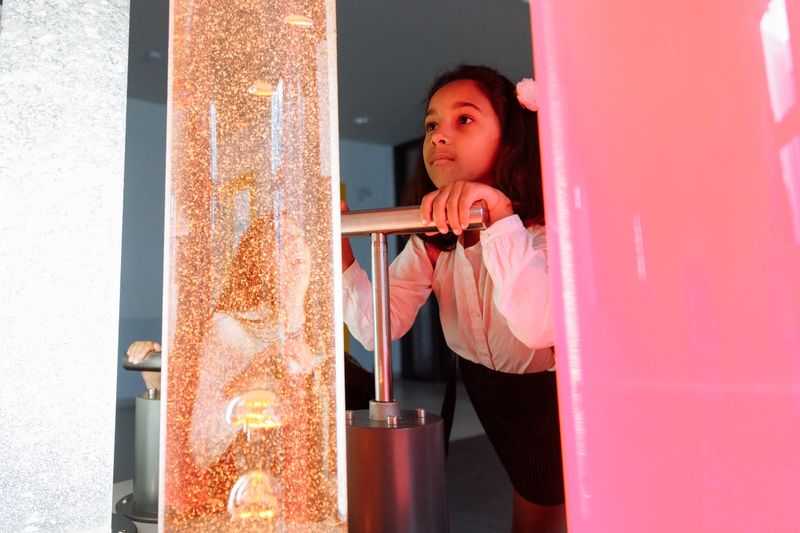
Parents whose children have sensory sensitivities should aim for weekday morning sessions. Weekend afternoons during school holidays get loud and crowded. If your child needs a calmer environment, a quick phone call to ask about quieter time slots is always worth five minutes — venue staff are usually happy to advise.
💡 Pro tip
Book Esplora workshops online before school holidays. Walk-ins are regularly turned away during peak summer weeks. The same applies to Jolly Jump — arrive before 10 a.m. on weekends to skip the longest queues.
Jolly Jump and outdoor activity parks
Jolly Jump Inflatable Water Park is the go-to outdoor option for kids roughly aged 4 to 12. It’s seasonal — typically open from late spring through early autumn — and the inflatable slides and splash zones are simple, fun, and well-supervised. It’s not a full theme park, but the fun-to-cost ratio is strong and the atmosphere is lively without crossing into chaotic.
Smaller-scale outdoor adventure parks and splash pools cluster around Mellieħa and Buġibba in the north, and they’re often shaded and structured in a way that bigger outdoor spaces aren’t. On a 36°C afternoon, a smaller venue with shade beats a bigger one without. For broader family-day-out ideas across the island, the things to do in Malta guide covers options that work well for mixed ages.
The Visit Malta Family Holidays directory from the Malta Tourism Authority is a useful planning starting point. Treat it as a map, not a guarantee — cross-reference each listing with recent Google Maps reviews to catch crowding patterns, parking issues, or hidden costs the official pages skip.
Which Malta beaches are best for kids?
Mellieħa Bay (Għadira) is the best Malta beach for families with young children, thanks to its wide sandy shoreline, genuinely gradual shallow entry that extends well offshore, seasonal lifeguards from June through September, and full facilities including showers, toilets, and equipment rentals. Golden Bay, St George’s Bay, and Ramla Bay on Gozo round out the practical family options for different ages and adventure levels.
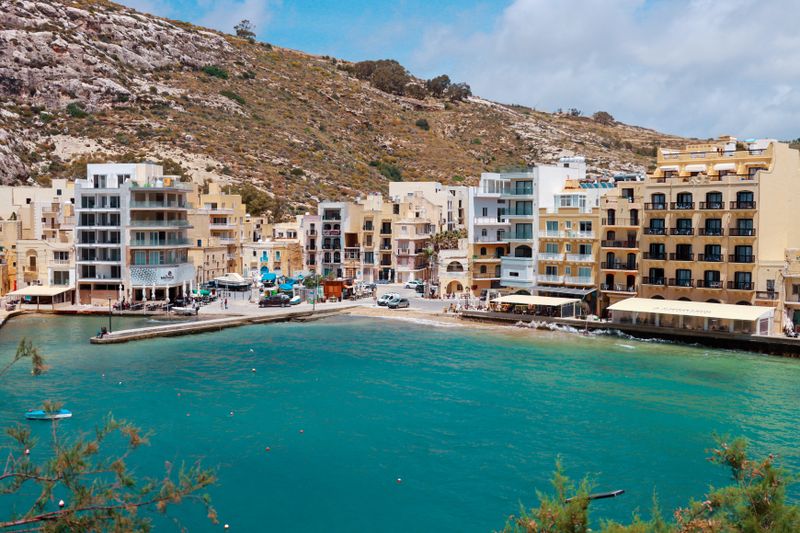
Not every Maltese beach is built for small children. The factors that actually matter for families are gradual shallow entry, lifeguard coverage, toilets and showers, and enough shade or shelter to escape the afternoon sun. Here’s how the most popular family beaches stack up:
A few practical notes that make beach days actually work with kids in Malta:
- Lifeguard coverage typically runs June through September, roughly 9 a.m. to 5 p.m. Outside those months you’re on your own — fine for older confident swimmers, less ideal for toddlers.
- Parking near popular beaches fills up by 9:30 a.m. on summer weekends. Earlier is always better.
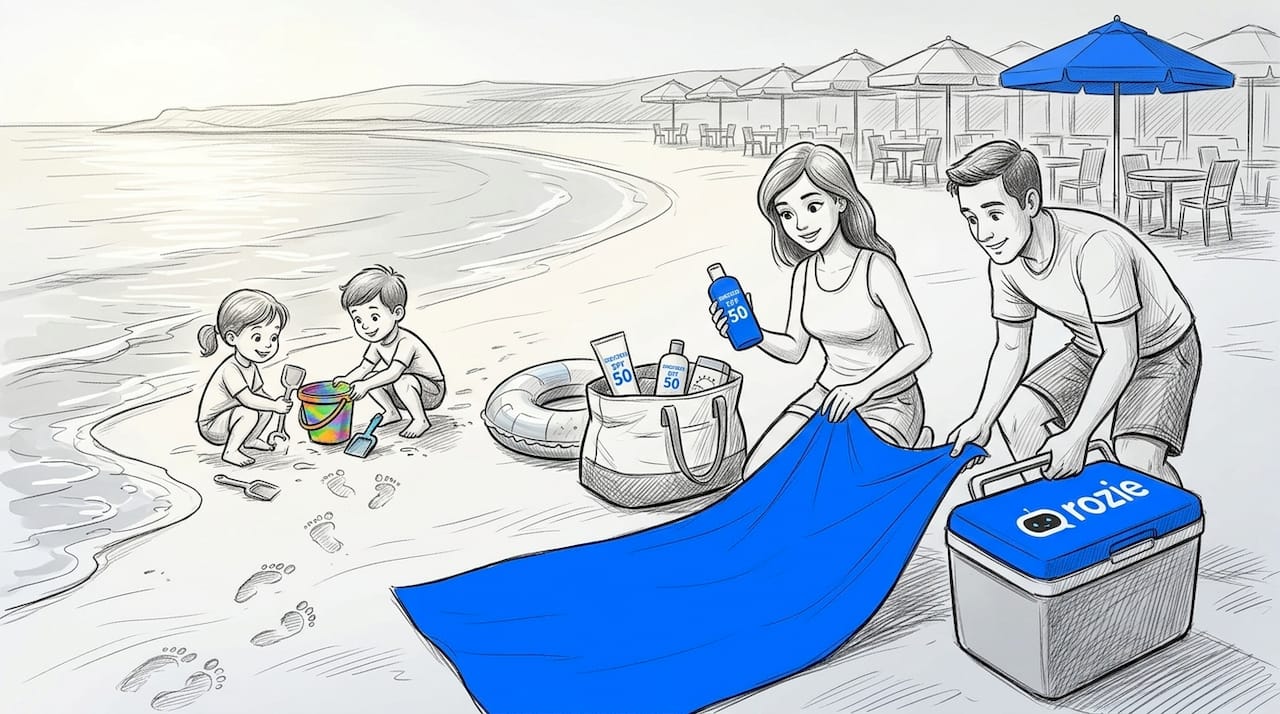
- Shade is limited at most Maltese beaches. A pop-up beach tent or large umbrella is essential kit, not a luxury — Malta’s UV index hits 10 throughout July.
- Water shoes are recommended at rockier spots like Ramla Bay and St Peter’s Pool, where the entry terrain catches little feet off guard.
- Salt and sand follow you home — pack a separate dry bag and consider a quick rinse at the beach showers before getting back in the car.
💡 Pro tip
Aim to arrive at 8:30 a.m. on summer beach days. You get cooler temperatures, easy parking, and you’re still covered when the lifeguards come on duty at 9. Pack up by 12:30 to avoid the worst of the midday sun and the lunch-hour crowds.
For a deeper dive into Malta’s full beach inventory — including the rocky coves, hidden bays, and Gozo’s standouts — the top beaches in Malta guide covers options beyond the family-focused list above.
Key takeaway: Mellieħa Bay is the safest pick for under-fives. Once kids hit confident-swimmer age, Golden Bay and Ramla Bay open up with more interesting terrain and better photos.
What is daily family life like in Malta?
Daily family life in Malta runs on Mediterranean rhythms — early mornings, long midday pauses, late evenings — and the families who thrive here are the ones who adapt rather than fight that rhythm. The pros are real: warm weather most of the year, an extraordinarily safe environment for kids, walkable towns, and a tight-knit community feel. The frictions are also real: traffic in St Julian’s at school pick-up, summer humidity peaking near 90%, parking that turns short errands into 40-minute missions, and infrastructure that varies by neighbourhood.
Here’s how Malta’s day-to-day reality compares with what most expat families are coming from:
For families on the fence about an expat move, the broader picture of why expats choose Malta covers the lifestyle trade-offs in more depth — including the parts that don’t always make it into the brochures.
Dust, humidity, and what they mean for daily routines
Malta’s combination of Saharan dust events (locally called il-qilla), 60–95% humidity through the autumn and winter months, and constant fine sand and salt residue from active outdoor life means most homes need more frequent surface wiping than parents are used to. Beach gear, school bags, sports kit — everything finds its way back into the kitchen. Building a quick five-minute reset into the daily routine, rather than letting it pile up to a weekend marathon, saves more sanity than any single product or gadget.
How do schools and childcare work for expat families?
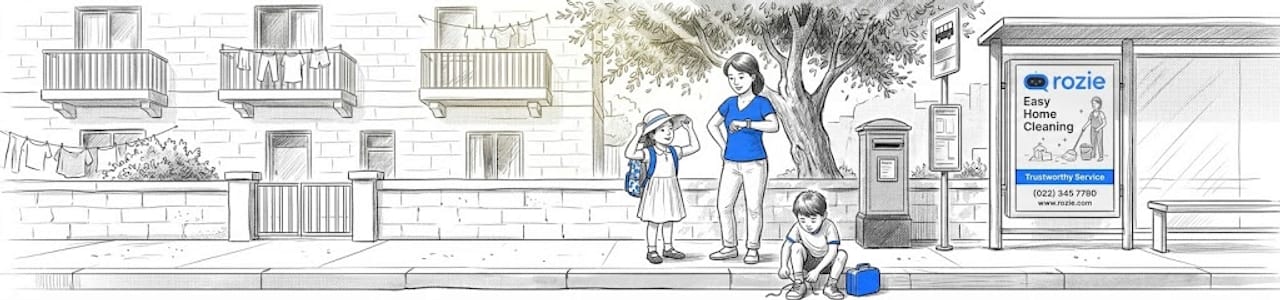
Malta runs a British-style education system with bilingual instruction in English and Maltese, free state schools open to expat residents, and a Free Childcare Scheme for children aged three months to three years where both parents are working or studying. Together, this combination is one of Malta’s strongest practical advantages for expat families — early-years care alone can cost €500–€1,500 per month elsewhere in Europe.
State, church, and independent schools
State schools are free and widely accessible across the island, with two kindergarten intakes per year (October and February) determined by the child’s birth month. Church schools — operated by the Catholic Church under a government agreement — also charge no formal fees, though parents are typically asked for an annual donation toward school costs and are responsible for uniforms and supplies. Independent and international schools charge fees and offer different curricula, including IB and British curriculum options that suit families planning shorter Malta stays.
Bilingual immersion is one of the underrated advantages of state schooling here. Expat children pick up Maltese fairly naturally through daily school exposure, while English-medium instruction means the academic side rarely suffers — a genuinely rare combination in Europe.
The Free Childcare Scheme
Launched in 2014, the Free Childcare Scheme administered by Jobsplus provides free childcare for children from three months until they’re eligible for state Kindergarten 1 (around age three). To qualify, both parents (or a single parent) must be in employment or pursuing recognised education. As of late 2023, 186 childcare centres participated in the scheme, and the programme covers staff costs and consumables — though parents still pay for outings, food, nappies, and registration fees.
💡 Pro tip
Book your childcare centre interview before you accept a job offer where possible. Spaces in popular Sliema, St Julian’s, and Mosta centres fill quickly, and your start date and working hours determine your scheme entitlement.
What do most guides miss about Malta for kids?
Most family guides describe Malta on paper, not as it actually plays out day to day. A “shallow-entry beach” is wonderful — provided lifeguards are on duty, facilities are open, and you’re not navigating 200 metres of packed sand with a stroller and a sweating toddler at 2 p.m. The gap between the official listing and the lived experience is the part that catches families out, and it’s worth knowing in advance.
Three honest observations from families who’ve been here a while:
🏠 Indoor anchors matter more than guides admit.
Malta’s summer heat isn’t a minor inconvenience — it’s a logistical force that reshapes your week. Esplora, the cinema in Pendergardens, family-friendly restaurants with play areas, and the larger shopping centres become essential parts of the family rotation, not just rainy-day backups.
🚗 Distances are short, journeys aren’t.
Malta is small enough that “across the island” is 25 km. But that 25 km can take an hour at school pickup or on a Saturday in summer. Plan around traffic patterns, not map distance.
🌊 The beach IS the activity.
Travelling parents often try to over-program a Malta trip. Don’t. Two beach mornings, an Esplora afternoon, a sunset walk in Valletta, and one boat trip is a full, memorable week. Less driving, more swimming.
Families who love Malta long-term are typically the ones who stop trying to replicate routines from London, Berlin, or Toronto and instead lean into the island’s pace — early starts, big lunches, quiet afternoons, and active evenings. That single mindset shift turns most of Malta’s quirks from frustrations into features.
How can families make daily life easier in Malta?
The families who manage Malta’s heat, sand, dust, and active-kid logistics best tend to share a handful of habits: they shift their schedule earlier, build a small but reliable network of trusted services, treat outdoor gear like a system rather than scattered items, and accept that some help — paid or traded — is part of staying sane through the summer months.
A few practical anchors that genuinely move the needle:
- Shift the day earlier. Get outdoor activities done before 10 a.m. or after 5 p.m. in summer. The middle of the day is for indoor venues, naps, and meals, not parks.
- Heat-proof the home. Blackout curtains, ceiling fans, and a working air-conditioning system are necessities, not luxuries. So is a humidity reading — anything above 70% indoors during winter calls for a dehumidifier or better ventilation to prevent mould on bedroom walls.
- Plan supermarket runs on weekdays. Sliema and Mosta supermarkets on a Saturday with a toddler are a uniquely Maltese form of stress test. Tuesday at 10 a.m. is bliss in comparison.
- Build a local parent network. The Malta expat parent groups on Facebook are genuinely helpful for school enrolment guidance, pediatrician recommendations, and trusted service providers — far more useful than generic search results.
- Outsource the things that drain you most. Whether that’s grocery delivery, a gardener, a babysitter, or a regular cleaner who handles the post-beach dust avalanche, picking one or two services to lift off your plate is the single biggest sanity move many Malta parents make.
For parents who want to fold in a couple of evenings off, the best restaurants in Malta guide covers family-friendly options where kids actually get welcomed rather than tolerated. And for the self-care side that often gets shelved with young kids, the wellness and recovery centres guide rounds up a handful of quiet places to recover an afternoon.
When the cleaning side is what’s pushing you over the edge
If there’s one chore that disproportionately wears down Malta parents, it’s the relentless trickle of sand, dust, and salt that follows kids home from beaches, parks, and school. Finding a reliable cleaner the traditional way — scrolling Facebook groups, calling agencies, chasing quotes, and hoping the person who shows up is actually trustworthy — eats hours that you don’t have.
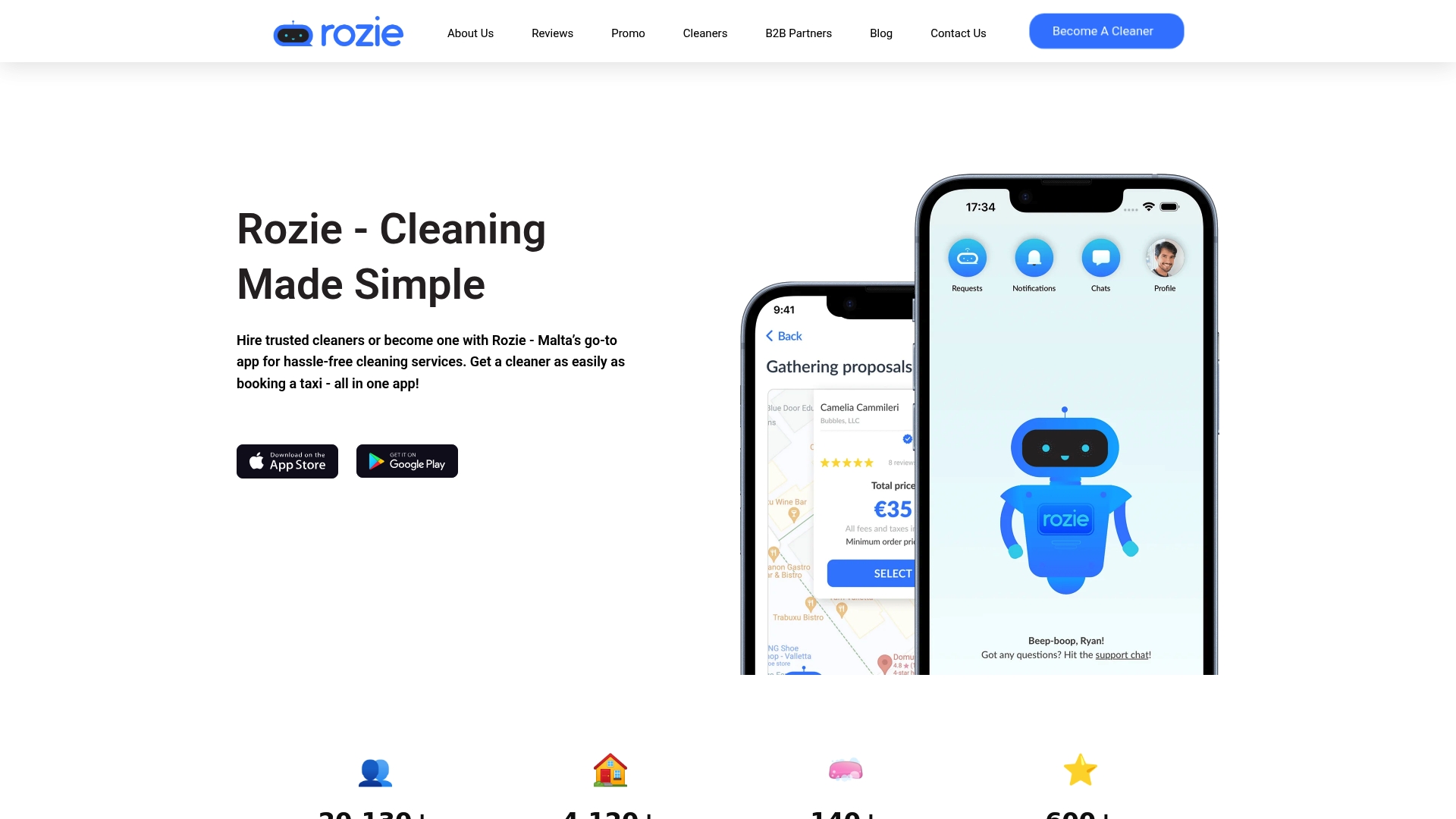
Most busy parents don’t have time for that, and it’s exactly the problem Rozie was built to solve. No calls, no chasing. You pick a date, select your extras, and within minutes verified cleaners send you competitive offers with the exact price for the job. Compare, accept, done. Every booking is backed by up to €1,000,000 in professional liability insurance underwritten by Lloyd’s. Here’s the full booking process in under 60 seconds:
Get Cleaning Offers on Rozie →
Family takeaway: The Malta parents who stay sane long-term aren’t the ones doing it all themselves. They’re the ones who picked one or two recurring tasks to outsource — and bought back their evenings.
Beyond cleaning, the wider Cleaning in Malta resource library covers practical home and lifestyle topics specific to island life — from limestone floors to humidity management — that occasionally come up in unexpected ways once you’re settled in.
Frequently asked questions
Are there free childcare options for children under three in Malta?
Yes. The Free Childcare Scheme, administered by Jobsplus, provides free childcare from age three months until kindergarten eligibility (roughly age three) for children whose parents are both in employment or pursuing recognised education. Single parents in work or study qualify on the same basis. The scheme covers staff costs and consumables but not food, nappies, or outings.
Which Malta beach is best for young children?
Mellieħa Bay (Għadira) is the most family-friendly beach for under-fives. Its very gradual shallow entry, wide sandy area, seasonal lifeguards, and full facilities (showers, toilets, equipment rentals) make it the safest practical choice. Golden Bay is a strong second pick for confident swimmers and older kids.
Is Malta a good place for expat families with kids?
For most families, yes — particularly the combination of bilingual schooling, free early childcare for working parents, very high day-to-day safety, and excellent beach access is hard to beat in Europe. The honest trade-offs are intense summer heat, traffic congestion in popular zones, and infrastructure that varies by neighbourhood. Families who plan around the climate and choose their locality carefully tend to thrive long-term.
Are there indoor attractions in Malta for kids during the heat?
Yes. Esplora Interactive Science Centre in Kalkara is the standout indoor venue, with over 200 hands-on exhibits, a digital planetarium, rotating workshops, and full air conditioning. Larger shopping centres (The Point in Sliema, Pavi/Pama) and family-friendly cinemas round out the indoor options on the hottest days.
How do families cope with Malta’s summer heat and humidity?
The local pattern is simple: schedule outdoor activities for early morning (before 10 a.m.) or late afternoon (after 5 p.m.), and use indoor venues, naps, or pool time during the midday window. At home, blackout curtains, working AC, and active humidity management make the difference between sleeping well and tossing all night. Building these habits in your first summer pays off for years.
Can expat children attend Malta state schools for free?
Yes. State schools are free for residents, including expat families. There are no fees, including for exams, though parents pay for uniforms, stationery, lunches, and outings. Church schools also charge no formal fees but typically request an annual donation. Independent and international schools charge fees that vary by curriculum and school.
Is Malta’s traffic a real problem for school runs?
Yes — particularly in St Julian’s, Sliema, and along the coastal road in summer. Most parents who drive to schools in these zones build in 15–30 minutes of buffer for morning runs. Many families with kids in central schools deliberately choose homes within a 15-minute walk to avoid the daily traffic battle entirely.
Recommended
- Best Malta Beaches 2026: Sandy, Rocky & Hidden Gems
- Things to Do in Malta 2026: Insider Guide for Visitors & Residents
- 7 Smart Things To Do in Malta for Busy Professionals | Rozie – Malta’s Best Cleaning Services
- Malta Country: Why Expats Choose Island Life | Rozie – Malta’s Best Cleaning Services
- Family-friendly beaches and luxury resorts in Rhodes and Crete – Longevity Travel