


In this guide
What documents do you need for Malta utilities setup?
How do you register electricity and water with ARMS Ltd?
What are the internet and telecom options in Malta?
How does gas supply work in Malta?
What mistakes cost new residents the most money?
What documents do you need for Malta utilities setup?
Malta utilities setup runs on five documents: your ID or passport, the signed rental contract, your landlord’s ID copy, the property’s electricity and water meter numbers, and meter readings photographed on move-in day. Form H – the residency declaration signed by both tenant and landlord – is the paper that secures the lower residential tariff with ARMS Ltd.
Getting the paperwork together before you contact anyone saves repeat trips. Private residential leases must be registered by the landlord with the Housing Authority under the Private Residential Leases Act (Cap. 604), so a compliant, registered contract is both your legal protection and your proof of tenancy when you deal with ARMS.
The two-form rule.
Form H changes your tariff status; Form F changes the account holder. Many tenancies need both – Form F to move the account into your name, Form H to register the people actually living there.
Coordinating with your landlord before move-in day is not optional. Utility responsibilities in rental agreements vary widely – some landlords keep the ARMS account in their name and recharge you, others transfer it entirely – so get the arrangement in writing before you sign the lease. If you are still flat-hunting, our honest guide to finding an apartment in Malta covers what a compliant contract should contain.
How do you register electricity and water with ARMS Ltd?
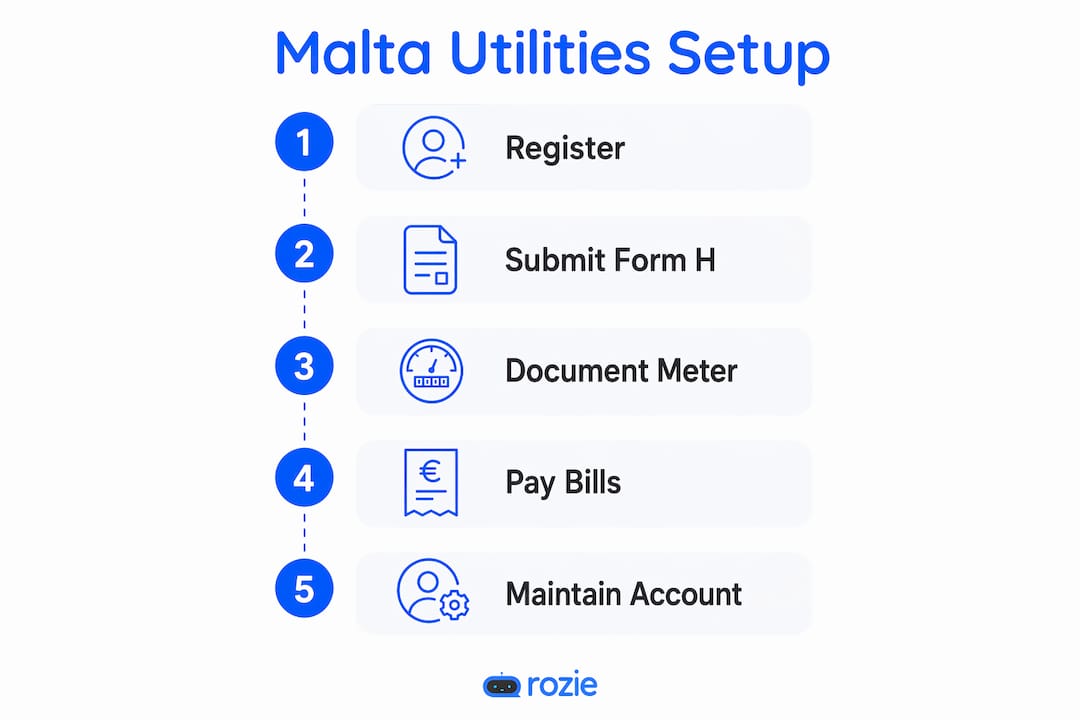
You register electricity and water through ARMS Ltd, the state entity – jointly owned by Enemalta and the Water Services Corporation – that handles all utility billing in Malta. There is no alternative supplier to compare. Apply online at arms.com.mt, submit your move-in meter readings, choose a payment method, and file Form H in the same submission.
Follow these steps to register your account:
- Gather all documents listed above, including signed Form H and both ID copies.
- Apply through the ARMS portal, by email to customercare@arms.com.mt, or in person at an ARMS Customer Contact Centre – call freephone 8077 2222 to confirm current locations and requirements.
- Submit your meter readings at the time of registration so billing starts from your numbers, not the previous tenant’s consumption.
- Set up your payment method. Direct debit is the one worth choosing: ARMS applies a 2% discount (minimum €3) on every invoice paid by direct debit, and payment is only taken 15 days after the bill is issued.
- File Form H immediately – with the registration, not after the first bill arrives.
The residential tariff prices electricity in progressive annual bands, starting at €0.1047 per kWh for the first 2,000 units and climbing through €0.1298 and €0.1607 toward €0.3420 as consumption rises, with the yearly quota split pro rata across each billing period. Without Form H the account sits on the higher domestic tariff and loses the eco-reduction rebate, and every additional resident you register widens your share of the cheaper bands under the system that escalates rates as usage climbs. Registering the whole household from day one is the single most effective cost control available to you.
ARMS bills electricity and water together, with invoices arriving roughly every two months. Most Maltese meters are now read remotely, but check the reading code on each bill: an “A” means an actual reading, while “E” or “N” flags an estimate you can correct by submitting your own reading through the ARMS portal.
Pro tip
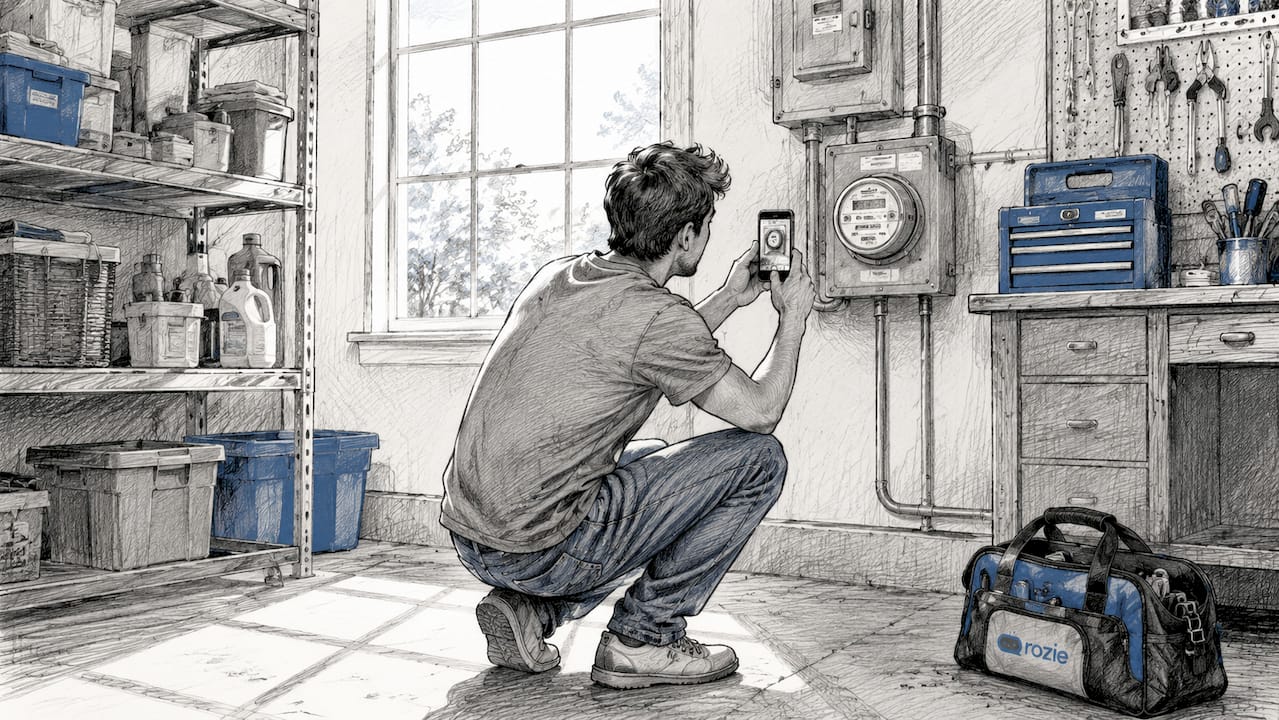
Take timestamped photos of both the electricity and water meters on move-in day, then have your landlord sign a printed copy of those readings. Ten minutes of paperwork creates the evidence trail that settles any billing dispute later.
What are the internet and telecom options in Malta?
Malta has three main telecom operators – Melita, GO, and Epic – all offering fibre broadband, mobile plans, and bundles with TV. Unlike electricity and water, this is a genuine choice: typical fibre packages run €25-€50 per month, and ordering online before you arrive means the installer can come during your first days on the island.
Key points to know before you order:
- Melita advertises same-day fiber installation for weekday orders placed before 11:00 AM; standard lead time is about a week.
- GO is the legacy national telecoms operator with strong coverage across the island, including quieter residential and rural areas.
- Epic is strongest in mobile and also sells home internet plans; its SIM deals are popular with new arrivals.
- Bundles combining home fibre, mobile SIM, and TV are widely available and usually cheaper than separate subscriptions.
- Wired beats wireless in apartment blocks: an ethernet connection is noticeably faster and more stable than Wi-Fi where dozens of routers interfere with each other.
Pro tip
Order your internet before you fly. Melita and GO both take online orders, and scheduling installation for your first or second day means you are connected from the start rather than tethering to mobile data for a week.
If you need connectivity the moment you land, both Melita and GO have retail points at Malta International Airport for a local SIM, and an eSIM from your home carrier bridges the first few days. For anyone moving to Malta with remote-work commitments, internet setup belongs on the pre-arrival checklist, not the post-arrival one.
How does gas supply work in Malta?
Malta has no natural gas pipeline network. All household gas comes as bottled LPG from two suppliers – Liquigas (green cylinders) and Easygas (grey) – in 12kg and 15kg sizes for home use, with maximum retail prices regulated by REWS. A standard 12kg cylinder costs roughly €15-€19, and many newer apartments skip gas entirely in favour of electric hobs.
How cylinder life works in practice:
- Cylinder exchange is the routine. Swap an empty bottle for a full one at supermarkets, fuel stations, hardware shops, or the fixed points of sale suppliers run in most localities.
- Delivery comes to you. Both suppliers deliver to the door, and many residents simply flag down the gas truck making its rounds through the neighbourhood – you will hear its horn before you see it.
- Expect a deposit. The first cylinder under a new service contract carries a refundable deposit of around €30, plus a small delivery or service charge.
- Store it safely. Cylinders must stand upright in well-ventilated areas – never in enclosed, unventilated spaces – with the valve closed when not in use.
- Check your hob first. Modern apartments frequently come fitted with electric cooktops rather than gas, so confirm what your kitchen uses before budgeting for cylinders.
If your flat does have a gas hob, ask the landlord which supplier the regulator fits, where the nearest exchange point is, and whether a full cylinder is included at the start of the tenancy – a half-empty bottle discovered mid-way through your first dinner is a classic move-in surprise.
What mistakes cost new residents the most money?
The most expensive mistake in Malta utilities setup is not filing Form H, which leaves the account on the higher domestic tariff for the whole tenancy. The second is skipping meter documentation on move-in day, which makes it hard to prove you did not consume the previous tenant’s units. Both take minutes to avoid and months to unwind.
For a household running air conditioning through a Maltese summer, the tariff gap adds up quickly – and because ARMS applies corrections from the date the paperwork is filed, months of overpayment are rarely recovered in full. Meter documentation is the same story: ARMS bills on readings, and without a timestamped record of where the meters stood when you got the keys, disputing inherited consumption is an uphill argument.
Practical cost management tips:
- Register every resident on Form H. Each additional registered person expands your access to the cheaper consumption bands under the progressive tariff system and increases the eco-reduction rebate.
- Set air conditioning to 24°C or above. AC is the single largest driver of Malta electricity bills from June through September – our summer survival guide for residents covers how locals keep the spike manageable.
- Spread out heavy appliance use. Malta’s bands are based on how much you consume in a billing period, not when, so a washing-machine-and-dishwasher-marathon week pushes units into the pricier bands faster than steady use does.
- Put utility responsibility in the lease. Some landlords include utilities in rent, others recharge ARMS bills at cost – ambiguity here is one of the most common sources of tenant disputes.
Combined monthly costs for a medium-sized apartment – electricity, water, gas, and internet – run from €140 to €310 depending on season and household size, with electricity taking the largest share. Budgeting toward the top of that range for summer is realistic, and for the wider picture of living costs in Malta, factoring utilities in from the start prevents budget surprises.
One more move-in-day economy: an empty flat is the quickest and least expensive state to deep clean. On Rozie, verified cleaners send offers with exact prices within minutes of posting the job, so a pre-unpacking clean slots neatly between key handover and the furniture van.
Pro tip
Check the reading code on every ARMS bill. If you see “E” for estimate, submit your actual reading through the ARMS portal before paying – estimated bills in low-usage months build up credit that takes billing cycles to claw back.
Key takeaways
Successful utility setup in Malta comes down to filing Form H immediately, documenting meters on day one, ordering internet before you arrive, and knowing that gas means cylinders, not pipes.
Key takeaway: Malta rewards doing utility admin in the right order – Form H and meter photos on day one, direct debit for the 2% discount, and internet ordered before your flight lands.
Getting your new Malta home move-in ready
Utilities are the paperwork half of moving in. The other half is the state of the flat itself – construction dust, hard-water film on the bathroom glass, whatever the previous tenant left behind.
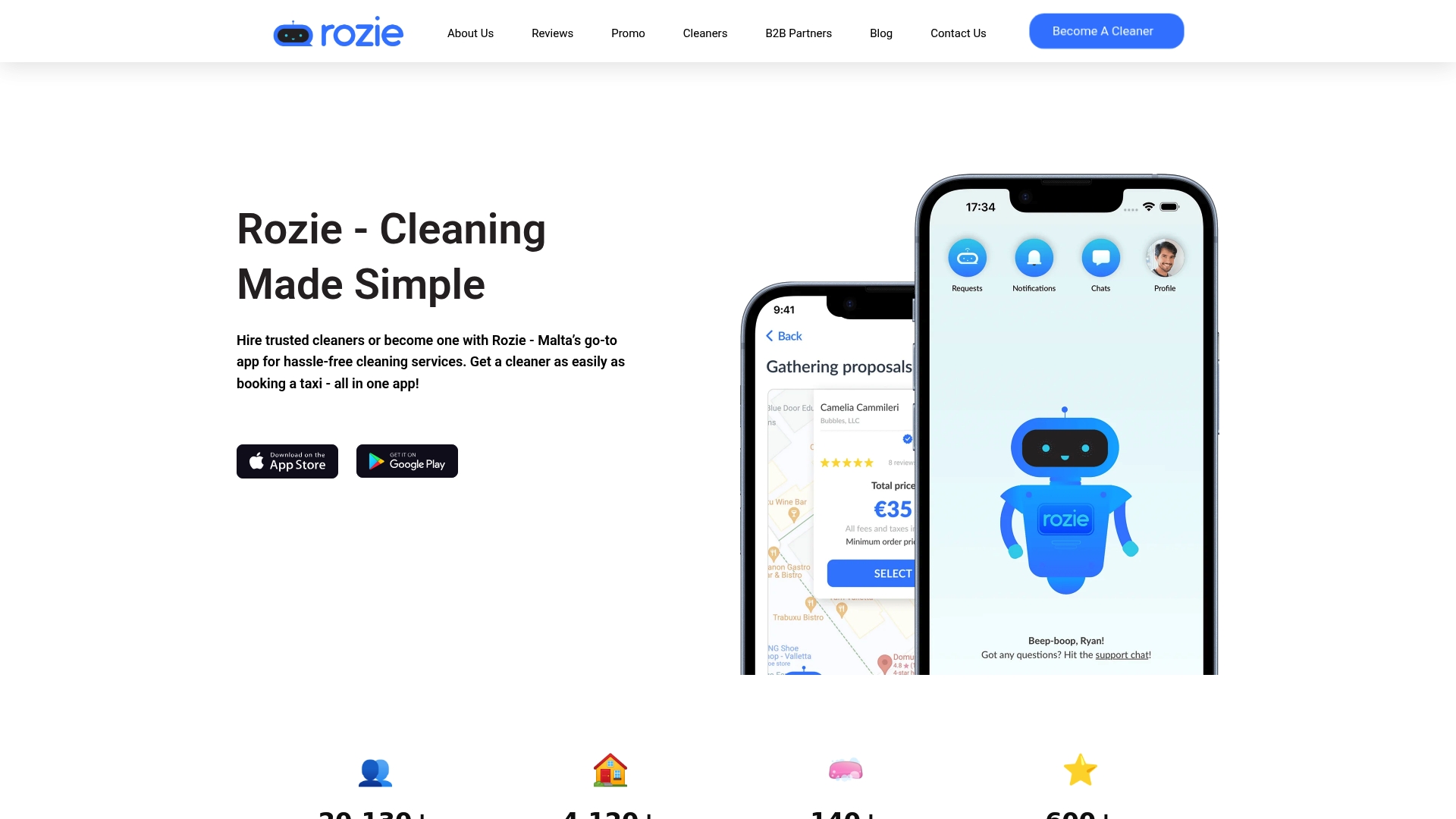
The traditional fix means scrolling Facebook groups, messaging numbers, and chasing quotes during your busiest week. Rozie removes that friction: you post the job once, pick a date and any extras, and verified cleaners send you offers with exact prices, typically within 5-15 minutes, before you accept. Every booking carries 7-day payment protection and up to €1,000,000 in professional liability insurance underwritten by Lloyd’s Insurance Company S.A., with Rozie covering any deductible so you pay no excess.
Here is the whole booking process in under 60 seconds:
Compare Cleaning Offers on Rozie ->
Whether you want a one-off deep clean before unpacking or regular help once you are settled, booking a verified cleaner takes minutes. Typical prices are in the Malta cleaning cost guide, and more local home guides live in the cleaning in Malta section.
Frequently asked questions
What is Form H and why does it matter for utility bills?
Form H is the residency declaration submitted to ARMS Ltd that qualifies your account for the lower residential electricity and water tariff and the eco-reduction rebate. Without it, the account defaults to the higher domestic rate, and ARMS only corrects bills issued after the form is filed.
How do I set up electricity and water in Malta?
Register with ARMS Ltd online at arms.com.mt, by email, or at a Customer Contact Centre. Submit your ID, rental contract, landlord’s ID copy, move-in meter readings, and a completed Form H at the time of registration.
Which internet providers operate in Malta?
Melita, GO, and Epic are the three main providers, all offering fibre broadband from roughly €25-€50 per month. Melita advertises same-day installation for weekday orders placed before 11:00 AM, and GO has strong island-wide coverage including rural areas.
Does Malta have mains gas supply?
No. Malta has no natural gas pipeline network, so cooking and heating gas comes from bottled LPG cylinders supplied by Liquigas and Easygas, exchanged at retail points or delivered to your door. Many modern apartments use electric cooktops instead.
How much should I budget for utilities in Malta each month?
Combined monthly costs for electricity, water, gas, and internet in a medium-sized apartment typically range from €140 to €310, depending on household size, season, and usage habits. Electricity is the largest share, and summer air conditioning pushes bills toward the top of the range.
Can I book a cleaner for move-in day?
Yes. On Rozie, you post the job with your move-in date and any extras, and verified cleaners reply with offers showing the exact price, typically within 5-15 minutes. An empty apartment is the quickest state to deep clean, so most people schedule it just before the furniture arrives.
Recommended
- How many apps do you actually need to live in Malta? | Rozie – Malta’s Best Cleaning Services
- What does it really cost to live in Malta in 2026? | Rozie – Malta’s Best Cleaning Services
- Malta Country: Why Expats Choose Island Life | Rozie – Malta’s Best Cleaning Services
- Malta Public Transport: Areas, Zones & Routes (2026)