

A deep house cleaning is a top-to-bottom, detail-focused clean that reaches areas routine cleaning skips: behind appliances, grout lines, air vents, upholstery and baseboards. It benefits pet owners, allergy sufferers, and anyone who has not moved the couch in a year. A full-home deep clean typically takes a single long day or gets staggered across a few sessions, room by room.
TL;DR:
- Deep cleaning includes hard-to-reach areas like inside appliances, grout lines, vents, and upholstery, which regular cleaning rarely covers.
- Homes with pets, children, or allergy sufferers should deep clean every three months, while low-traffic homes can extend to once a year.
- A full deep clean typically takes a day but can be divided into sessions over several weekends to reduce fatigue.
- Proper prep, such as decluttering and gathering supplies beforehand, significantly shortens cleaning time and improves results.
- Hiring professional cleaners is beneficial for large or heavily soiled homes, especially for those with mobility issues or limited time, with vetted services like Rozie ensuring quality.
Table of Contents
- What Is Deep Cleaning in Housekeeping, and How Is It Different From Regular Cleaning?
- The Room-by-Room Deep Cleaning Checklist
- How Often Should You Deep Clean, and How Long Does It Take?
- How to Prep for a Deep Clean So It Actually Goes Faster
- The Tools and Products That Make the Biggest Difference
- Should You Hire a Professional or Deep Clean the House Yourself?
- Which Approach Actually Fits Your Household
- Book a Verified Deep Clean Through Rozie
- Sources
- FAQ
What Is Deep Cleaning in Housekeeping, and How Is It Different From Regular Cleaning?
Regular cleaning keeps a home looking tidy week to week: wiped counters, vacuumed floors, emptied trash. Deep cleaning goes underneath and behind that surface layer to reach spots regular cleaning never touches — inside the oven, behind the refrigerator, along baseboards, and inside air vents.
That gap matters more than it sounds. Dust, pet dander, and grease build up in those hidden zones over months, and they feed directly into what you breathe indoors. The EPA’s indoor air quality guidance points to dust and airborne allergens as a real contributor to indoor pollution, which is one reason deep cleaning gets recommended more often in homes with kids, pets, or allergy sufferers.
Keeping up with weekly or biweekly cleaning also makes the eventual deep clean faster, since it prevents the kind of heavy buildup that turns a one-day job into a weekend project.
The Room-by-Room Deep Cleaning Checklist
What does a deep clean actually consist of once you get into each room? Professional guidance tends to agree on the same target zones, even if the order shifts slightly from one cleaner to the next.
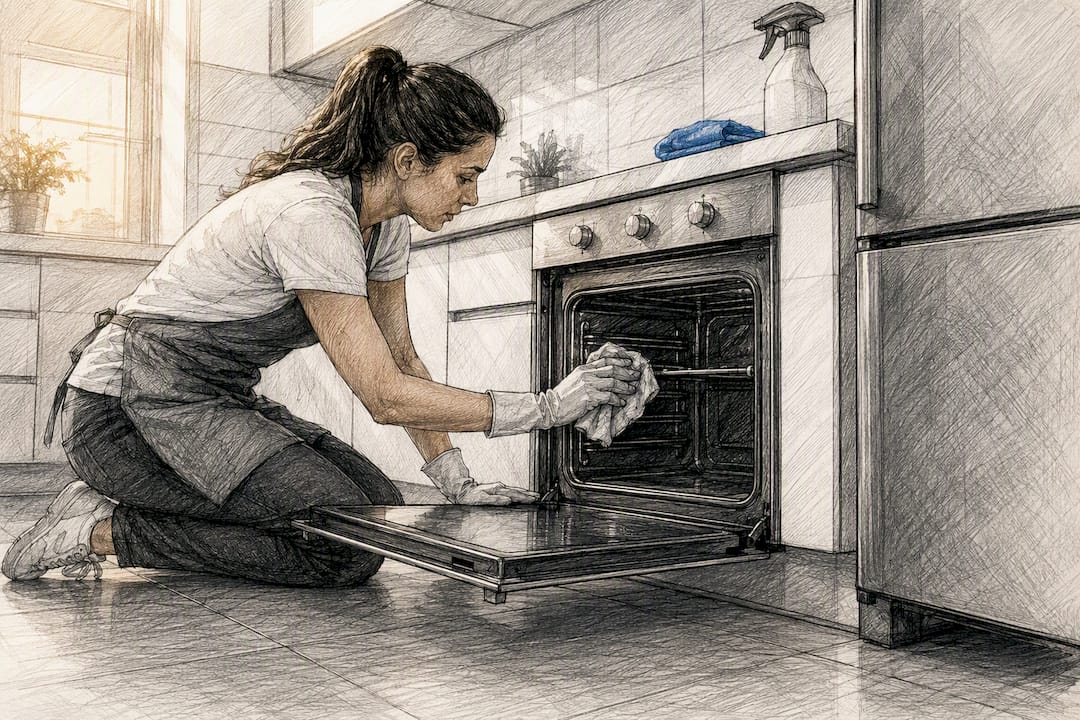
Kitchen. The oven interior, the inside of the refrigerator, and the space underneath both appliances collect grease and crumbs that a weekly wipe-down never reaches. Add cabinet fronts, the backsplash, and degreasing around the stovetop.
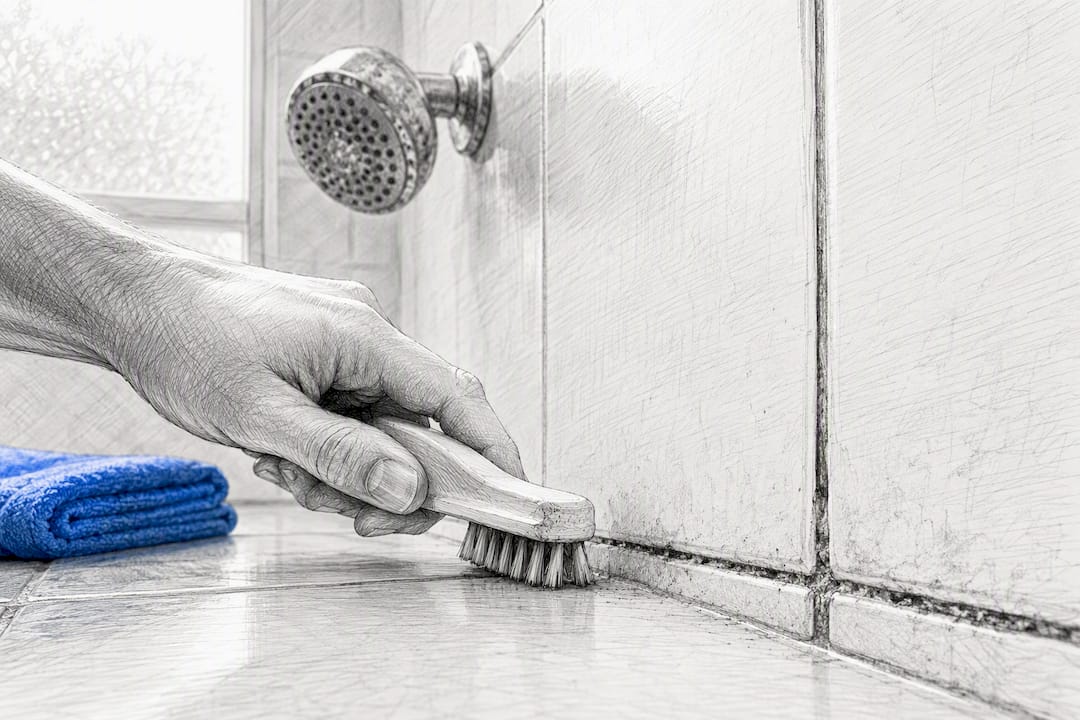
Bathrooms. Grout lines darken faster than most people notice, and showerheads clog with mineral deposits that reduce water pressure. A deep clean also means pulling toilets away from the wall (or reaching behind them) and sanitizing high-touch surfaces like light switches and door handles.
Bedrooms. Bedding gets a full wash, mattresses get vacuumed to pull out dust mites, and curtains or blinds get wiped down. Closets get emptied enough to vacuum the floor and wipe the shelves.
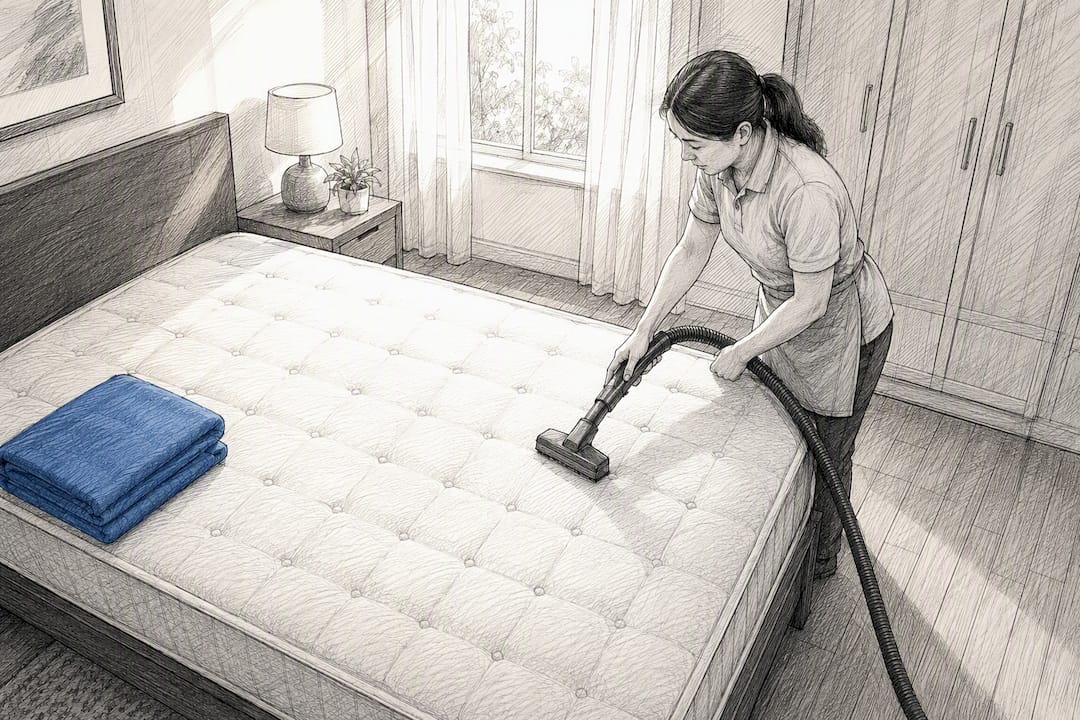
Living areas. Upholstery needs vacuuming on top and underneath the cushions, where crumbs and coins collect. Ceiling fans, window tracks, and rugs or carpets round out the list, with carpet shampooing reserved for a true deep clean rather than a quick vacuum.
Everywhere else. Vents and filters, baseboards, door frames, and basic garage or patio upkeep close out the checklist. These are exactly the hidden accumulation areas that separate a deep clean from routine tidying.
- Oven, fridge interior, and behind/under both appliances
- Grout, showerheads, and behind-toilet zones
- Mattress vacuuming and closet floors
- Upholstery cushions, ceiling fans, and window tracks
- Vents, filters, and baseboards throughout
Pro Tip: Tackle vents and ceiling fans before floors. Dust falls, and cleaning top-to-bottom means you never have to re-vacuum a floor you already finished.
If you want a printable version of this exact breakdown, Rozie’s deep cleaning checklist walks through the same seven steps in order.
How Often Should You Deep Clean, and How Long Does It Take?
Most homes do well with a deep clean every three to six months, a cadence that cleaning professionals frequently cite as the practical sweet spot. Low-traffic homes without pets or kids can often stretch that to once a year.
Households with pets, young children, or allergy sufferers usually need it more often, since dander and allergens accumulate faster in those homes. A whole-home deep clean generally takes a long day for an average-sized house, but splitting the checklist across a few weekends, one room at a time, gets the same result with far less burnout.
How to Prep for a Deep Clean So It Actually Goes Faster
Order matters as much as effort. Skipping prep is the single biggest reason a deep clean runs long or gets abandoned halfway through.
- Declutter every surface first. A cluttered counter or floor adds real time to the job and reduces how thoroughly you can actually clean it.
- Start laundry early so bedding and curtains are washing while you tackle other rooms.
- Gather every tool and product before you start, rather than hunting for the grout brush mid task.
- Work top to bottom in each room, and move clockwise to avoid re-soiling a spot you already finished.
- Protect delicate surfaces and wear gloves or a mask if you are using strong degreasers or mold treatments.
The Tools and Products That Make the Biggest Difference
A HEPA vacuum pulls far more dust and allergens out of carpet and upholstery than a standard model, which matters most for allergy-prone households. Steam cleaners sanitize grout, tile, and even mattresses without relying on harsh chemicals, and microfiber cloths trap dust instead of just pushing it around.
For products, keep a degreaser for kitchen surfaces, a dedicated grout cleaner for bathrooms, and a disinfectant for high-touch areas. Always check ventilation and avoid mixing chemical cleaners. Carpet shampooers and power washers are worth renting rather than buying if you only need them once or twice a year. Rozie’s cleaning supplies checklist lists the full kit if you are stocking up from scratch, and a resource like this room-by-room upgrade guide is useful if you are pairing a deep clean with any accessibility updates around the house.
Should You Hire a Professional or Deep Clean the House Yourself?
The decision usually comes down to time, physical ability, and how bad the buildup actually is. Moving heavy appliances, treating deep-set stains, or dealing with mold all tip the scale toward hiring help.
- Limited time or a large home favors a professional crew that can split the checklist across multiple people.
- Mobility limitations make appliance moves and ceiling fan work genuinely risky to DIY.
- Embedded stains, mold, or heavy grease buildup often need professional-grade equipment.
- A one-off deep clean before moving or hosting is usually cheaper than buying rental-grade tools you will use once.
Specialized equipment like HEPA vacuums and carpet shampooers used by professional crews removes a meaningfully higher share of embedded allergens than typical home tools manage on their own, which is worth weighing against the cost of a one-time visit.
Which Approach Actually Fits Your Household
A busy professional with little free time gets the most value from hiring a crew for the full checklist in one visit. An allergy household benefits from a shorter, more frequent cadence, closer to every three months than every six. A confident DIYer with a weekend to spare can absolutely handle the checklist above, provided they stick to the prep order and do not skip the vents. Whichever route you take, a vetted option like Rozie exists precisely because sourcing a reliable cleaner should not be the hard part of any of this.
— Alex
Book a Verified Deep Clean Through Rozie
Rozie is the alternative to guessing whether a cleaner will actually show up prepared for the job you booked. Every cleaner and cleaning company on the app is background checked before they ever appear in your search results, and every booking comes with payment protection and support available seven days a week.
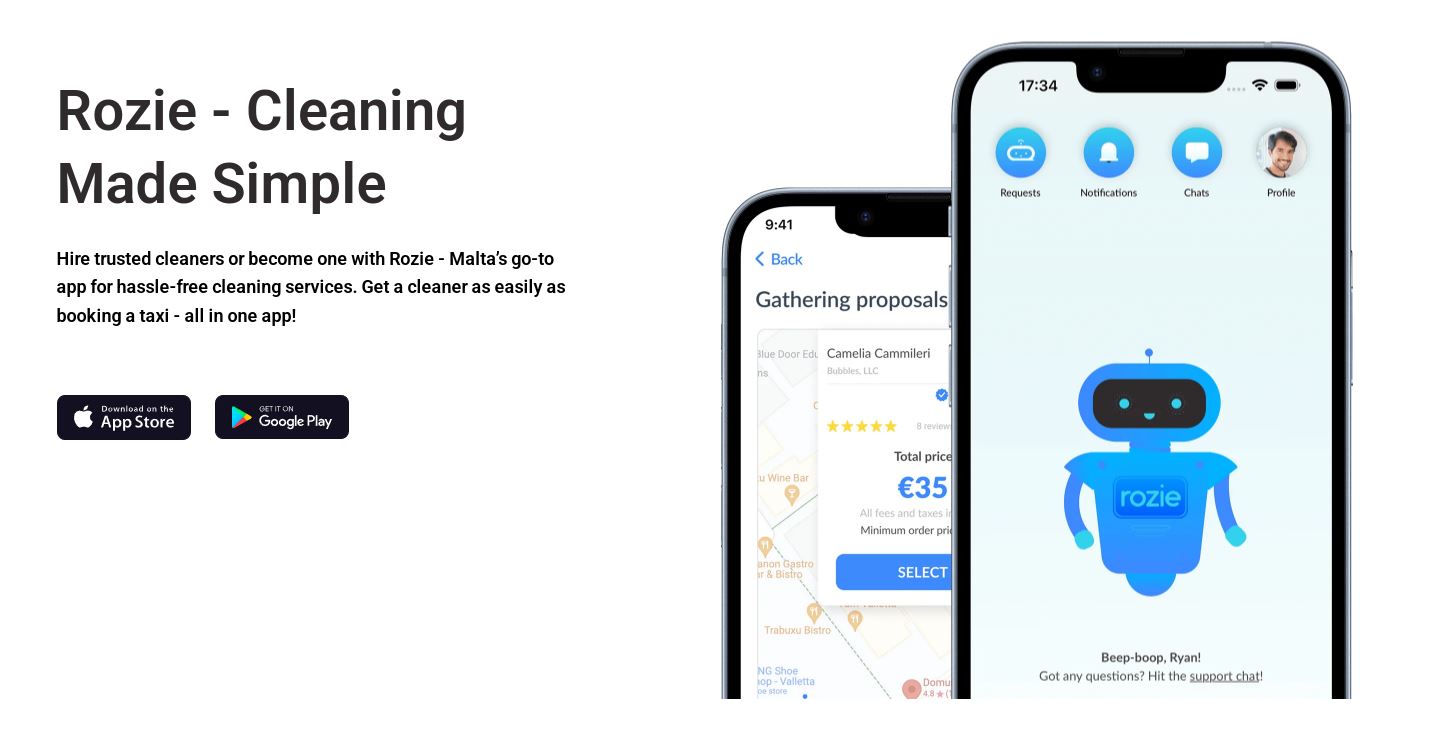
You can add the exact extras this checklist covers, fridge interiors, ovens, window tracks, straight from the booking screen, and compare offers from multiple verified cleaners before you commit to one. If your home fits the every-three-to-six-month cadence covered above, book a deep clean in Malta and get matched with someone who already knows this checklist by heart.
Sources
- How often should you deep clean your home? | Homes and Gardens
- A complete guide for deep cleaning every room in your home | The Spruce
- Indoor air quality | EPA
- How often should you deep clean your house? | Southern Living
FAQ
What Does a Deep Clean Include That Regular Cleaning Doesn’t?
A deep clean includes inside appliances, grout scrubbing, vent cleaning, baseboards, and upholstery, all areas routine cleaning typically skips.
How Long Does a Typical Deep House Cleaning Take?
A whole-home deep clean generally takes a full day, though many households stagger it across a few weekends by room instead.
How Often Should You Deep Clean Your House?
Most guidance points to every three to six months, with pet owners and allergy sufferers often needing it closer to the three-month mark.
Is It Worth Hiring a Professional for a Deep Clean?
It is worth it when you lack the time, physical ability, or equipment for tasks like moving heavy appliances or shampooing carpet, and a vetted service like Rozie connects you with cleaners who already handle those tasks routinely.
What Should You Do Before Starting a Deep Clean?
Declutter every room first, start laundry early, and gather all your supplies before you begin, since decluttering alone meaningfully speeds up the job.