


In this guide
What legal steps must you complete before moving to Malta?
How do you sort accommodation and the essentials when you arrive?
Which registrations matter most in your first month?
How do you handle finances, healthcare, and settling in?
What common pitfalls should you avoid?
What legal steps must you complete before moving to Malta?
Your residency route is the first and most important decision, because it determines every document, fee, and deadline that follows. EU, EEA, and Swiss nationals can move freely and simply register with Identità after 90 days. Non-EU nationals need an approved permit before they travel — usually a Single Permit, a Nomad Residence Permit, or the investment-based MPRP.
The right route depends on your income source and whether you have a Maltese job offer. Here is how the main options compare in 2026:
Non-EU first-time applicants must also complete a mandatory pre-departure orientation course, which costs €250 and has been required for still-abroad applications since 1 March 2026. You can confirm the current process and fees on the official Identità Single Permit page, and remote workers can check the income rules on the Residency Malta Nomad Permit page.
Document preparation is where most people lose time. Gather your passport, birth certificate, marriage certificate (if relevant), and a police conduct certificate from your home country well before departure. Any document not in English or Maltese needs a certified translation and an Apostille before Identità will accept it.
What is an Apostille?
It is an international authentication stamp under the Hague Convention that verifies a foreign public document. Identità will not process foreign certificates without it, so order your Apostilles in your home country before you fly — they cannot be added after you arrive.
Pro tip
Start your Apostille process at least eight weeks before your planned move. A police conduct certificate alone can take four to six weeks to issue in some countries.
How do you sort accommodation and the essentials when you arrive?
Housing is the most time-sensitive task after you land, and renting unseen from abroad is genuinely risky in Malta. Good listings disappear within days, and landlords favour applicants who can view in person. Book two to four weeks of temporary accommodation — a serviced apartment or an Airbnb — view properties yourself, then sign a lease you actually trust.
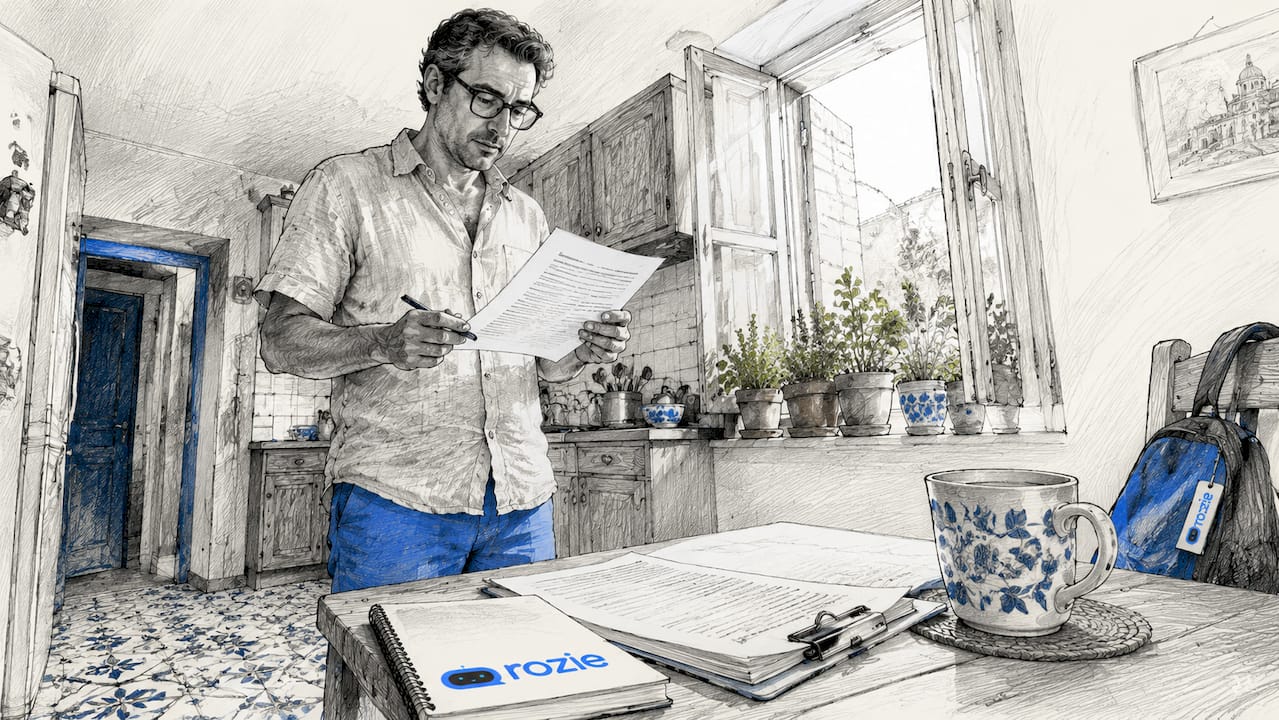
Once you sign a long-term lease, one legal step cannot be skipped: registration with the Housing Authority. Under Malta’s Private Residential Leases Act (Cap. 604), the landlord must register the contract within 10 days of the lease starting, and the standard fee is €10. This is the owner’s legal responsibility rather than yours, but confirm it has been done through the official rent registration portal — an unregistered lease is legally void, and you will need the registration for your eResidence application. For a deeper walkthrough of viewings, deposits, and contracts, see our honest Malta rental guide.
With a roof sorted, the rest of your first week is about getting connected. Here is a practical sequence:
Broadband through GO, Epic, or Melita usually needs a technician visit and takes one to three weeks from the order date, so book it the moment your lease is signed rather than working from a mobile hotspot for a fortnight. If you are still deciding which locality suits you, our guide to the best places to live in Malta for expats breaks the main areas down by lifestyle, cost, and noise.
Pro tip
If you are importing a vehicle, contact Transport Malta early. Registration involves an inspection, a duty assessment, and paperwork that can take several weeks to clear.
Which registrations matter most in your first month?
Your first month is an administrative sprint, and the order matters because a delay in one step pushes back the others. Prioritise your Identità biometrics appointment for the eResidence card, your Jobsplus social-security number, and your Maltese bank account — the bank alone can take three to six weeks even after residency is approved.
Work through these in roughly this order:
- Identità biometrics and eResidence card. This is where your residence card is issued. Even with online portals available, physical presence and original Apostilled documents are still required — bring originals, not photocopies.
- Jobsplus social-security number. You need this before you can be formally employed or access public services. Register in your first week or two through Jobsplus, Malta’s national employment service.
- Maltese bank account. Local banks run thorough due diligence on new residents, so expect three to six weeks. Use Revolut or Wise in the meantime for daily spending and international transfers.
- Register with a GP. EU nationals with an EHIC card can access Malta’s public health system; non-EU nationals need private health insurance that meets their permit’s coverage minimum.
- Convert your driving licence. EU licence holders can drive on their existing licence, but should check conversion deadlines. Non-EU holders typically have a limited window before they must sit a Maltese test.
- Speak to a tax advisor. Malta has double-taxation agreements with more than 70 countries, and your tax residency and non-domiciled status can significantly change what you owe. Get this advice early, not at year-end.
Pro tip
Keep a physical folder with your original documents, certified translations, and Apostilles, and bring it to every official appointment. Digital copies are handy for reference, but Identità and Jobsplus want originals.
How do you handle finances, healthcare, and settling in?
Financial and health setup takes longer than most people plan for, so bridge the gaps deliberately. Open a Revolut or Wise account before you leave home so you can pay for things on day one, and sort cover that matches your status — an EHIC card for EU nationals, private insurance for non-EU. Then invest time in Malta’s expat community, because it shortens almost every learning curve.
On health coverage specifically, the rules differ by nationality. EU nationals use their EHIC card for emergency and necessary treatment at public hospitals, then register with a GP for ongoing care. Non-EU nationals need private health insurance: the Schengen entry visa requires a minimum of €30,000 cover, while the Single Permit itself generally requires more (commonly €100,000). Many residents end up using a mix of public and private care depending on the treatment. For a full breakdown of monthly costs, our guide on what it really costs to live in Malta puts specific euro figures against every category.
Community integration accelerates your adjustment more than any single form. Malta has a well-established expat scene with active Facebook groups, LinkedIn networks, and in-person meetups across Sliema, St Julian’s, and Valletta — ask a question in one of those groups and someone has almost certainly navigated your exact situation already.
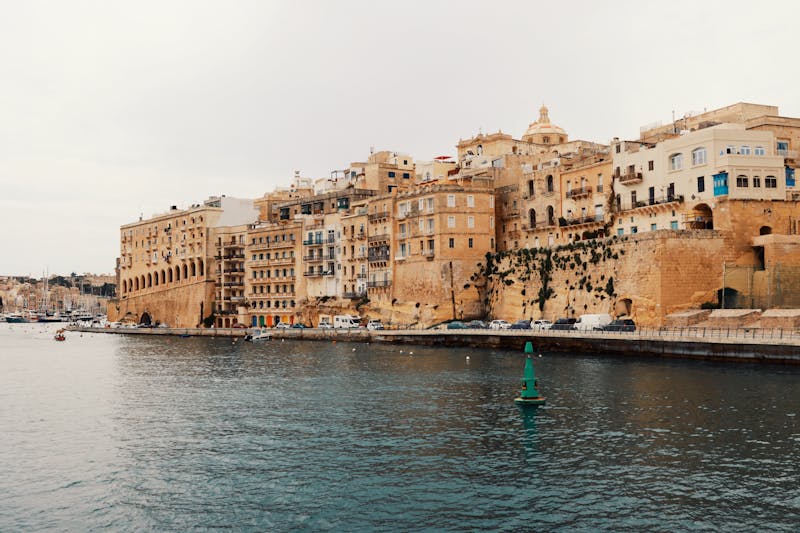
One practical detail people overlook: most apartments need a proper clean before the furniture goes in. Malta flats collect limestone dust, hard-water limescale, and construction residue between tenants, and the previous occupant’s clean is rarely thorough. Booking a move-in clean before you unpack is one of those small wins that makes the first week feel like home rather than a building site.
What common pitfalls should you avoid?
Most relocation problems in Malta are predictable, which means they are avoidable. The recurring mistakes are underestimating processing times, renting unseen, arriving without Apostilled documents, leaving the bank application too late, and ignoring tax residency from day one. Build a two-week buffer into every official deadline.
- Underestimating processing times. Official timelines are estimates, and departmental workloads affect real speed. A two-week buffer on every deadline keeps the chain from stalling.
- Skipping in-person viewings. Remote rental agreements frequently lead to disappointment. A viewing is the only reliable way to assess a property’s condition and a landlord’s credibility.
- Arriving without Apostilled documents. This is the most common and most avoidable mistake. Identità will not process your application without them.
- Waiting too long to open a bank account. The three-to-six-week clock starts only when you submit, so apply the week you arrive.
- Ignoring tax residency from day one. Your tax position is set from the date you establish residency, and retroactive planning is harder and more expensive.
Key takeaway: Treat the move as a project with milestones, not a series of surprises. Book appointments early, arrive with complete documents, and follow up calmly — Identità, Jobsplus, and the Housing Authority each run on their own rhythm.
Key takeaways: your quick checklist
A smooth Malta relocation comes down to starting your legal preparations at least eight weeks out, completing registrations in the right order, and staying patient with official timelines. Keep this summary close as you plan:
Get your new Malta home move-in ready
Finding a reliable cleaner in Malta the traditional way usually means scrolling Facebook groups, messaging numbers, and chasing quotes — exactly the kind of admin you do not need in your first week on the island.
Rozie was built to remove that friction. You post the job once, and verified cleaners send you offers with the exact price before you accept, with 7-day payment protection and up to €1,000,000 in professional liability cover on every booking. Here is the whole booking process in under 60 seconds:
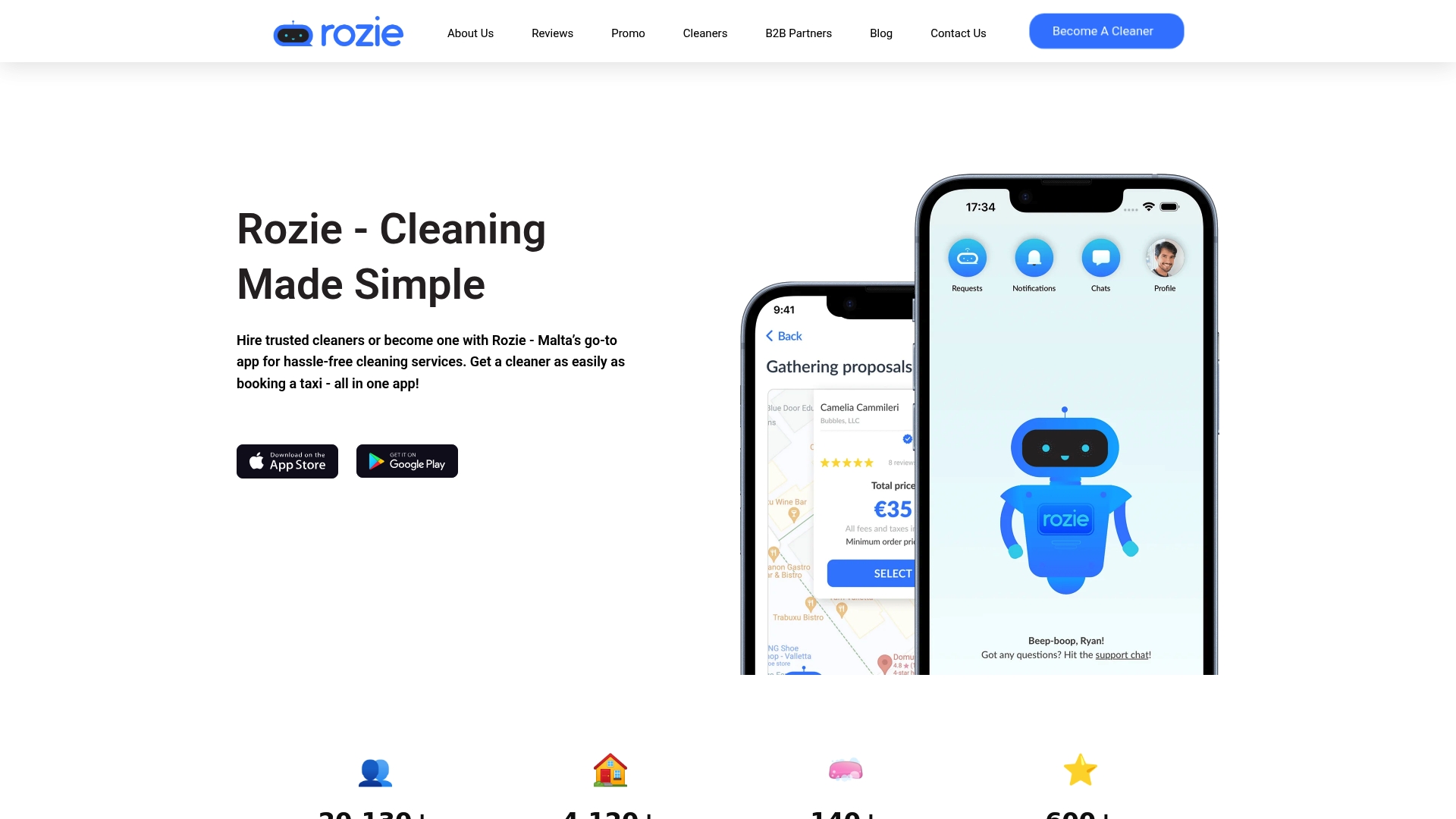
Whether you want a one-off move-in deep clean before the furniture arrives or regular help while you settle in, you can compare offers from verified cleaners across Malta in a few taps. Browse cleaning services across Malta to see what is available in your area.
Book a Move-In Clean on Rozie ->
Frequently asked questions
What documents do I need for moving to Malta?
You need a valid passport, birth certificate, police conduct certificate, and proof of accommodation, all with certified translations and Apostilles if they are not in English or Maltese. Non-EU nationals also need proof of income and private health insurance for their permit type.
How long does the eResidence card take to process in Malta?
Processing times vary with Identità’s workload, but most applicants receive their eResidence card within a few weeks of their biometrics appointment. Build in extra time and bring original Apostilled documents to avoid delays.
Do I need private health insurance to move to Malta?
EU nationals can use their EHIC card for public healthcare access. Non-EU nationals need private health insurance: the Schengen entry visa requires at least €30,000 of cover, while the Single Permit generally requires more, commonly around €100,000.
How do I manage money before my Maltese bank account opens?
Opening a local bank account takes three to six weeks. Use digital banking apps like Revolut or Wise in the meantime, as both support euro accounts and work seamlessly for daily expenses in Malta.
Is it safe to rent a property in Malta without viewing it first?
Renting without a physical viewing carries significant risk. Listings rent very quickly and remote agreements often disappoint. Book short-term accommodation first and view properties in person before signing anything.
Should I arrange a cleaning before moving into my Malta apartment?
It helps. Malta apartments collect limestone dust and hard-water limescale between tenants, so a thorough move-in clean before you unpack saves hours. On Rozie you can compare offers from verified cleaners and see the exact price upfront — our Malta cleaning cost guide gives you typical figures to set expectations.