

TL;DR:
- Damp apartments in Malta result from high outdoor humidity, poor ventilation, and building defects. Identifying moisture sources with a hygrometer and addressing structural issues prevent mold and damage. Tenants should document problems and report persistent issues to landlords or authorities as needed.
A damp apartment in Malta is defined by persistent excess moisture that causes mold growth, musty odors, peeling paint, and structural staining on walls and ceilings. The technical term for this condition is rising or penetrating dampness, and it affects a significant share of Maltese rental and owner-occupied properties. Malta’s Mediterranean climate, combined with older limestone construction and limited ventilation, creates near-perfect conditions for moisture buildup. Long-term exposure to indoor mold causes respiratory issues, skin rashes, headaches, and fatigue. Knowing the source of your moisture problem is the first step toward fixing it for good.
What causes dampness in Maltese apartments?
Dampness in Maltese apartments comes from four main sources: outdoor humidity, indoor activities, building defects, and poor ventilation. Each source behaves differently and requires a different fix. Misidentifying the source is the single most common reason residents waste money on products that do not work.
Malta’s Mediterranean climate delivers high humidity for much of the year, especially between october and april when sea air saturates the atmosphere. Limestone, the dominant building material across Malta, is highly porous. It absorbs moisture from the ground and from rain, then releases it slowly into interior spaces.
Indoor activities add a surprising amount of moisture to the air. Cooking, showering, and drying laundry indoors each release water vapor that condenses on cold walls and windows. A single load of laundry dried indoors can release over a liter of water into the air. That moisture has to go somewhere, and in a poorly ventilated apartment, it settles on surfaces and feeds mold.
| Moisture source | Type | Primary fix |
|---|---|---|
| Sea air and outdoor humidity | Environmental | Dehumidifier, timed ventilation |
| Limestone wall absorption | Structural | Damp-proof course, sealant |
| Cooking and showering | Occupant behavior | Exhaust fans, lids on pots |
| Indoor laundry drying | Occupant behavior | Dry outdoors or use a vented dryer |
| Roof or plumbing leaks | Building defect | Plumber or roofer repair |
| Poor window seals | Structural | Resealing or window replacement |
Leaks from roofs, pipes, and window frames are structural defects that no dehumidifier can solve. If you see a water stain that grows after rain or a specific pipe runs behind a damp patch, the fix is a plumber or builder, not a cleaning product.
How to measure and diagnose dampness in your apartment
Accurate diagnosis prevents wasted spending on the wrong fix. Identifying whether moisture comes from activities, leaks, outdoor humidity, or poor ventilation helps you target the right intervention from the start.
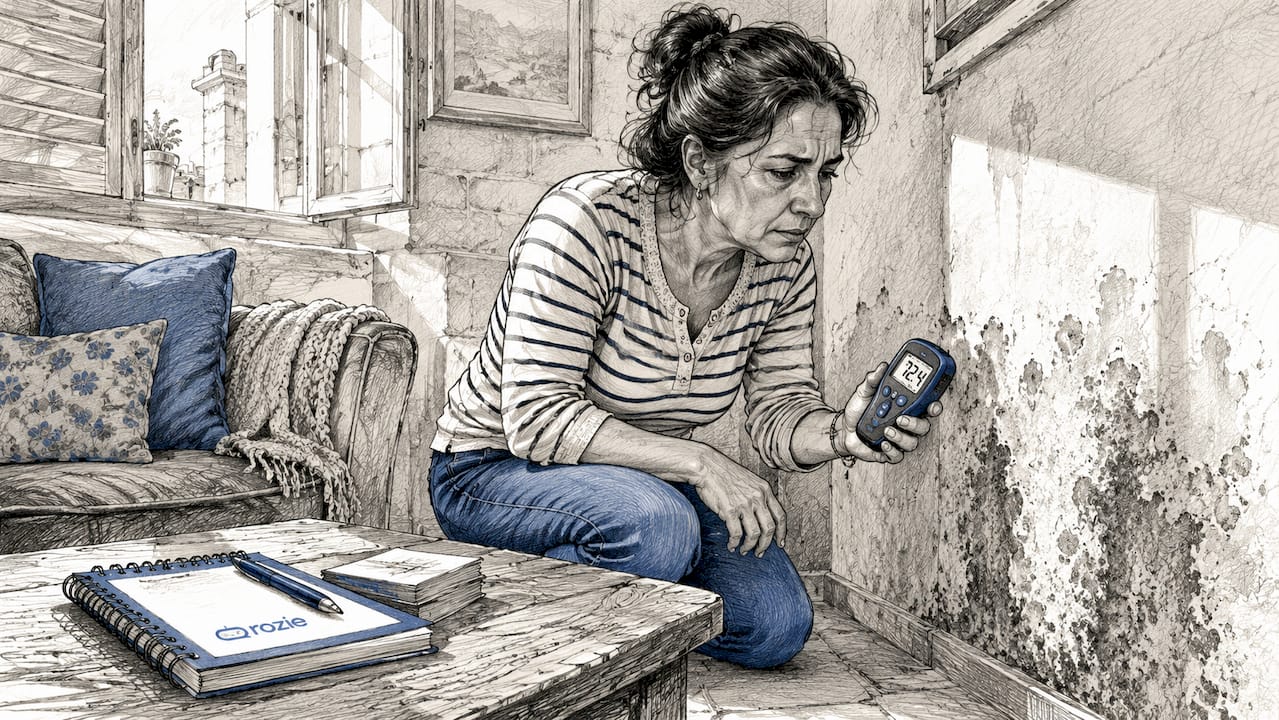
A hygrometer is the most useful tool you can buy. It measures relative humidity in real time and costs under €20 at most hardware stores in Malta. Maintaining indoor humidity between 30–50% is the target. Readings above 60% consistently signal a moisture problem that needs active management.
Follow these steps to diagnose your apartment systematically:
- Place a hygrometer in each problem room. Record readings at the same time each morning and evening for one week.
- Check windows and exterior walls for condensation. Water droplets on glass or cold surfaces confirm that indoor air is too humid.
- Look for staining patterns. Rising damp appears as a tide mark low on walls. Roof leaks show as ceiling stains. Condensation mold clusters near windows and in corners.
- Smell for musty odors in closets and behind furniture. Mold grows in hidden spots first, especially where air circulation is low.
- Note the time and conditions. Does dampness worsen after cooking or showering? That points to ventilation. Does it worsen after rain? That points to a structural leak.
Pro Tip: Take dated photos of every damp patch, stain, and mold spot from the day you notice them. This photo log becomes your strongest evidence if you later need to report the problem to your landlord or a housing authority.
When readings stay above 60% even after ventilating, or when you see black or green mold spreading across walls, call a professional moisture surveyor. Some mold types, including aspergillus and black mold, carry different health risks and require professional assessment before treatment.
How to fix damp walls and reduce moisture in Malta apartments
Source control is the most effective strategy for fixing moisture problems in apartments. Wiping mold without fixing the moisture source causes it to return within days. Every fix must start with the moisture itself.
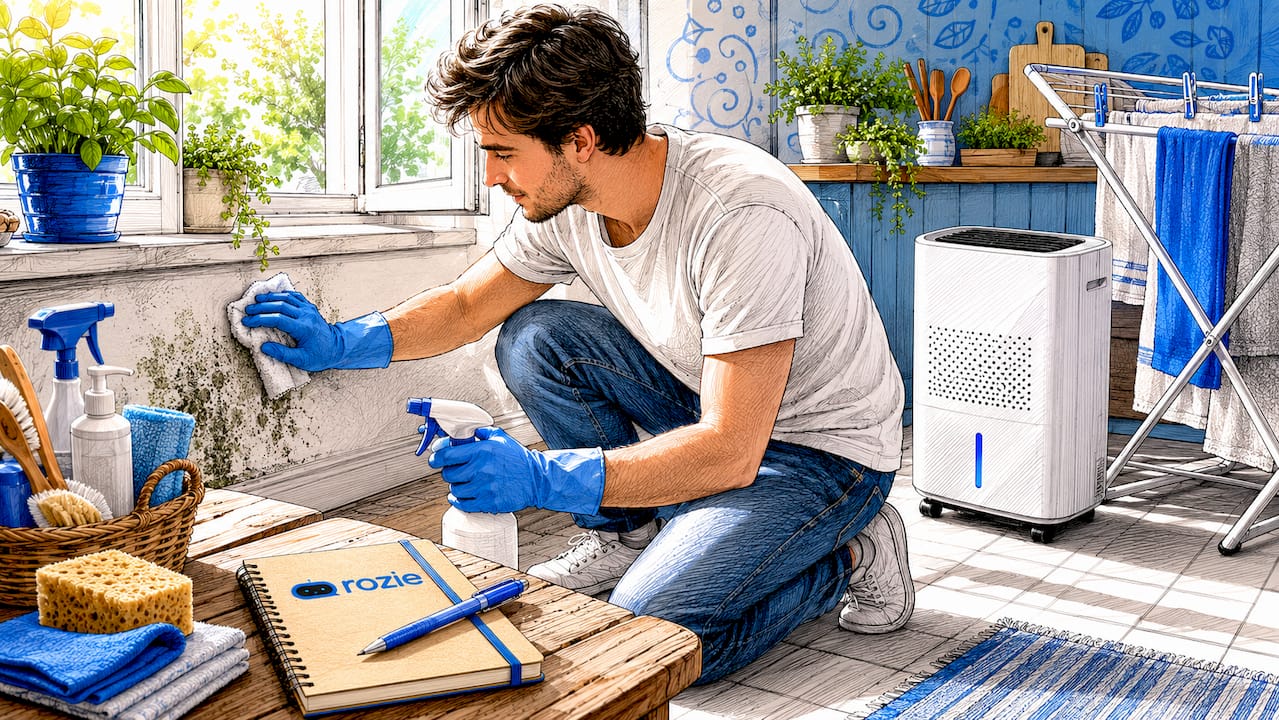
Using exhaust fans in kitchens and bathrooms and avoiding indoor laundry drying are the two highest-impact behavioral changes you can make. Open windows only when outdoor air is drier than indoor air. On humid days in Malta, opening windows pulls more moisture in rather than pushing it out.
What works:
- Run bathroom and kitchen exhaust fans during and for 20 minutes after use
- Use a dehumidifier set to maintain humidity below 55% in problem rooms
- Cover pots while cooking to reduce steam
- Dry laundry on a balcony or use a condenser dryer indoors
- Leave small gaps between furniture and exterior walls to allow air circulation
- Clean and dry bathroom grout and silicone seals regularly to prevent mold colonization
- Use anti-mold paint on walls in bathrooms and kitchens after treating existing mold
What does not work:
- Air fresheners and scented candles (they mask odors but do nothing for moisture)
- Painting over mold without treating the surface first
- Sealing a damp wall with standard paint (traps moisture and causes bubbling)
- Running an air conditioner in cooling mode without also dehumidifying
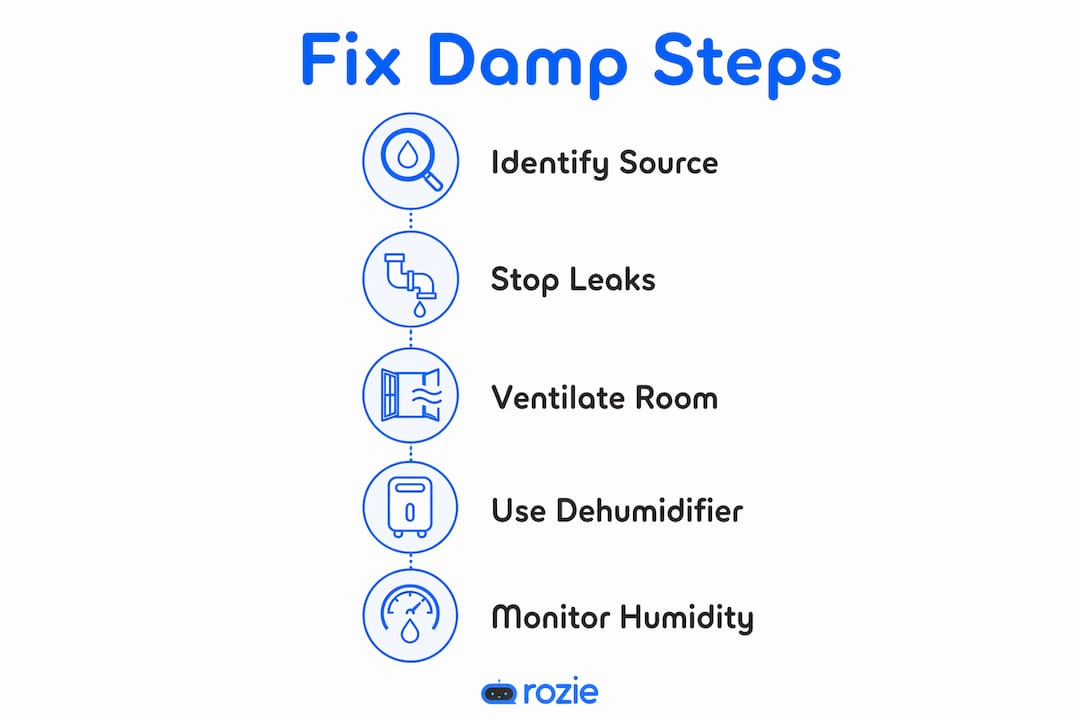
Pro Tip: Apply fixes in order: first stop the source, then ventilate, then dehumidify. Buying a dehumidifier before fixing a roof leak is like mopping the floor with the tap still running.
Proper stepwise moisture measurement before and after each intervention tells you whether a fix is working. Record humidity readings for three days after each change. If numbers drop, the fix is effective. If they stay high, move to the next source.
For limestone walls with persistent rising damp, a damp-proof course injection by a qualified builder is the long-term solution. This is a structural repair, not a cleaning task, and it requires a licensed contractor.
How to involve your landlord and protect your rights
Tenants in Malta have a legal right to a habitable property. Persistent dampness, visible mold, and musty smells are maintenance failures that landlords are responsible for addressing, not cosmetic issues tenants must accept.
The most important step is documentation. Documented tenant complaints in writing increase the likelihood of landlord action and create a paper trail for any future dispute. Send your report by email so you have a timestamp and a written record.
Follow this process when reporting to your landlord:
- Write a clear email describing the problem, the location, and when you first noticed it
- Attach dated photos of every affected area
- State a reasonable deadline for the landlord to respond or begin repairs, typically 7–14 days
- Keep copies of all replies and any verbal conversations confirmed in writing
- If the landlord does not act, escalate to the Malta Housing Authority or the Environmental Health Directorate
Tenants are responsible for keeping the apartment ventilated and clean. Landlords are responsible for fixing structural defects, leaks, and building-related moisture sources. The line between the two matters when a dispute reaches a housing authority. A room-by-room mold prevention guide can help you document which areas you have maintained properly and which show signs of structural failure.
If you are approaching the end of your tenancy, an end of tenancy cleaning checklist helps you address damp-related damage before your landlord’s inspection and protects your deposit.
Long-term maintenance to keep your apartment dry
Routine habits prevent moisture from becoming a crisis. The goal is to keep humidity consistently below 55% and to catch new moisture sources before they cause visible damage.
Monthly checks take less than ten minutes and catch problems early:
- Check window seals and silicone for cracks or gaps
- Inspect under sinks and around pipe joints for slow drips
- Wipe down bathroom tiles and grout with a mold-inhibiting cleaner
- Check behind wardrobes and large furniture against exterior walls
- Empty and clean dehumidifier water tanks and filters
Seasonal deep cleaning is especially valuable in Malta before the wet season begins in october. Professional cleaning and verification are recommended for limestone surfaces and humid climate conditions because standard cleaning products can damage porous stone or fail to penetrate mold roots.
| Maintenance task | Frequency | Purpose |
|---|---|---|
| Hygrometer reading log | Daily for 1 week, then monthly | Track humidity trends |
| Exhaust fan check | Monthly | Confirm fans are working |
| Window seal inspection | Every 3 months | Prevent condensation leaks |
| Deep clean bathrooms and kitchen | Every 3–6 months | Remove mold before it spreads |
| Professional damp inspection | Annually or after heavy rain | Catch structural issues early |
Hiring a vetted professional cleaner for periodic deep cleans is one of the most practical long-term strategies available to Malta residents. A thorough clean removes mold spores from surfaces before they colonize, and a trained cleaner spots early warning signs that residents often miss.
Key takeaways
Fixing a damp apartment in Malta requires identifying the moisture source first, then applying ventilation, dehumidification, and structural repairs in that order.
| Point | Details |
|---|---|
| Identify the source first | Distinguish between condensation, rising damp, and leaks before buying any product. |
| Keep humidity below 55% | Use a hygrometer and dehumidifier to maintain safe indoor humidity levels. |
| Document everything in writing | Dated photos and written reports to landlords protect your rights and speed up repairs. |
| Ventilation beats air fresheners | Exhaust fans and strategic window use reduce moisture; scented products do not. |
| Schedule seasonal deep cleans | Professional cleaning before the wet season removes mold spores and catches new problems early. |
Living with limestone: what I’ve learned about damp in Malta
I’ve spoken with dozens of Malta residents who spent months buying dehumidifiers, anti-mold sprays, and scented candles before realizing none of it was touching the actual problem. The moisture was coming through the wall from a cracked roof parapet, and no consumer product was ever going to fix that.
The thing that surprises most people is how fast mold returns after wiping. You clean a wall on saturday, and by the following weekend it’s back. That’s not bad luck. That’s a moisture source that hasn’t been addressed. The mold is just a symptom.
Malta’s limestone buildings are beautiful, but they are genuinely porous. That’s a structural reality, not a flaw in your specific apartment. It means you need to be more proactive about ventilation and humidity monitoring than you would in a modern concrete building. A hygrometer on your kitchen counter is not an overreaction. It’s the cheapest diagnostic tool you’ll ever buy.
The other thing I’d push back on is the idea that damp is always the landlord’s fault. Sometimes it is, especially when there’s a structural leak or a failed damp-proof course. But a lot of the time, condensation problems are made worse by how people live in the space. Drying laundry indoors, never running exhaust fans, keeping windows shut all winter. Those habits matter, and changing them costs nothing.
Report problems to your landlord early and in writing. Don’t wait six months hoping it will improve. The longer moisture sits in a wall, the more expensive the repair becomes, and the harder it is to prove who is responsible.
— Alex
Rozie and the fight against damp in Malta apartments
Keeping a Maltese apartment dry is a year-round effort, and sometimes you need a professional set of hands to do it properly.

Rozie connects Malta residents with verified, vetted cleaners who know how to handle limestone surfaces, bathroom mold, and the kind of deep cleaning that actually removes mold spores rather than just moving them around. Booking takes minutes through the Rozie app, and support is available on WhatsApp. Whether you need a one-off deep clean for your home before the wet season or a reliable cleaner for regular maintenance visits, Rozie makes it easy to find someone you can trust. Every cleaner on the platform is verified before they ever step through your door. That’s the Rozie promise, and it’s one we take seriously.
Find a verified cleaner through Rozie today and get ahead of Malta’s next humid season.
FAQ
What are the main signs of a damp apartment in Malta?
The main signs are visible mold on walls or ceilings, musty odors, condensation on windows, peeling paint, and water stains. Persistent humidity above 60% measured by a hygrometer confirms an active moisture problem.
How do I fix damp walls in a Maltese apartment?
First identify the source: condensation, a structural leak, or rising damp through limestone. Then apply the matching fix, whether that’s exhaust fans and a dehumidifier for condensation, or a licensed builder for structural repairs.
Is dampness the landlord’s responsibility in Malta?
Structural moisture sources such as roof leaks, failed damp-proof courses, and plumbing defects are the landlord’s responsibility. Tenants are responsible for ventilating the apartment and managing moisture from daily activities like cooking and showering.
What humidity level is safe indoors in Malta?
Indoor humidity between 30–50% is the target range. Levels above 60% consistently encourage mold growth and should be addressed with a dehumidifier or improved ventilation.
Can I report a damp apartment to Malta authorities?
Yes. If your landlord does not act after a written report, you can escalate to the Malta Housing Authority or the Environmental Health Directorate. Always keep dated written records and photos of the problem before escalating.
Recommended
- Mould Prevention Malta: Room-by-Room Guide (2026)
- Post Renovation Cleaning Malta 2026: Cut Mistakes by 40% | Rozie – Malta’s Best Cleaning Services
- After Builders Cleaning Malta: 3-Phase Process Cuts Time 30% | Rozie – Malta’s Best Cleaning Services
- Emergency Cleaning Malta: Fast, Reliable Help in 4–6 Hours